
OCS OP5 Online Melt Flow Indexer
| Brand | OCS |
|---|---|
| Origin | Germany |
| Model | OP5 |
| Compliance | ASTM D1238, ISO 1133 |
| Accuracy | ±0.5% |
| Calibration | Fully automated, zero manual calibration required |
| Sampling | Continuous micro-sampling (≈20 g per cycle) |
| Maintenance | Single-gear-pump architecture |
| Installation | Process-integrated, non-intrusive inline configuration |
| Application Domain | Polyolefins, polyethylene (PE), polypropylene (PP), thermoplastic elastomers (TPE), engineering plastics |
Overview
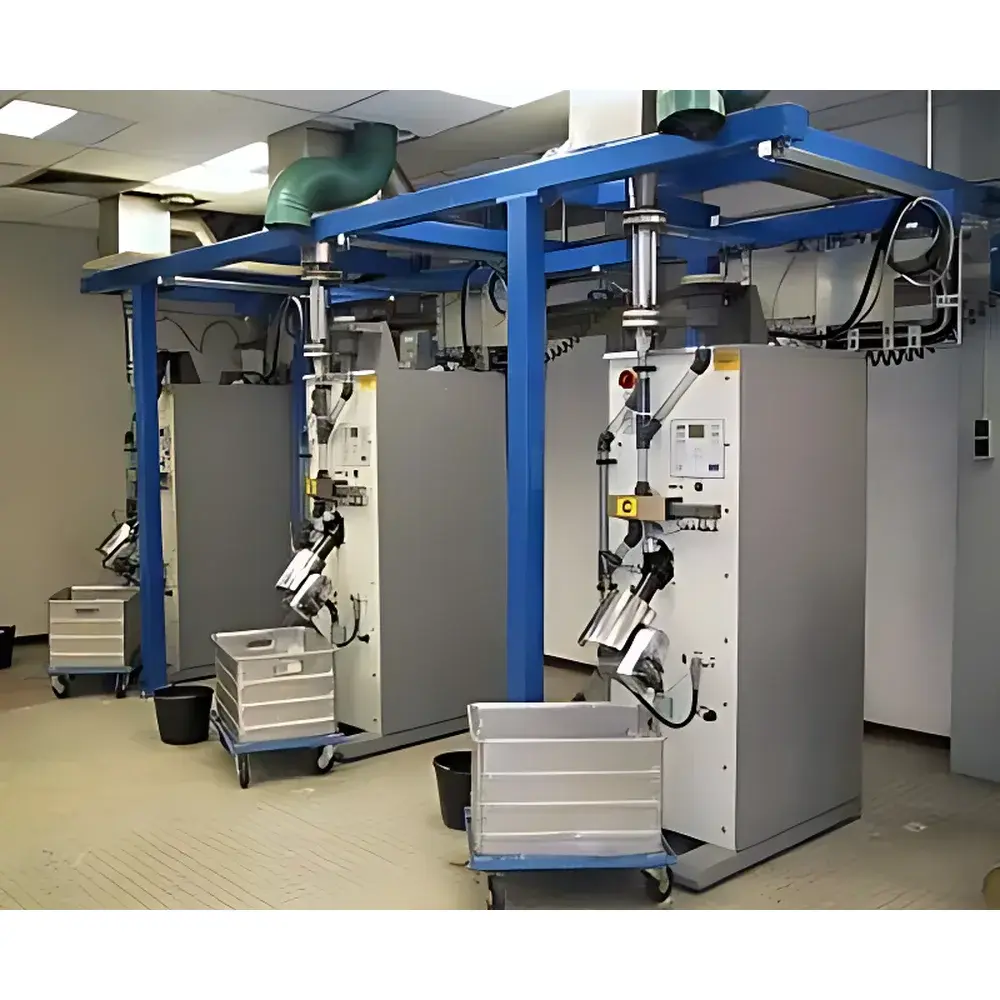
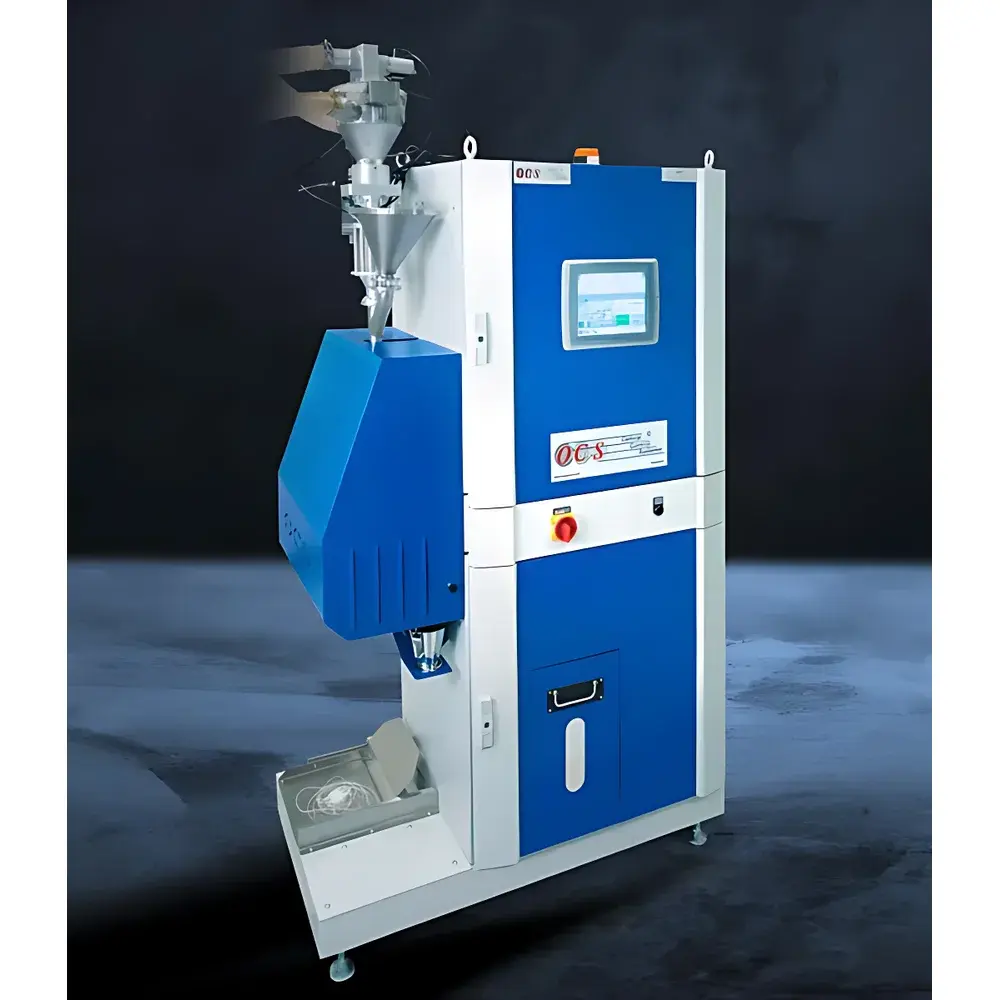
The OCS OP5 Online Melt Flow Indexer is a process-integrated analytical instrument engineered for real-time, high-reproducibility melt flow rate (MFR) and melt flow index (MFI) monitoring in continuous polymer production environments. Unlike conventional benchtop or offline MFI testers, the OP5 employs a patented OCS volumetric displacement principle based on precision gear-pump metering and temperature-stabilized capillary extrusion under controlled load conditions. It operates in strict accordance with ASTM D1238 (formerly D1283) and ISO 1133 methodologies—ensuring traceable, standards-compliant data generation without deviation from regulatory test definitions. The system is designed for permanent installation upstream of granulation units or downstream of extruders, enabling dynamic feedback to DCS/PCS systems for closed-loop process adjustment. Its core function is not merely endpoint measurement but continuous characterization of rheological consistency across polymer batches—supporting statistical process control (SPC), early drift detection, and real-time grade verification.
Key Features
- Patented OCS volumetric extrusion technology delivering ±0.5% repeatability in MFR determination—validated against certified reference materials across 0.1–100 g/10 min range
- Fully automated calibration sequence executed at scheduled intervals or prior to each sampling cycle; no operator intervention or external reference weights required
- Non-intrusive inline integration: installed via dedicated process tap with minimal pressure drop (<0.3 bar); compatible with both molten polymer streams (180–320 °C) and hot-melt transfer lines
- Micro-sampling architecture: draws only ≈20 g per analysis cycle, minimizing material waste and eliminating batch interruption—ideal for high-value specialty polymers
- Single-gear-pump fluidic design reduces mechanical complexity, eliminates bearing wear points, and extends mean time between maintenance (MTBM) to >18 months under continuous operation
- Integrated PID-controlled heating zones maintain ±0.2 °C thermal stability across extrusion barrel, die, and piston assembly—critical for viscosity-sensitive resins
Sample Compatibility & Compliance
The OP5 supports homogeneous melts from thermoplastic polymers including polyethylene (LDPE, HDPE, LLDPE), polypropylene (homo- and copolymers), polystyrene (GPPS, HIPS), ABS, PC, and TPEs. It is not intended for filled, highly abrasive, or thermally unstable compounds (e.g., POM, PVC with plasticizers). All measurements comply with ASTM D1238 Condition “D” (2.16 kg load, 190 °C) and “M” (5.0 kg, 230 °C), as well as ISO 1133-1:2011 Annex A (gravimetric) and Annex B (volumetric) protocols. Data integrity meets ALCOA+ principles: attributable, legible, contemporaneous, original, accurate, complete, consistent, enduring, and available. Audit trails and electronic signatures align with FDA 21 CFR Part 11 requirements when integrated with validated LIMS or MES platforms.
Software & Data Management
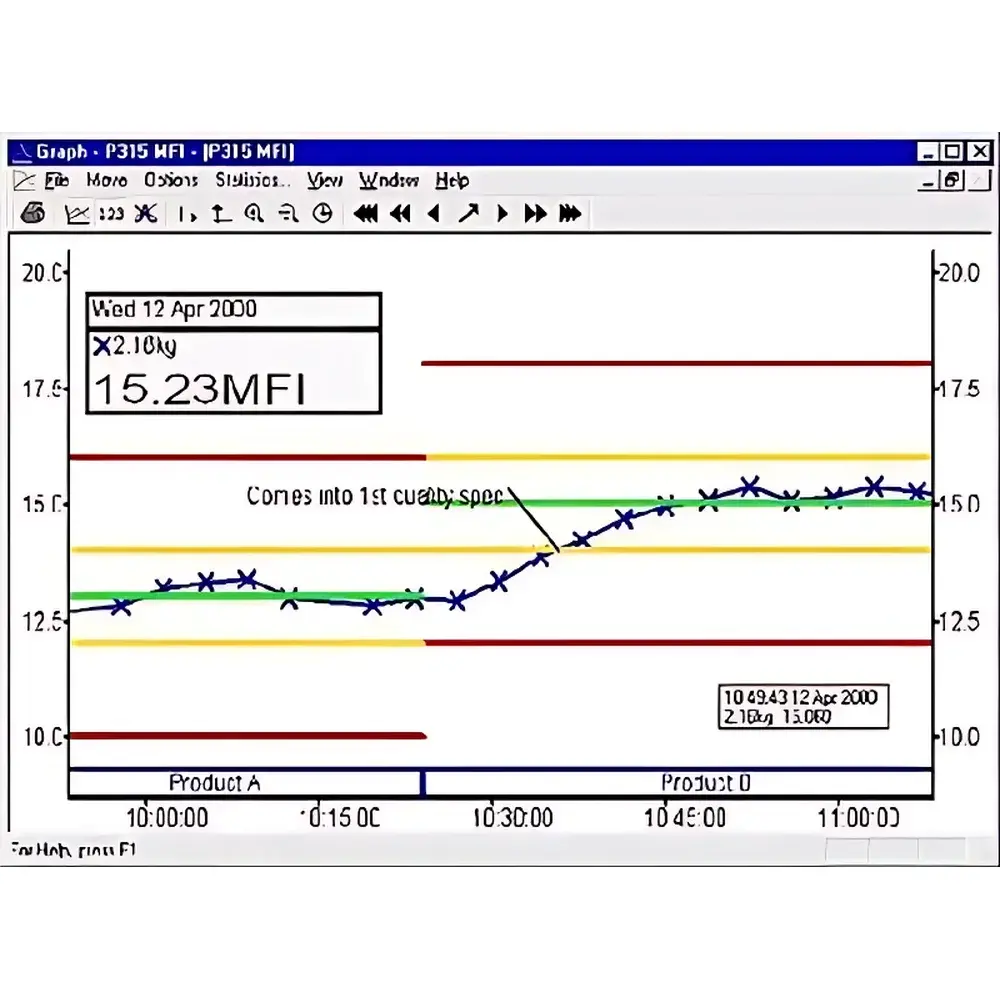
The OP5 is managed via OCS ProcessLink™ v4.2 firmware, supporting Modbus TCP, OPC UA, and Ethernet/IP industrial protocols for seamless DCS integration. Real-time MFR values, temperature profiles, pressure transients, and cycle diagnostics are logged at 1 Hz resolution with timestamped metadata (including batch ID, operator tag, and ambient humidity). Historical datasets export to CSV or HDF5 format; trend visualization includes Shewhart control charts, Cp/Cpk capability indices, and deviation heatmaps relative to master batch baselines. Optional GMP module enables electronic record retention for ≥25 years, role-based access control, and change management logs compliant with Annex 11 and ICH GCP guidelines.
Applications
- Real-time MFR trending during polyolefin slurry-phase or gas-phase polymerization to optimize catalyst activity and hydrogen quench dosing
- Feed-forward control of extruder screw speed and die temperature in compounding lines producing color concentrates or flame-retardant grades
- Automated pass/fail screening prior to pelletizing—rejecting out-of-spec material before granulation energy is expended
- Supporting APQP Phase II validation by correlating online MFR with final product mechanical properties (e.g., tensile strength, impact resistance)
- Reducing customer complaint root cause analysis cycle time from days to minutes through retrospective melt rheology reconstruction
FAQ
Does the OP5 require periodic recalibration using NIST-traceable standards?
No—its self-calibrating architecture uses internal thermal expansion coefficients and gear-pump displacement volume verification; external calibration is neither required nor supported.
Can it operate continuously during reactor shutdown or grade transitions?
Yes—the system maintains thermal soak mode during idle periods and resumes full measurement within 90 seconds of melt re-entry.
Is third-party software validation support available for FDA-regulated facilities?
Yes—OCS provides IQ/OQ documentation packages, protocol templates, and on-site validation engineering services aligned with GAMP 5 and ASTM E2500.
What is the maximum allowable particulate content in the melt stream?
Up to 5 wt% non-abrasive filler (e.g., CaCO₃, talc) is permitted; higher loadings require optional ceramic-coated pump housing (OP5-CER option).
How is sample cross-contamination prevented between cycles?
Each cycle includes a programmable purge phase using nitrogen-flushed melt flush and vacuum-assisted die clearance—verified by pressure decay testing.





