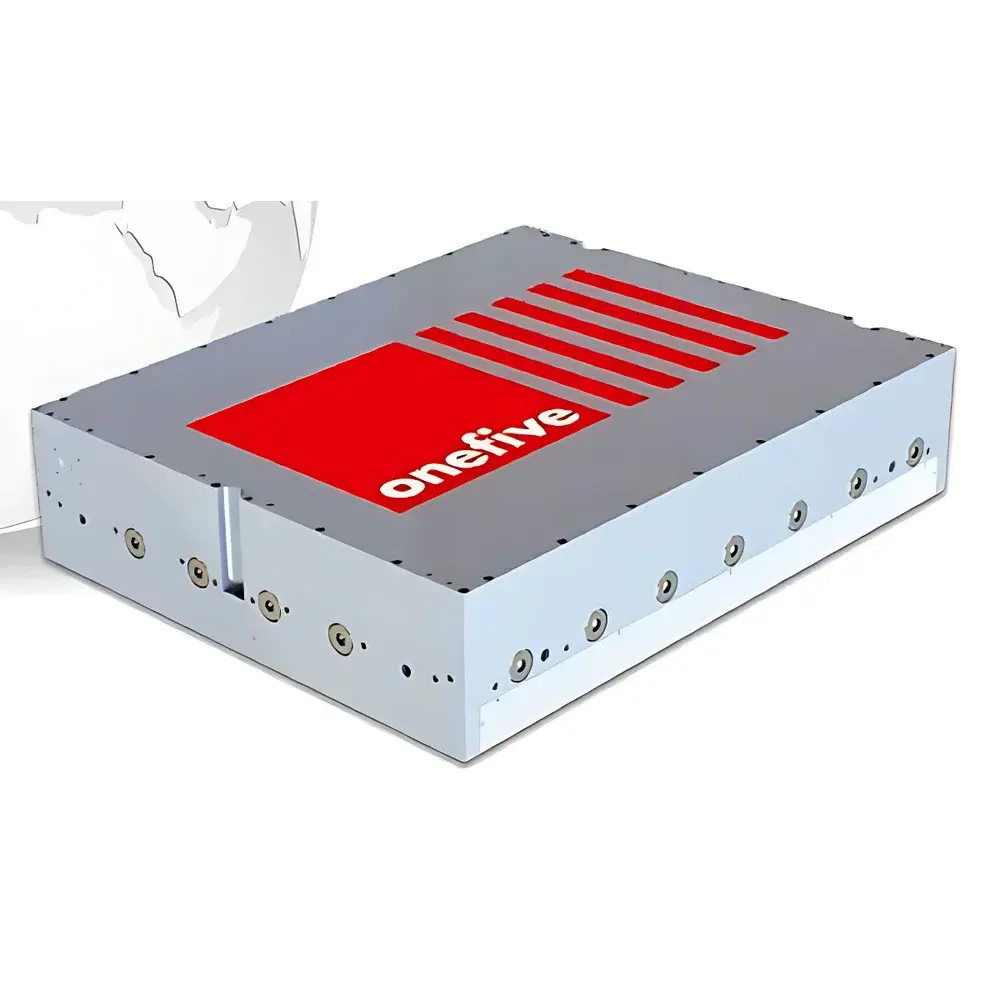
Onefive Genki-XP High-Energy Picosecond Laser System
| Brand | Onefive |
|---|---|
| Origin | Switzerland |
| Model | Genki XP |
| Wavelength | 1064 nm |
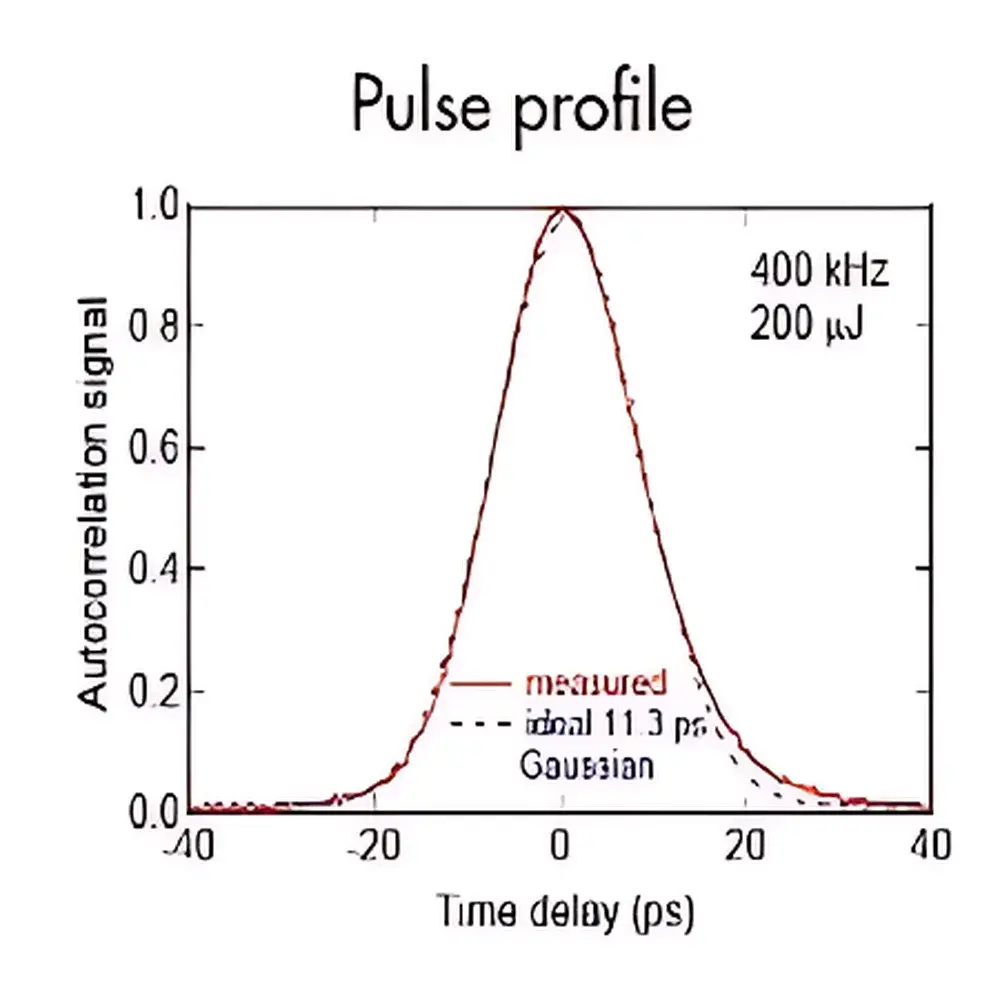
| Pulse Width | <10 ps |
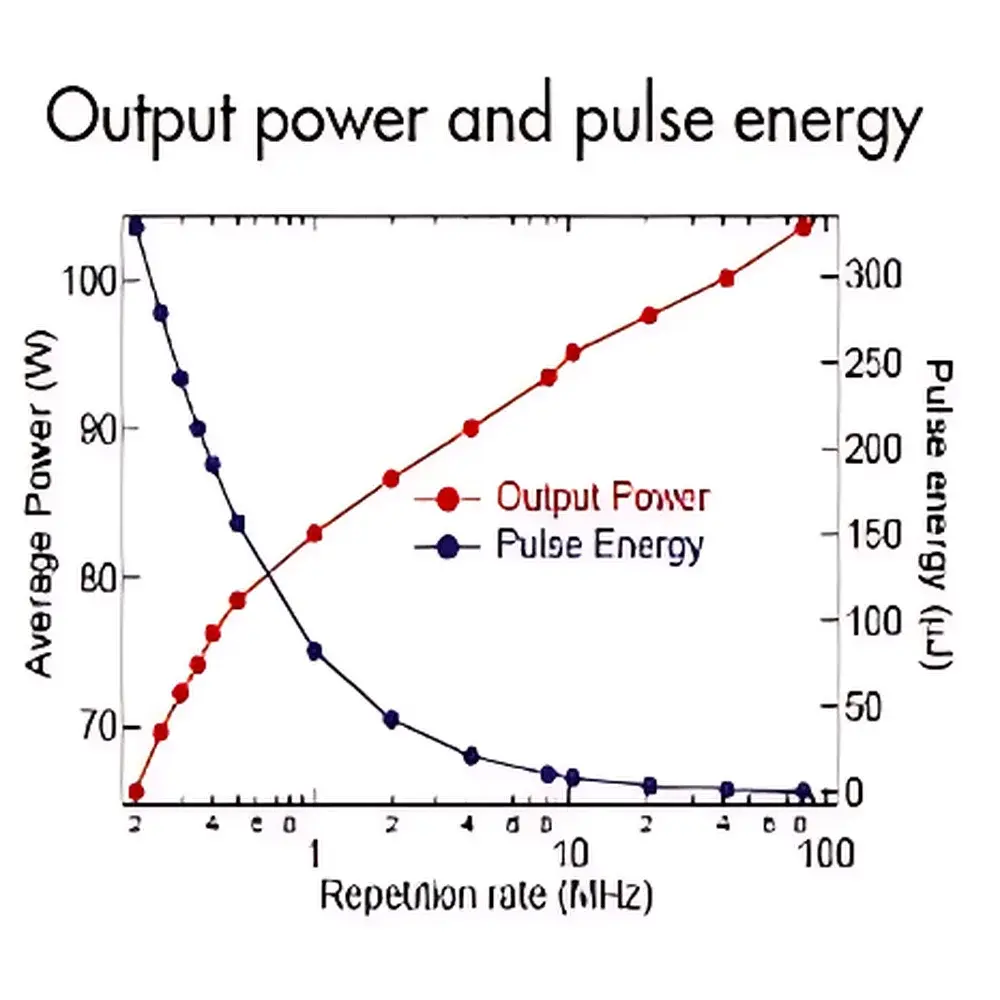
| Avg. Power | up to 100 W |
| Pulse Energy | up to 400 µJ |
| Repetition Rate | Single-shot to 80 MHz |
| Spectral Width | <1 nm |
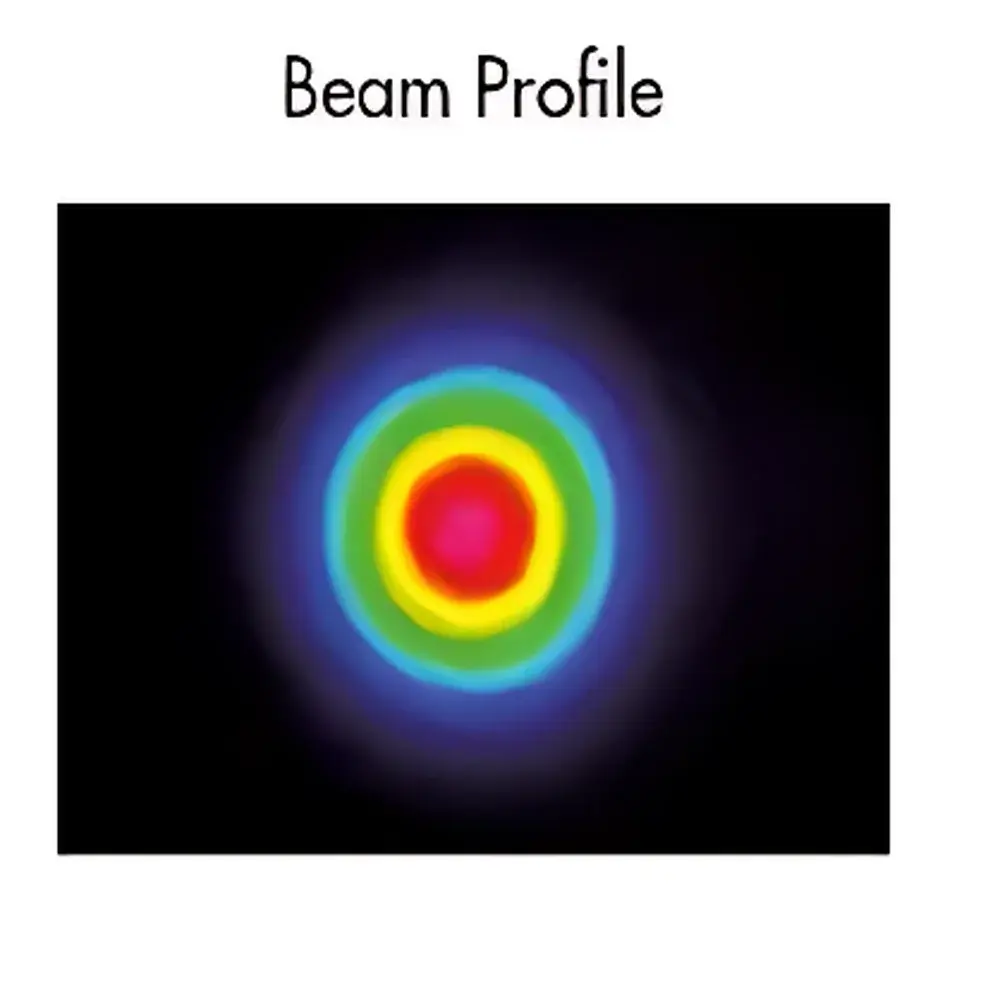
| Beam Quality | M² <1.3 (TEM₀₀) |
| Polarization Extinction Ratio | >20 dB |
| Amplitude Noise (24 h) | <1.0% RMS |
| Warm-up Time | <30 min |
| Operating Temperature | 18–32 °C |
| Storage Temperature | −20–65 °C |
| Dimensions | 505 × 630 × 142 mm³ |
| Weight | 70 kg |
| Power Supply | 24 VDC/25 A + 48 VDC/21 A |
| Power Consumption | 800 W |
| Cooling | Water-cooled |
| Mounting | Omnidirectional |
| Compliance | IEC 60068-2-6, IEC 60068-2-27, IEC 60068-2-29 |
Overview
The Onefive Genki-XP is an industrial-grade, high-energy picosecond laser system engineered for precision material processing and scientific applications requiring robust temporal fidelity, exceptional beam quality, and long-term operational stability. Based on a stabilized all-solid-state oscillator-amplifier architecture, the Genki-XP leverages a proprietary hybrid design integrating fiber-seeded solid-state amplification—combining the thermal management advantages and reliability of fiber-integrated control with the superior pulse contrast, peak power scalability, and spectral purity of bulk Nd:YVO₄ or Nd:YAG gain media. Its sub-10 ps pulse duration, narrow spectral bandwidth (<1 nm), and diffraction-limited beam profile (M² < 1.3, TEM₀₀) enable efficient nonlinear conversion and minimal heat-affected zone (HAZ) in ablation processes. Designed for 24/7 operation across ambient temperatures from 18 °C to 32 °C, the Genki-XP maintains consistent pulse energy, pointing stability, and timing jitter without active realignment—making it suitable for integration into automated manufacturing cells, ultrafast spectroscopy setups, and plasma generation platforms.
Key Features
- Hybrid fiber-solid-state architecture delivering high pulse energy (up to 400 µJ) with excellent temporal and spatial coherence
- Industrial-grade thermal and mechanical design validated per IEC 60068-2-6 (vibration), IEC 60068-2-27 (shock), and IEC 60068-2-29 (repetitive shock)
- Full remote operation via Ethernet (TCP/IP) and RS-232 interfaces; no manual alignment or periodic maintenance required
- Omnidirectional mounting capability—no orientation constraints during system integration
- Burst-mode operation support for synchronized multi-pulse delivery in high-throughput micromachining
- Optional harmonic generation modules: 532 nm (green), 355 nm (UVA), and 266 nm (UVC) with integrated wavelength stabilization
- External clock synchronization input (SMA) for precise timing lock to external triggers or master oscillators
- Integrated diagnostics including real-time pulse energy monitoring, temperature logging, and interlock status reporting
Sample Compatibility & Compliance
The Genki-XP is compatible with a broad range of optically transparent and absorbing materials—including fused silica, sapphire, borosilicate glass, crystalline quartz, diamond, silicon carbide, and various polymer substrates—enabling clean ablation, selective layer removal, and subsurface modification without microcracking. Its stable single-longitudinal-mode seeding ensures high interference contrast for pump-probe experiments and optical parametric amplifier (OPA) pumping. The system conforms to international safety standards (IEC 60825-1:2014 Class 4 laser product) and electromagnetic compatibility requirements (EN 61326-1:2013). For regulated environments, firmware supports configurable audit trails and user-access logging—facilitating compliance with GLP, GMP, and FDA 21 CFR Part 11 when deployed with validated host software.
Software & Data Management
Control is executed via Onefive’s Genki Control Suite—a cross-platform application supporting Windows and Linux that provides full parameter configuration (pulse energy, repetition rate, burst structure, delay settings), real-time oscilloscope-style waveform visualization, and automated calibration routines. All operational parameters are stored in non-volatile memory with timestamped logs exportable in CSV or HDF5 format. The system exposes a documented SCPI-compatible command set over TCP/IP, enabling seamless integration into LabVIEW, Python (PyVISA), MATLAB, or custom MES/SCADA frameworks. Optional API extensions allow synchronization with motion controllers, galvo scanners, and process sensors for closed-loop adaptive machining workflows.
Applications
- Precision cutting and drilling of brittle materials (e.g., display glass, watch sapphire, medical stents)
- Surface texturing and functionalization of metals and ceramics for tribological or optical enhancement
- Thin-film patterning and lift-off processes in photovoltaic and flexible electronics manufacturing
- Plasma generation for EUV source development and time-resolved plasma diagnostics
- Pumping of optical parametric amplifiers (OPAs) and terahertz (THz) generation systems
- Time-resolved fluorescence upconversion and transient absorption spectroscopy
- Two-photon polymerization and 3D microfabrication with sub-diffraction resolution
FAQ
What is the minimum pulse repetition rate supported in single-shot mode?
The Genki-XP supports true single-shot triggering with programmable delay resolution down to 1 ns, enabled by its FPGA-based timing engine.
Can the laser be operated without water cooling?
No. Continuous operation at rated power requires a closed-loop chiller maintaining coolant temperature between 20 °C and 25 °C with flow rate ≥4 L/min.
Is harmonic generation included by default?
Harmonic modules (532 nm, 355 nm, 266 nm) are optional add-ons; the base system operates at 1064 nm only.
Does the system support pulse-on-demand operation?
Yes—external TTL or LVDS trigger inputs enable asynchronous pulse emission with jitter <100 ps RMS relative to trigger edge.
What is the expected lifetime of the gain medium under continuous operation?
The Nd-doped crystal gain module is rated for >20,000 hours MTBF under nominal operating conditions, with no consumables or periodic replacement intervals.