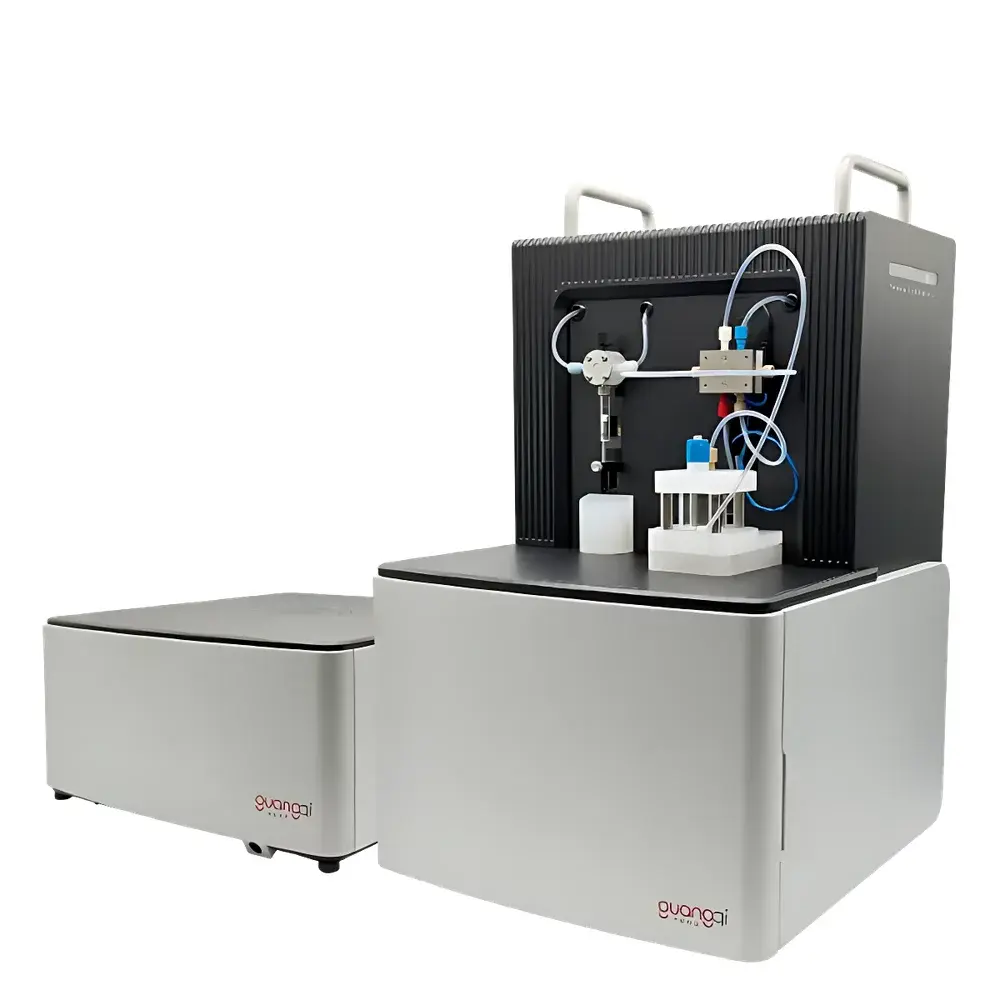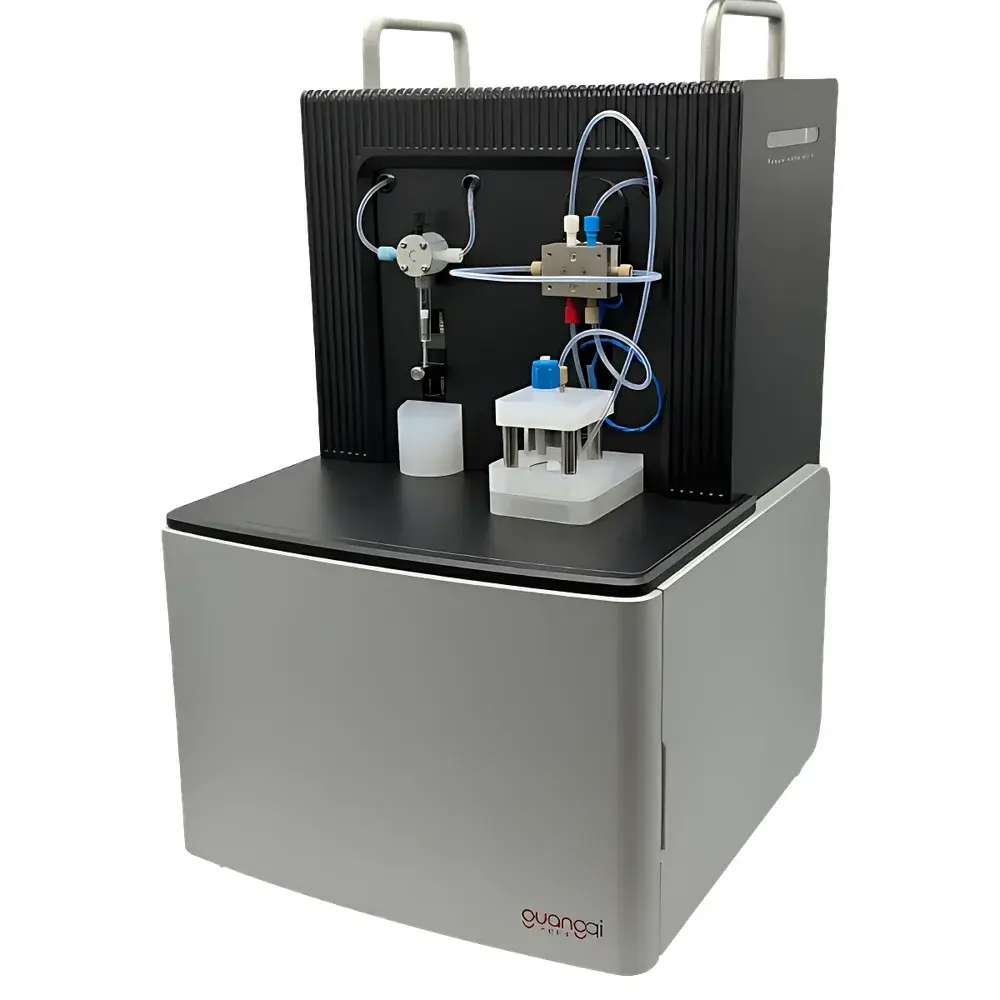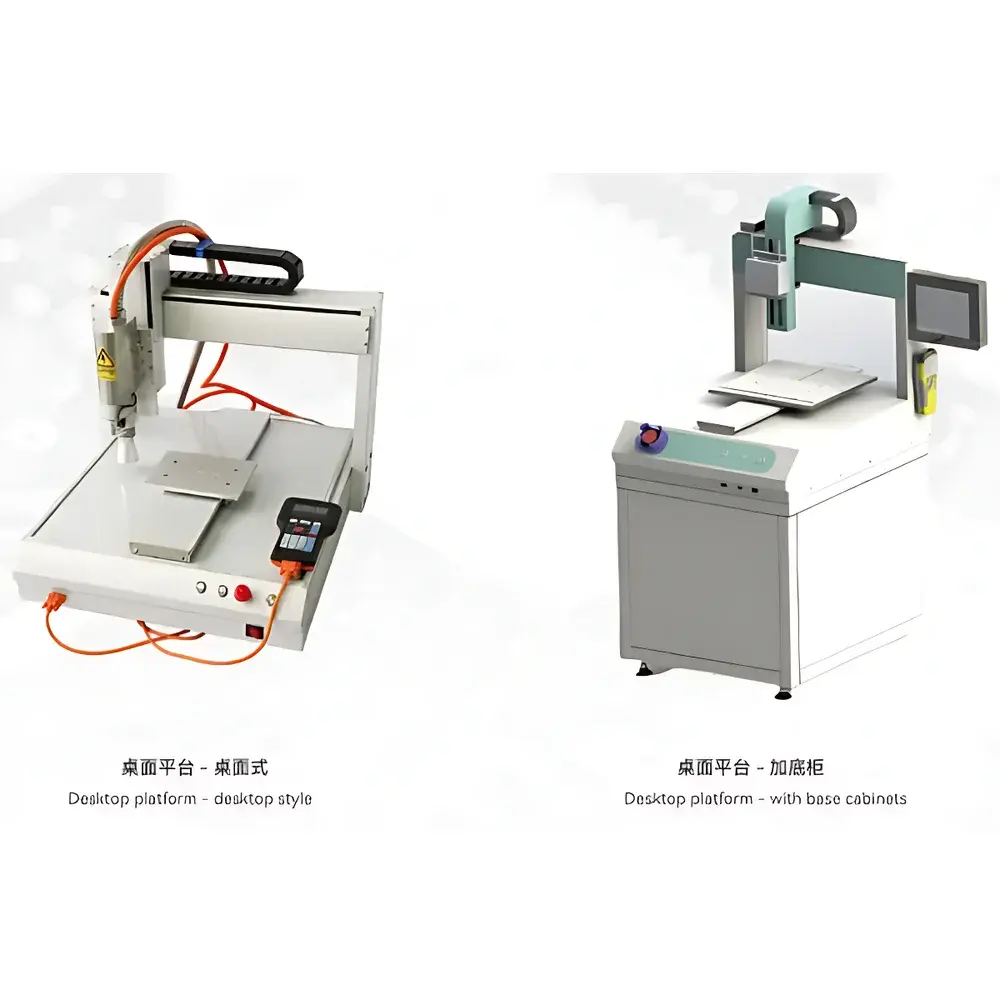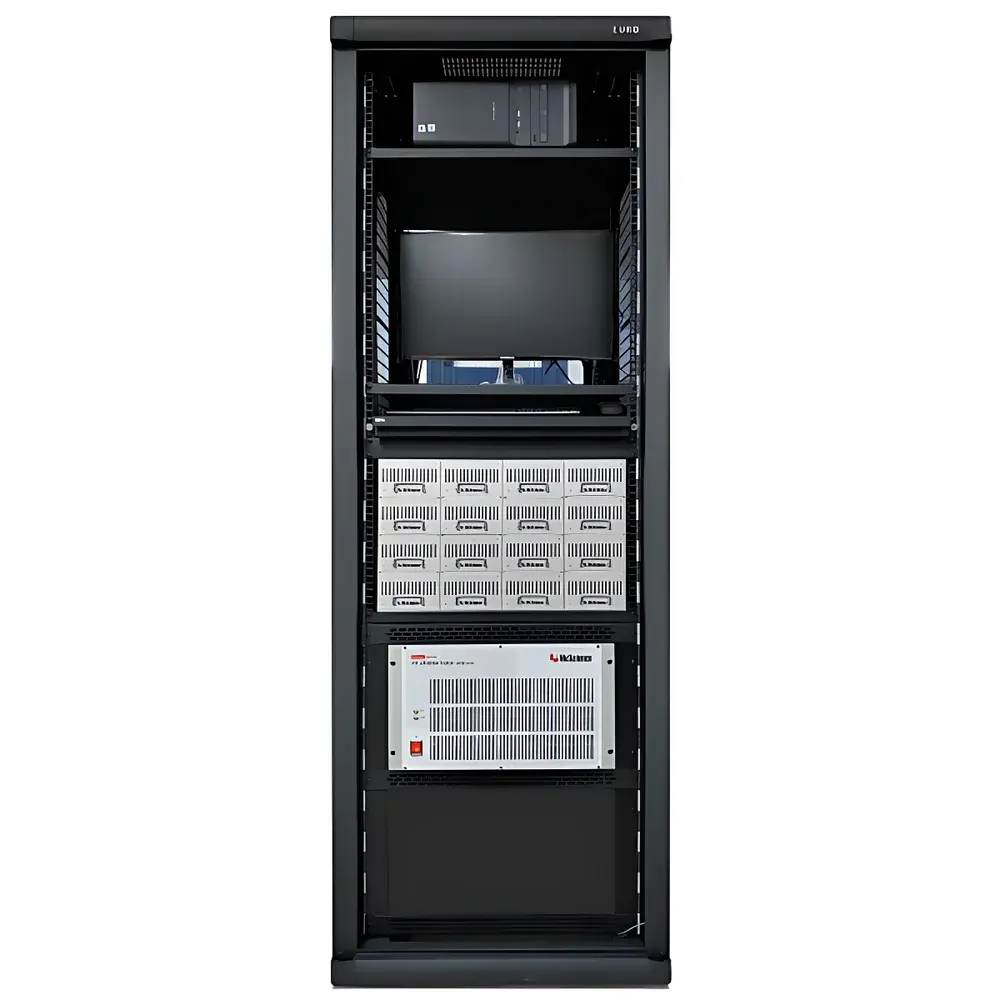
OPD-LT Multi-Channel Organic Photodetector Lifetime Testing System by McScience
| Brand | McScience |
|---|---|
| Origin | South Korea |
| Model | OPD-LT |
| Channel Configuration | Multi-channel (configurable) |
| Spectral Range Options | UV to IR (200–1700 nm, selectable modules) |
| Compliance | ISO/IEC 17025-compatible test environment support |
| Software Control | PC-based with timestamped event logging and real-time degradation trend analysis |
| Operating Mode | Constant-bias or pulsed-bias stress testing under controlled ambient (N₂ glovebox or environmental chamber integration optional) |
Overview
The OPD-LT Multi-Channel Organic Photodetector Lifetime Testing System is an engineered platform designed for accelerated operational stability assessment of next-generation photodetectors based on organic semiconductors, metal-halide perovskites, and two-dimensional (2D) layered materials. It operates on the principle of controlled electrical and optical stress application while continuously monitoring key photoelectrical parameters—including photocurrent decay, dark current drift, responsivity loss, and noise spectral density evolution—under defined bias conditions and illumination profiles. Unlike generic aging chambers, the OPD-LT integrates synchronized multi-channel data acquisition with spectral flexibility, enabling comparative lifetime benchmarking across material systems and device architectures under standardized test protocols aligned with IEC 61215 (for photovoltaic relevance), ISO 13406-2 (for display-related optoelectronics), and emerging consensus frameworks for perovskite optoelectronics (e.g., NREL’s Stability Protocol v2.0). The system supports both shelf-life evaluation (dark storage) and operational lifetime quantification (under continuous or cyclic illumination at specified irradiance levels).
Key Features
- Multi-channel architecture enables parallel lifetime testing of up to 16 devices per configuration, significantly improving statistical robustness and throughput for R&D labs and process qualification teams.
- Modular light-source integration supports interchangeable LED or laser diode modules covering UV (200–400 nm), visible (400–700 nm), NIR (700–1100 nm), and short-wave IR (1100–1700 nm) bands—each calibrated traceably to NIST standards.
- Programmable bias control: DC bias from −10 V to +10 V (±0.1% accuracy), pulsed bias (1 µs–10 s pulse width, 0.1–100 kHz frequency), and zero-bias open-circuit monitoring modes.
- Real-time parameter tracking includes normalized photocurrent (Iph/I0), dark current (Idark), specific detectivity (D*), rise/fall time stability, and noise-equivalent power (NEP) drift—calculated in situ using embedded signal processing algorithms.
- Ruggedized front-end electronics with 24-bit ADC resolution, galvanic isolation between channels, and ESD-protected input stages ensure long-term measurement fidelity in low-current regimes (fA to µA range).
- Glovebox-compatible mechanical design (optional N₂-purged enclosure interface) maintains <1 ppm O₂/H₂O during testing—critical for air-sensitive perovskite and organic semiconductor devices.
Sample Compatibility & Compliance
The OPD-LT accommodates standard photodetector formats including chip-scale dies (1 × 1 mm to 5 × 5 mm), TO-can packages, and glass-substrate thin-film devices with probe-pad or wire-bond interfaces. It supports industry-standard probe station integration (e.g., Cascade Microtech, MPI) for wafer-level preliminary screening. All test sequences can be configured to comply with GLP documentation requirements, including audit-trail-enabled user authentication, electronic signatures, and immutable raw-data archiving. Data export formats include CSV, HDF5, and .tdms—compatible with MATLAB, Python (NumPy/Pandas), and LabVIEW environments. The system architecture adheres to principles outlined in FDA 21 CFR Part 11 for electronic records and signatures where deployed in regulated development workflows.
Software & Data Management
McScience’s LT-Control Suite provides a deterministic, scriptable interface for defining multi-step stress protocols (e.g., “1 h UV exposure @ 100 mW/cm² → 30 min dark recovery → repeat for 500 cycles”). Each channel logs timestamped voltage, current, illumination intensity, temperature, and humidity (when environmental sensors are connected) at user-defined intervals (100 ms to 10 min resolution). Degradation kinetics are modeled in real time using first-order, stretched-exponential, or Arrhenius-accelerated failure models. Reports generate T80, T90, and failure rate (FIT) metrics with confidence intervals per IEC 61508 Annex B methodology. Raw datasets are stored with SHA-256 checksums to ensure data integrity across archival and transfer operations.
Applications
- Accelerated lifetime validation of solution-processed OPDs for biomedical imaging and wearable health sensors.
- Comparative stability ranking of mixed-cation perovskite photodiodes under varying spectral stress loads.
- Interface engineering evaluation—e.g., impact of hole-transport layer (HTL) composition on operational drift in 2D MoS₂/WSe₂ heterostructure detectors.
- Process window qualification for roll-to-roll printed organic photodetectors in industrial pilot lines.
- Failure mode analysis via in-situ impedance spectroscopy add-on (optional module) to correlate interfacial trap generation with responsivity decay.
FAQ
What illumination uniformity is guaranteed across the sample stage?
Illumination uniformity exceeds ±3% over a 10 mm × 10 mm active area when using collimated LED modules; certified via NIST-traceable spatial radiance mapping.
Can the system perform simultaneous electrical and optical stress?
Yes—bias voltage, illumination intensity, and duty cycle are independently programmable per channel, enabling combined electro-optical stress protocols.
Is remote monitoring supported?
The LT-Control Suite includes secure TLS-encrypted WebSocket API access, allowing real-time dashboard viewing and protocol updates from off-site locations without compromising local data sovereignty.
How is calibration maintained over extended operation?
Each light module includes integrated photodiode reference sensors with auto-compensation routines; full-system calibration certificates (per ISO/IEC 17025) are issued annually or after hardware service events.
Does the system support custom test sequence scripting?
Yes—Python-based scripting interface (via PyLT SDK) allows users to define conditional logic, external sensor triggers, and dynamic parameter adjustments during runtime.