
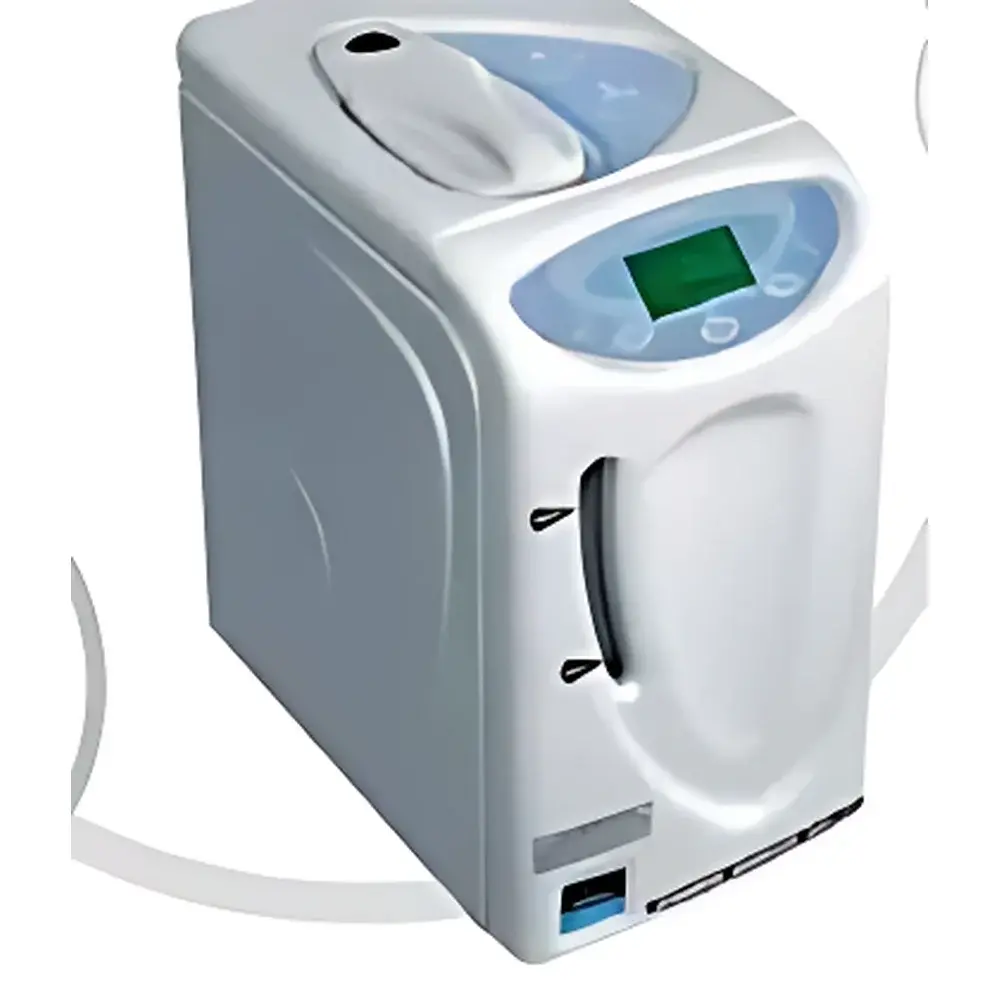
PerkinElmer PGX-H2 Proton Exchange Membrane Hydrogen Generator
| Brand | PerkinElmer |
|---|---|
| Origin | USA |
| Model | PGX-H2 |
| Hydrogen Generation Principle | Proton Exchange Membrane (PEM) Electrolysis |
| Output Flow Rate | 100–500 mL/min (selectable by configuration) |
| Output Pressure | Up to 100 psig (7 barg) |
| Hydrogen Purity | ≥99.9999% (v/v) |
| Power Consumption | 100 W (typical at 100 mL/min output) |
| Compliance | CE, UL Listed, RoHS Compliant |
| Dimensions (H×W×D) | 34 cm × 24 cm × 48 cm |
| Weight | 12.5 kg |
| Cooling | Air-cooled, fan-assisted thermal management |
| Water Reservoir Capacity | 2.5 L integrated deionized water tank |
| Optional Accessories | Desiccant trap (N9306064), refill desiccant kit (N9306065), DI water bag (N9307097) |
Overview
The PerkinElmer PGX-H2 is a compact, benchtop proton exchange membrane (PEM) hydrogen generator engineered for continuous, on-demand production of ultra-high-purity hydrogen gas in analytical laboratory environments. Unlike traditional cylinder-based supply systems, the PGX-H2 employs solid polymer electrolyte (SPE) electrochemical technology to split deionized water into high-purity H₂ and O₂ gases—retaining only the hydrogen stream while venting oxygen safely. This closed-loop, membrane-based process eliminates reliance on external gas cylinders, reduces safety hazards associated with high-pressure storage, and ensures consistent delivery of hydrogen at ≥99.9999% purity—meeting stringent requirements for carrier gas applications in gas chromatography (GC), flame ionization detection (FID), and hydrogenation reactors. Its modular design integrates seamlessly into existing lab infrastructure, supporting both standalone operation and OEM integration into automated analytical platforms.
Key Features
- Proton exchange membrane (PEM) electrolysis core delivering stable, pulse-free hydrogen output with no moving parts in the reaction chamber
- Digitally controlled flow regulation across four standard configurations: 100, 250, 500 mL/min nominal output—each factory-calibrated and traceable to NIST standards
- Integrated dual-stage purification: catalytic recombination of residual oxygen followed by molecular sieve desiccant trapping (optional N9306064/N9306065)
- Real-time pressure monitoring and automatic overpressure shutdown (setpoint: 100 psig / 7 barg) compliant with ASME B31.3 process piping safety guidelines
- Low-power operation (100 W typical at 100 mL/min), optimized for energy efficiency without compromising flow stability or purity consistency
- Self-diagnostic firmware with LED status indicators and audible alerts for low water level, desiccant saturation, or membrane performance drift
- UL 61010-1 and IEC 61000-6-3 certified for electromagnetic compatibility and electrical safety in laboratory settings
Sample Compatibility & Compliance
The PGX-H2 is designed exclusively for use with Type I ultrapure water (resistivity ≥18.2 MΩ·cm, TOC 1 ppm total dissolved solids (TDS). The system complies with ISO 8573-1:2010 Class 1 compressed gas purity specifications for particulates, moisture, and oil content, and meets ASTM D6299 requirements for GC carrier gas qualification. All firmware and hardware revisions are documented under PerkinElmer’s Quality Management System (QMS), aligned with ISO 9001:2015 and supporting GLP/GMP audit readiness—including full electronic log retention for maintenance events, calibration history, and operational parameters.
Software & Data Management
While the PGX-H2 operates as a stand-alone instrument with intuitive front-panel controls, it supports optional RS-232/USB digital interface for remote monitoring and integration into laboratory information management systems (LIMS). Logged data—including cumulative runtime, total H₂ volume generated, power consumption trends, and alarm event timestamps—is stored internally for up to 30 days and exportable in CSV format. Firmware updates are delivered via secure PerkinElmer service portal and require authenticated access, ensuring compliance with FDA 21 CFR Part 11 requirements for electronic records and signatures when deployed in regulated QC/QA environments.
Applications
- Carrier and fuel gas for capillary and packed-column gas chromatography (GC/FID, GC/TCD)
- Reducing atmosphere generation for thermal desorption units and purge-and-trap systems
- Hydrogen supply for benchtop catalytic hydrogenation reactors requiring precise stoichiometric control
- Calibration gas source for hydrogen sensors and leak detection instrumentation
- Backup or primary H₂ source in ISO/IEC 17025-accredited testing laboratories seeking metrological traceability and reduced cylinder logistics
FAQ
What water quality is required for optimal PGX-H2 performance?
Type I ultrapure water (ASTM D1193, ISO 3696) with resistivity ≥18.2 MΩ·cm and TOC <5 ppb is mandatory. Use of lower-grade water will accelerate PEM membrane degradation and void warranty.
Can the PGX-H2 be operated continuously for 24/7 applications?
Yes—the system is rated for uninterrupted operation up to 8,760 hours/year with scheduled maintenance every 6 months or after 2,000 hours of runtime, whichever occurs first.
Is the oxygen byproduct vented safely?
Oxygen generated during electrolysis is diluted with ambient air and exhausted through a dedicated vent line; installation must comply with local ventilation codes and maintain minimum 10 air changes per hour in the enclosure space.
How often must the desiccant trap be replaced?
Under typical lab conditions (25°C, 50% RH), the N9306064 desiccant trap requires replacement every 6 months or after processing 2,500 L of H₂—whichever comes first—as indicated by the onboard saturation sensor.
Does the PGX-H2 support regulatory audit trails for GxP environments?
Yes—when configured with optional connectivity and PerkinElmer’s validated software package, it provides full electronic audit trail functionality meeting FDA 21 CFR Part 11 and EU Annex 11 requirements.



