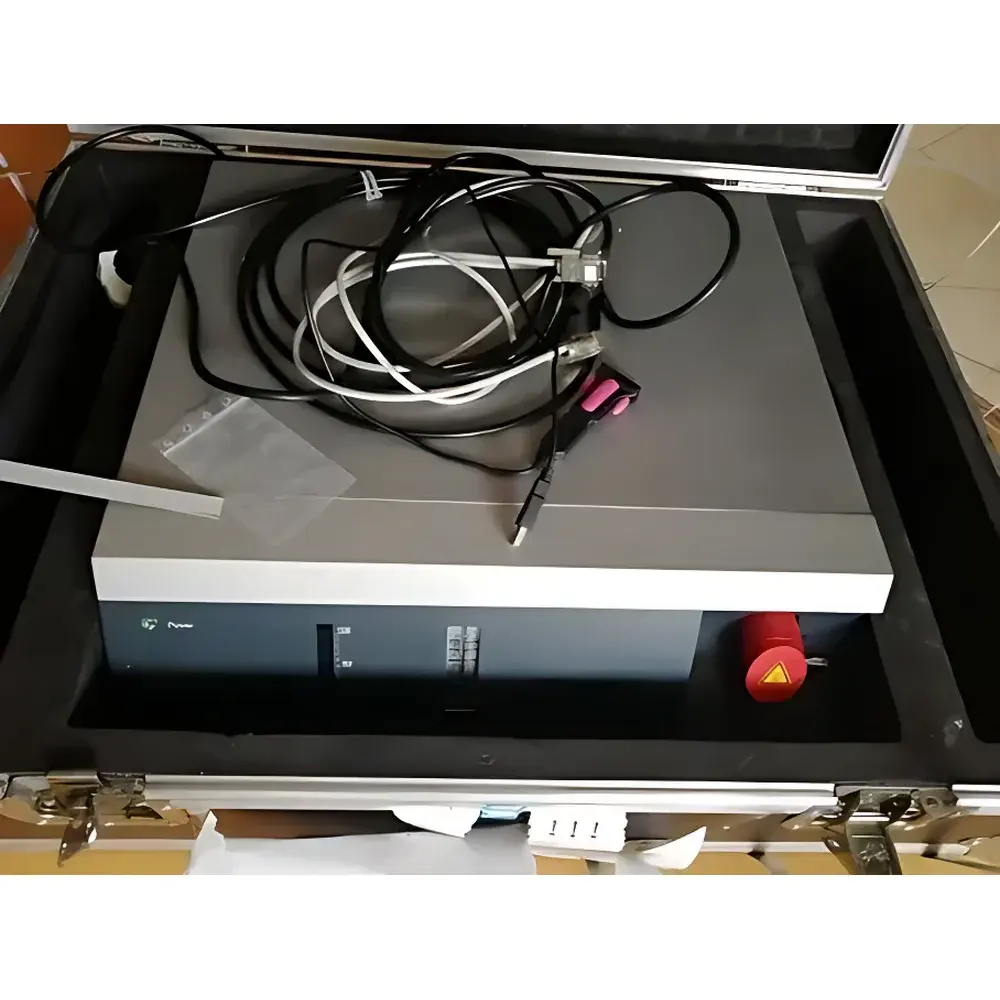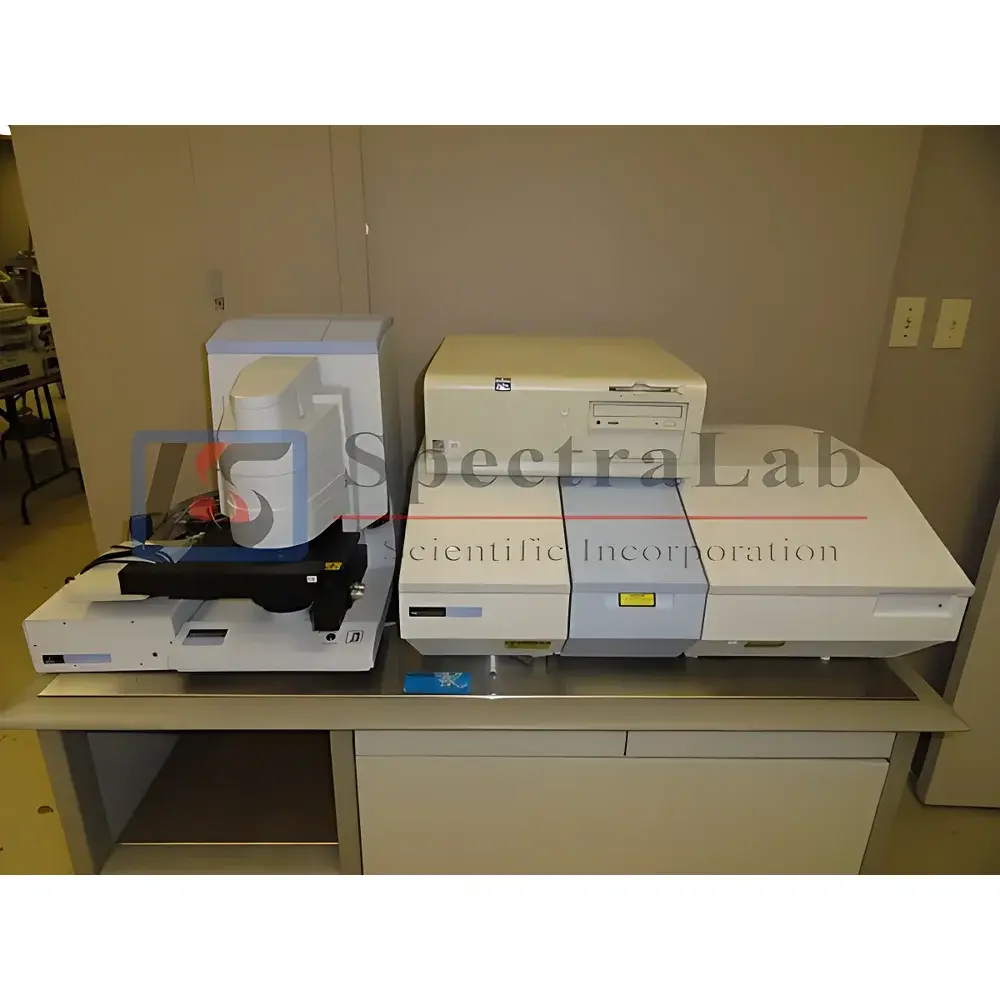
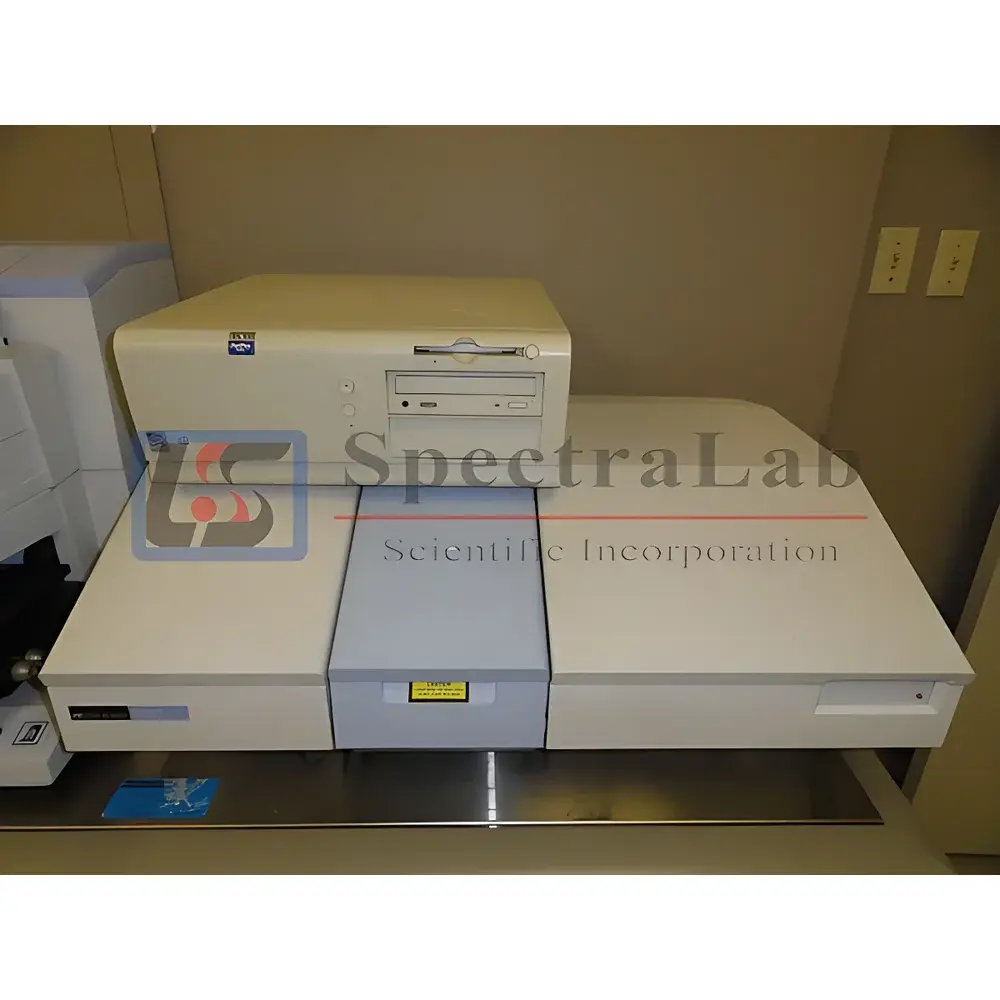
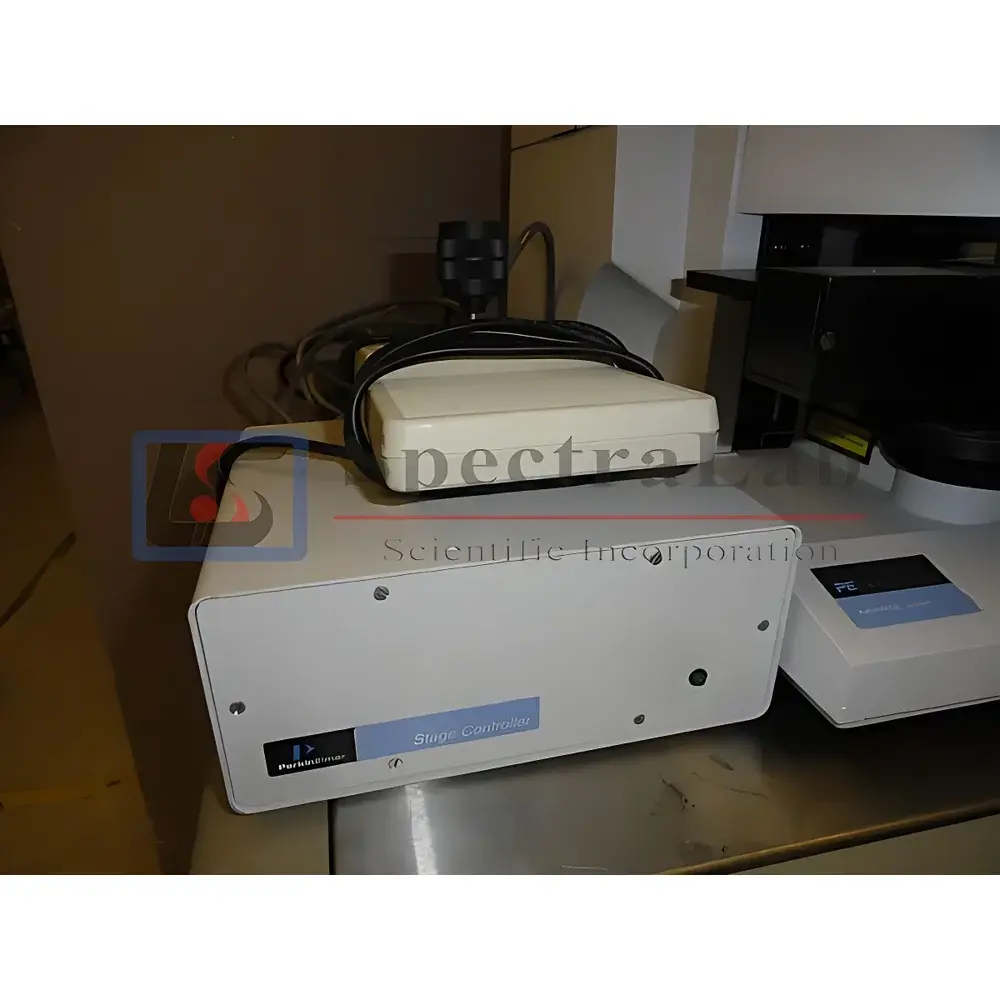
PerkinElmer Spectrum BX / 16PC / Paragon 500 / Paragon 1000 / RX-I FTIR Spectrometer (Refurbished)
| Brand | PerkinElmer |
|---|---|
| Origin | USA |
| Instrument Type | Fourier Transform Infrared (FTIR) Spectrometer |
| Model Variants | Spectrum BX, 16PC, Paragon 500, Paragon 1000, RX-I (RX-1) |
| Age | 3–4 years |
| Warranty | 6 months |
| Compliance | Fully refurbished and performance-verified per ISO/IEC 17025-aligned protocols |
| Software | Original PerkinElmer Spectrum v10.x or earlier (license-transferable) |
| Detector | DTGS or MCT (model-dependent) |
| Spectral Range | 4000–400 cm⁻¹ (standard) |
| Resolution | ≤4 cm⁻¹ (configurable to 0.5 cm⁻¹ on Paragon & RX-I platforms) |
| Beam Splitter | KBr or ZnSe (model-specific) |
| Interferometer | Michelson-type with He–Ne laser reference |
| Data Format | .spc, .csv, .jdx |
Overview
The PerkinElmer Spectrum BX, 16PC, Paragon 500, Paragon 1000, and RX-I series are benchtop Fourier Transform Infrared (FTIR) spectrometers engineered for high-fidelity molecular fingerprinting across academic, industrial QC, and regulatory-compliant laboratories. Each system operates on the Michelson interferometer principle, using a stabilized helium–neon laser for precise optical path difference calibration and real-time wavenumber accuracy. These instruments deliver quantitative and qualitative analysis of organic functional groups, polymer composition, pharmaceutical excipients, and inorganic surface species via absorption, transmission, ATR, and reflectance modes. All units offered are certified pre-owned systems—fully refurbished by SpectraLab Scientific’s ISO/IEC 17025-aligned technical team—including optical alignment verification, detector response validation, and interferometer stability testing. Units retain original PerkinElmer mechanical architecture and firmware compatibility, enabling seamless integration into legacy workflows and compliance-driven environments.
Key Features
- Factory-calibrated Michelson interferometer with active He–Ne laser referencing for long-term wavenumber reproducibility (±0.01 cm⁻¹ drift over 8-hour operation)
- DTGS (deuterated triglycine sulfate) or liquid-nitrogen-cooled MCT (mercury cadmium telluride) detectors—selected per model and application requirement
- Standard spectral range of 4000–400 cm⁻¹; extended range options available (e.g., 7800–350 cm⁻¹ on Paragon 1000 with CaF₂ optics)
- Resolution configurable from 0.5 cm⁻¹ (Paragon/RX-I) to 4 cm⁻¹ (Spectrum BX/16PC), supporting both routine screening and high-resolution spectral deconvolution
- Integrated sample compartments compatible with standard 13 mm KBr pellets, liquid cells (0.1–100 µm pathlength), and universal ATR accessories (ZnSe, diamond, or Ge crystals)
- Robust optical bench design with sealed, purged optics housing—minimizing atmospheric CO₂/H₂O interference without requiring continuous dry-air purge during short-duration analyses
Sample Compatibility & Compliance
These FTIR systems support solid, liquid, gel, and thin-film samples across diverse preparation methods: transmission (KBr pellet, Nujol mull), attenuated total reflectance (ATR), diffuse reflectance (DRIFTS), and specular reflectance. The Paragon and RX-I platforms include optional automated sampling stages and environmental chambers for temperature-controlled kinetics studies (−10 °C to 150 °C). All refurbished units undergo full functional validation against ASTM E1421 (Standard Practice for Describing and Measuring Performance of FTIR Spectrometers) and meet baseline requirements for USP , EP 2.2.24, and ISO 18389 for spectral data integrity. Audit trails, electronic signatures, and instrument qualification documentation (IQ/OQ) packages are available upon request for GLP/GMP-regulated users.
Software & Data Management
Each system ships with its original PerkinElmer Spectrum software suite (v10.3.x or earlier, depending on model vintage), fully licensed and transferable. Core capabilities include spectral subtraction, baseline correction (Rubberband, Concave Rubberband), peak integration, library searching (Sadtler, Polymer, BioRad), and multivariate analysis (PCA, PLS). Data export supports ASTM E131-compliant formats (.spc, .jdx) and tabular outputs (.csv) for LIMS integration. For regulated environments, optional Spectrum Security Pack enables 21 CFR Part 11 compliance—including role-based access control, electronic signature logging, and immutable audit trails for all acquisition, processing, and reporting events.
Applications
- Pharmaceutical: Identification of API polymorphs, excipient compatibility screening, and cleaning validation residue detection (per ICH Q5A/Q5D)
- Polymers & Composites: Quantitative determination of crystallinity, oxidation index (carbonyl ratio), and copolymer composition via band-ratio analysis
- Forensics & Materials Science: Paint chip layer identification, adhesive formulation reverse engineering, and counterfeit product authentication
- Academic Research: Reaction monitoring (time-resolved FTIR), catalyst surface adsorption studies, and hydrogen-bonding thermodynamics
- Environmental QA/QC: Microplastic identification in water/sediment extracts and VOC sorption isotherm modeling
FAQ
Are these instruments eligible for factory service contracts after purchase?
Yes—PerkinElmer continues to provide hardware support and spare parts for all listed models under their Extended Service Program (ESP), subject to regional availability.
Can I upgrade the detector or add an external beam port post-purchase?
Detector upgrades (e.g., DTGS → MCT) and beam port retrofits are technically feasible on Paragon and RX-I platforms; feasibility must be confirmed via pre-installation mechanical assessment.
Is spectral calibration traceable to NIST standards?
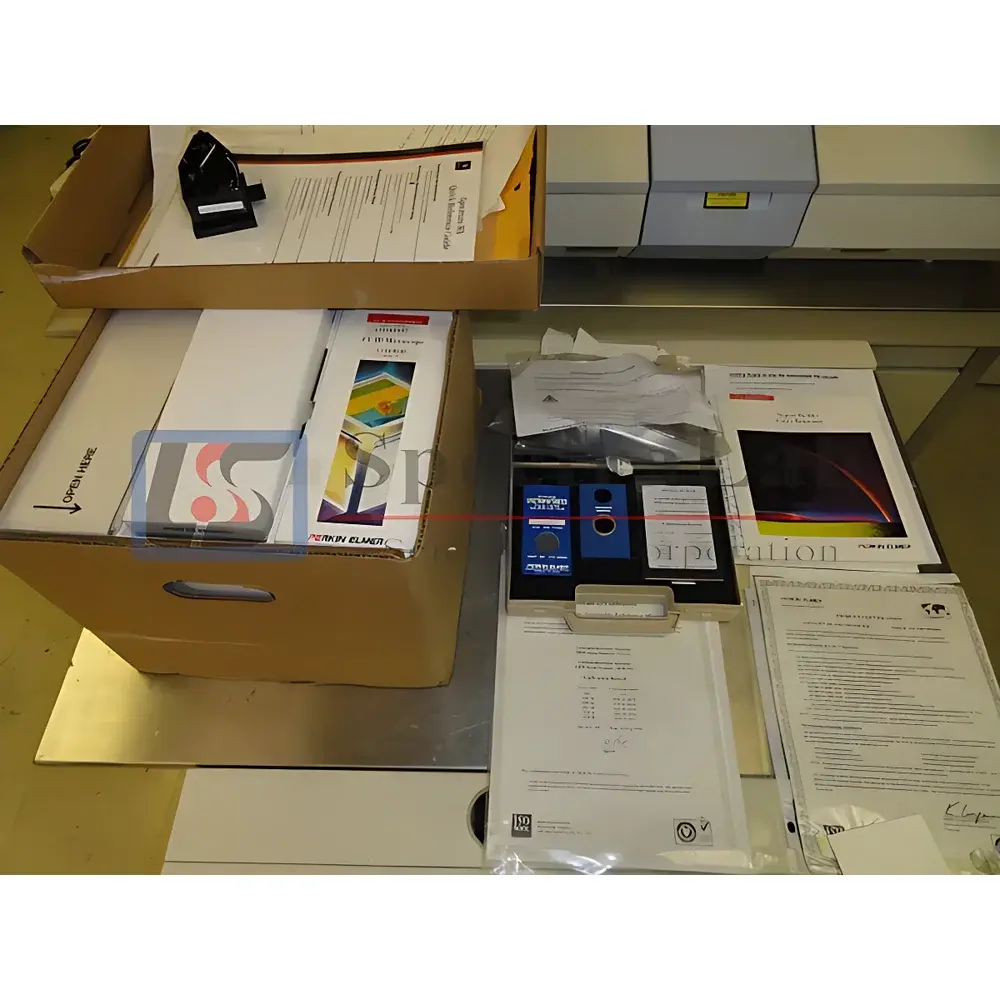
Yes—each unit includes a NIST-traceable polystyrene film validation report generated during final refurbishment testing.
Do you supply instrument qualification documentation (IQ/OQ/PQ)?
Standard IQ/OQ documentation is included; PQ templates and protocol development support are available as a billable service.
What is the expected operational lifetime post-refurbishment?
Based on component-level aging analysis and mean time between failures (MTBF) data, these systems demonstrate >85% reliability at 5 years post-refurbishment under typical lab usage (≤4 hrs/day, controlled ambient conditions).