
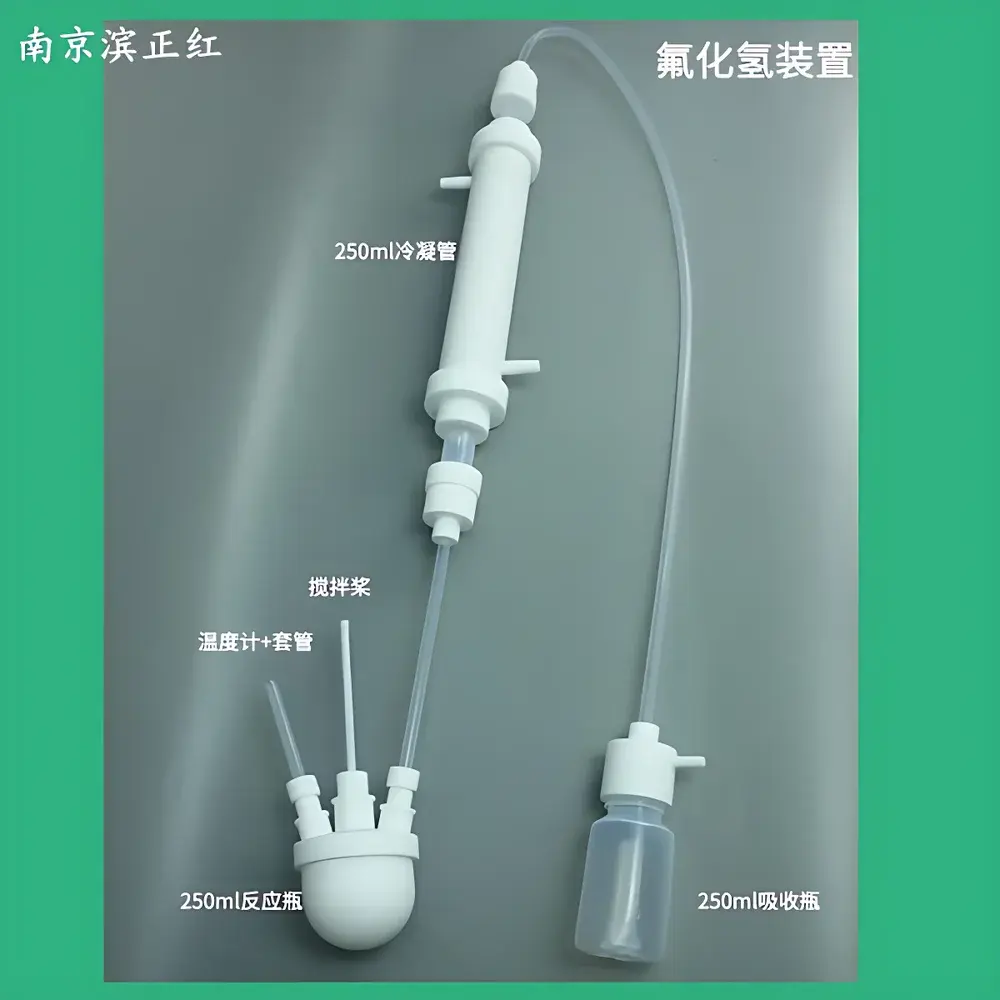
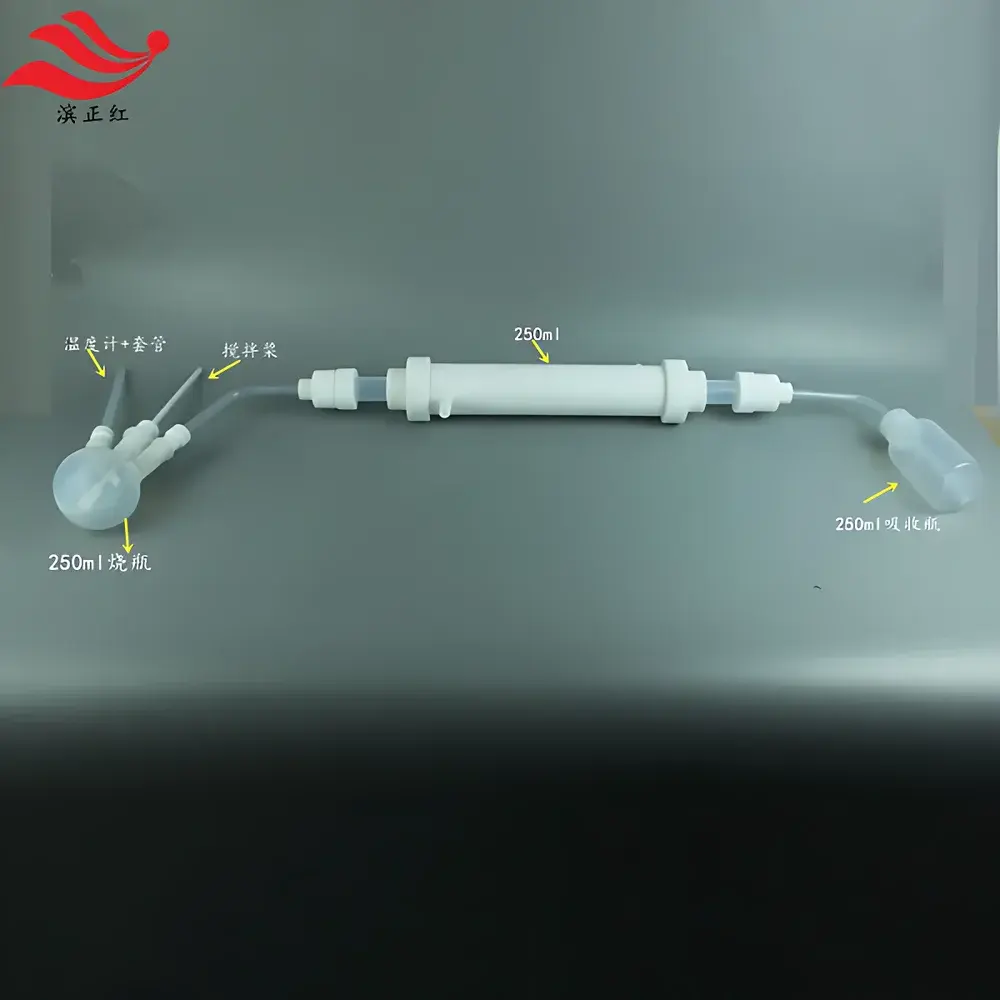
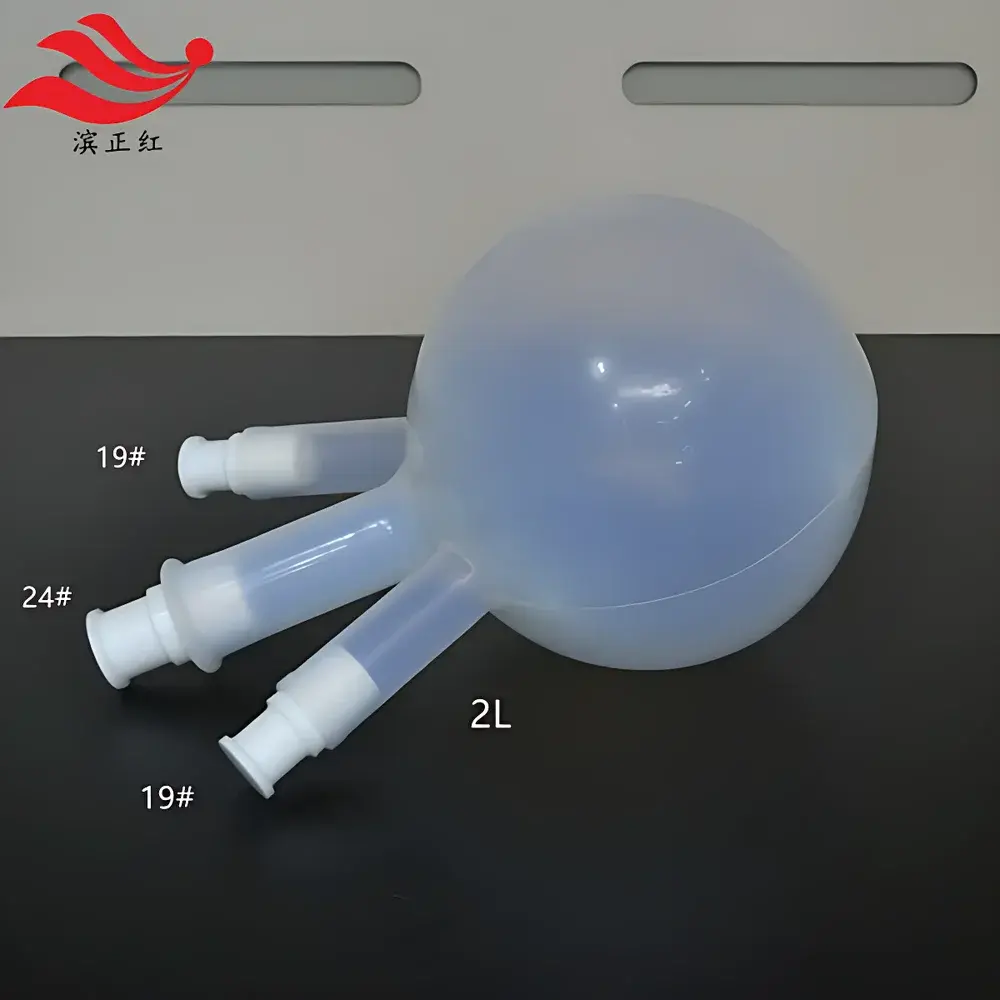
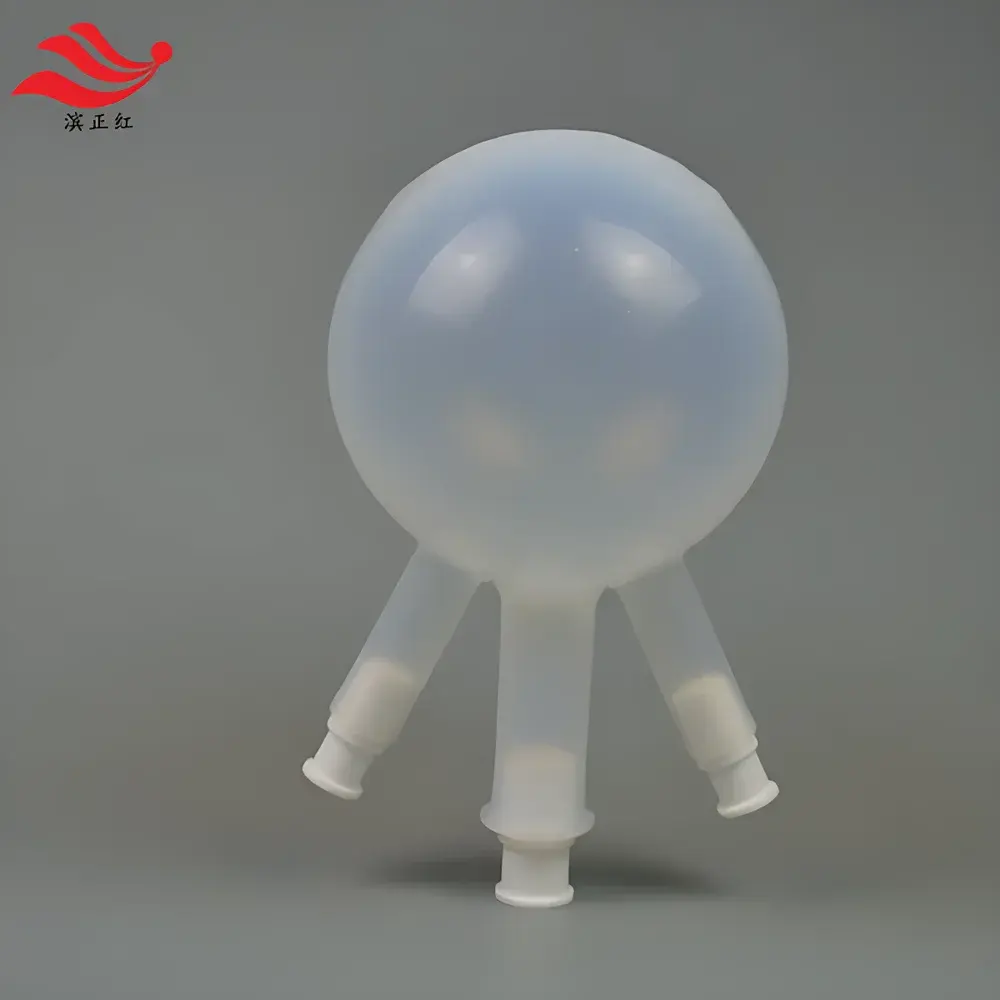
PFA Condensation Unit with Multi-Neck Flask for Hydrogen Fluoride Applications
| Brand | Binzhenghong |
|---|---|
| Model | NJ-PFA-HF |
| Material | Perfluoroalkoxy (PFA) |
| Capacity Options | 250 mL, 500 mL, 1000 mL, 2000 mL |
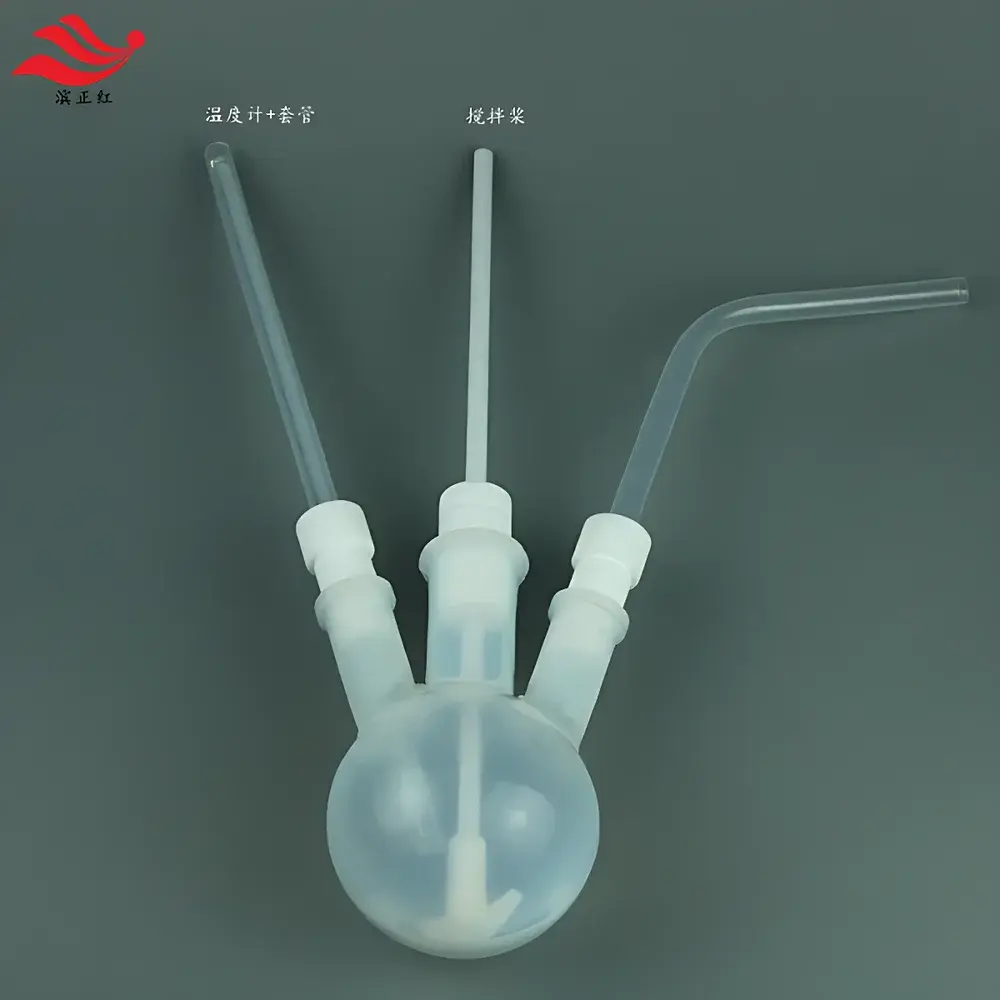
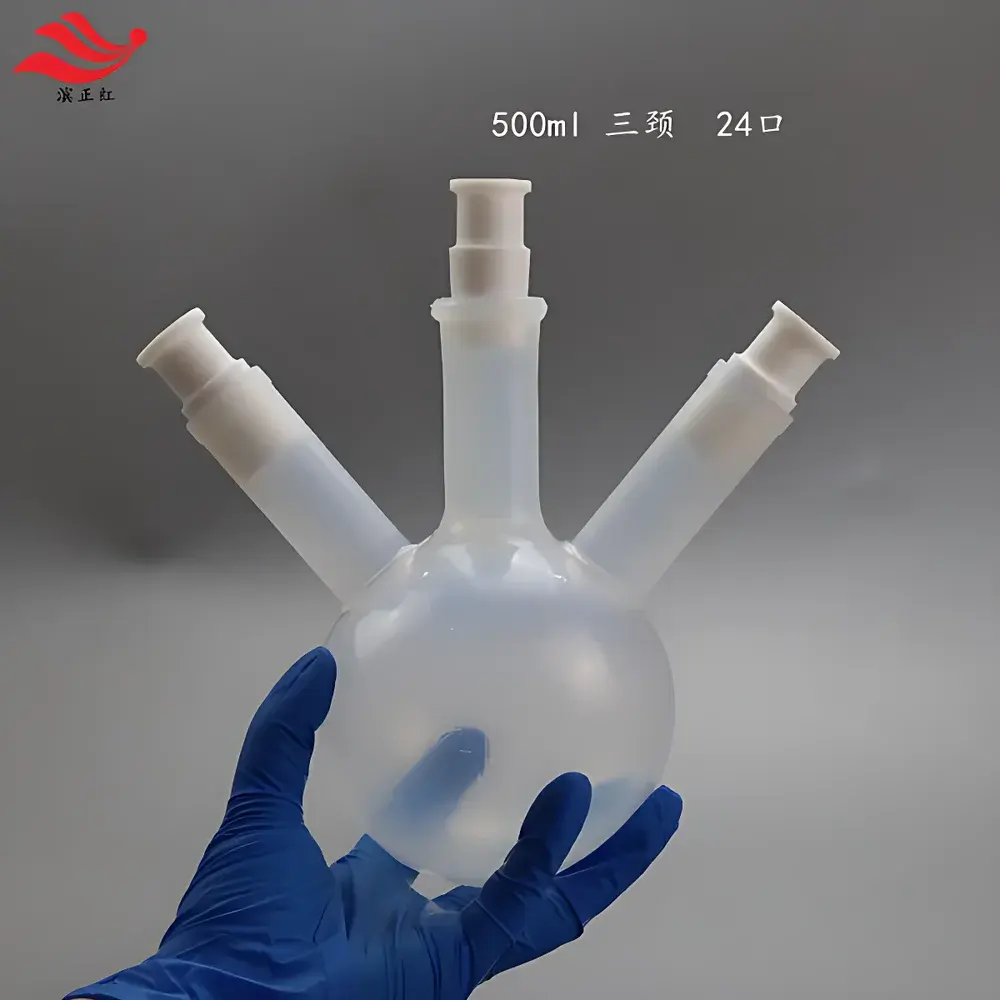
| Construction | Transparent PFA multi-neck round-bottom flask with integrated PFA condenser assembly |
| Application-Specific Design | Optimized for handling anhydrous hydrogen fluoride (HF), fluorinated solvents, and aggressive etchants |
| Compliance | Fully PFA-wetted path |
| Origin | Jiangsu, China |
| Manufacturer | Nanjing Binzhenghong Instrument Co., Ltd. |
| Instrument Type | Fluoropolymer Distillation Apparatus |
Overview
The Binzhenghong NJ-PFA-HF is a fully fluoropolymer-based condensation and distillation system engineered exclusively for ultra-corrosive chemical environments—particularly those involving anhydrous hydrogen fluoride (HF), fluorinated acids (e.g., HF/HNO3 mixtures), molten ammonium bifluoride, and high-purity fluorosolvents such as perfluoroheptane or FC-72. Unlike conventional glass or PTFE-coated apparatuses, this unit features a seamless, transparent PFA (perfluoroalkoxy alkane) construction across all wetted components—including the multi-neck reaction flask, vertical condenser body, condenser coil, and vapor/liquid interfaces—ensuring zero leaching, minimal extractables, and long-term dimensional stability under continuous HF exposure at temperatures up to 260 °C. The design adheres to fundamental principles of fractional distillation and reflux condensation, leveraging PFA’s exceptional chemical inertness, low surface energy, and optical clarity to enable real-time visual monitoring of phase separation, boiling behavior, and condensate return without compromising containment integrity.
Key Features
- Full PFA wetted path: No metallic fittings, glass joints, or elastomeric seals—eliminates corrosion-induced contamination and catastrophic failure risks in HF service.
- Optically transparent structure: Enables direct observation of reaction progress, bubble formation, reflux rate, and phase boundaries during distillation or solvent recovery.
- Modular multi-neck configuration: Standard 3-neck (24/40 × 2, 14/23 center) and optional 5-neck variants support simultaneous integration of thermocouples, addition funnels, gas inlets, vacuum lines, and overhead condensers.
- Integrated PFA condenser: Air-cooled or optional water-jacketed PFA condenser with high-surface-area helical coil geometry ensures efficient vapor condensation even under low-boiling-point HF-rich vapor streams.
- Thermal stability: Rated for continuous operation from –200 °C to +260 °C; compatible with cryogenic HF handling and high-temperature fluorination reactions.
- USP Class VI and FDA-compliant material certification: PFA resin meets ISO 10993-5 cytotoxicity requirements and is suitable for semiconductor-grade reagent purification and analytical reference standard preparation.
Sample Compatibility & Compliance
This apparatus is validated for use with hydrofluoric acid (49% aqueous and anhydrous), fluorosulfuric acid, chlorosulfonic acid, oleum, bromine trifluoride, and other Class 3–4 corrosives per NFPA 704. It conforms to ASTM D4897 (Standard Guide for Selection of Materials for Handling Concentrated Hydrofluoric Acid) and supports GLP-compliant documentation workflows when paired with calibrated temperature and pressure sensors. The absence of silicate-based materials eliminates silicon contamination—a critical requirement for semiconductor wafer cleaning chemistry synthesis and high-purity electrolyte formulation (e.g., LiPF6 in anhydrous HF solvents). All units undergo helium leak testing (<1×10⁻⁹ mbar·L/s) and batch-certified PFA resin traceability reporting.
Software & Data Management
While the NJ-PFA-HF is a passive, non-electronic apparatus, it is routinely deployed within automated distillation platforms compliant with FDA 21 CFR Part 11. When interfaced with third-party temperature controllers (e.g., Eurotherm 3500), pressure transducers (MKS Baratron), and data acquisition systems (LabVIEW or DeltaV), full audit trails—including setpoint logs, ramp profiles, and event timestamps—are maintained for GMP-regulated processes. Optional PFA-compatible RTD probe ports (1/4″ NPT) facilitate integration into closed-loop control architectures for solvent recovery in battery material synthesis labs.
Applications
- Purification of anhydrous HF for semiconductor etching gas precursor synthesis
- Distillation and recovery of fluorinated solvents used in lithium-ion battery electrolyte manufacturing
- Preparation of high-purity metal fluorides (e.g., AlF3, YF3) via HF-mediated precipitation and thermal decomposition
- Safe handling of HF-containing etchants in MEMS and photomask cleaning process development
- Research-scale synthesis of fluorinated pharmaceutical intermediates under inert, moisture-free conditions
- Recycling of spent HF-based cleaning baths in flat-panel display fabrication facilities
FAQ
Can this apparatus be used with hydrochloric or nitric acid?
Yes—though optimized for HF, the PFA construction provides broad resistance to mineral acids, including concentrated HCl and HNO3, up to 200 °C. However, prolonged exposure to hot aqua regia or fuming nitric acid may accelerate surface aging.
Is vacuum distillation supported?
Yes—the PFA flasks and condensers are rated for full vacuum service (≤1 mbar absolute); recommended vacuum interface uses PFA-lined Swagelok VCR fittings or conflat-style PFA gaskets.
What neck sizes are available?
Standard configurations include 24/40 outer diameter joints; custom 14/23, 19/22, and 34/45 joints are available upon request with lead-time adjustment.
How is cleaning performed between runs?
Rinsing with anhydrous methanol followed by high-purity nitrogen purge is standard; for residual HF removal, a final rinse with dry calcium fluoride slurry (in anhydrous acetonitrile) is recommended prior to drying at 120 °C under inert gas.
Does the unit include support stands or clamps?
No—PFA components require chemically resistant, non-metallic support hardware; we recommend polypropylene or PEEK lab stands and PFA-coated stainless steel clamps rated for >250 °C service.



