PFA Digestion Vessels for Geological Sample Preparation – Binzhenghong PFA Beakers (2.5–180 mL)
| Brand | Binzhenghong |
|---|---|
| Origin | Jiangsu, China |
| Manufacturer Type | Manufacturer |
| Origin Category | Domestic |
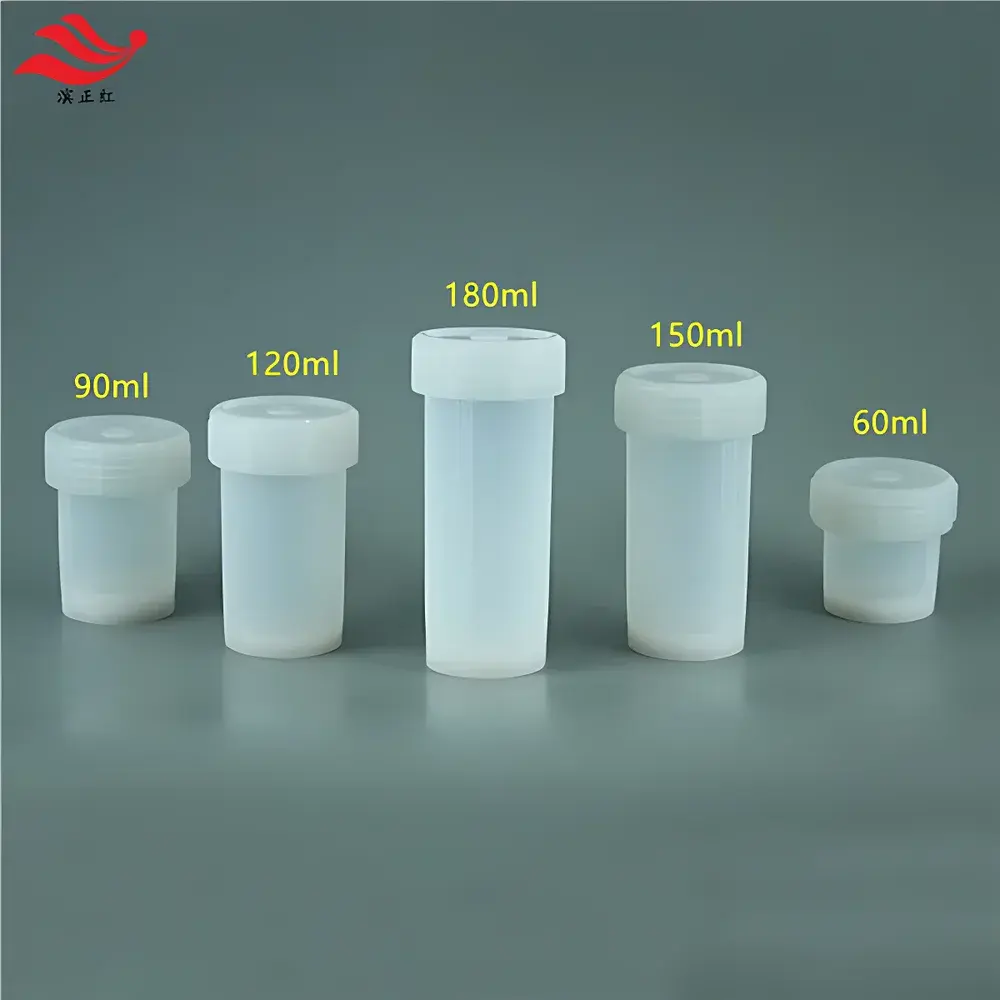
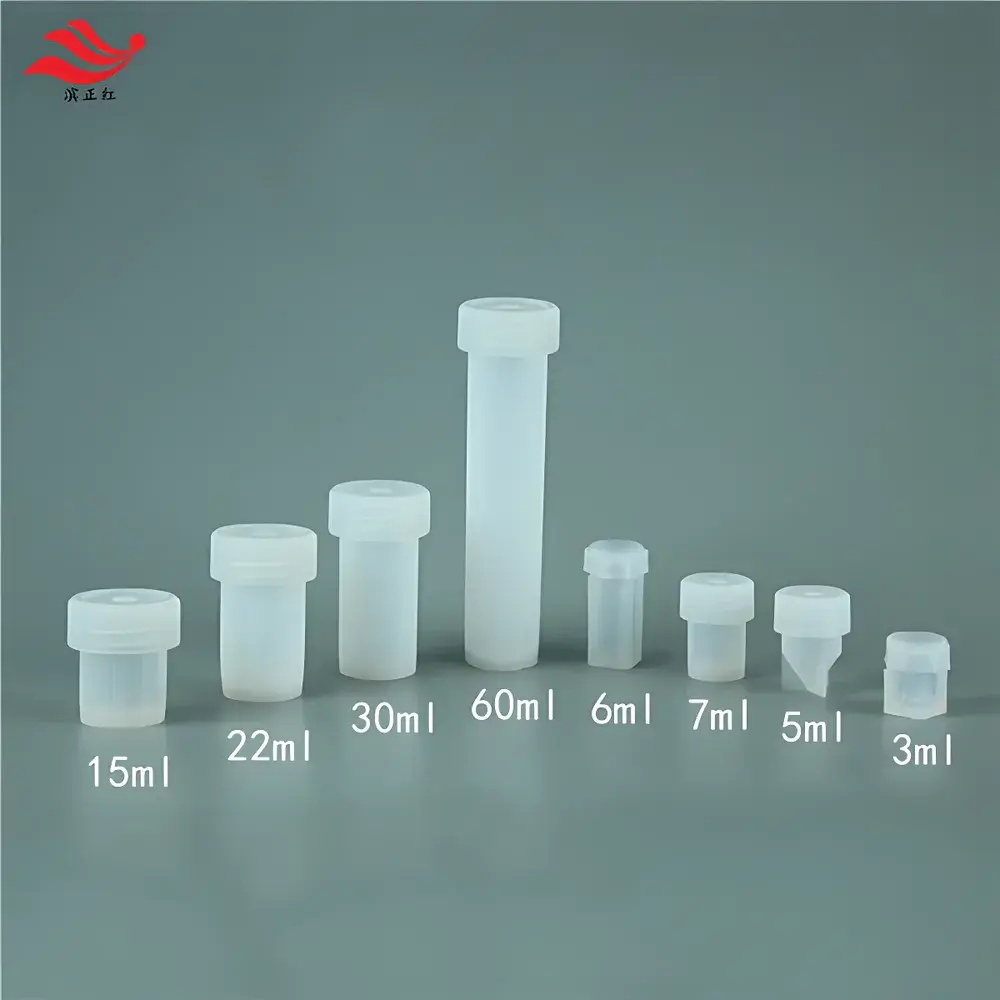
| Volume Range | 2.5–180 mL |
| Material | Perfluoroalkoxy alkane (PFA) |
| Max Operating Temperature | +260 °C |
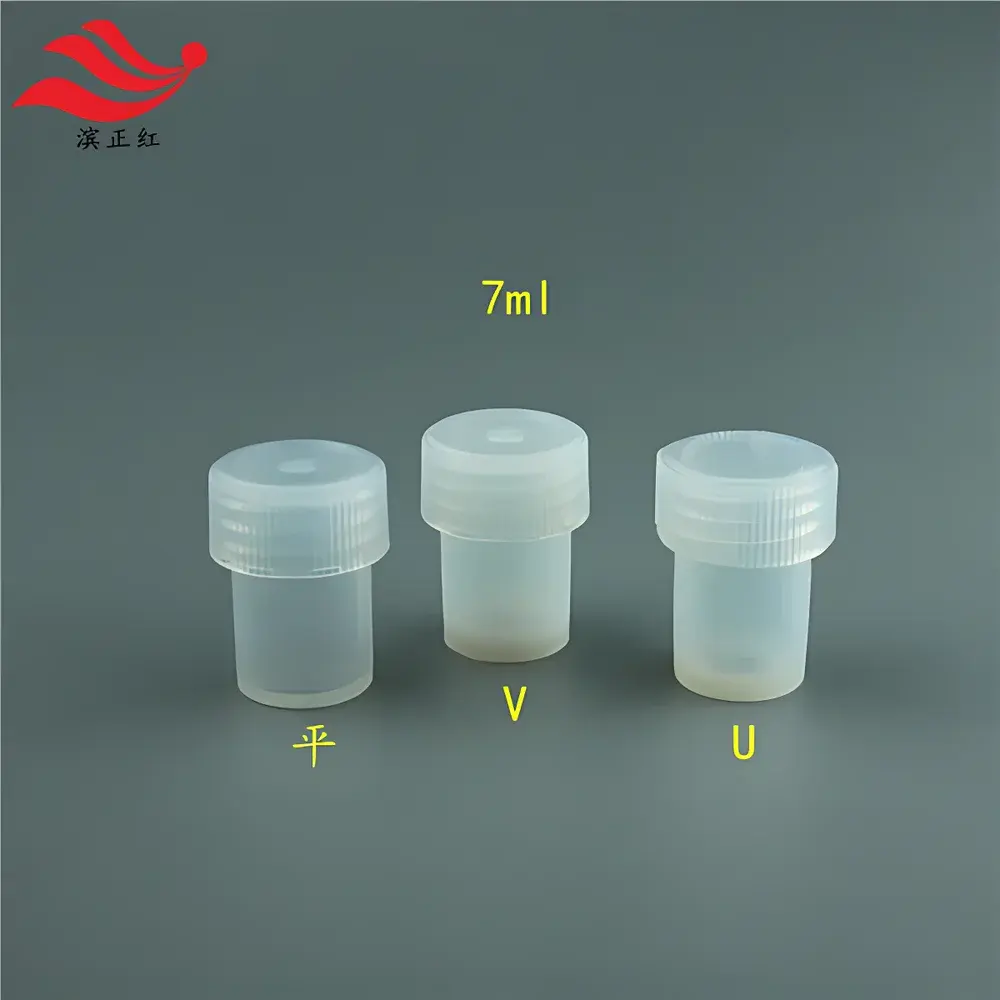
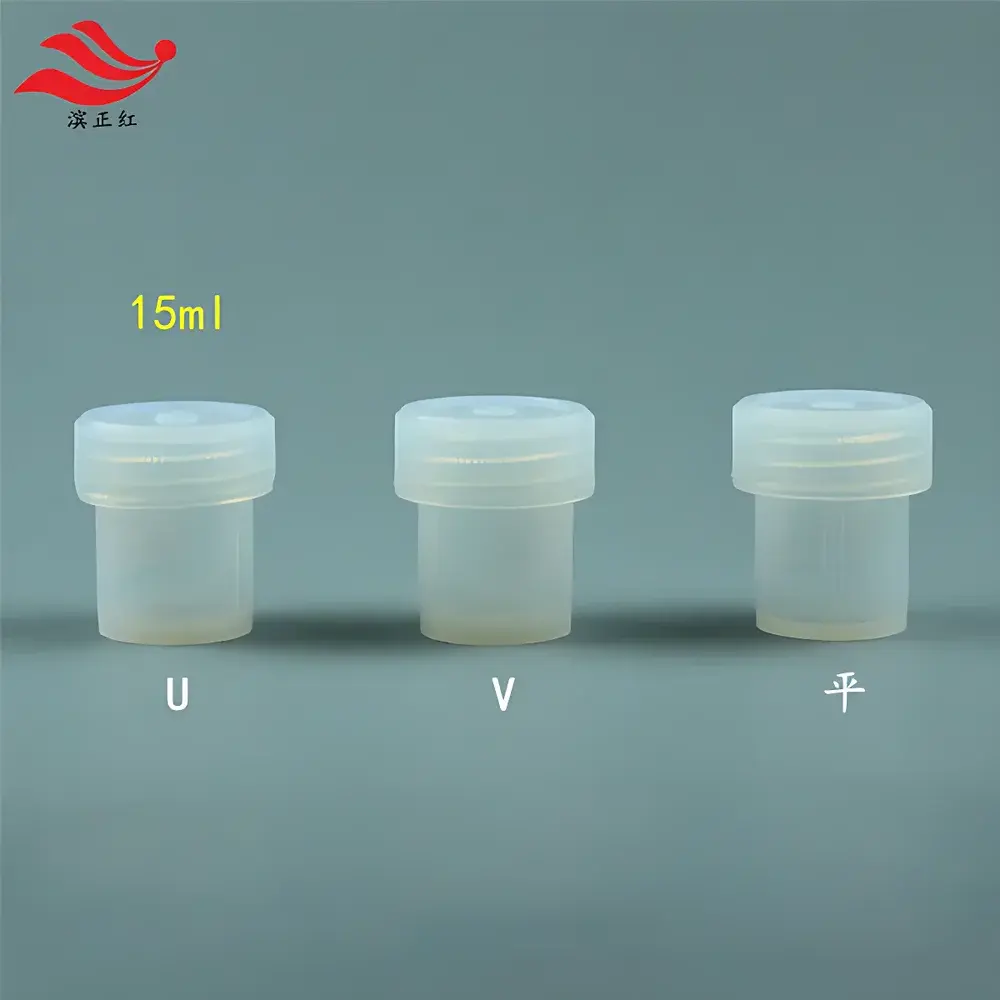
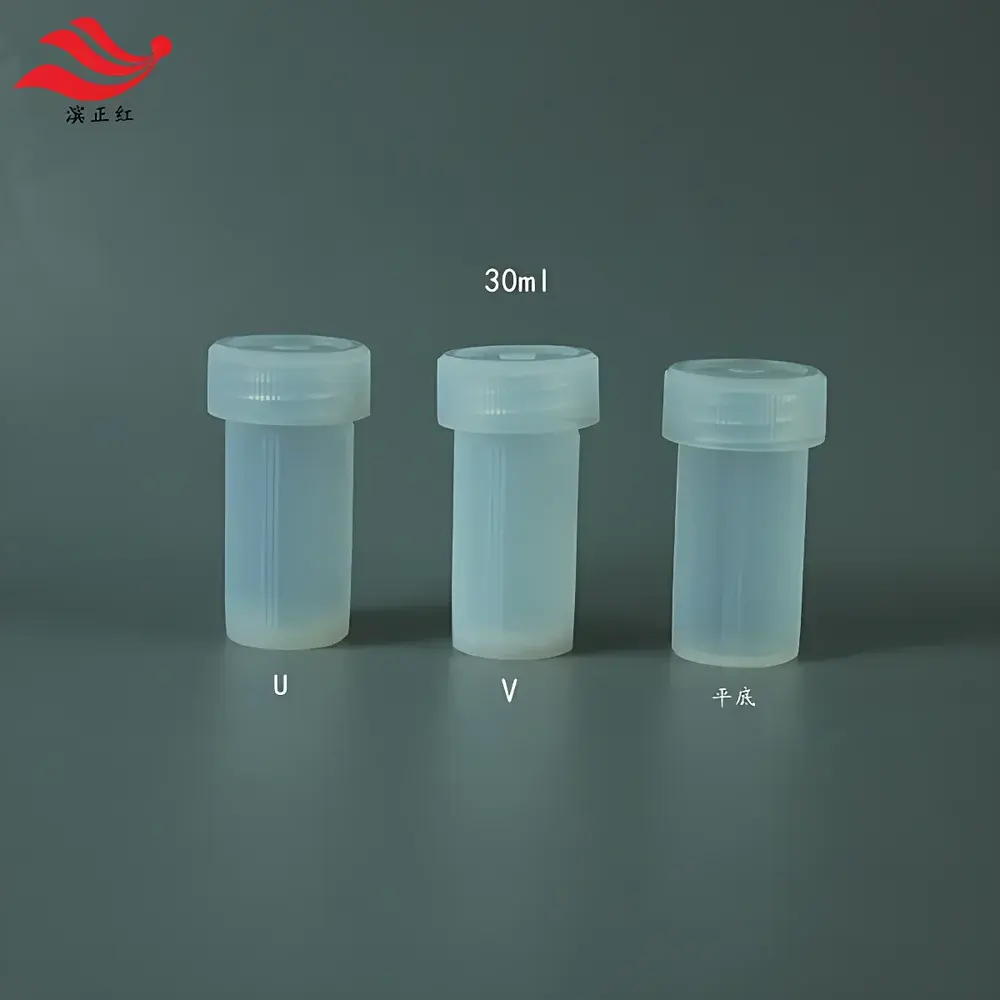
| Bottom Configurations | U-bottom, V-bottom, Flat-bottom |
| Compliance | Suitable for ICP-MS and ICP-OES sample preparation workflows |
Overview
PFA Digestion Vessels for Geological Sample Preparation are high-purity, chemically inert sample containers engineered specifically for trace-level elemental analysis in geoscience laboratories. Constructed from perfluoroalkoxy alkane (PFA), these vessels exhibit exceptional resistance to aggressive reagents—including hydrofluoric acid (HF), aqua regia, and hot concentrated mineral acids—making them indispensable for the complete digestion of silicate-rich geological matrices such as rocks, soils, sediments, and ores. Unlike glass or quartz alternatives, PFA offers near-zero elemental background contamination, critical for sub-ppt detection limits required in modern ICP-MS and ICP-OES applications. The vessels operate reliably within a continuous thermal range of –200 °C to +260 °C, supporting both low-temperature leaching protocols and high-temperature closed-vessel microwave-assisted digestion (when used with compatible instrumentation). Their design conforms to standard laboratory handling practices and integrates seamlessly with electric hot plates, block digesters, and perforated heating blocks.
Key Features
- Ultra-high chemical purity: ASTM D4897-compliant PFA resin with certified low metal extractables (<0.1 pg/g for Al, Fe, Cr, Ni, Cu, Zn, Pb)
- Thermal stability: Continuous service up to +260 °C; fully resistant to thermal shock during rapid cooling or heating cycles
- Three bottom geometries optimized for analytical workflow: U-bottom (enhanced sample recovery & minimal residual volume), V-bottom (ideal for centrifugation and micro-volume transfers), and flat-bottom (stable placement on heating surfaces and automated platforms)
- Dimensional consistency: Tight tolerance control (±0.3 mm diameter, ±0.5 mm height) ensures repeatable sealing performance when used with PTFE-lined caps or pressure-rated closures
- Trace-metal-clean manufacturing: Produced in ISO Class 7 cleanroom environments with dedicated tooling, validated by batch-specific ICP-MS screening reports
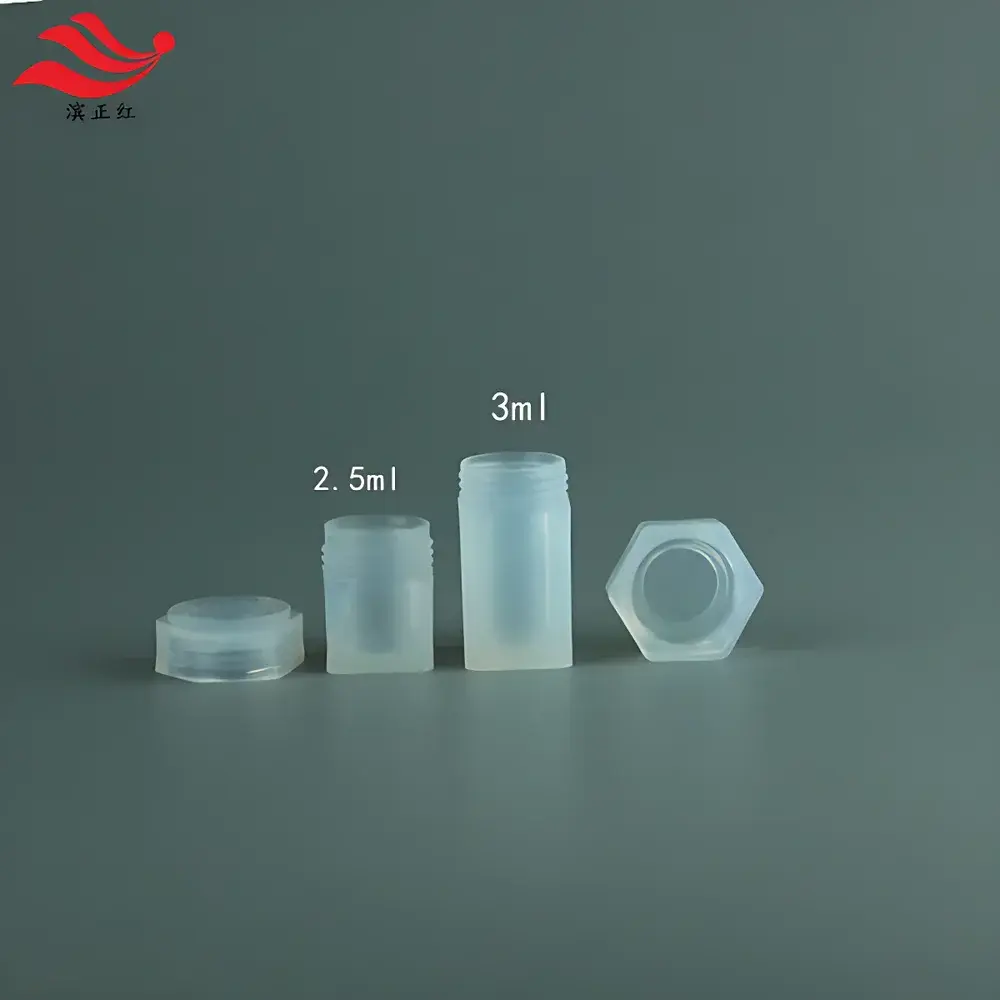
- Scalable volume range: Available from 2.5 mL micro-vials to 180 mL large-capacity digestion beakers—enabling method transfer across research, QA/QC, and routine geochemical labs
Sample Compatibility & Compliance
These PFA vessels are routinely employed in standardized geological digestion procedures including EPA Method 3052 (microwave-assisted acid digestion), ISO 11466 (soil and sediment extraction), and USGS ICP-MS reference protocols. Their inert surface prevents adsorption or leaching of analytes—particularly critical for volatile elements (e.g., As, Se, Sb) and refractory metals (e.g., Zr, Hf, Nb, Ta). All vessels meet ASTM D4897 specifications for fluoropolymer purity and are compatible with GLP-compliant documentation systems. While not individually certified to FDA 21 CFR Part 11, they support audit-ready workflows when paired with validated electronic lab notebooks (ELNs) and instrument data systems that enforce user authentication, change tracking, and electronic signatures.
Software & Data Management
As passive consumables, PFA digestion vessels do not incorporate embedded electronics or firmware. However, their physical traceability is supported through optional laser-engraved lot numbers and QR-coded packaging labels—linking each vessel batch to its full Certificate of Analysis (CoA), including ICP-MS impurity profiles, thermal validation data, and particulate count reports. These identifiers integrate directly into LIMS platforms (e.g., LabWare, STARLIMS) via barcode scanning, enabling full chain-of-custody tracking from raw material receipt through final analytical result reporting. Batch-level CoAs are available in PDF and CSV formats, structured for automated ingestion into quality management systems (QMS) aligned with ISO/IEC 17025 requirements.
Applications
- Digestion of silicate minerals and igneous/metamorphic rock powders prior to multi-element ICP-MS quantification
- Leaching experiments for regulatory compliance (e.g., TCLP, SPLP) under controlled pH and temperature conditions
- Pre-concentration steps in hydrometallurgical process development for rare earth element (REE) recovery
- Low-blank calibration standard preparation and matrix-matched spike solutions
- Long-term storage of digested samples without analyte loss or container-induced contamination
- Use in tandem with graphite furnace AAS for ultra-trace Cd, Pb, and Tl determination in environmental core samples
FAQ
Are these PFA vessels suitable for use in microwave digestion systems?
Yes—provided the system’s maximum operating pressure and temperature limits do not exceed the vessel’s rated specifications (+260 °C, non-pressurized or low-pressure configurations only). They are not designed for high-pressure microwave reactors requiring >10 bar pressure ratings.
Do you provide lot-specific certificates of analysis (CoA)?
Yes—each production lot undergoes full ICP-MS screening for 32 elements and includes a signed CoA with documented detection limits, particulate counts, and thermal cycling validation data.
Can these vessels be sterilized using autoclaving?
No—autoclaving at 121 °C/15 psi exceeds the recommended long-term thermal limit for PFA. Dry heat sterilization at ≤150 °C for ≤2 hours is acceptable for microbiological applications.
What is the expected shelf life of unused PFA vessels?
When stored in original sealed packaging at ambient temperature and protected from UV exposure, shelf life exceeds 10 years with no measurable degradation in chemical or mechanical performance.
Is custom labeling or volume engraving available?
Yes—custom laser marking (including alphanumeric codes, logos, or barcodes) is offered for orders ≥500 units per configuration, subject to engineering review and lead-time adjustment.