
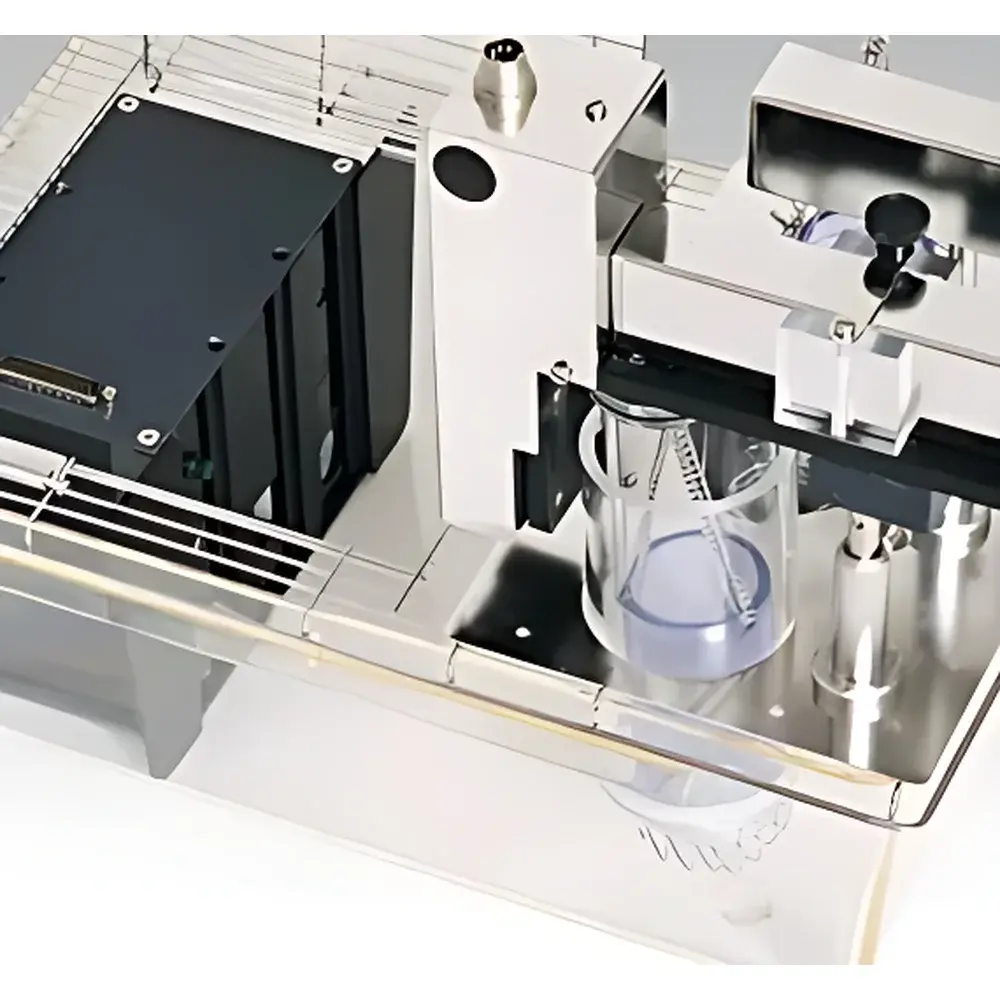
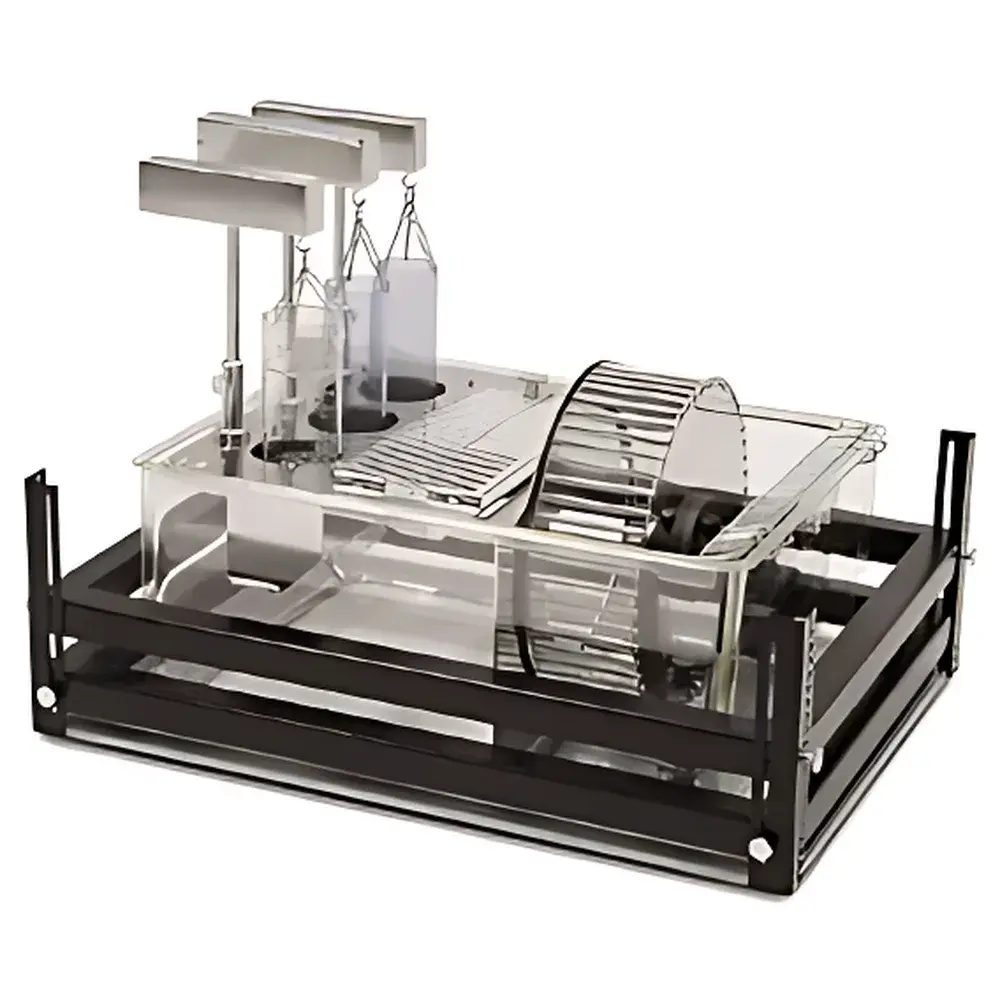
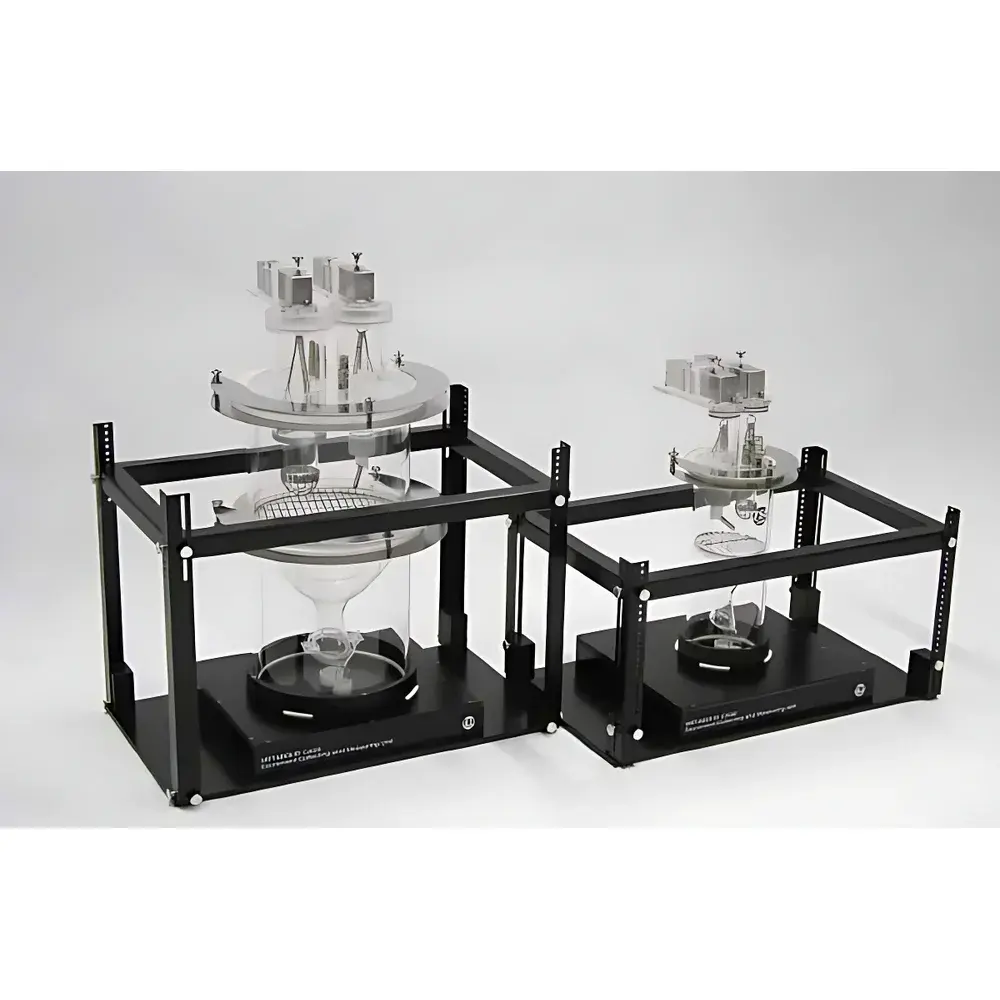
PhenoMaster / LabMaster Metabolic Caging System by TSE Systems
| Brand | TSE Systems |
|---|---|
| Origin | Germany |
| Model | PhenoMaster / LabMaster |
| Cage Type | Modular Indirect Calorimetry & Behavioral Phenotyping System for Small Laboratory Animals |
| Regulatory Compliance | Designed for GLP-compliant metabolic phenotyping studies |
| Software Platform | PhenoMaster/LabMaster v6.x (Windows-based, FDA 21 CFR Part 11–ready audit trail optional) |
| Cage Scalability | Up to 128 cages per controller unit (expandable via networked controllers) |
| Data Export Formats | CSV, HDF5, MATLAB (.mat), SQL-compatible schema |
| Sensor Resolution | Food intake ±0.01 g |
| Urine/Feces Separation | Gravity-based dual-channel collection with load-cell weighing (±0.001 g resolution) |
| RER Calculation | Real-time stoichiometric derivation from VO₂ and VCO₂ (ISO 8573-1 compliant gas analysis calibration protocol supported) |
Overview
The PhenoMaster / LabMaster Metabolic Caging System by TSE Systems is a modular, high-fidelity platform engineered for longitudinal, non-invasive metabolic and behavioral phenotyping of small laboratory animals—including mice, rats, and hamsters—under standardized housing conditions. Built upon indirect calorimetry principles, the system quantifies whole-animal energy metabolism through continuous, parallel measurement of oxygen consumption (VO₂), carbon dioxide production (VCO₂), and respiratory exchange ratio (RER), enabling precise estimation of substrate utilization (carbohydrate vs. lipid oxidation) and energy expenditure (EE). Integrated behavioral modules capture spontaneous locomotor activity, feeding and drinking microstructure (timing, bout duration, inter-bout intervals), voluntary wheel running (with programmable access control), and postural behaviors (rearing, fine movement) via calibrated infrared photobeam arrays. All subsystems operate synchronously under a unified time-stamped data stream, ensuring temporal alignment across physiological and behavioral domains—a critical requirement for circadian rhythm studies, pharmacological challenge models, and genetic screening workflows.
Key Features
- Modular architecture supporting scalable deployment—from single-cage validation setups to fully automated 128-cage metabolic phenotyping cores.
- Simultaneous, independent configuration of each metabolic cage: variable sensor payloads (up to six food/water sensors per cage), customizable light/dark cycle programming, and individualized wheel access scheduling.
- PhenoCage hardware with integrated urine/feces separation: gravity-driven dual-channel collection coupled with high-resolution load cells (±0.001 g) for quantitative excreta mass tracking—enabling longitudinal assessment of renal function, gut motility, and dietary absorption efficiency.
- Real-time RER computation using validated stoichiometric algorithms aligned with ISO 9918 and ASTM E2577 standards for indirect calorimetry instrumentation.
- Low-latency (<10 ms) infrared beam matrix (16 × 16 grid per cage) for spatially resolved activity mapping: total beam breaks, ambulatory distance estimation, rearing frequency, and fine motor activity scoring.
- FDA 21 CFR Part 11–compliant software option with electronic signatures, role-based access control, and immutable audit trails—validated for regulated preclinical studies under GLP or ICH-GCP frameworks.
Sample Compatibility & Compliance
The PhenoMaster / LabMaster system is validated for use with C57BL/6, BALB/c, CD-1, and Sprague-Dawley strains, accommodating body weights from 15 g to 500 g. Housing complies with NIH Guide for Care and Use of Laboratory Animals (2011) and EU Directive 2010/63/EU requirements for environmental enrichment and stress minimization. All airflow, gas sampling, and sensor calibration protocols adhere to ISO/IEC 17025–accredited methodologies. The system supports integration into institutional animal ethics review workflows via standardized SOP templates and metadata-rich experiment logs traceable to individual animal IDs, cage IDs, and operator credentials.
Software & Data Management
The PhenoMaster/LabMaster v6.x software suite provides a unified interface for experimental design, real-time monitoring, automated quality control flagging (e.g., sensor saturation, airflow deviation >±5%), and multi-parametric statistical visualization. Raw data are stored in hierarchical HDF5 files with embedded metadata (MIAME/MINSEQE-compliant). Batch export supports direct ingestion into R (via phenotyper package), Python (Pandas/NumPy), SAS, or commercial biostatistics platforms. Database synchronization enables centralized storage in PostgreSQL or Microsoft SQL Server environments with configurable retention policies and encryption-at-rest (AES-256).
Applications
- Metabolic disease modeling: longitudinal tracking of diet-induced obesity, insulin resistance, and mitochondrial dysfunction.
- Neurobehavioral phenotyping: circadian disruption assays, anxiety- and depression-related behavioral profiling, and psychostimulant response kinetics.
- Toxicology and pharmacokinetic/pharmacodynamic (PK/PD) studies requiring simultaneous metabolic output and behavioral endpoints.
- Genetic screening: high-throughput validation of knockout/knockin models for energy homeostasis, feeding regulation, and activity modulation pathways.
- Nutritional science: macronutrient preference testing, meal pattern analysis, and postprandial metabolic flexibility assessment.
FAQ
What species and weight ranges are supported?
Mice (15–45 g), rats (100–500 g), hamsters, and gerbils—cage configurations and sensor thresholds are adjustable per species-specific physiology.
Can the system integrate with third-party equipment (e.g., EEG, telemetry)?
Yes—via TTL pulse synchronization, TCP/IP API, or analog voltage output interfaces; documented integration protocols available for DSI, Ponemah, and NeuroPort systems.
Is remote monitoring and control possible?
Full remote operation is supported over secure LAN/WAN connections, including live video overlay (optional camera module), real-time dashboards, and automated alerting via email/SNMP.
How is calibration maintained across long-term studies?
Automated daily zero/span checks for gas analyzers; gravimetric verification routines for food/water sensors; NIST-traceable load cell recalibration kits included with annual service contracts.
Does the system support dynamic challenge protocols (e.g., cold exposure, fasting-refeeding)?
Yes—predefined or user-scripted protocol sequences can trigger synchronized changes in ambient temperature, lighting, food access, and wheel availability while preserving full data continuity.
Related Products




