
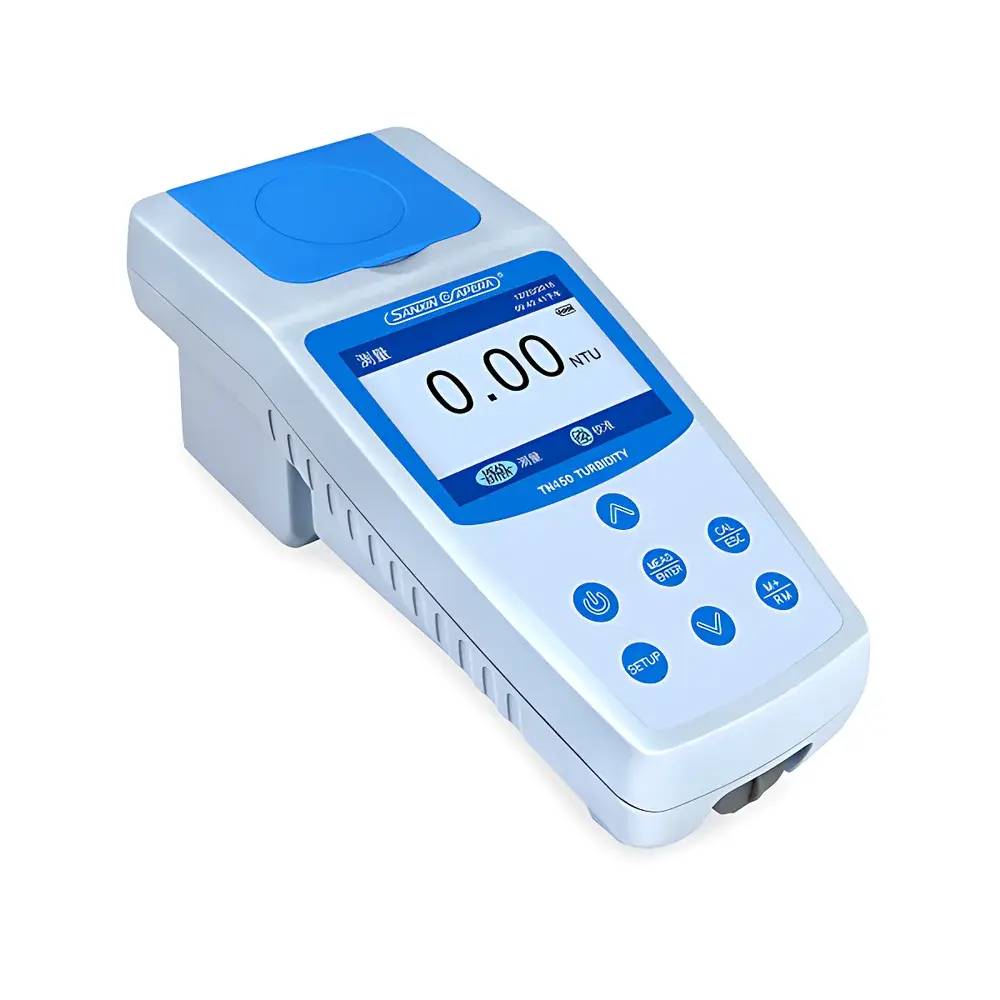
Sanxin TN450 Portable Turbidimeter with 860 nm Red LED Light Source
| Brand | Sanxin |
|---|---|
| Origin | Shanghai, China |
| Manufacturer Type | Direct Manufacturer |
| Product Type | Portable |
| Model | TN450 |
| Measurement Range | 0–1000 NTU (FNU), auto-ranging across three sub-ranges: 0.01–19.99 NTU (FNU), 20.0–99.9 NTU (FNU), 100–1000 NTU (FNU) |
| Resolution | 0.01 / 0.1 / 1 NTU (FNU) |
| Operating Temperature | 0–50 °C |
| Accuracy | ≤ ±6% |
| IP Rating | IP67 |
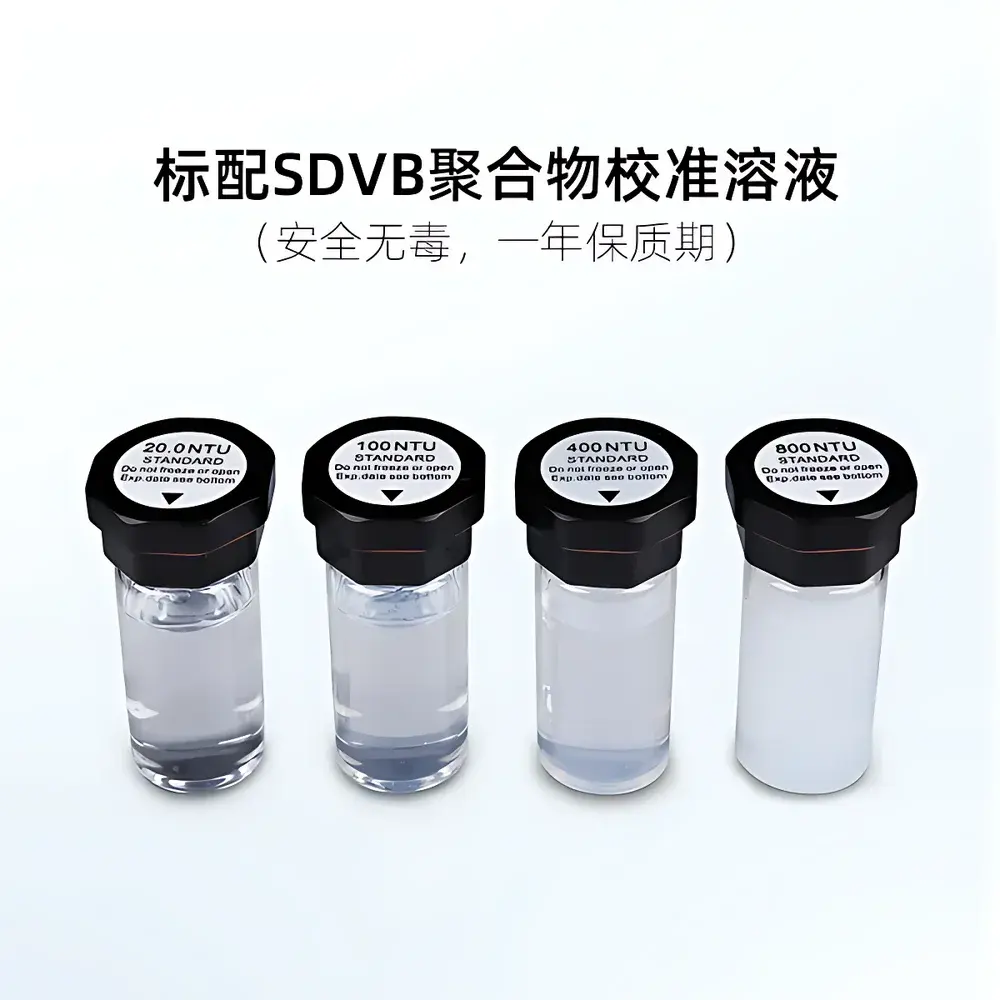
| Calibration Standards | Certified polymer standards (0, 20, 100, 400, 800 NTU/FNU), EPA- and ASTM-compliant, 1-year shelf life |
| Data Storage | 200 GLP-compliant records with timestamp, USB interface |
| Display | TFT color screen with multilingual UI (English, Chinese, Spanish) |
| Power | 4 × AA batteries |
| Dimensions (instrument) | 90 × 203 × 80 mm |
| Weight (instrument) | 385 g |
Overview
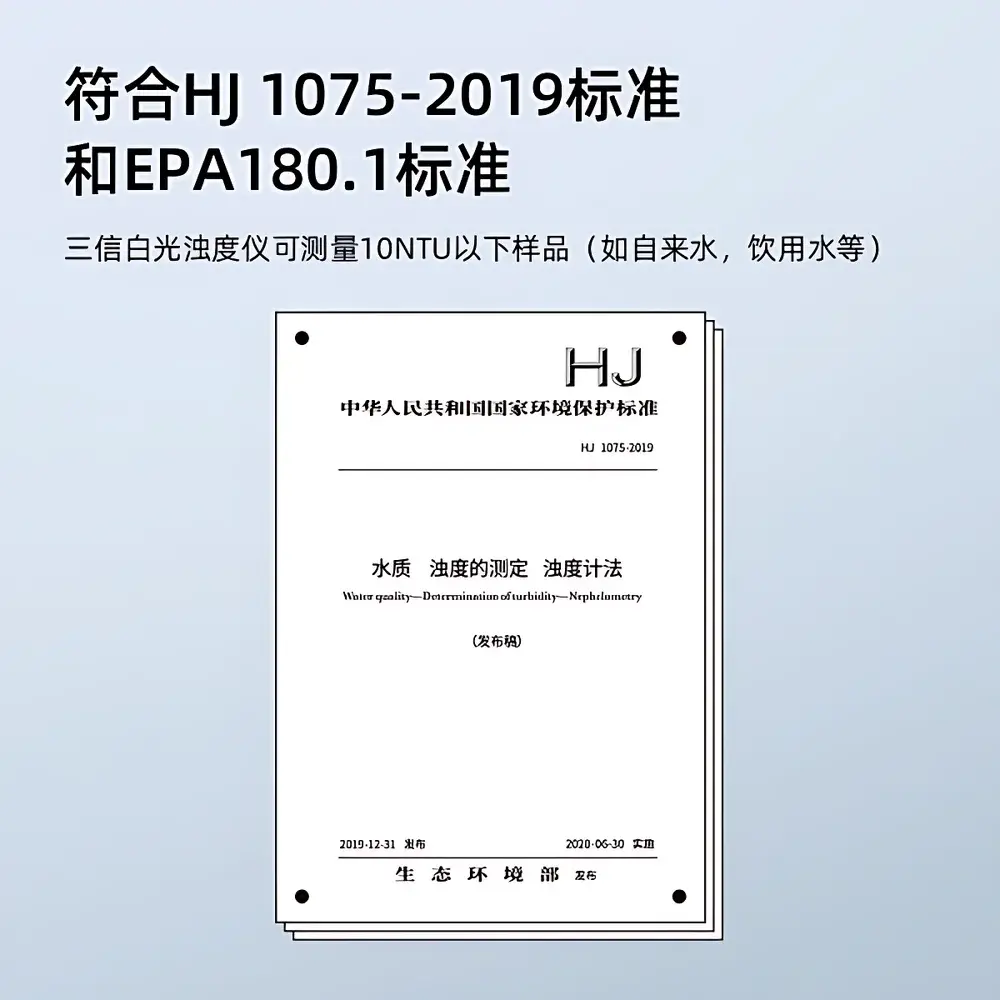
The Sanxin TN450 Portable Turbidimeter is a precision optical instrument engineered for reliable, field-deployable turbidity measurement in compliance with international standard methods. It operates on the 90° nephelometric principle per ISO 7027:2016, DIN 27027, and HJ 1075–2019—ensuring traceable, metrologically sound results across diverse aqueous matrices. Unlike white-light or visible-spectrum turbidimeters, the TN450 employs an infrared LED light source centered at 860 ± 30 nm, minimizing interference from sample coloration, absorbance, or dissolved organic matter. This spectral selectivity makes it uniquely suitable for challenging applications including fruit juice, wine, wastewater effluents, pharmaceutical process water, and colored industrial process streams where conventional 400–600 nm instruments exhibit significant bias. Its ruggedized, fully sealed architecture (IP67-rated) supports continuous operation in humid, dusty, or splash-prone environments—enabling consistent performance both in accredited laboratories and uncontrolled field conditions.
Key Features
- 860 nm infrared LED light source compliant with ISO 7027, HJ 1075–2019, and DIN 27027—optimized for color-insensitive turbidity quantification
- Auto-ranging measurement capability from 0.01 to 1000 NTU (FNU) across three dynamic ranges, eliminating manual range selection errors
- TruRead™ real-time averaging mode: captures up to 10 consecutive readings per cycle, displaying min/max/mean values with statistical confidence—critical for rapidly settling suspensions or unstable colloidal systems
- Zero-point verification with audible and visual out-of-tolerance alerting, ensuring measurement integrity below 1 NTU
- TFT color display with intuitive multilingual graphical interface (English, Chinese, Spanish) and context-sensitive navigation menus
- Integrated real-time clock (RTC) with GLP-compliant data logging: 200 measurement records stored with date/time stamp, calibration history, and operator ID fields
- USB interface supporting bidirectional data transfer; compatible with standard CDC-class drivers for direct PC integration without proprietary software
- IP67 ingress protection rating—fully dust-tight and submersible up to 1 m for 30 minutes—validated per IEC 60529
- Pre-certified, ready-to-use polymer calibration standards (0, 20, 100, 400, 800 NTU/FNU) meeting EPA Method 180.1 and ASTM D6708 requirements; non-toxic, stable for 12 months at 5–30 °C
Sample Compatibility & Compliance
The TN450 accepts standard Φ25 × 60 mm high-borosilicate glass sample vials (18 mL capacity), designed for low adsorption and thermal stability. Its 860 nm detection wavelength ensures minimal spectral overlap with common chromophores (e.g., humic substances, anthocyanins, caramel pigments), enabling accurate turbidity assessment in naturally colored waters, beverages, bioprocess broths, and dye-containing effluents. Instrument validation adheres to ISO/IEC 17025:2017 general requirements for competence of testing and calibration laboratories. All factory calibrations are traceable to NIST SRM 2000-series formazin reference materials via certified secondary standards. The device supports full audit trail functionality required under FDA 21 CFR Part 11 for regulated environments—retaining immutable timestamps, user actions, and calibration metadata.
Software & Data Management
Data output follows standardized USB CDC serial protocol, enabling seamless integration with LIMS, ELN, or custom QA/QC platforms without vendor lock-in. Each stored record includes measurement value, unit (NTU or FNU), temperature (if external probe connected), operator ID, calibration status flag, and full timestamp (YYYY-MM-DD HH:MM:SS). Internal memory retains calibration event logs—including date, standard used, deviation from expected value, and pass/fail determination—supporting internal audits and regulatory inspections. Firmware updates are delivered via signed .bin files over USB, preserving cryptographic integrity and version control. No cloud dependency or subscription model is required for core functionality.
Applications
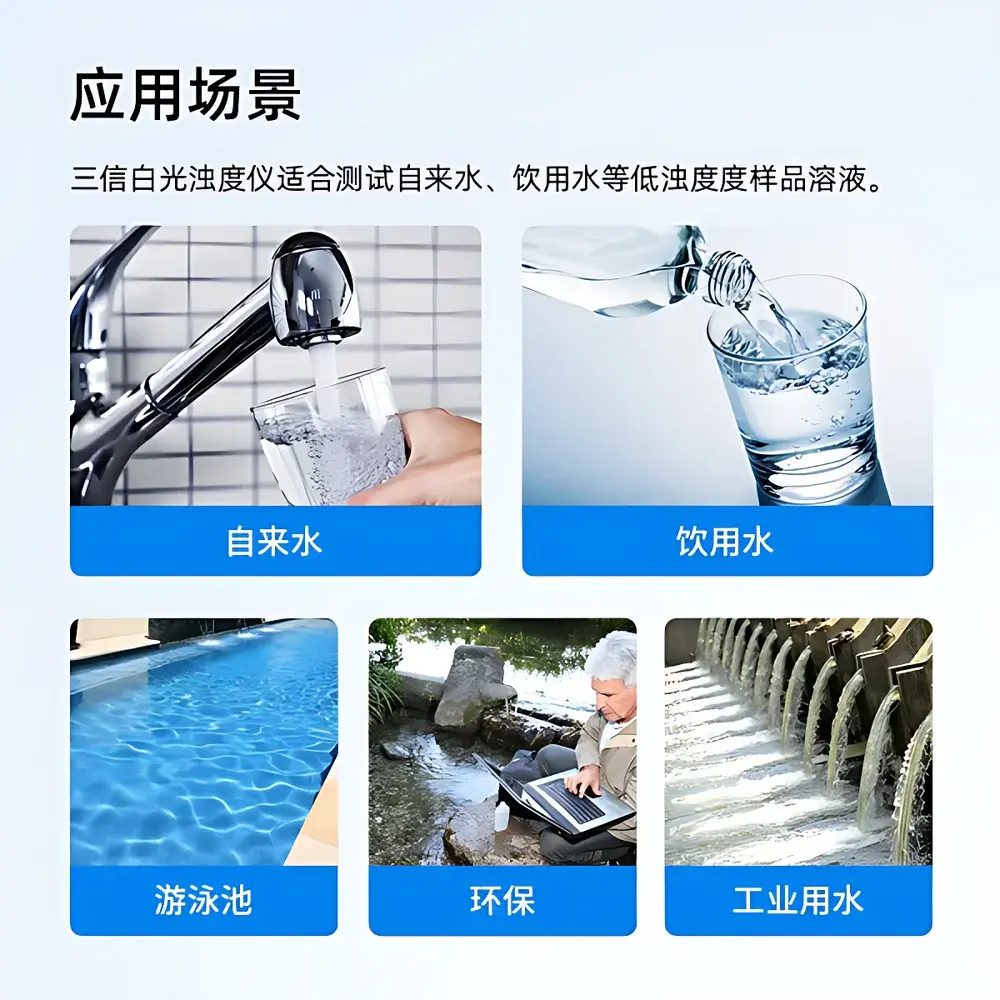
- Drinking water quality monitoring at intake, treatment, and distribution points
- Wastewater clarification efficiency assessment in activated sludge and membrane bioreactor (MBR) systems
- Pharmaceutical purified water (PW) and water-for-injection (WFI) verification per USP and EP 2.2.2
- Food & beverage QC: turbidity profiling of apple juice, grape must, beer, and dairy-based emulsions
- Environmental field studies: lake eutrophication tracking, sediment plume mapping, and stormwater runoff analysis
- Educational laboratories: hands-on instruction in optical scattering theory, calibration science, and GLP documentation practices
FAQ
Does the TN450 comply with US EPA Method 180.1?
Yes—the instrument’s optical design, calibration protocol, and certified polymer standards meet all performance criteria specified in EPA Method 180.1 for field-portable turbidimeters.
Can it measure samples with high absorbance, such as dark tea or cola?
Yes—its 860 nm infrared detection minimizes absorption-related attenuation, delivering robust turbidity values where visible-light instruments fail.
Is the USB interface compatible with Windows, macOS, and Linux?
Yes—it implements standard CDC ACM class drivers; no proprietary software or admin privileges are required for data export.
What is the battery life under typical usage?
With alkaline AA cells, the instrument delivers ≥1,200 measurements per set under ambient conditions (25 °C, 50% duty cycle), with low-voltage warning and graceful shutdown.
How is GLP compliance enforced in data storage?
Each record contains immutable metadata: UTC timestamp, unique session ID, calibration validity window, and operator identifier—fully auditable without post-hoc modification.




