
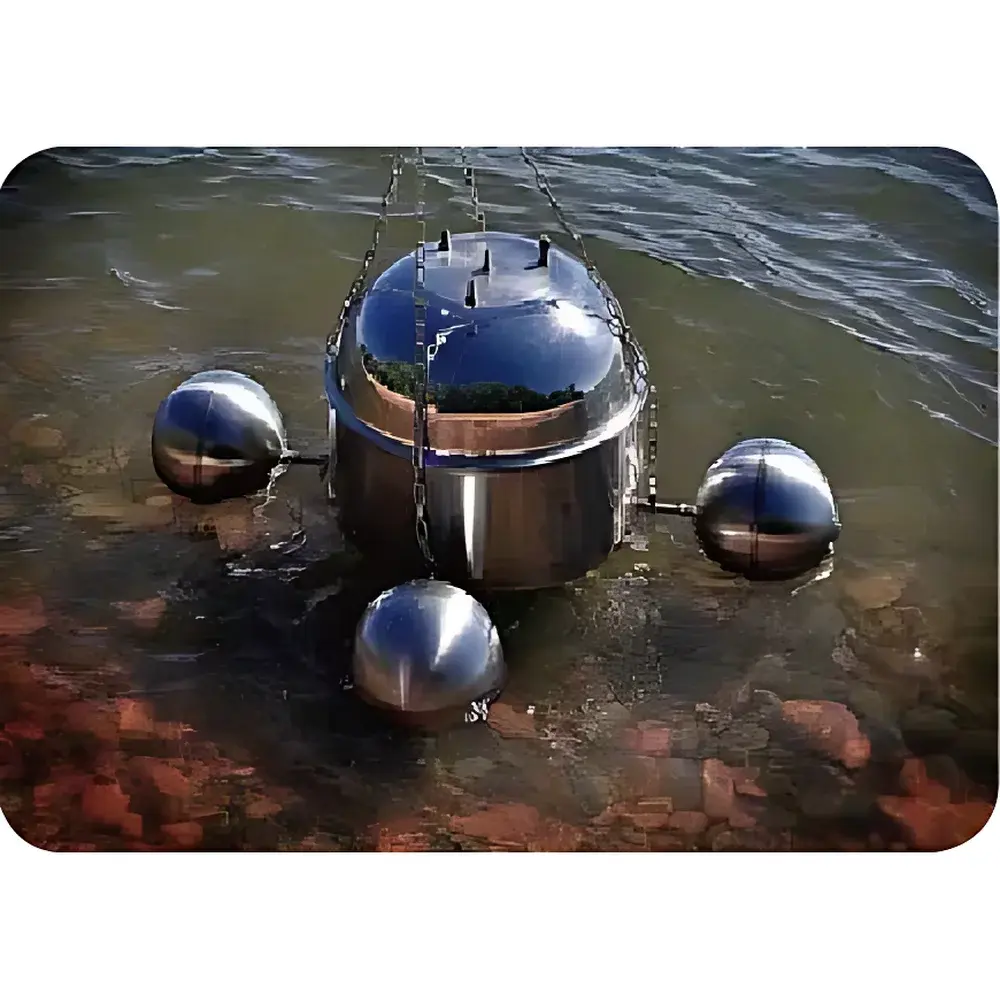
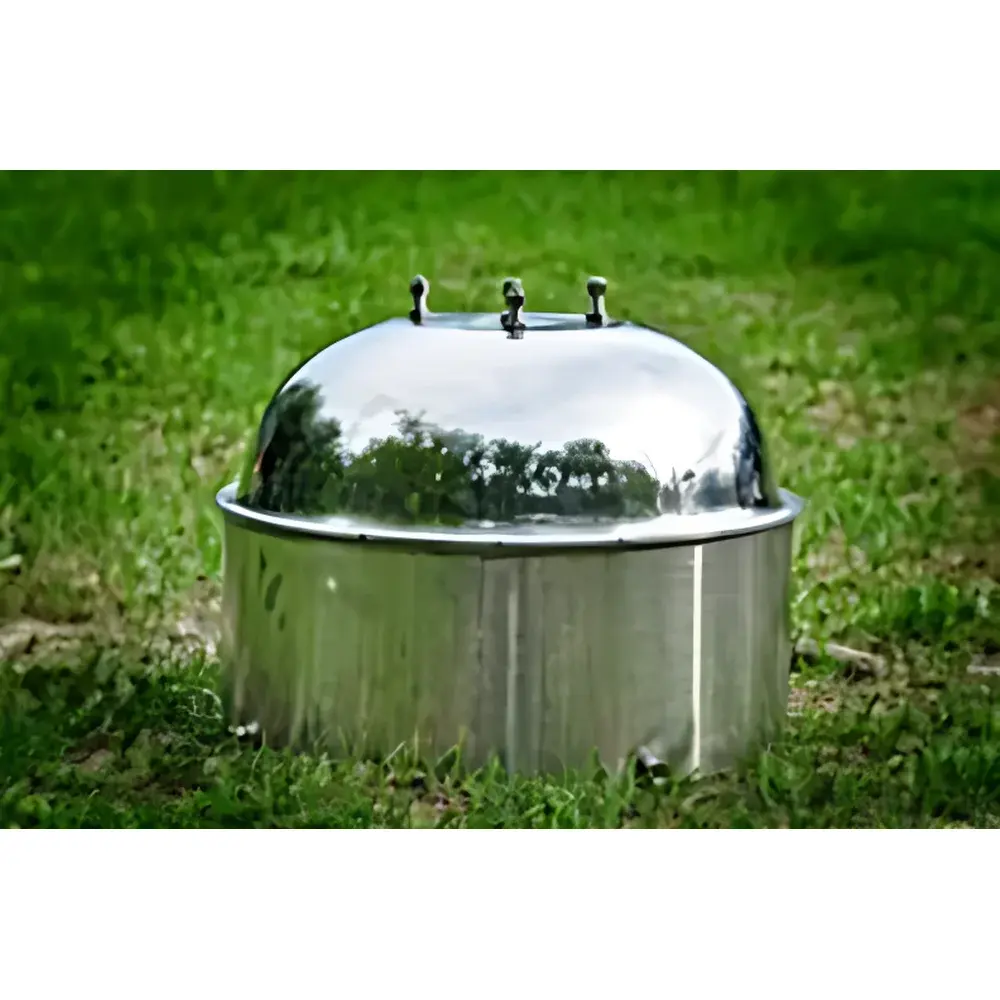
Scentroid 1016 Odor Flux Sampler
| Brand | IDES |
|---|---|
| Origin | Canada |
| Manufacturer Type | Authorized Distributor |
| Origin Category | Imported |
| Model | 1016 |
| Pricing | Upon Request |
Overview
The Scentroid 1016 Odor Flux Sampler is a precision-engineered, passive dynamic flux chamber system designed for quantitative measurement of odorant emission rates from planar surfaces—including soil, sludge, compost piles, wastewater lagoons, and industrial liquid effluents. Operating on the principle of controlled static headspace accumulation coupled with real-time or time-integrated sampling, the device isolates a defined surface area and captures volatile organic compounds (VOCs) and reduced sulfur compounds (e.g., H₂S, mercaptans) emitted under ambient environmental conditions. Its design conforms to standardized flux chamber methodologies referenced in ASTM D8193–22 (Standard Guide for Determining Odor Emission Rates from Surface Sources Using Dynamic Flux Chambers) and aligns with EPA Method TO-15 and EN 13725:2022 (Odour Concentration Determination by Dynamic Olfactometry) for downstream analytical compatibility.
Key Features
- Monolithic 316 stainless steel construction—fully weld-seamless, corrosion-resistant, and inert to sulfur-containing and acidic odorants, eliminating material-induced contamination or adsorption artifacts.
- Four integrated stainless steel buoyancy spheres enable stable, level flotation on aqueous or semi-fluid surfaces without reliance on elastomeric seals, foam gaskets, or flexible tubing—reducing maintenance overhead and cross-sample carryover risk.
- Modular lid assembly with dual-port configuration: one for calibrated inlet airflow (optional active mode), and one for outlet connection to Tedlar® bags, sorbent tubes (e.g., Tenax TA/Carbograph), or direct coupling to GC-SCD/GC-O or PTR-MS systems.
- Internal volume of 10.2 L and defined sampling footprint of 0.0314 m² (200 mm diameter) yield a standardized height-to-diameter ratio per EN 13725 requirements, ensuring laminar flow development and representative mass transfer behavior.
- Integrated leveling bubble and adjustable foot ring allow rapid field deployment on uneven substrates while maintaining geometric integrity and sealing consistency across repeated measurements.
Sample Compatibility & Compliance
The 1016 Odor Flux Sampler supports heterogeneous emission surfaces including saturated soils, anaerobic digestate, municipal biosolids, landfill cover materials, and open-process wastewater reservoirs. It is compatible with both passive (static accumulation) and low-flow dynamic modes (0.1–2.0 L/min inlet air), enabling flexibility across regulatory monitoring programs and research-grade emission characterization. The unit meets material compatibility requirements outlined in ISO 16000-32 (Indoor air — Part 32: Sampling and analysis of volatile organic compounds and odorants using flux chambers) and supports GLP-compliant data collection when paired with validated analytical workflows and chain-of-custody documentation.
Software & Data Management
While the 1016 is a hardware-only flux chamber, it integrates seamlessly into digital environmental monitoring ecosystems. When used with Scentroid’s optional SmartFlow Controller or third-party mass flow meters (e.g., Brooks Instrument SLA Series), real-time flow logging, temperature/pressure compensation, and timestamped event tagging are achievable via Modbus RTU or analog 4–20 mA outputs. Raw flux calculations (µg/m²·s or OUE/m²·s) follow first-order mass balance equations per ASTM D8193 and are exportable to LIMS platforms supporting ASTM E1447 or ISO/IEC 17025 audit trails. Full traceability—including operator ID, GPS coordinates, ambient RH/T, and chamber equilibration time—is maintained through structured CSV or XML metadata files compliant with FDA 21 CFR Part 11 electronic record requirements when deployed with validated software interfaces.
Applications
- Regulatory odor impact assessments for CAFOs, wastewater treatment plants, and composting facilities under local air quality ordinances.
- Baseline emission profiling during facility permitting or post-remediation verification at brownfield sites.
- Process optimization studies evaluating odor suppression efficacy of biofilters, chemical scrubbers, or surface amendments (e.g., lignin-based capping agents).
- Academic research on microbial VOC production kinetics in anaerobic environments and structure–odor relationships of sulfur-nitrogen heterocycles.
- Validation of dispersion modeling inputs (e.g., AERMOD, CALPUFF) by providing site-specific, empirically derived emission factors.
FAQ
Is the 1016 suitable for use on dry, porous soils?
Yes—when paired with a moisture-retaining base seal (e.g., glycerol-saturated sponge ring), the chamber maintains effective boundary layer isolation even on granular or cracked substrates.
Can it be deployed underwater or in submerged sediment?
No—the design is intended for air–surface interface measurements; submersion compromises buoyancy control and violates ASTM D8193 chamber geometry assumptions.
Does the unit require calibration before each use?
No mechanical calibration is needed; however, flow verification using a NIST-traceable rotameter or primary standard is recommended prior to critical compliance campaigns.
What analytical methods are most commonly paired with this sampler?
GC-SCD (for sulfur compounds), GC-O (dynamic olfactometry), TD-GC-MS (broad-spectrum VOCs), and PTR-TOF-MS (real-time molecular fingerprinting) are industry-standard configurations.
Is the stainless steel housing compatible with hydrogen sulfide-rich environments over extended exposure?
Yes—316 SS exhibits superior resistance to chloride- and sulfide-induced pitting versus 304 SS, validated per ASTM G48 Practice A for 72-hour immersion testing in 6% FeCl₃ solution.
Related Products







