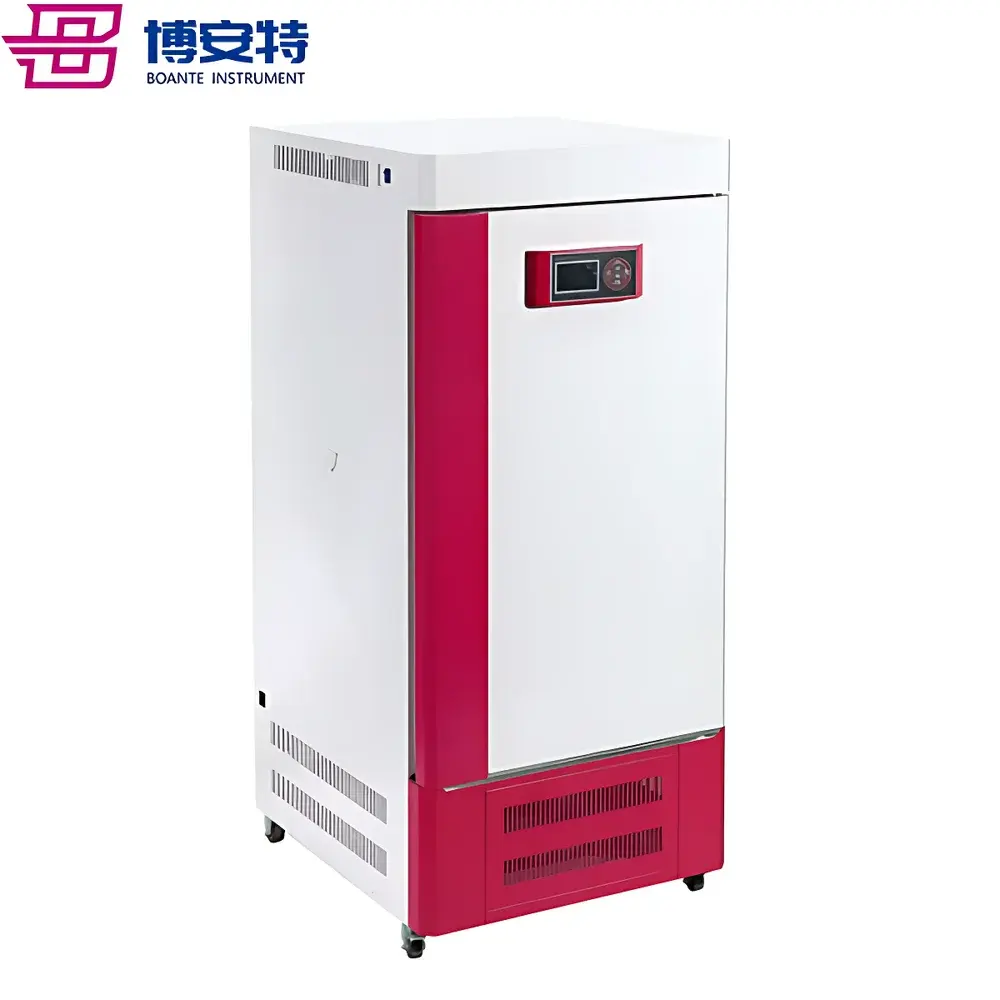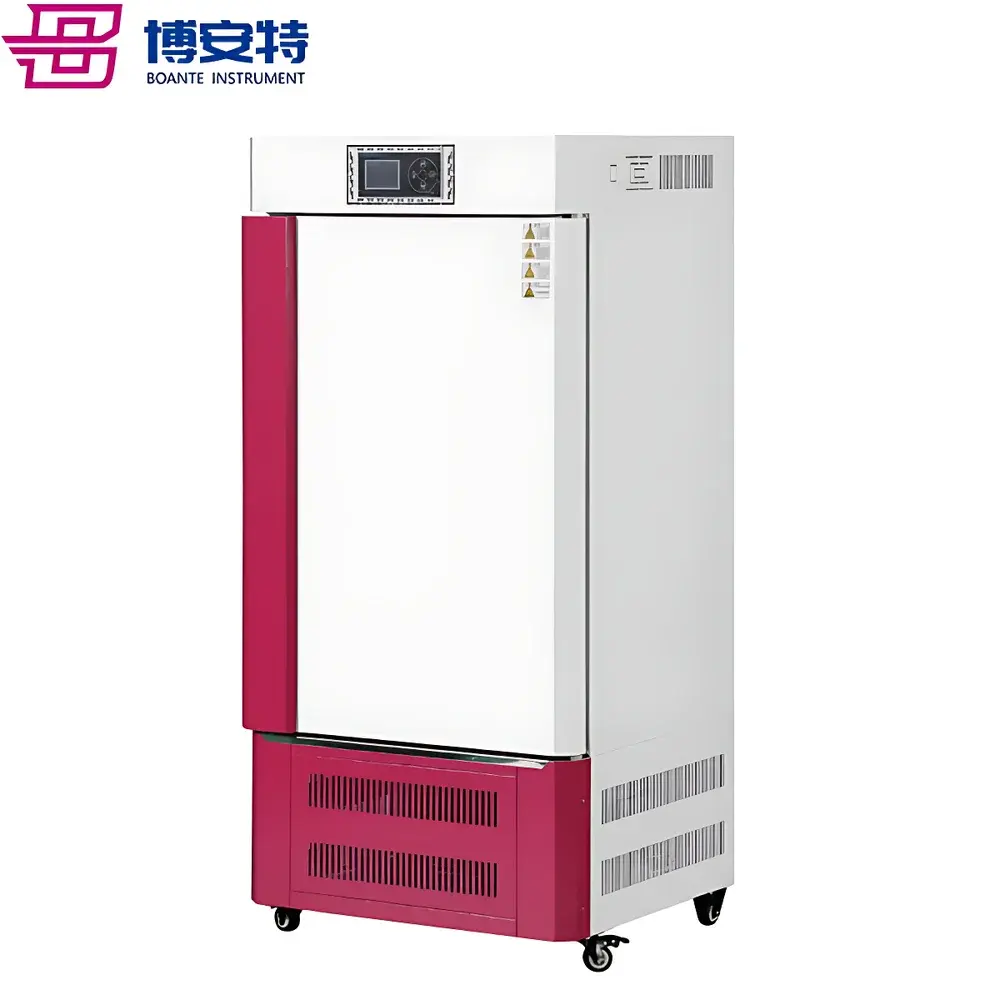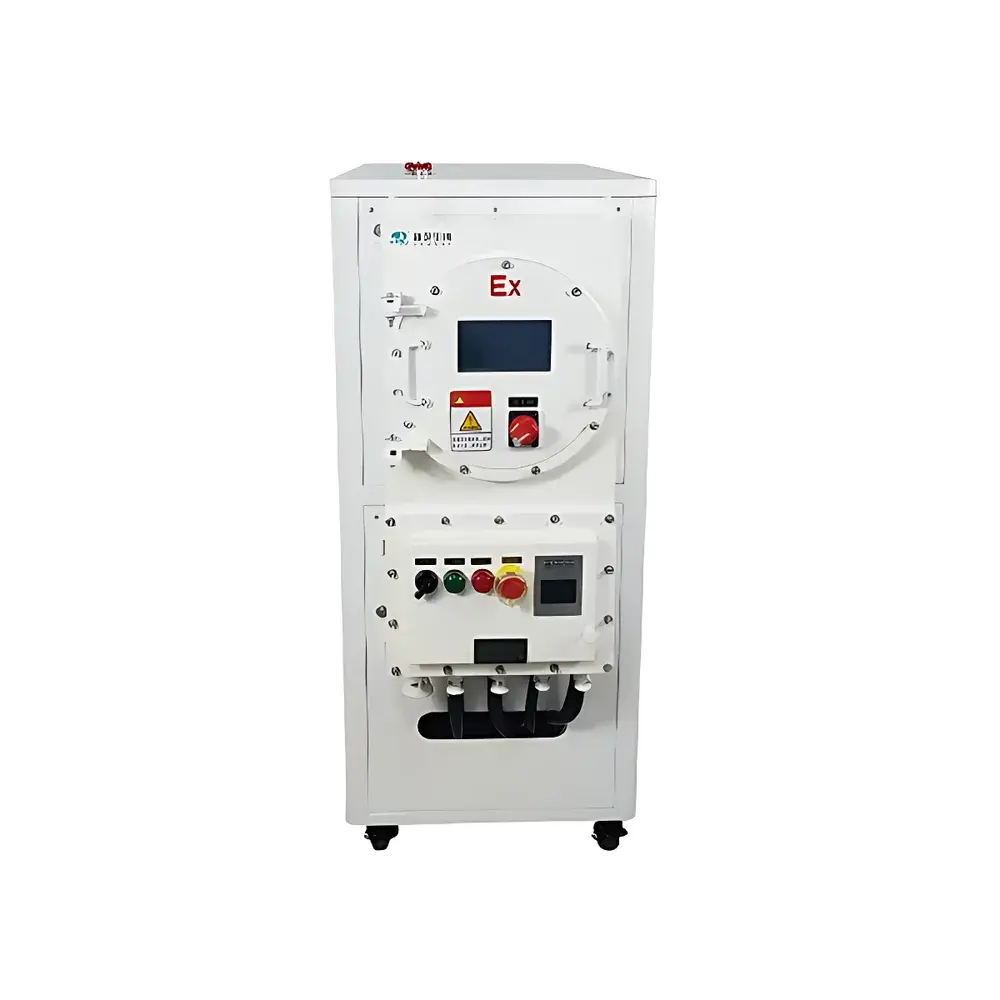
Scientz L1.5-6 Series Low-Temperature Circulating Chiller System (–60 °C to 20 °C)
| Brand | Scientz |
|---|---|
| Origin | Zhejiang, China |
| Manufacturer Type | Direct Manufacturer |
| Country of Origin | China |
| Model | L1.5-6 Series |
| Temperature Range | –60 °C to 20 °C |
| Temperature Accuracy | ±0.5 °C |
| Control Algorithm | PID Fuzzy Logic |
| Display Interface | 7-inch Color Touchscreen with Real-time Temperature Curve Logging |
| Communication Protocol | MODBUS RTU over RS-485 |
| Heat Transfer Medium Temperature Range | –25 °C to 200 °C |
| Temperature Feedback Points | Three PT100 Sensors (Unit Internal Temp, Outlet Temp, External Process Temp) |
| Programmability | Up to 5 Programs, 30 Segments per Program |
| Safety Protections | Compressor Overload Protection, High-Pressure Switch, Thermal Relay, Overtemperature Sensor Fault Detection, Low-Fluid-Level Alarm, High-Temperature Cut-off |
Overview
The Scientz L1.5-6 Series Low-Temperature Circulating Chiller System is an engineered temperature control solution designed for precision thermal management in demanding life science and industrial process applications. Operating across a broad range of –60 °C to 20 °C, the system utilizes a closed-loop refrigeration architecture with dual-sensor feedback (internal bath, outlet, and external process) to maintain stable, repeatable thermal conditions. Its core thermodynamic design integrates a high-efficiency scroll compressor, optimized heat exchanger geometry, and low-viscosity synthetic heat transfer fluid compatible with sub-zero operation—enabling rapid cooling ramp rates and minimal thermal inertia. Unlike open-bath chillers, the fully sealed circulation path prevents moisture ingress at low temperatures and eliminates oil mist generation at elevated setpoints, ensuring long-term fluid integrity and operational safety in GMP-compliant laboratories and pilot-scale reactors.
Key Features
- PID fuzzy logic control algorithm delivering ±0.5 °C stability at the chiller outlet and ±1 °C accuracy at the process load—validated under dynamic thermal loads typical of exothermic chemical reactions.
- Triple-point PT100 temperature monitoring: real-time acquisition of internal reservoir temperature, outlet fluid temperature, and externally mounted process temperature (via user-supplied sensor), enabling differential temperature control between jacket and reaction mass.
- Intuitive 7-inch color touchscreen interface with embedded data logging; supports time-stamped temperature curve visualization, on-device storage (≥30 days at 1-second sampling), and USB export in CSV format.
- MODBUS RTU communication protocol over RS-485 enables seamless integration into SCADA, DCS, or LIMS environments—supporting remote setpoint adjustment, alarm status polling, and event-triggered data capture.
- Comprehensive safety architecture including compressor overload protection, high-pressure cut-off switch, thermal relay redundancy, low-fluid-level detection, and fault-tolerant sensor diagnostics compliant with IEC 61508 SIL 2 functional safety principles.
- Programmable thermal profiles: up to five independent programs, each supporting 30 customizable segments with ramp/soak parameters, target temperature, and duration—ideal for multi-stage synthesis protocols or accelerated aging tests.
Sample Compatibility & Compliance
The L1.5-6 series is compatible with glass and stainless-steel jacketed reactors (1–50 L), microchannel flow reactors (e.g., Vapourtec R-Series, Syrris Asia), and environmental test chambers used in automotive component validation. Its closed-loop design meets ISO 13485 requirements for medical device manufacturing support equipment and aligns with ASTM E2877-22 guidelines for temperature uniformity verification in controlled environments. For regulated pharmaceutical development, the system supports 21 CFR Part 11-compliant audit trails when paired with validated third-party data acquisition software, and its deterministic control logic satisfies GLP/GMP documentation needs for temperature-critical steps in API synthesis and formulation stability studies.
Software & Data Management
While the unit operates autonomously via its embedded controller, optional Scientz LabLink™ software (Windows-based) extends functionality with remote monitoring, multi-unit synchronization, and automated report generation (PDF/Excel). All logged temperature data include ISO 8601 timestamps, sensor ID tags, and metadata such as ambient humidity (if connected to optional external sensors). Raw data files are stored in plain-text CSV format without proprietary encryption—facilitating import into MATLAB, Python (pandas), or statistical analysis platforms for DOE modeling and thermal kinetic profiling.
Applications
- Chemical Synthesis: Precise jacket temperature control during nitration, hydrogenation, and Grignard reactions—where ±1 °C deviation may trigger side-product formation or runaway exotherms.
- Microreactor Optimization: Stable thermal delivery to chip-based or plate-type continuous-flow systems operating at residence times <60 seconds, minimizing axial dispersion and improving selectivity in photochemical or ozonolysis processes.
- Automotive Component Testing: Simultaneous thermal conditioning of battery modules, power electronics, and HVAC actuators across –40 °C to +85 °C equivalent ranges (using external heat exchangers), meeting SAE J2380 and ISO 16750-4 environmental stress test specifications.
- Biopharmaceutical Processing: Cold-chain maintenance for chromatography columns, buffer preparation tanks, and ultra-low temperature cell banking workflows requiring uninterrupted –60 °C hold conditions.
- Materials Science: Controlled crystallization of polymers and small-molecule APIs under isothermal or linear-cooling regimes, with traceable temperature history for regulatory submission packages.
FAQ
What is the minimum recommended heat transfer fluid for –60 °C operation?
Scientz recommends using a certified low-temperature silicone oil (e.g., Dow Corning DC-704) or specialized polyalphaolefin (PAO)-based fluid with pour point ≤ –65 °C and viscosity <50 cSt at –60 °C.
Can the system operate continuously at –60 °C ambient?
Yes—the chiller is rated for continuous duty at full capacity down to –60 °C process temperature, provided ambient conditions remain within 15–35 °C and relative humidity ≤70% non-condensing.
Is external temperature sensor calibration traceable to NIST standards?
The unit accepts standard PT100 Class A sensors; end users must provide NIST-traceable calibration certificates for external probes as part of their IQ/OQ validation protocol.
Does the MODBUS interface support write commands for setpoint changes?
Yes—function codes 06 (single register write) and 16 (multiple register write) are implemented per MODBUS RTU specification, allowing PLC-driven temperature program execution.
How is fluid level monitored in the closed loop?
An ultrasonic level transducer integrated into the expansion tank provides analog feedback to the controller, triggering audible/visual alarms and automatic shutdown if fluid volume falls below 85% nominal capacity.