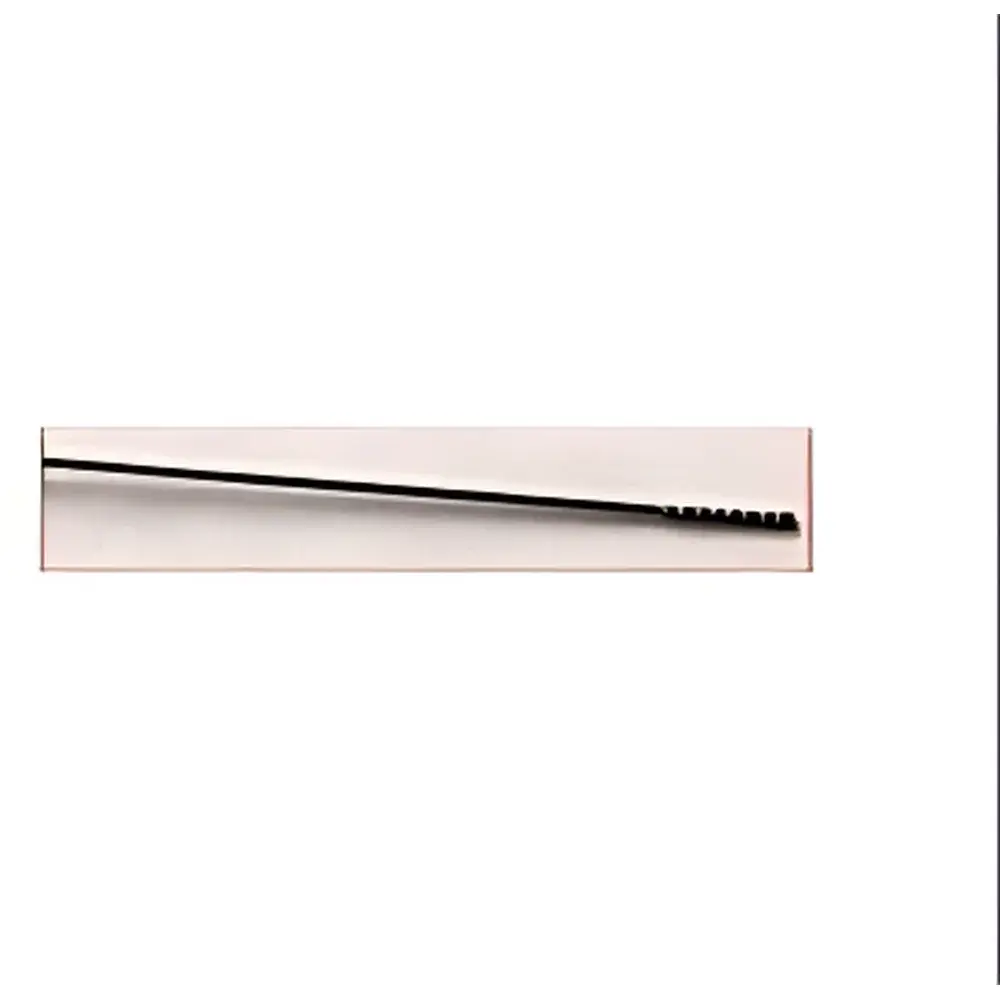
Scisense ECG Catheter System for Small Animal Electrophysiology
| Origin | USA |
|---|---|
| Manufacturer Type | Authorized Distributor |
| Origin Category | Imported |
| Model | ECG Catheter |
| Pricing | Available Upon Request |
| Catheter Material | Polyimide Tubing |
| Effective Length | 15 cm (6") |
| Sizes | 1.1F (0.37 mm) and 2F (0.64 mm) |
| Electrode Material | Platinum |
| Electrode Length | 0.25 mm |
| Inter-Electrode Spacing | 0.5 mm and 1.0 mm (custom spacing available) |
| Electrode Configuration | Side-mounted at tip |
| Connector Type | Redel 14-pin |
Overview
The Scisense ECG Catheter System is a high-precision, minimally invasive electrophysiological recording and pacing platform engineered specifically for in vivo cardiac studies in small laboratory animals—including neonatal mice (as young as 5 days old), juvenile rats, and other preclinical models. Based on micro-scale polyimide catheter architecture and precision-plated platinum electrodes, this system enables simultaneous acquisition of intracardiac electrograms alongside hemodynamic parameters such as pressure and volume—facilitating comprehensive assessment of cardiac conduction, nodal function, and arrhythmia mechanisms. The catheter operates on standard electrophysiology principles: differential bipolar recording between adjacent electrode pairs captures local activation timing with sub-millisecond resolution, while its low-profile design ensures minimal hemodynamic perturbation and stable intravascular positioning in narrow vessels including the carotid artery, internal jugular vein, and esophagus.
Key Features
- Ultra-miniaturized catheter diameters: 1.1 French (0.37 mm OD) for neonatal mouse studies; 2 French (0.64 mm OD) for juvenile rat and larger rodent applications
- Side-mounted platinum electrodes (0.25 mm length) with precise inter-electrode spacing options—standard 0.5 mm and 1.0 mm configurations, with custom spacing available upon request
- Polyimide tubing construction provides exceptional torsional rigidity, kink resistance, and biocompatibility for prolonged in vivo use
- Redel 14-pin connector ensures reliable, low-noise signal transmission and compatibility with widely deployed commercial amplifiers, stimulators, and data acquisition systems (e.g., ADInstruments PowerLab, TDT RZ series, Axon Digidata)
- Reusable design supports multiple sterile cycles when handled per ISO 13485-compliant reprocessing protocols
- Integrated pacing capability enables controlled stimulation protocols for refractory period mapping, Wenckebach analysis, and AV nodal conduction assessment
Sample Compatibility & Compliance
This catheter system is validated for acute and chronic electrophysiological studies in murine and rat models under IACUC-approved protocols. Its dimensional specifications align with ASTM F2082–22 (Standard Test Method for Determination of Transition Temperature of Nickel-Titanium Alloys) for polymer-based implantables and meet USP Class VI biocompatibility requirements for short-term vascular contact. While not intended for human use, all materials—including polyimide tubing and platinum electrodes—are certified to ISO 10993-1:2018 (Biological evaluation of medical devices — Part 1: Evaluation and testing within a risk management process). The system supports GLP-compliant data acquisition when paired with FDA 21 CFR Part 11–enabled software platforms, including audit trail logging, electronic signatures, and secure data archiving.
Software & Data Management
Scisense provides seamless integration with third-party electrophysiology analysis environments, including Spike2 (CED), LabChart (ADInstruments), and custom MATLAB/Python toolchains via analog voltage output or digital TTL synchronization. Raw signals are acquired at ≥20 kHz sampling rates to preserve high-frequency electrogram morphology (e.g., His bundle potentials). Built-in trigger inputs support gated acquisition synchronized with respiration or pacing stimuli. All hardware interfaces comply with USB 2.0 and Ethernet standards for deterministic latency control. Optional Scisense SignalHub software offers real-time waveform overlay, automatic beat annotation, interval measurement (PR, AH, HV, ERP), and export in IEEE 11073-10201 (Medical Device Communication) compliant formats for interoperability with institutional PACS or LIMS infrastructures.
Applications
- Intracardiac mapping of atrioventricular conduction pathways in genetically modified murine models (e.g., KCNJ2, SCN5A, GJA5 knockouts)
- Quantitative assessment of sinus node recovery time (SNRT), corrected SNRT (cSNRT), and sinoatrial conduction time (SACT)
- Pharmacological evaluation of antiarrhythmic drug effects on nodal refractoriness and conduction velocity
- Longitudinal tracking of arrhythmia progression in heart failure or myocarditis models
- Combined pressure–electrogram studies to correlate mechanical dyssynchrony with electrical activation delay
- Validation of optogenetic or chemogenetic cardiac pacing interventions
FAQ
Is sterilization required before each use?
Yes. Scisense recommends ethylene oxide (EtO) or low-temperature hydrogen peroxide plasma sterilization per ANSI/AAMI ST46:2022. Autoclaving is not permitted due to polyimide thermal limitations.
Can this catheter be used for chronic implantation?
The 1.1F and 2F catheters are approved for acute (<6 hr) and subacute (up to 72 hr) studies. Chronic implantation requires additional biostable coating (e.g., parylene-C) and is available as a custom configuration.
What amplifier gain settings are recommended for optimal signal-to-noise ratio?
A differential gain of 1,000× to 5,000× with 0.05–1,000 Hz bandpass filtering is typical for murine His-bundle recordings; exact settings depend on electrode-tissue interface impedance and amplifier input noise floor.
Does Scisense provide technical support for experimental protocol design?
Yes. Application scientists offer protocol consultation—including catheter insertion guidance, pacing parameter optimization, and arrhythmia induction methodology—aligned with AHA/ACC/HRS consensus statements on preclinical EP research.