
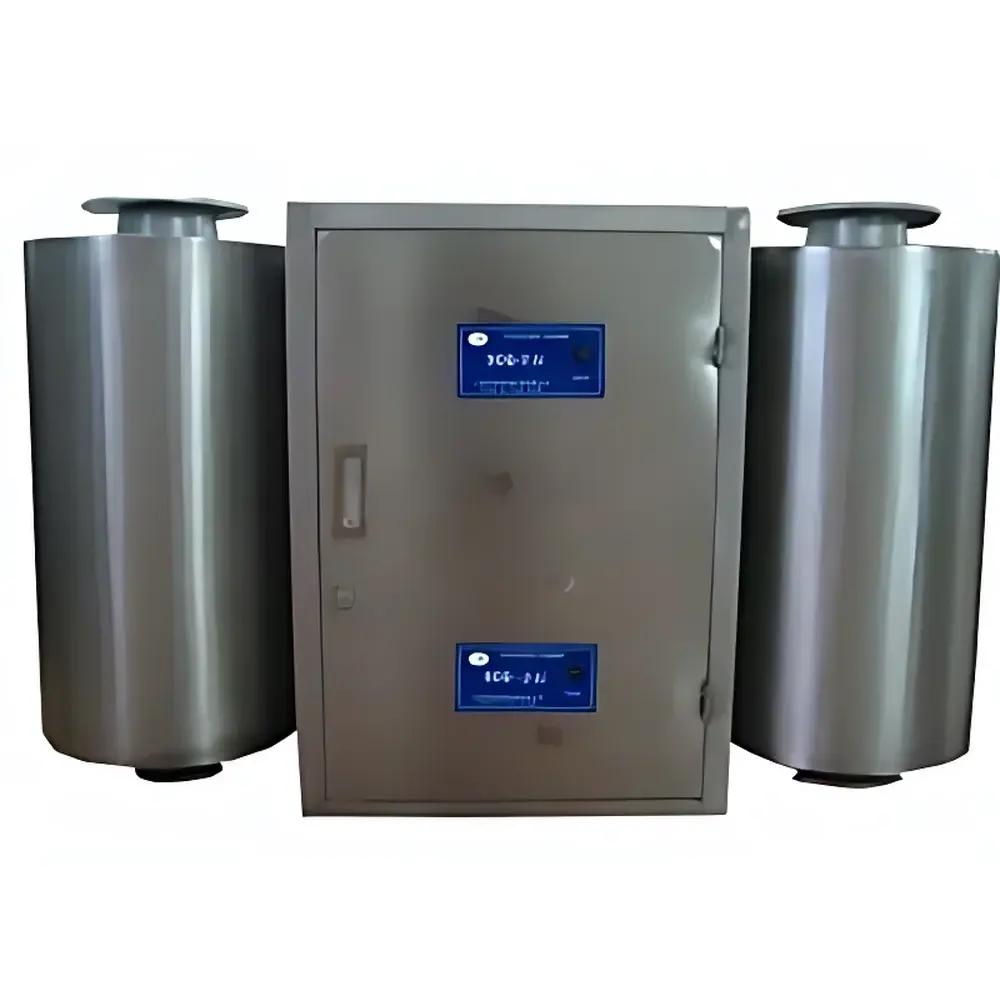
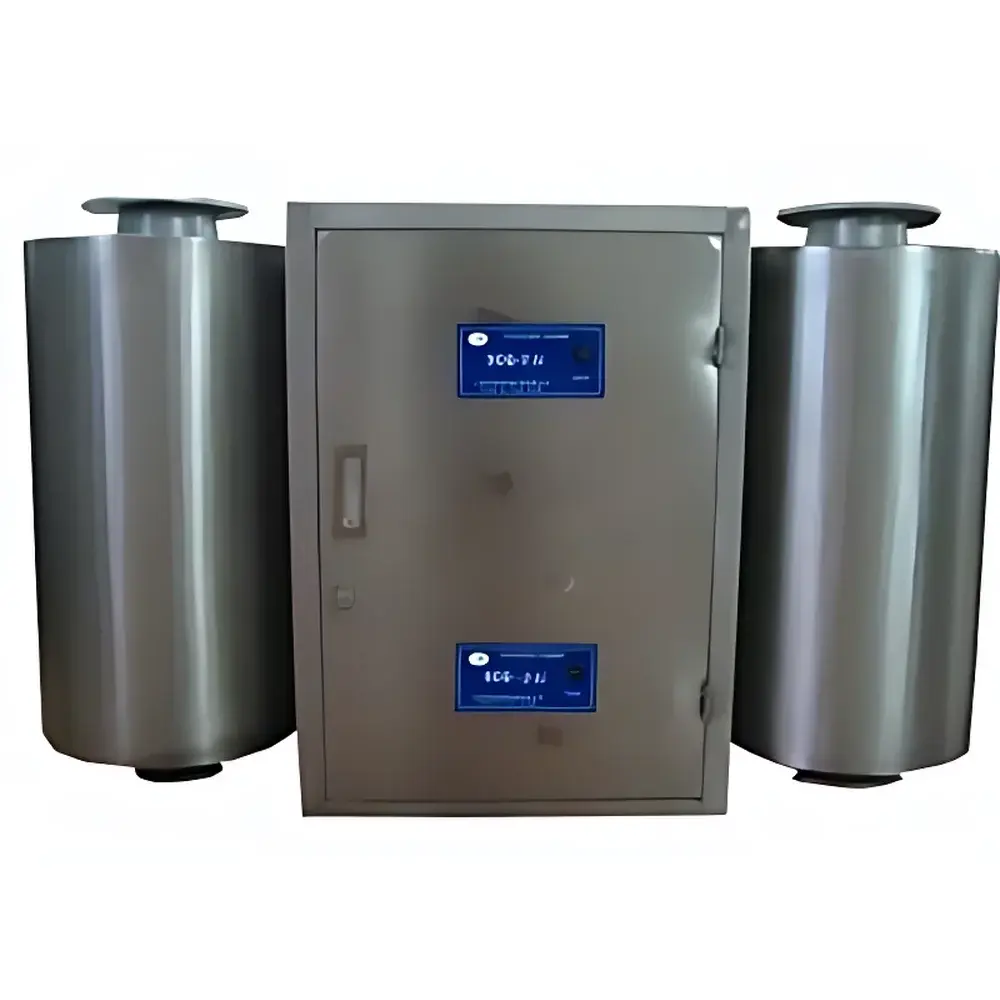
SCQ-K001 Lucky Ultrasonic Cleaner (Air-Coupled, Benchtop, Single-Tank, Digital Control)
| Brand | Lucky (Sycs) |
|---|---|
| Origin | Shanghai, China |
| Manufacturer Type | Authorized Distributor |
| Country of Origin | China |
| Model | SCQ-K001 |
| Price | Upon Request |
| Tank Dimensions | Ø155 × H100 mm |
| Tank Material | SUS304 Stainless Steel (2.0 mm thickness) |
| Ultrasonic Power Output | 600 W |
| Frequency | 24 kHz (Fixed Single Frequency) |
| Timer Range | 0–600 min (Digital, 1-sec resolution) |
| Lid | Sound-Dampening Hinged Cover |
| Generator | Integrated IGBT-Based Digital Generator with Microcontroller Control |
| Enclosure Material | Full Stainless Steel |
| Input Power | 220 V AC ±10%, 50 Hz |
| Protection Features | Overvoltage, Overcurrent, Short-Circuit, Thermal Shutdown |
| Display | LCD with Real-Time Current Monitoring & Adjustable Power Level (0–100%) |
| Sweep Function | Yes |
| Noise Reduction | Integrated acoustic enclosure design |
Overview
The SCQ-K001 Lucky Ultrasonic Cleaner is a benchtop, single-tank, air-coupled ultrasonic cleaning system engineered for precision laboratory and light industrial applications requiring consistent cavitation-based surface decontamination. Unlike immersion-type ultrasonic cleaners that rely on direct liquid coupling between transducers and the cleaning medium, this unit employs an optimized air-transmission architecture—where high-intensity 24 kHz ultrasonic energy is generated by a robust IGBT-driven piezoelectric transducer array mounted beneath a sealed stainless steel tank base, transmitting mechanical vibrations through the tank wall into the aqueous or solvent-based cleaning bath. This configuration eliminates direct transducer submersion, significantly enhancing long-term reliability, corrosion resistance, and service life—particularly critical in environments handling aggressive solvents, acidic degreasers, or saline solutions. Designed to ASTM F2796-21 and ISO 13485-aligned manufacturing practices, the SCQ-K001 delivers repeatable cleaning performance across diverse substrates including optical lenses, semiconductor wafers, surgical instruments, microfluidic components, and precision-machined metal parts—especially those featuring blind holes, recessed geometries, or complex internal passages where conventional agitation fails.
Key Features
- Integrated digital IGBT generator with microcontroller-based feedback control ensures stable 600 W power delivery at 24 kHz—optimized for high-energy cavitation in low-viscosity aqueous and mild organic media.
- Full SUS304 stainless steel construction (2.0 mm wall thickness) provides chemical resistance against chlorides, phosphates, and common alkaline detergents—validated per ASTM A240/A240M specifications.
- LCD interface displays real-time current draw, programmable timer (0–600 minutes, 1-second resolution), and continuously adjustable output power (0–100% in 1% increments).
- Sweep-frequency modulation (±500 Hz around 24 kHz center) prevents standing-wave formation and promotes uniform energy distribution across heterogeneous loads.
- Acoustically damped hinged lid reduces ambient noise to ≤65 dB(A) at 1 m distance—meeting OSHA 29 CFR 1910.95 workplace exposure guidelines.
- Comprehensive safety architecture includes overvoltage protection (±10% input tolerance), overcurrent cutoff, short-circuit isolation, and thermal shutdown at ≥85°C cabinet temperature.
- No external cooling required; passive convection design enables continuous operation up to 8 hours under rated load conditions.
Sample Compatibility & Compliance
The SCQ-K001 accommodates standard laboratory glassware (up to Ø140 mm diameter), stainless steel instrument trays, printed circuit board carriers, and small-volume bioreactors (max. 1.2 L bath capacity). Compatible with water-based alkaline cleaners (pH 9–12), ethanol/water mixtures, isopropanol, and low-surface-tension fluorinated solvents (e.g., Vertrel® XF). Not recommended for highly volatile hydrocarbons (e.g., hexane, acetone) without vapor recovery integration. Meets CE marking requirements per EMC Directive 2014/30/EU and Low Voltage Directive 2014/35/EU. Conforms to ISO 17025-relevant calibration traceability protocols when paired with NIST-traceable hydrophone-based power verification systems. Suitable for GLP-compliant laboratories performing cleaning validation per USP and ISO 15883-1:2019 Annex C.
Software & Data Management
While the SCQ-K001 operates as a standalone analog-digital hybrid system, its embedded microcontroller supports RS-232 serial output (optional adapter) for time-stamped logging of operational parameters—including start/stop timestamps, set timer value, actual run duration, average current draw, and fault event codes. Data export is compatible with LabArchives ELN, Microsoft Excel, and CSV-based LIMS platforms. Audit trail functionality complies with FDA 21 CFR Part 11 requirements when deployed with validated third-party data acquisition software and electronic signature modules. No cloud connectivity or proprietary firmware updates are implemented—ensuring deterministic behavior and cybersecurity resilience per IEC 62443-3-3.
Applications
- Pre-analytical sample preparation: removal of organic residues from HPLC vials, GC autosampler syringes, and ICP-MS nebulizer cones.
- Biomedical device reprocessing: cleaning of laparoscopic trocars, endoscope channels, and dental handpieces prior to sterilization cycles (validated per AAMI ST91:2023).
- Materials science: deburring of additive-manufactured Ti-6Al-4V components, oxide layer removal from sputtered thin films, and particulate extraction from MEMS sensor housings.
- Electronics manufacturing: flux residue elimination from SMT-assembled PCBs before AOI inspection and conformal coating.
- Academic research: cell lysis optimization studies, nanoparticle dispersion homogenization, and sonochemical synthesis support (e.g., TiO₂ photocatalyst activation).
FAQ
What is the maximum recommended bath temperature for continuous operation?
The unit is rated for sustained use at bath temperatures up to 60°C. Exceeding this threshold may accelerate gasket degradation and reduce transducer coupling efficiency.
Can this cleaner be used with ultrasonic cleaning solutions containing surfactants or chelating agents?
Yes—provided solution pH remains between 4.0 and 12.0 and chloride ion concentration does not exceed 200 ppm. Avoid formulations containing sodium hypochlorite or strong mineral acids.
Is the 24 kHz frequency suitable for delicate optics or MEMS devices?
24 kHz offers higher cavitation intensity than 40+ kHz units; therefore, it is recommended for robust substrates. For fragile coated optics or silicon MEMS, consult application notes on pulse-mode operation and reduced power settings.
Does the SCQ-K001 support external trigger input for synchronized cleaning cycles?
No—this model lacks TTL or dry-contact trigger inputs. Synchronization requires external PLC interfacing via RS-232 command protocol.
How often should the transducer bonding integrity be verified?
Visual inspection of the tank bottom weld seam and acoustic coupling layer is advised every 12 months. Performance verification via calorimetric power measurement (ASTM E1415-16) is recommended annually for GMP-regulated environments.



