
Seafloor-Based Monitoring System
| Origin | Guangdong, China |
|---|---|
| Manufacturer Type | Authorized Distributor |
| Origin Category | Domestic (China) |
| Model | Seafloor-Based Monitoring System |
| Pricing | Available Upon Request |
Overview
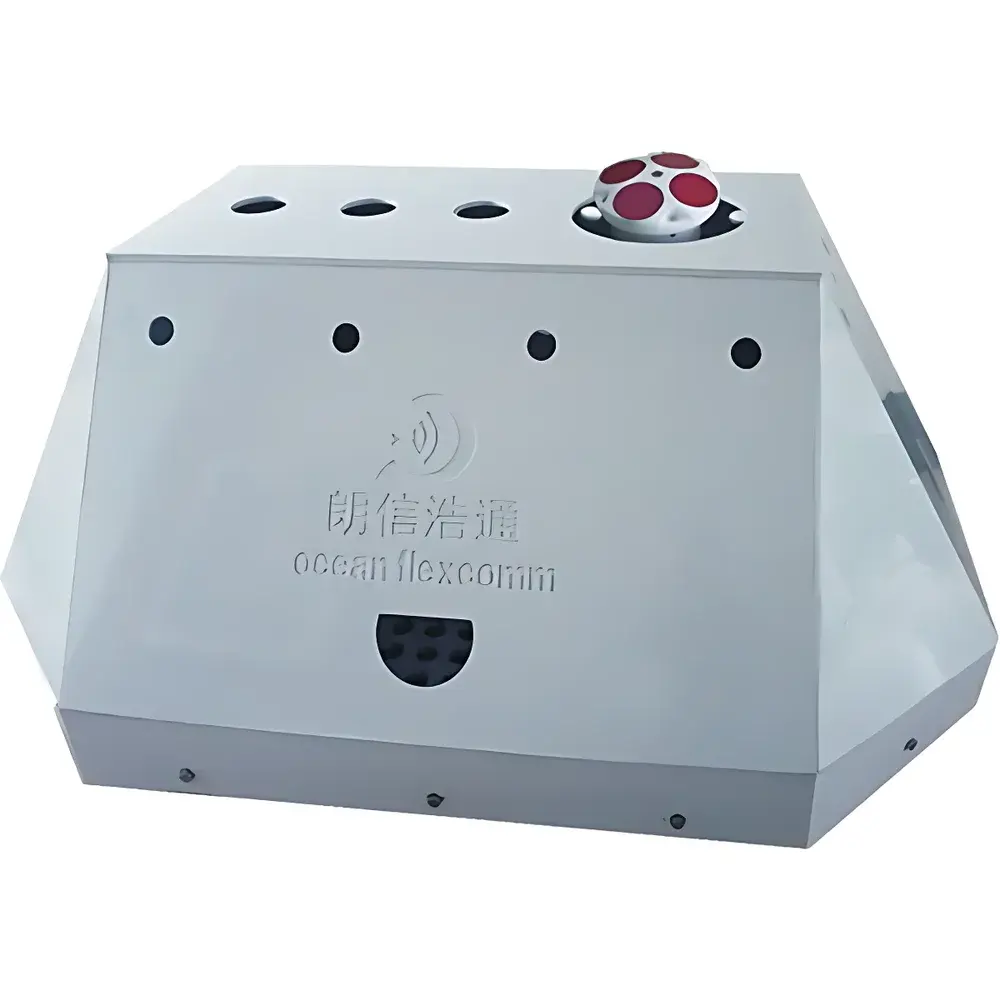
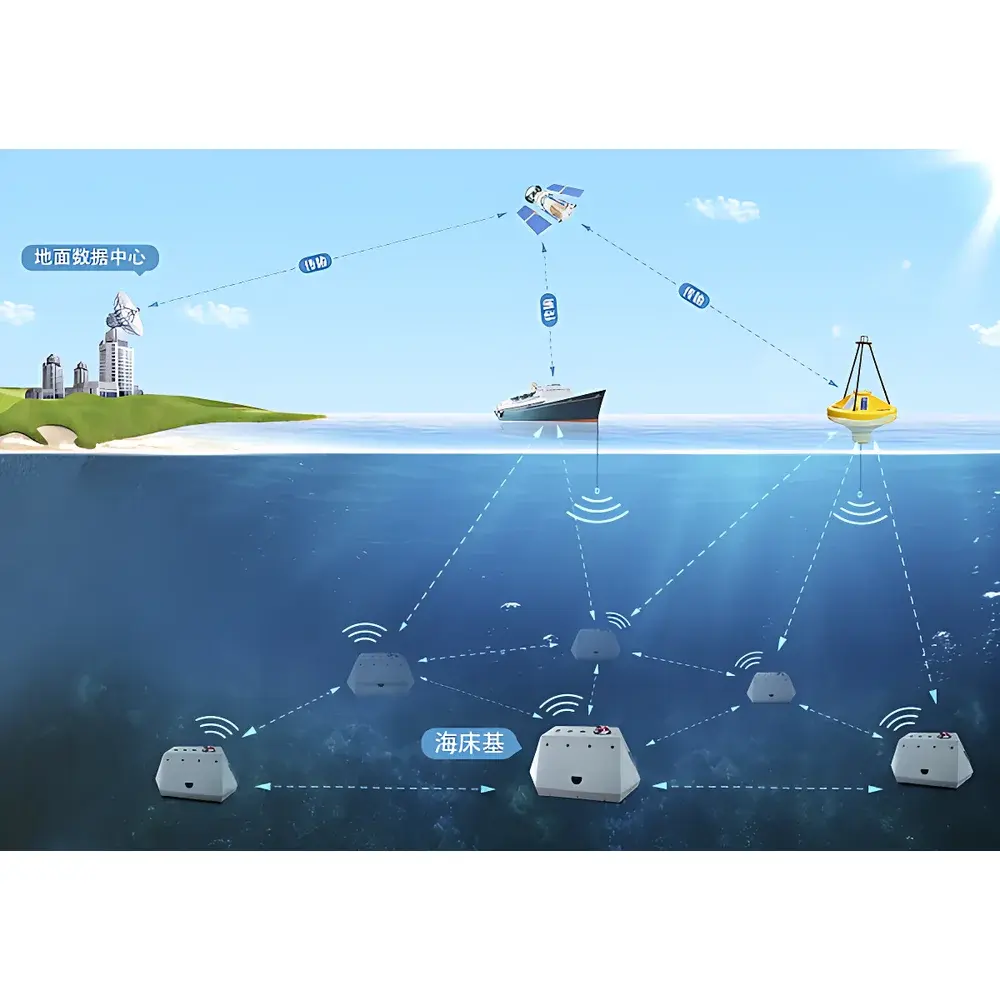
The Seafloor-Based Monitoring System is an autonomous, self-contained, multi-sensor oceanographic observatory platform engineered for long-term deployment on the seabed. It functions as a foundational node in underwater acoustic communication networks—enabling bidirectional data exchange between submerged instruments, surface buoys, research vessels, and shore-based data centers. Built upon principles of underwater acoustic telemetry and time-of-flight ranging, the system integrates structural resilience, power autonomy, and modular sensor interoperability to support sustained, real-time or near-real-time observation across deep-ocean environments up to 6,000 meters water depth. Its architecture aligns with international standards for marine observatory infrastructure—including those referenced in UNESCO-IOC’s Ocean Observing Systems Framework and the European Multidisciplinary Seafloor and Water Column Observatory (EMSO) guidelines.
Key Features
- Deep-sea rated structural design: Titanium alloy or stainless-steel pressure housing certified for continuous operation at 6,000 m water depth (equivalent to ~60 MPa hydrostatic pressure)
- Anti-trawl mechanical configuration: Low-profile base geometry and reinforced anchoring interface to resist seabed disturbance from fishing gear
- Dual-function acoustic transceiver: Operates within 8–14 kHz bandwidth for both command-and-control signaling and high-integrity data transmission
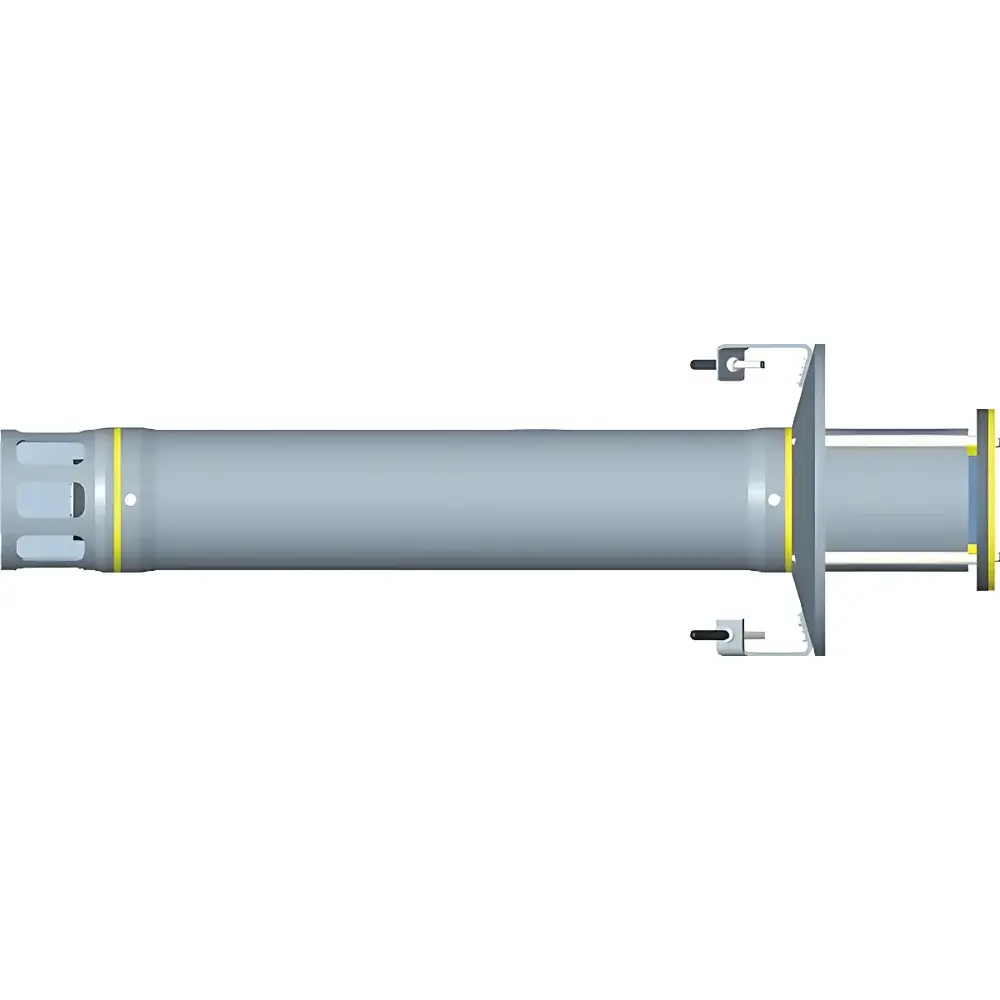
- Modular payload integration: Standardized mounting interfaces and power/data buses compatible with ADCP, CTD, COD analyzers, multi-parameter water quality sensors, nutrient analyzers, pH, conductivity, turbidity, and ambient noise loggers
- Multi-tier power architecture: Supports hybrid configurations including primary lithium-thionyl chloride batteries (5-year nominal service life), rechargeable battery packs, and optional surface-supplied power via mooring cable or inductive coupling
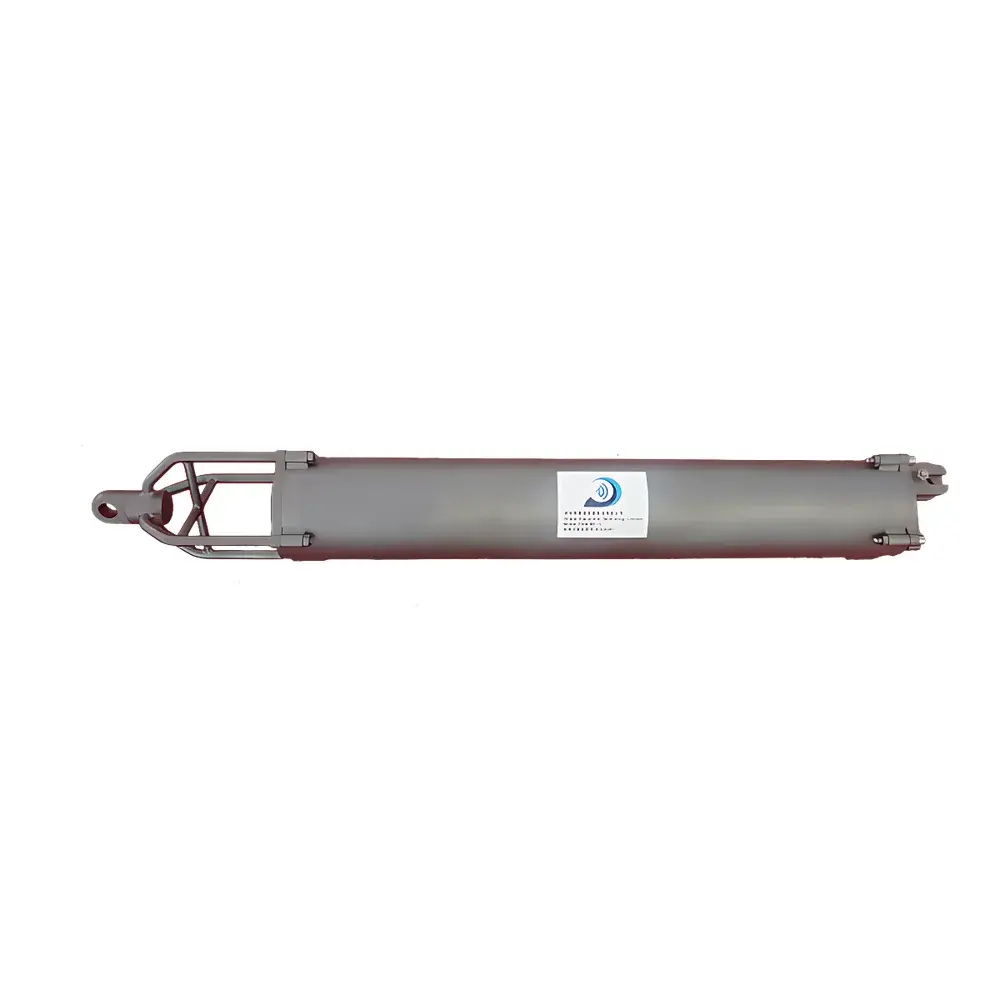
- Acoustic release capability: Acoustically triggered release mechanism rated for 2,000 kg payload recovery under full-depth operational conditions
Sample Compatibility & Compliance
The system accommodates industry-standard oceanographic sensors conforming to IEC 60529 (IP68/IP69K submersible ratings), ISO 17025 calibration traceability requirements, and NMEA 0183/2000 serial protocols. All acoustic components comply with ITU-R SM.1138 spectral emission limits for underwater telemetry. Structural materials meet ASTM B348 Grade 5 titanium or ASTM A276 Type 316 stainless steel specifications. Deployment and recovery procedures are documented per IMCA D 014 (International Marine Contractors Association) best practices for seabed instrumentation handling. The platform supports GLP-aligned data provenance when integrated with timestamped, audit-trail-enabled acquisition software.
Software & Data Management
A dedicated deck-unit control interface provides touchscreen-driven operation via a color LCD display with intuitive hierarchical menus. Communication ports include RS-232 and USB 2.0 for local diagnostics, firmware updates, and raw data dump. The onboard acoustic modem implements adaptive power control and dual-channel cross-decoding to mitigate multipath interference and Doppler-induced symbol distortion. Network-level coordination employs IEEE 802.15.4-inspired self-organizing mesh protocols optimized for sparse, delay-tolerant underwater environments. All transmitted datasets embed UTC timestamps synchronized via GPS-referenced surface nodes. Data streams are formatted in CF-compliant NetCDF or ASCII CSV for direct ingestion into NOAA’s IOOS, EMODnet, or regional data portals. Firmware supports remote configuration updates and secure command authentication per NIST SP 800-193 guidelines.
Applications
- Long-term environmental monitoring: Continuous profiling of temperature, salinity, current velocity, dissolved oxygen, organic load (COD), and turbidity for climate trend analysis and hypoxia early warning
- Marine geohazard surveillance: Detection of seafloor deformation, methane seepage anomalies, and sediment mobility preceding submarine landslides or tsunamigenic events
- Offshore infrastructure protection: Perimeter monitoring for subsea pipelines, cables, and wind farm foundations using acoustic intrusion detection and proximity tracking
- Naval domain awareness: Passive acoustic classification of vessel signatures, low-frequency anomaly detection, and covert navigation aid deployment
- Scientific observatory backbone: Core node in cabled or hybrid (acoustic + satellite-relayed) observatories supporting interdisciplinary studies in biogeochemistry, physical oceanography, and benthic ecology
- Search-and-rescue coordination: Integration with autonomous surface vehicles (ASVs) and wave gliders to establish dynamic underwater positioning grids during emergency response operations
FAQ
What is the maximum operational depth rating of the system?
Rated for continuous operation at 6,000 meters water depth, with pressure housing validation per ISO 11119-2 burst testing protocols.
Can the system be integrated with existing cabled observatories?
Yes—via optional RS-485 or fiber-optic interface modules; compatibility with OOI (Ocean Observatories Initiative) and EMSO data models is supported through configurable metadata tagging.
Is acoustic synchronization with GPS time available?
Surface relay nodes provide PPS (pulse-per-second) timing signals to underwater nodes via acoustic time-transfer protocols, achieving sub-100 ms clock alignment under typical propagation conditions.
How is data integrity ensured during transmission?
All packets include CRC-32 checksums, sequence numbering, and automatic repeat request (ARQ) handshaking; forward error correction (FEC) is applied per ITU-T G.9951 recommendations for underwater channels.
Does the system support remote firmware updates?
Yes—over-the-air (OTA) updates are enabled via authenticated acoustic sessions with digital signature verification compliant with NIST FIPS 140-2 Level 2 cryptographic modules.







