
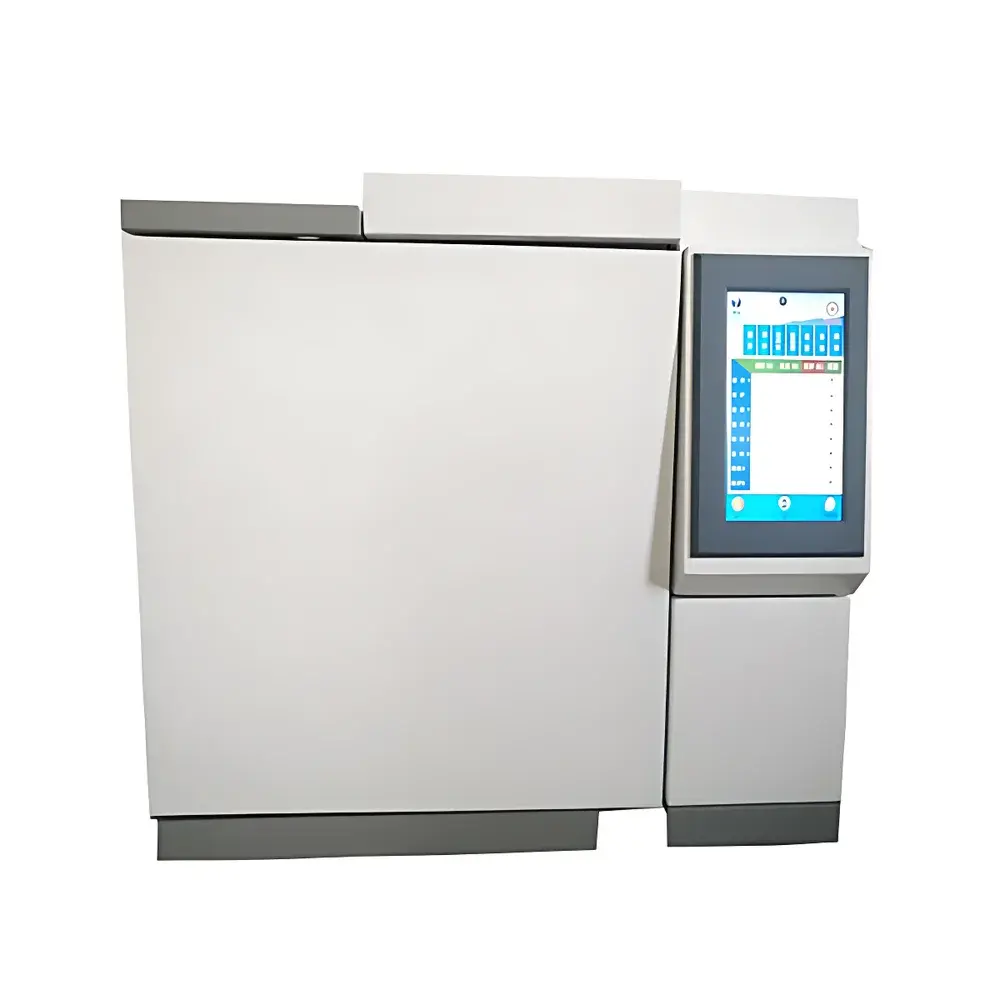
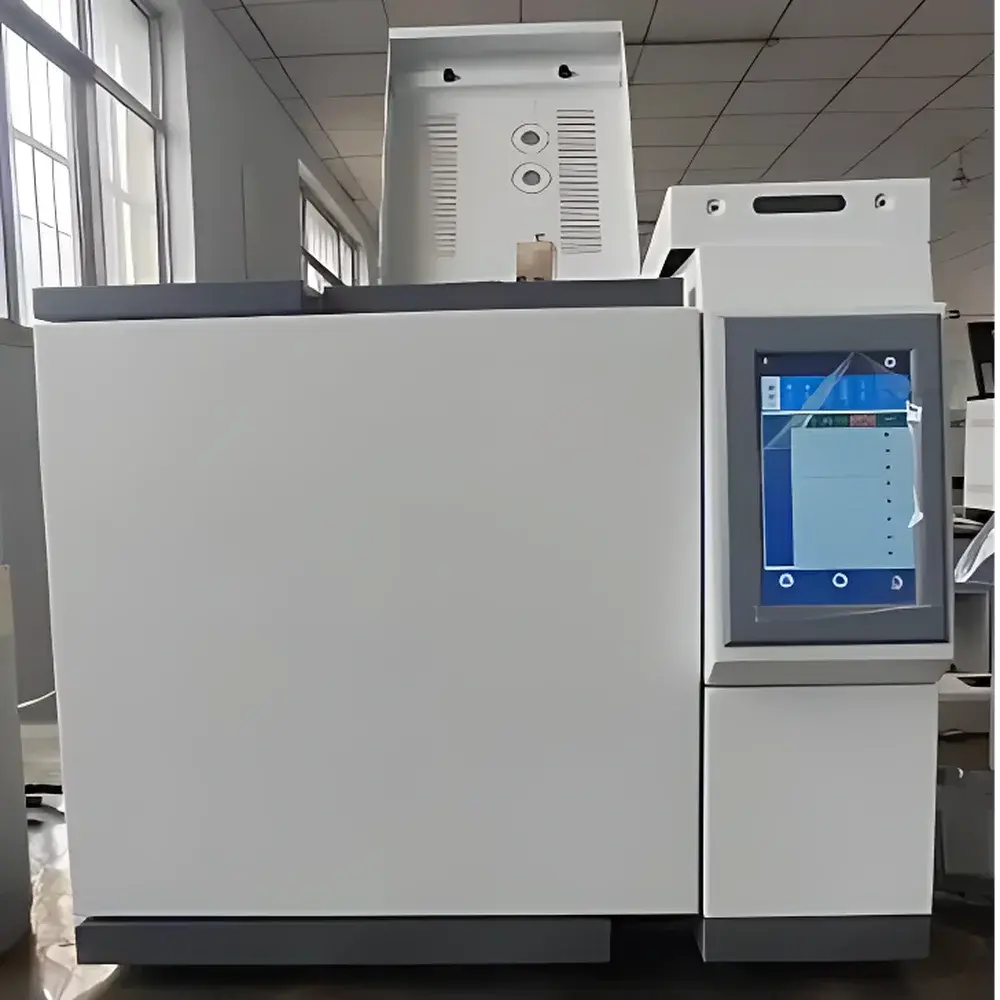
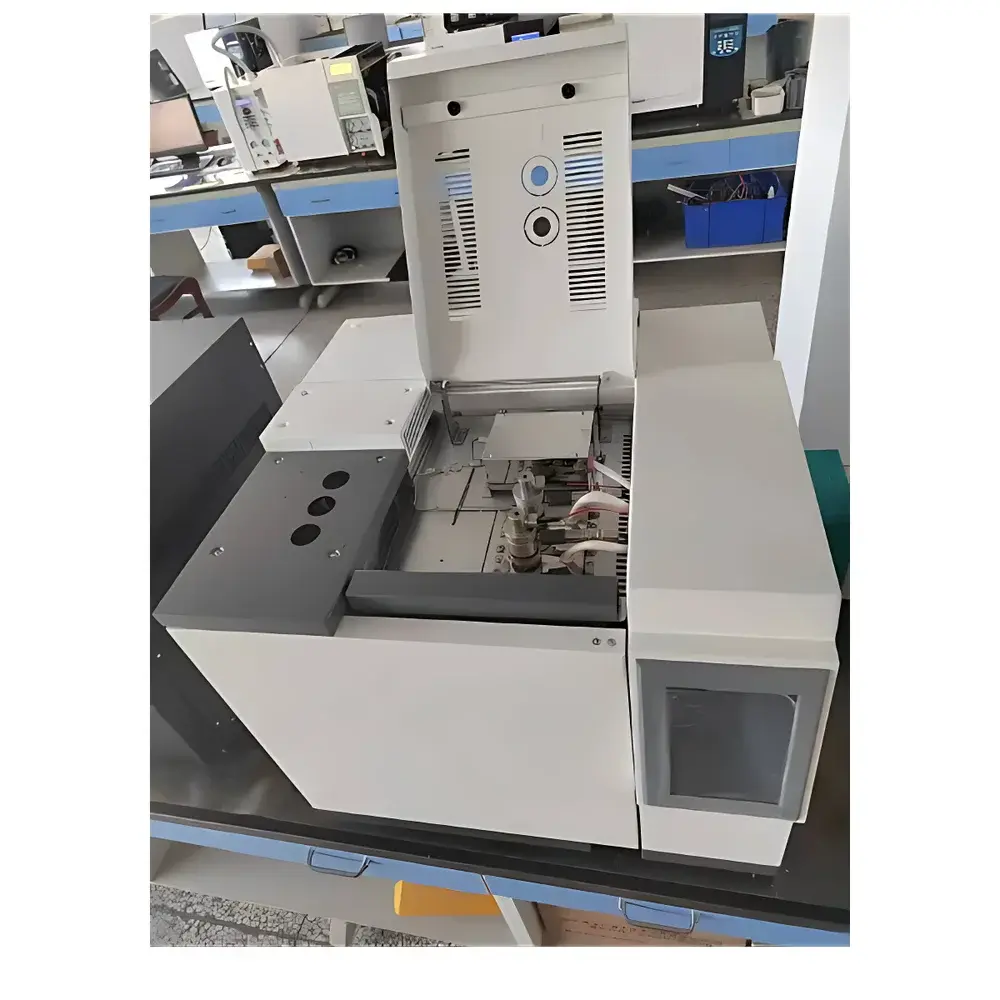
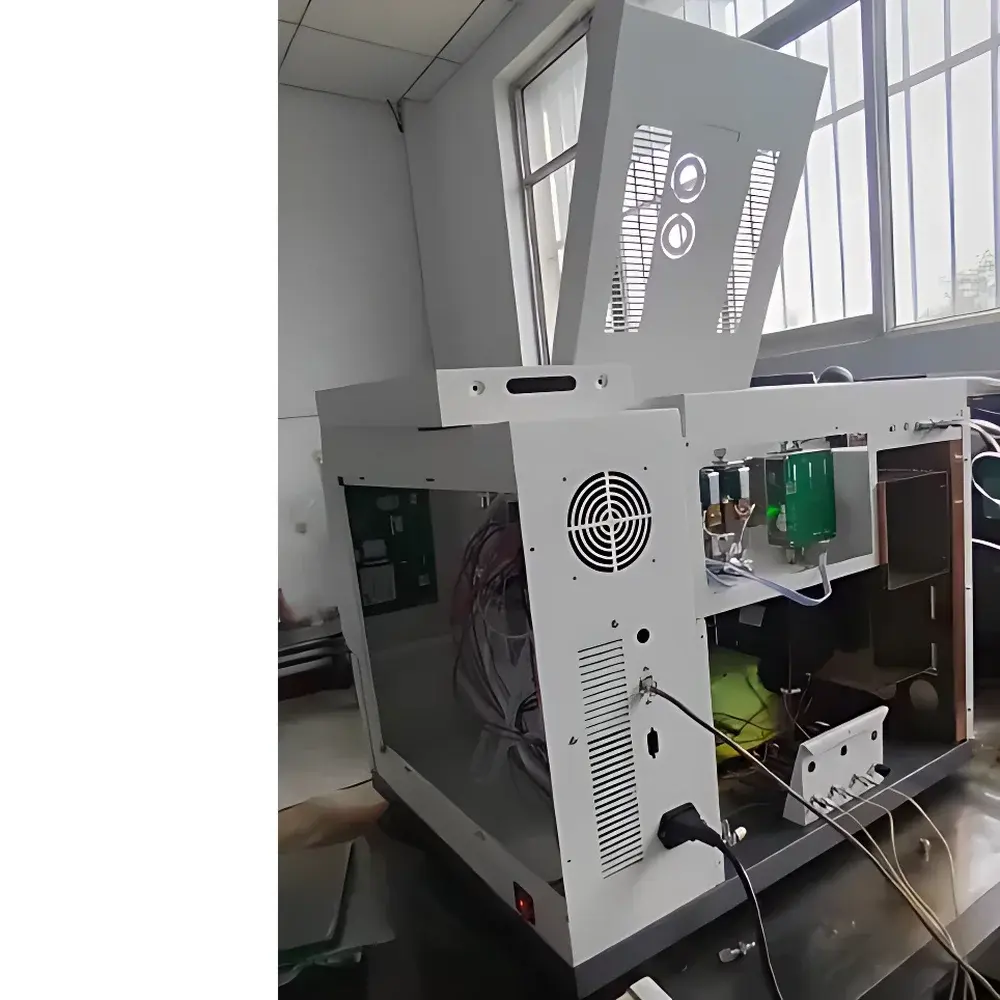
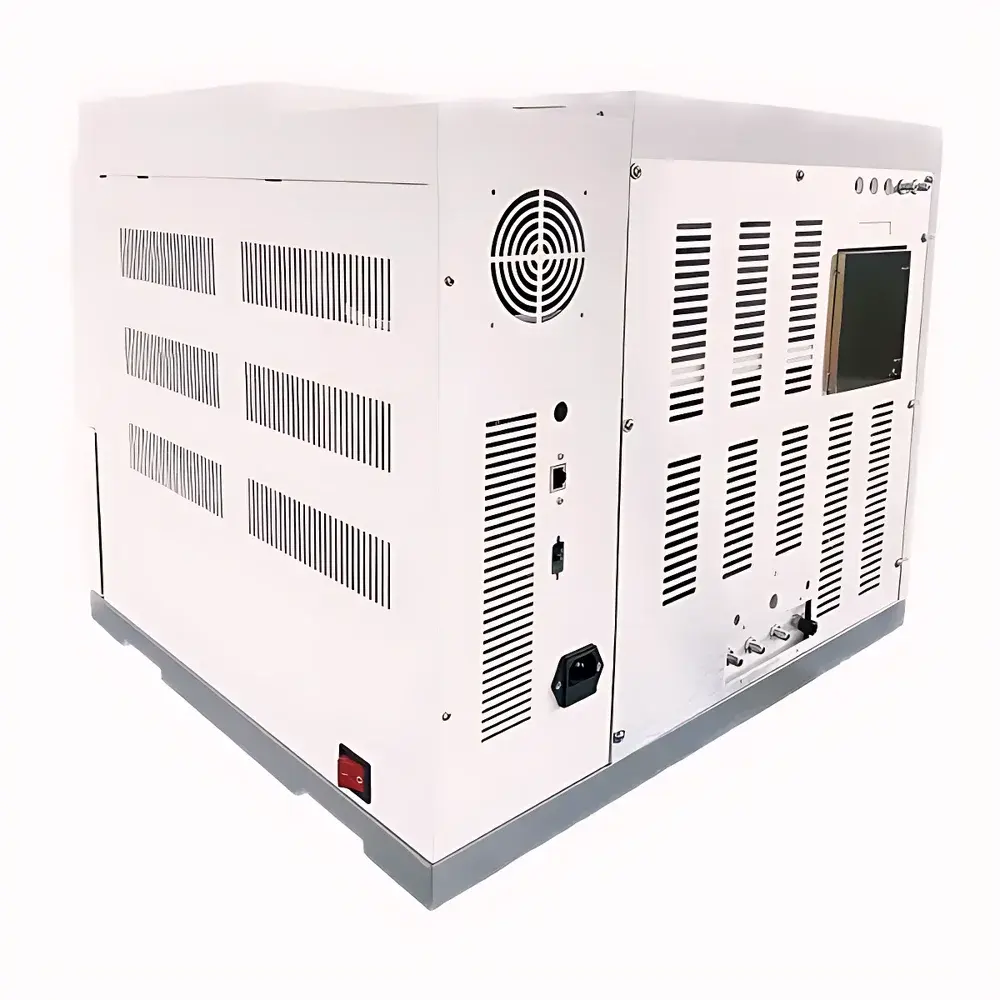
Shandong Jinpu QT-3000 Light Hydrocarbon Analyzer (Gas Chromatograph)
| Brand | Jinpu |
|---|---|
| Origin | Shandong, China |
| Model | QT-3000 |
| Instrument Type | Laboratory Gas Chromatograph |
| Application Field | Environmental Monitoring & Petroleum Geochemistry |
| Temperature Control Range | Ambient +8 °C to 420 °C (0.1 °C increment) |
| Oven Ramp Rate | 0.1–80 °C/min (0.1 °C increment) |
| Cooling Rate | 450 °C → 50 °C in ≤6 min |
| Carrier Gas Flow Range & Control | 0–1200 mL/min (EPC/EFC) |
| Carrier Gas Pressure Range & Control | 0–970 kPa (EPC/EFC) |
| Injector Max Temp | 400 °C |
| Injector Pressure Setpoint Range | 0–970 kPa |
| Injector Total Flow Setpoint Range | 0–1200 mL/min |
| FID Detection Limit | ≤2×10⁻¹² g/s (benzene) |
| FID Noise | ≤0.02 mV |
| FID Drift | ≤0.15 mV/h |
| FID Linearity | ≥10⁷ |
| Temperature Stability | ±0.05 °C (≤200 °C), ±0.1 °C (>200 °C) |
Overview
The Shandong Jinpu QT-3000 Light Hydrocarbon Analyzer is a dedicated laboratory gas chromatograph engineered for high-reproducibility quantitative analysis of C₁–C₉ hydrocarbons in complex geological and environmental matrices—including drilling muds, cuttings, soil extracts, water headspace, and crude oil fractions. It operates on the principle of dynamic headspace sampling coupled with capillary gas chromatography and flame ionization detection (GC-FID). Samples are thermally equilibrated in sealed vials at precisely controlled temperatures; volatile light hydrocarbons are then transferred via pressurized gas flow into a high-resolution fused-silica capillary column for separation based on boiling point, polarity, and molecular interaction. The eluting compounds are detected by a temperature-stabilized FID with sub-picogram sensitivity, enabling accurate quantification of over 100 individual hydrocarbon species. Designed specifically for petroleum geochemical screening and environmental hydrocarbon fingerprinting, the QT-3000 delivers robust performance under both routine lab and field-deployable conditions when paired with optional UPS and voltage stabilizers.
Key Features
- Integrated dynamic headspace autosampler compatible with solid (cuttings, soil) and liquid (mud, water, condensate) samples—no manual vial piercing or syringe injection required
- Electronically controlled pneumatic (EPC/EFC) systems for carrier gas (N₂), makeup gas (air), and hydrogen fuel—ensuring stable retention times and inter-run reproducibility
- Multi-segment programmable oven temperature control (up to 12 ramps/step), supporting complex retention gap strategies and optimized resolution of co-eluting C₃–C₅ isomers
- Touchscreen HMI with embedded Ethernet interface for remote monitoring, method transfer, and networked data export (CSV, PDF, XML)
- Auto-ignition sequence with continuous flame status monitoring and automatic re-ignition upon flame-out detection
- Rapid cooling capability (450 °C → 50 °C in ≤6 min) enabled by active air-cooling ducts and thermal mass optimization—reducing cycle time between analyses
- Injector temperature stability maintained within ±0.05 °C up to 200 °C and ±0.1 °C above—critical for minimizing analyte degradation and adsorption artifacts
Sample Compatibility & Compliance
The QT-3000 supports standardized sample preparation protocols aligned with ASTM D5845 (Standard Test Method for Determination of Aromatics in Gasoline by GC), ISO 12913-2 (Hydrocarbon Analysis in Crude Oil), and Chinese GB/T 1884–2000 (Petroleum Products—Determination of Density). Its headspace configuration complies with EPA Method 8260C for volatile organic compound (VOC) analysis in environmental solids and liquids. All hardware and firmware adhere to IEC 61000-6-3 (EMC emission standards) and IEC 61010-1 (safety requirements for electrical equipment for measurement). Audit trail functionality—including user login, method versioning, parameter change logs, and raw data timestamping—is implemented to support GLP and GMP environments requiring traceability per FDA 21 CFR Part 11.
Software & Data Management
The QT-3000 is operated via Jinpu’s proprietary ChromaLink™ GC Workstation, a Windows-based application certified for Windows 10/11 (64-bit) and compatible with Microsoft Office integration. The software provides real-time chromatogram visualization, automated peak detection using second-derivative algorithms, multi-point calibration curve generation (linear, quadratic, polynomial), and customizable reporting templates. For light hydrocarbon analysis, it includes a built-in hydrocarbon group-type deconvolution module that classifies resolved peaks into n-alkanes, iso-alkanes, alkenes, cycloalkanes, and mono-/di-aromatics based on retention index libraries and carbon-number correlation models. Raw data (.raw), processed results (.csv), and audit logs (.xml) are stored in a hierarchical folder structure with SHA-256 checksum verification to ensure data integrity.
Applications
- Geochemical evaluation of source rock maturity and migration pathways via C₁–C₉ distribution patterns and carbon preference index (CPI) calculations
- Drilling fluid contamination monitoring during exploration—early detection of formation fluid influx through light hydrocarbon anomaly profiling
- Environmental site assessment: quantification of gasoline-range organics (GRO) and diesel-range organics (DRO) in soil and groundwater
- Refinery feedstock characterization—rapid screening of light ends composition prior to fractionation
- Quality control of LPG and natural gas liquids (NGLs) for compliance with ASTM D1835 and ISO 8573-1 specifications
- Research applications in catalytic cracking product analysis and biodegradation studies of petroleum hydrocarbons
FAQ
What types of samples can be directly analyzed without derivatization or extraction?
Solid samples (e.g., drill cuttings, soil cores) and liquid samples (e.g., aqueous extracts, mud filtrates, condensates) may be introduced directly into the headspace vial—no solvent extraction or chemical pretreatment is required.
Is the system compliant with regulatory data integrity requirements?
Yes. ChromaLink™ implements role-based access control, electronic signatures, and immutable audit trails meeting FDA 21 CFR Part 11 and EU Annex 11 expectations for regulated laboratories.
Can the QT-3000 be integrated into a LIMS environment?
Yes. It supports ASTM E1384-compliant data export and offers optional OPC UA server integration for bidirectional communication with major laboratory information management systems.
What maintenance intervals are recommended for optimal FID performance?
FID jet cleaning and detector alignment are recommended every 200–300 sample injections; ceramic igniter replacement is advised annually or after 5,000 ignition cycles.
Does the instrument support method validation according to ICH Q2(R2)?
Yes. The system provides tools for precision (repeatability, intermediate precision), accuracy (spike recovery), linearity (5–7 concentration levels), LOD/LOQ determination, and robustness testing (±1 °C oven temp, ±0.2 mL/min flow variation).
Related Products




