
Shangzhun CCA Crease Analysis System
| Brand | Shangzhun |
|---|---|
| Origin | Italy |
| Manufacturer Type | Authorized Distributor |
| Origin Category | Imported |
| Model | CCA |
| Pricing | Available Upon Request |
Overview
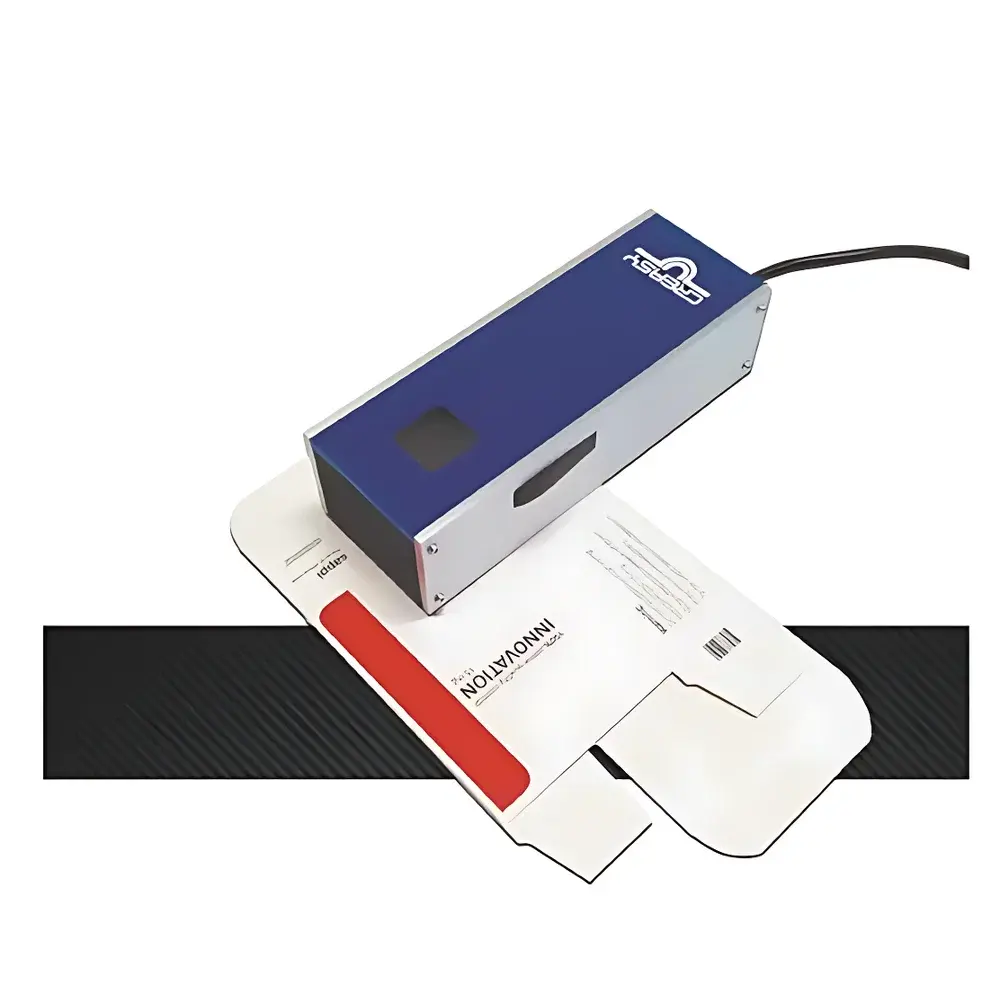
The Shangzhun CCA Crease Analysis System is a precision metrology instrument engineered for objective, repeatable quantification of crease geometry in folding carton manufacturing. Unlike subjective visual inspection or manual caliper-based assessment, the CCA employs high-resolution digital imaging combined with calibrated photogrammetric algorithms to measure critical geometric parameters—including crease depth, angle (fold line deviation), symmetry, bead profile, and edge alignment—directly on finished or in-process cartons. The system operates on the principle of structured-light-aided edge detection and sub-pixel centroid localization, enabling traceable, non-contact measurement compliant with ISO 534 (paper and board thickness), ISO 287 (moisture content influence on crease behavior), and relevant sections of TAPPI T 813 (folding endurance). Designed for integration into pre-press validation, die-cutting setup, and inline quality assurance workflows, the CCA delivers metrological rigor where dimensional consistency directly impacts fold integrity, glue adhesion, and final package functionality.
Key Features
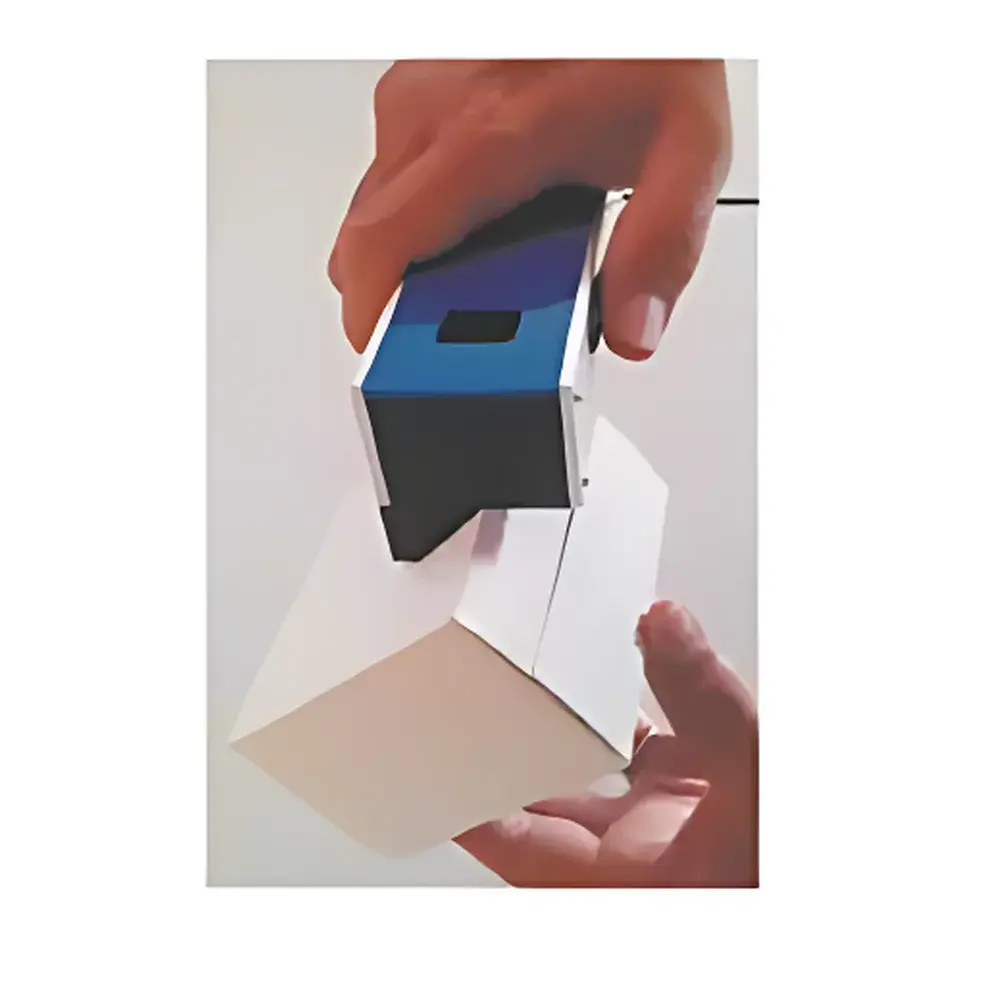
- Handheld high-definition CMOS imaging module with integrated LED illumination and optical distortion correction
- Real-time on-screen overlay of measured crease parameters against user-defined tolerances (e.g., ±0.3° angular deviation, ±0.15 mm depth variation)
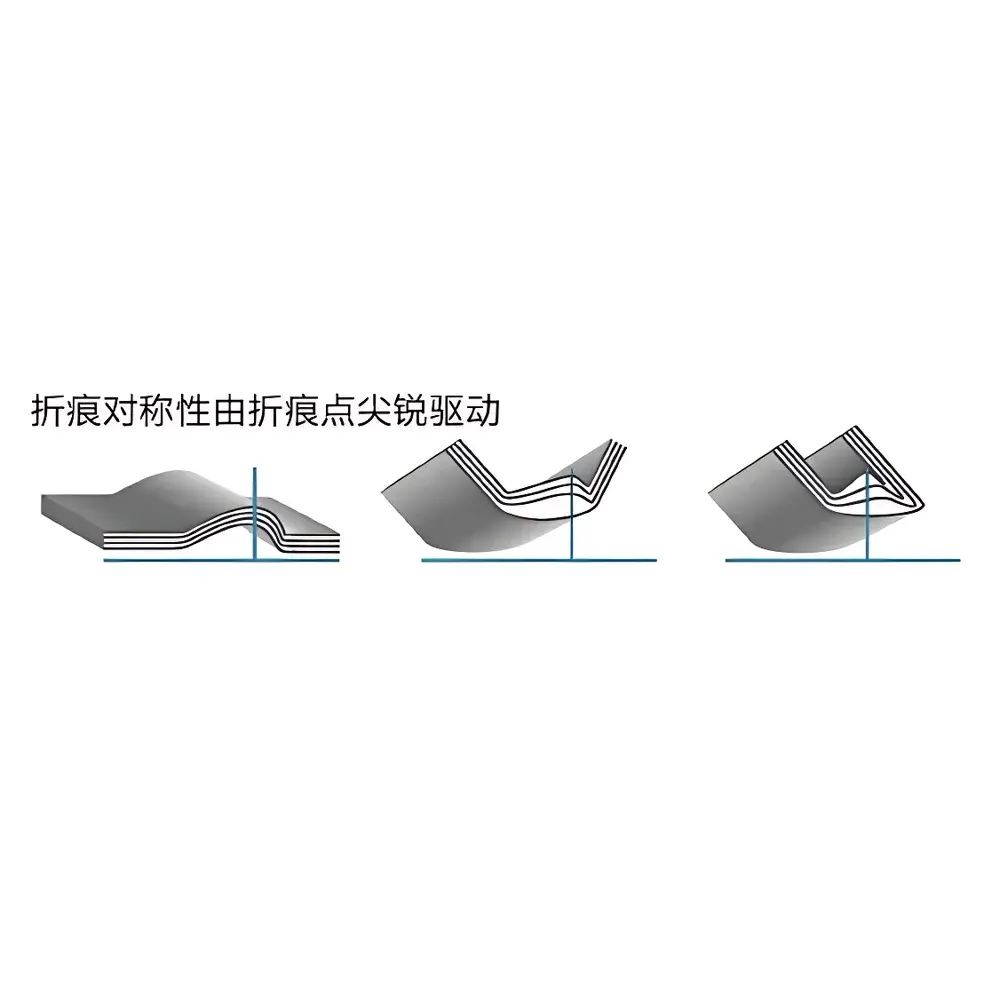
- Automated bead-to-crease distance calculation and bilateral symmetry ratio (left/right deviation ≤ 2%)
- Calibration traceability to NIST-traceable step gauges and angular reference wedges
- Ruggedized industrial enclosure rated IP54 for shop-floor deployment near die-cutting and folding equipment
- One-button export of measurement reports in PDF and CSV formats, including annotated images and statistical summaries (mean, std. dev., Cp/Cpk)
Sample Compatibility & Compliance
The CCA accommodates standard folding boxboard (FBB), solid bleached sulfate (SBS), clay-coated newsback (CCNB), and corrugated combined board substrates ranging from 200–600 g/m² basis weight. It supports crease widths from 0.3 mm to 3.5 mm and depths up to 1.2 mm—covering standard rotary and flatbed creasing applications. All measurement protocols align with GLP (Good Laboratory Practice) documentation requirements and support audit-ready data retention. Software-generated reports include timestamps, operator ID, calibration status, and environmental metadata (ambient temperature/humidity logged via optional external sensor input), satisfying internal QA procedures and third-party certification audits per ISO 9001:2015 Clause 8.5.2 (Identification and traceability).
Software & Data Management
The CCA runs on Windows-based analysis software with role-based access control (administrator, technician, supervisor). Measurement data is stored in an encrypted local SQLite database with configurable auto-backup to network drives. Audit trails record all user actions—including parameter edits, report generation, and calibration events—in accordance with FDA 21 CFR Part 11 requirements for electronic records and signatures. Batch-level SPC charts (X̄-R and I-MR) are auto-generated for trending analysis across production runs. Export modules support direct integration with MES platforms via OPC UA or RESTful API endpoints, enabling real-time process feedback loops to die-setting stations.
Applications
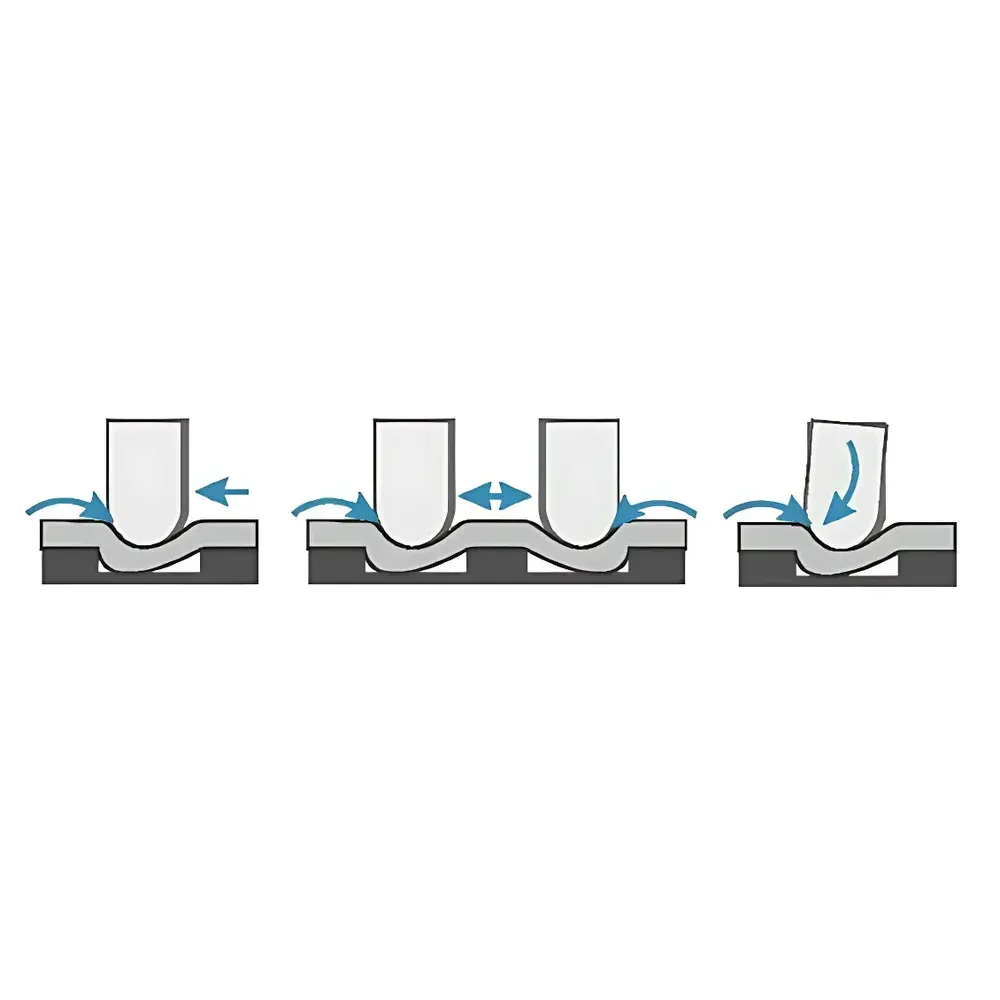
- Pre-production validation of creasing rule geometry and pressure settings on rotary die-cutters
- Root-cause analysis of folding failures (e.g., cracking, spring-back, misalignment) during technical service interventions
- Supplier qualification testing for incoming board lot acceptance (AQL sampling per ISO 2859-1)
- Correlation studies between crease geometry and downstream performance metrics (e.g., ASTM D642 compression strength, TAPPI T 811 crush resistance)
- Training tool for press operators to visualize cause-effect relationships between machine settings and measurable crease attributes
FAQ
Does the CCA require periodic recalibration?
Yes—annual recalibration is recommended using certified reference artifacts; field verification checks can be performed daily using the included calibration target.
Can the system measure creases on printed or embossed substrates?
Yes—the software includes adaptive contrast enhancement and multi-threshold segmentation to maintain accuracy on variable surface finishes.
Is offline operation supported?
Yes—the full measurement and reporting suite functions without internet connectivity; cloud sync is optional and disabled by default.
What PC specifications are required?
Minimum: Intel Core i5-8400, 8 GB RAM, Windows 10 Pro 64-bit, USB 3.0 port; recommended: SSD storage and dual-monitor setup for side-by-side image/analysis view.
How is measurement uncertainty quantified?
Expanded uncertainty (k=2) is stated as ±0.08° for angle and ±0.05 mm for depth under controlled lab conditions (23°C ±1°C, 50% RH ±5%), per ISO/IEC 17025-compliant uncertainty budget documentation supplied with each unit.





