
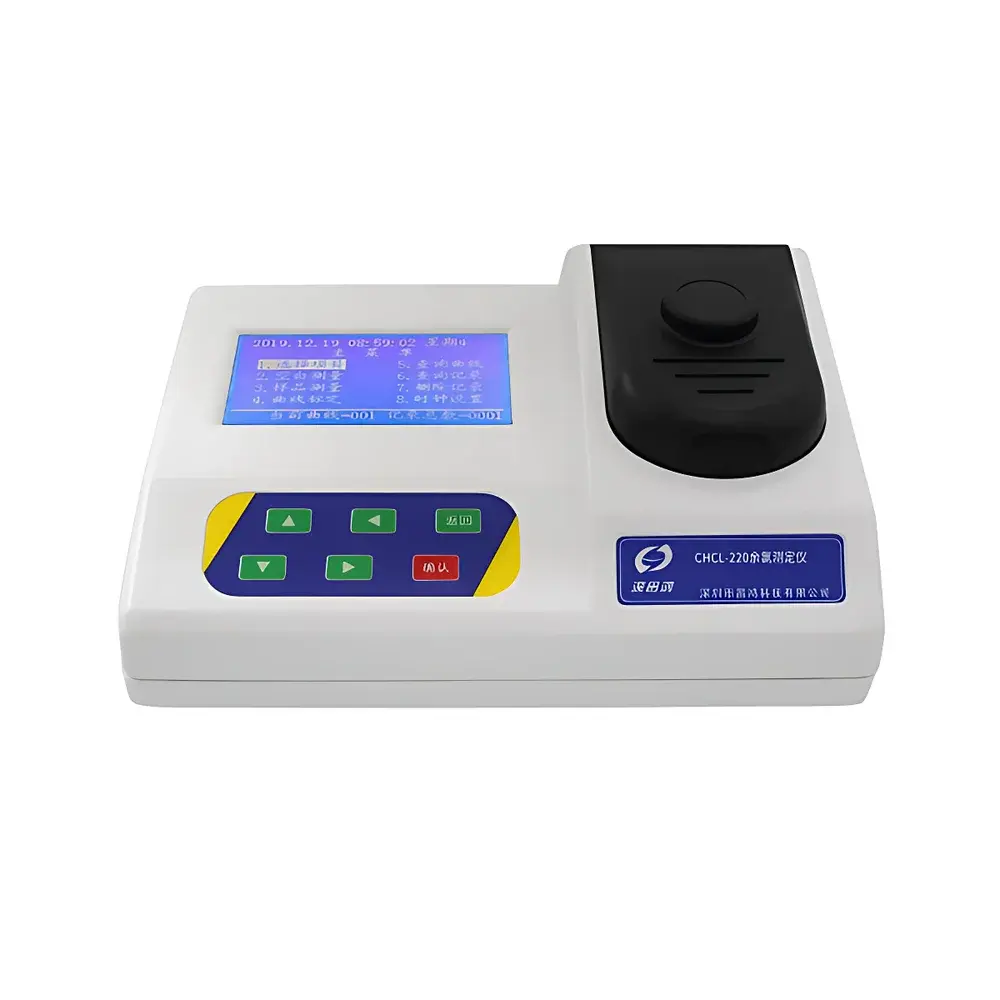
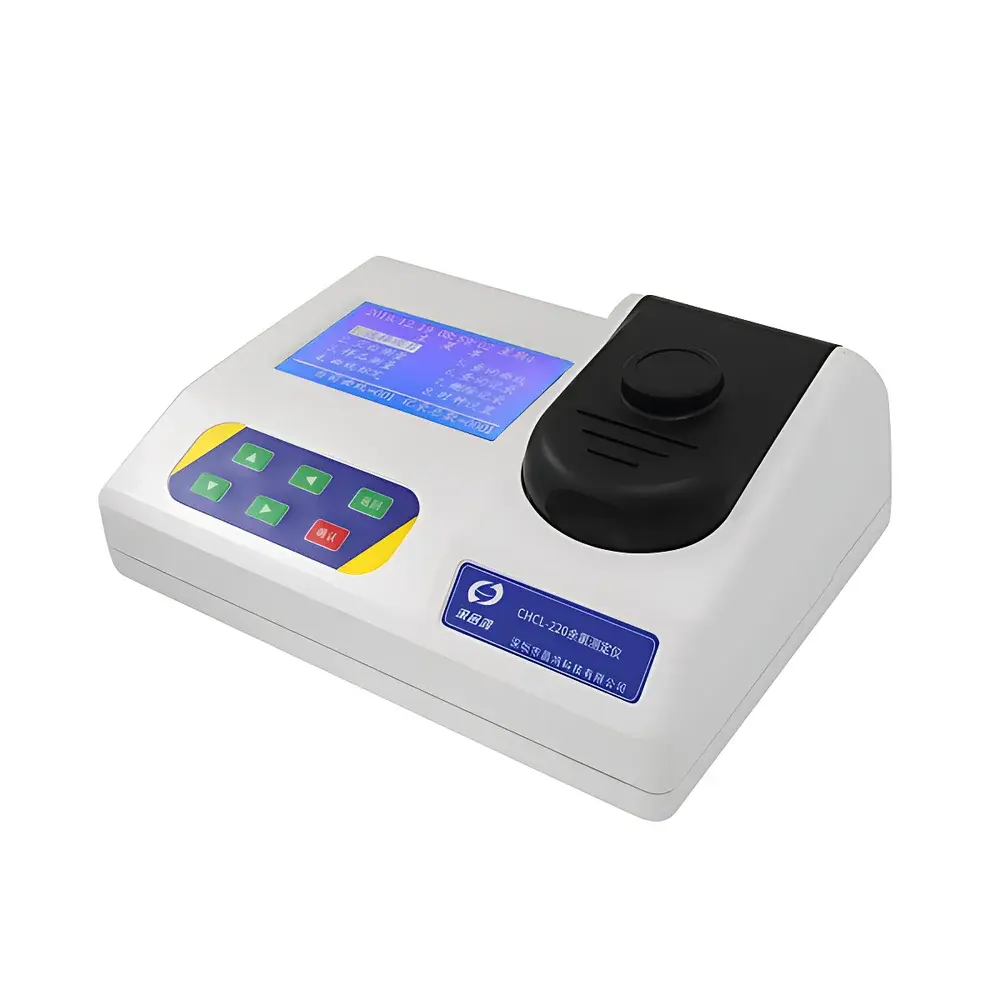
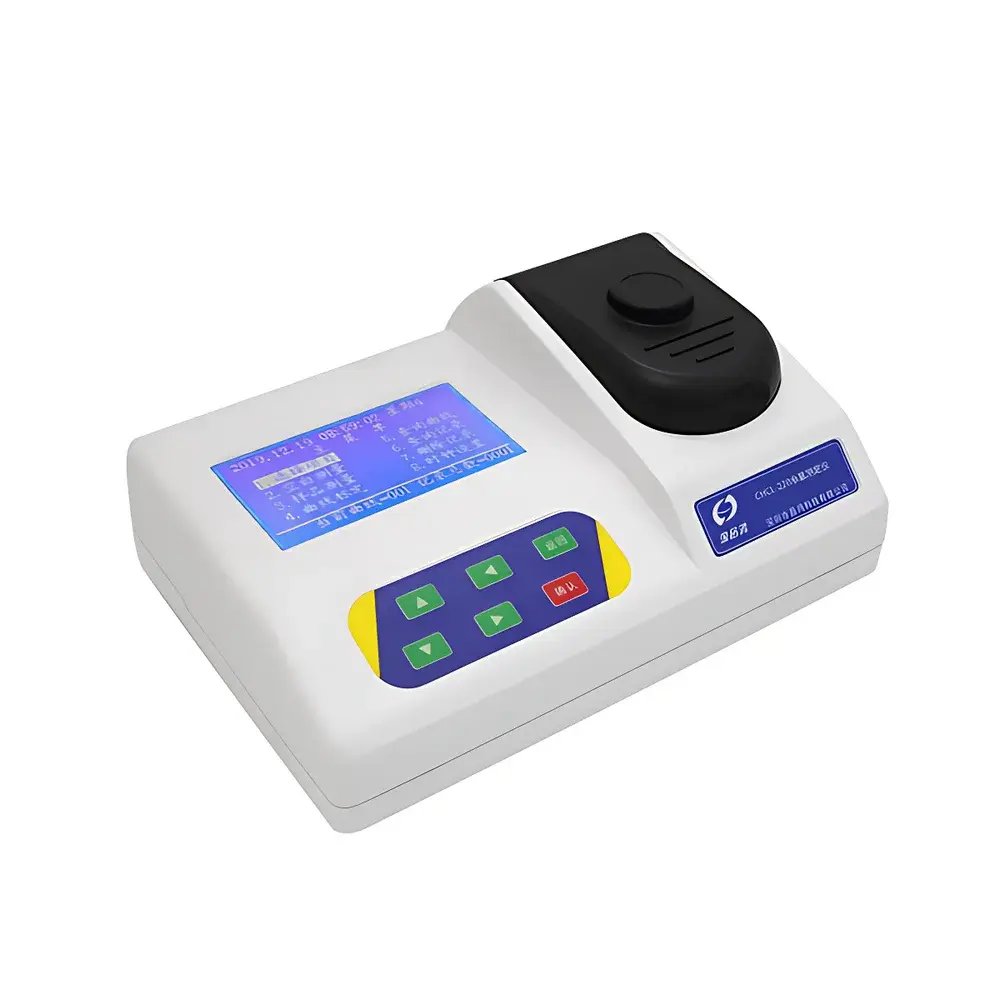
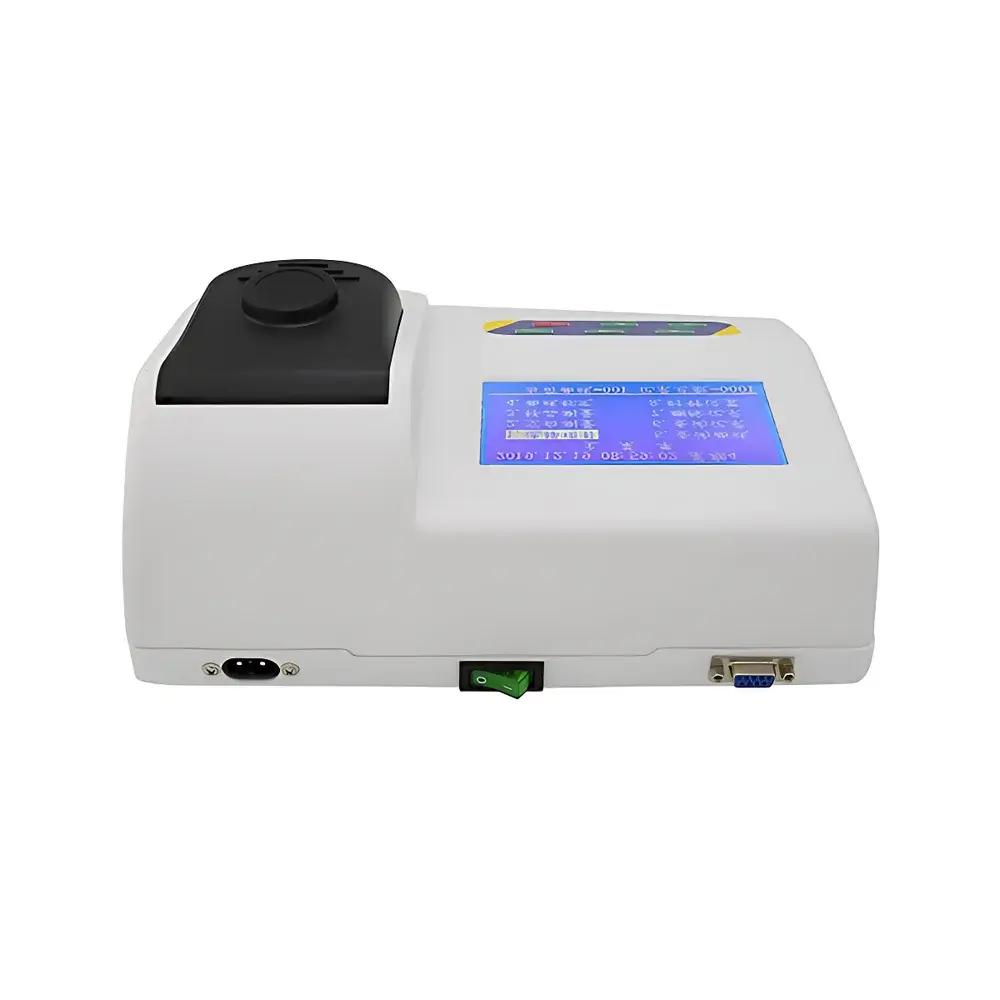
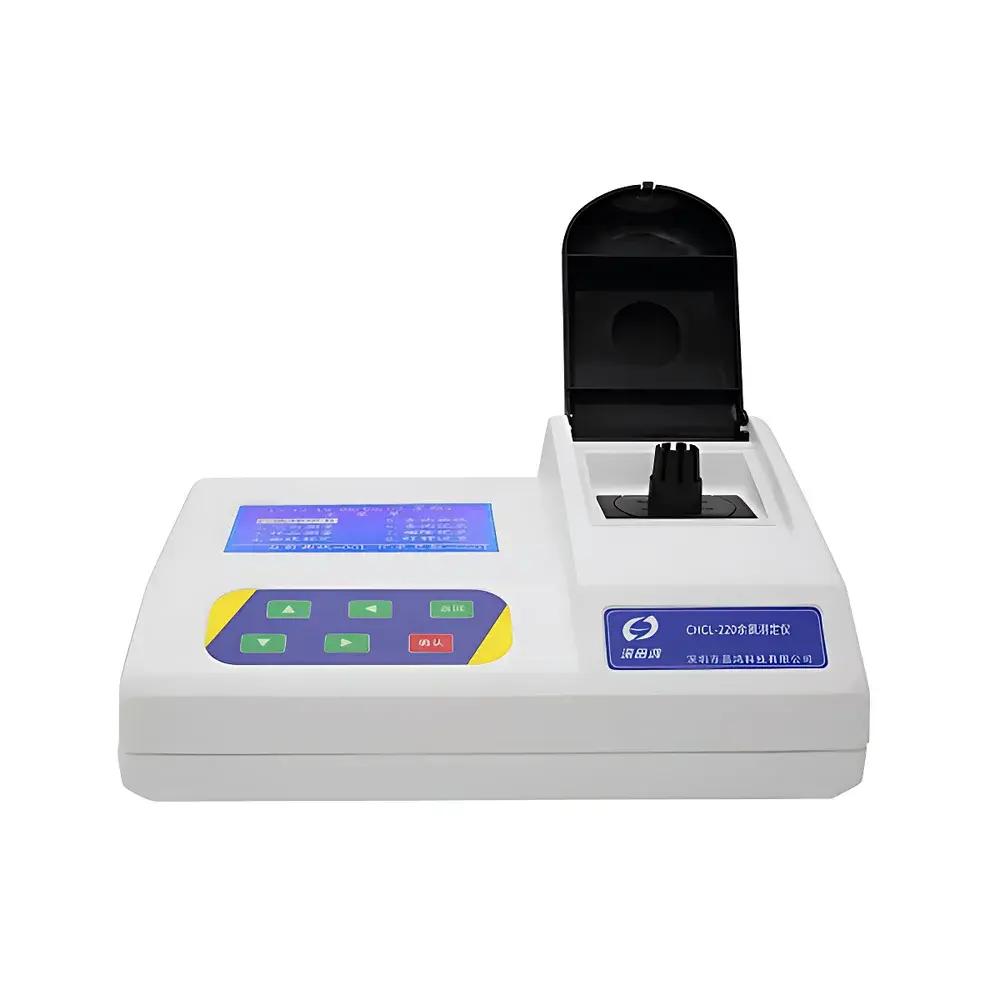
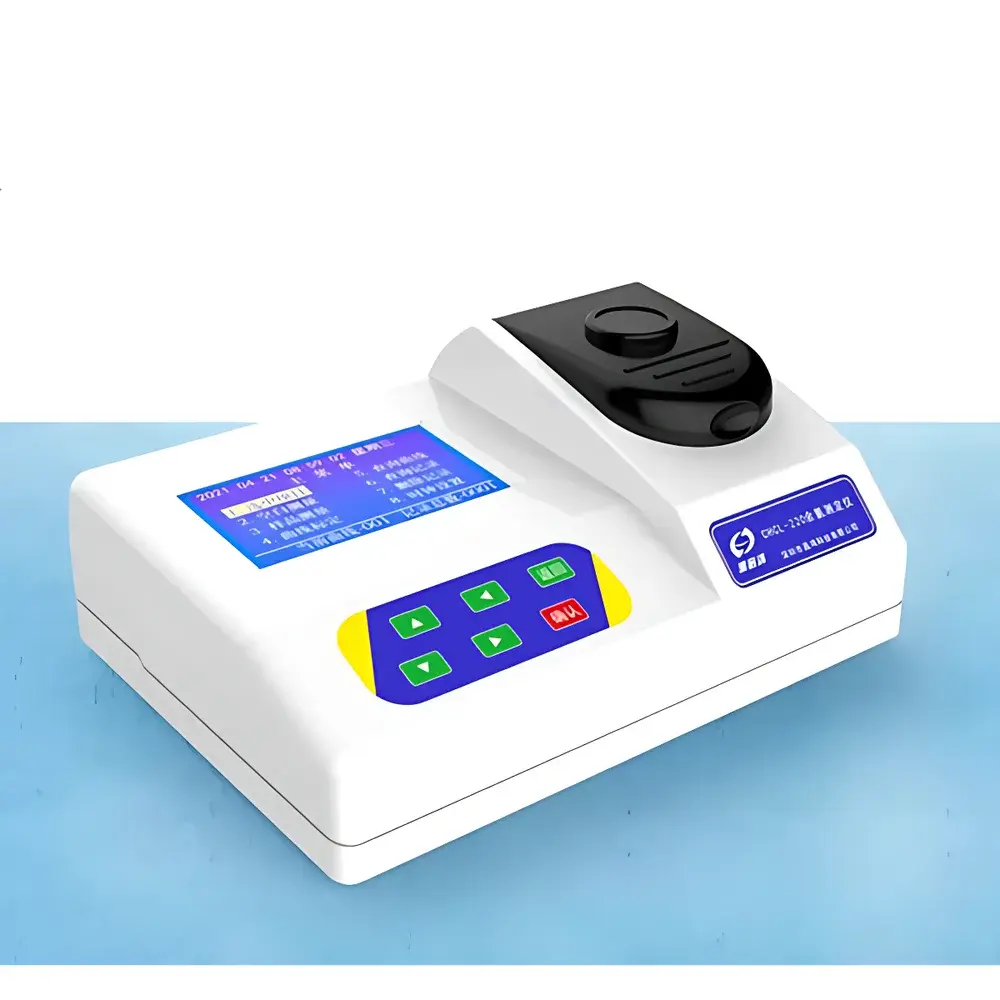
Shenchanghong CHCL-220 Residual Chlorine Analyzer
| Brand | Shenchanghong |
|---|---|
| Origin | Guangdong, China |
| Manufacturer Type | Direct Manufacturer |
| Product Category | Domestic Instrument |
| Model | CHCL-220 |
| Instrument Type | Benchtop Laboratory Analyzer |
| Measurement Principle | DPD Colorimetric Method (Standard EPA 330.5 / ISO 7393-2) |
| Measured Parameter | Free Residual Chlorine |
| Measurement Range | 0.02–10.00 mg/L (dual-range: 0.02–2.00 mg/L and 2.00–10.00 mg/L) |
| Accuracy | ≤ ±3% of Full Scale (F.S.) |
| Repeatability | ≤ 3% RSD |
| Detection Limit | 0.02 mg/L |
| Resolution | 0.01 mg/L |
| Dimensions | 266 mm × 220 mm × 130 mm |
| Weight | < 1.0 kg |
| Operating Temperature | 5–40 °C |
| Relative Humidity | ≤ 85% RH (non-condensing) |
| Power Supply | AC 220 V ± 10%, 50/60 Hz |
| Housing Material | ABS plastic with chemical resistance |
| Optical System | High-intensity LED light source (100,000-hour lifetime), narrow-band interference filters, fixed optical path |
Overview
The Shenchanghong CHCL-220 Residual Chlorine Analyzer is a benchtop colorimetric instrument engineered for precise, rapid quantification of free residual chlorine in aqueous samples. It operates on the standardized N,N-diethyl-p-phenylenediamine (DPD) method—fully compliant with EPA Method 330.5 and ISO 7393-2—where free chlorine oxidizes DPD to form a stable pink-colored quinoneimine dye. Absorbance is measured at 515 nm using a fixed-pathlength optical system featuring a high-stability, long-life LED light source and precision narrow-band interference filters. This architecture eliminates drift from ambient light interference and thermal fluctuation, delivering robust photometric performance under routine laboratory conditions. Designed for trace-level analysis in potable water, process water, and wastewater matrices, the CHCL-220 supports dual-range measurement (0.02–2.00 mg/L and 2.00–10.00 mg/L) with a detection limit of 0.02 mg/L and resolution of 0.01 mg/L—enabling compliance verification against WHO drinking water guidelines (≤ 5 mg/L) and US EPA maximum residual disinfectant level (MRDL) of 4 mg/L.
Key Features
- Stable optical platform: 100,000-hour lifetime high-brightness LED paired with temperature-compensated narrow-band interference filters ensures consistent photometric response across extended operation cycles.
- Dual-range auto-ranging capability: Automatically selects optimal sensitivity range based on sample concentration, minimizing manual dilution steps and operator error.
- Embedded 16-bit microcontroller architecture: Delivers deterministic real-time data processing, low power consumption (< 5 W), and immunity to electromagnetic interference per IEC 61326-1 Class B requirements.
- Chemically resistant ABS housing: Injection-molded enclosure meets IP42 rating for protection against splashes and particulate ingress during routine lab handling.
- User-configurable calibration: Stores up to 10 custom calibration curves alongside factory-default DPD curve; supports single-point or multi-point standardization using certified reference materials (e.g., NIST-traceable chlorine standards).
- Non-volatile data logging: Retains up to 500 measurement records with timestamp, operator ID (optional), and calibration history—exportable via USB interface for audit-ready documentation.
Sample Compatibility & Compliance
The CHCL-220 accepts clarified, non-turbid aqueous samples with turbidity < 5 NTU and suspended solids 0.05 mg/L) and oxidized iron (> 0.1 mg/L) are suppressed by optional sodium arsenite pretreatment. The analyzer conforms to GLP data integrity requirements through secure user authentication, electronic signature support (21 CFR Part 11 ready), and immutable audit trails for all calibration, measurement, and configuration events.
Software & Data Management
Instrument firmware supports USB mass storage mode for direct export of CSV-formatted datasets containing sample ID, date/time stamp, measured value (mg/L), range used, calibration ID, and operator code. Optional PC software (CHCL-DataLink v2.1) enables automated report generation aligned with ISO/IEC 17025 clause 7.8 (results reporting), including uncertainty estimation per GUM (Guide to the Expression of Uncertainty in Measurement). All stored data retain metadata required for regulatory audits—including full traceability to NIST SRM 2801 (chlorine standard) and documented instrument verification logs.
Applications
- Drinking water treatment plants: Routine verification of chlorine residual at entry points, distribution nodes, and endpoint taps per ASTM D1253 and EN 15339.
- Pharmaceutical water systems: Monitoring of purified water (PW) and water-for-injection (WFI) loop residuals to satisfy USP and EU Annex 1 requirements.
- Food & beverage production: Sanitizer efficacy validation in CIP rinse waters and final product contact surfaces.
- Healthcare facilities: Disinfectant concentration control in dialysis water circuits and sterilization equipment feedwater.
- Environmental laboratories: Field-deployable benchtop analysis for EPA-certified wastewater discharge monitoring programs.
FAQ
What chlorine species does the CHCL-220 measure?
It measures free residual chlorine (hypochlorous acid and hypochlorite ion) using the DPD-Fast method. Total chlorine requires additional potassium iodide reagent; monochloramine interference is addressable via timed reagent addition protocol.
Is the instrument suitable for GLP or ISO 17025-accredited labs?
Yes—its firmware supports user access levels, electronic signatures, calibration lockout, and tamper-evident audit logs meeting ISO/IEC 17025:2017 clause 7.7 and FDA 21 CFR Part 11 Subpart B requirements.
Can calibration curves be transferred between instruments?
Yes—calibration parameters are stored in portable .cal files and can be imported/exported via USB, enabling method harmonization across multi-site laboratories.
What maintenance is required?
Annual optical path verification using certified neutral density filters and biannual cleaning of cuvette chamber with isopropyl alcohol; no lamp replacement needed within 10-year operational life.
Does it comply with drinking water regulations globally?
Yes—the DPD methodology and performance specifications align with WHO Guidelines for Drinking-water Quality (4th ed.), EU Directive 98/83/EC, and China’s GB 5749-2022 standards for residual chlorine monitoring.







