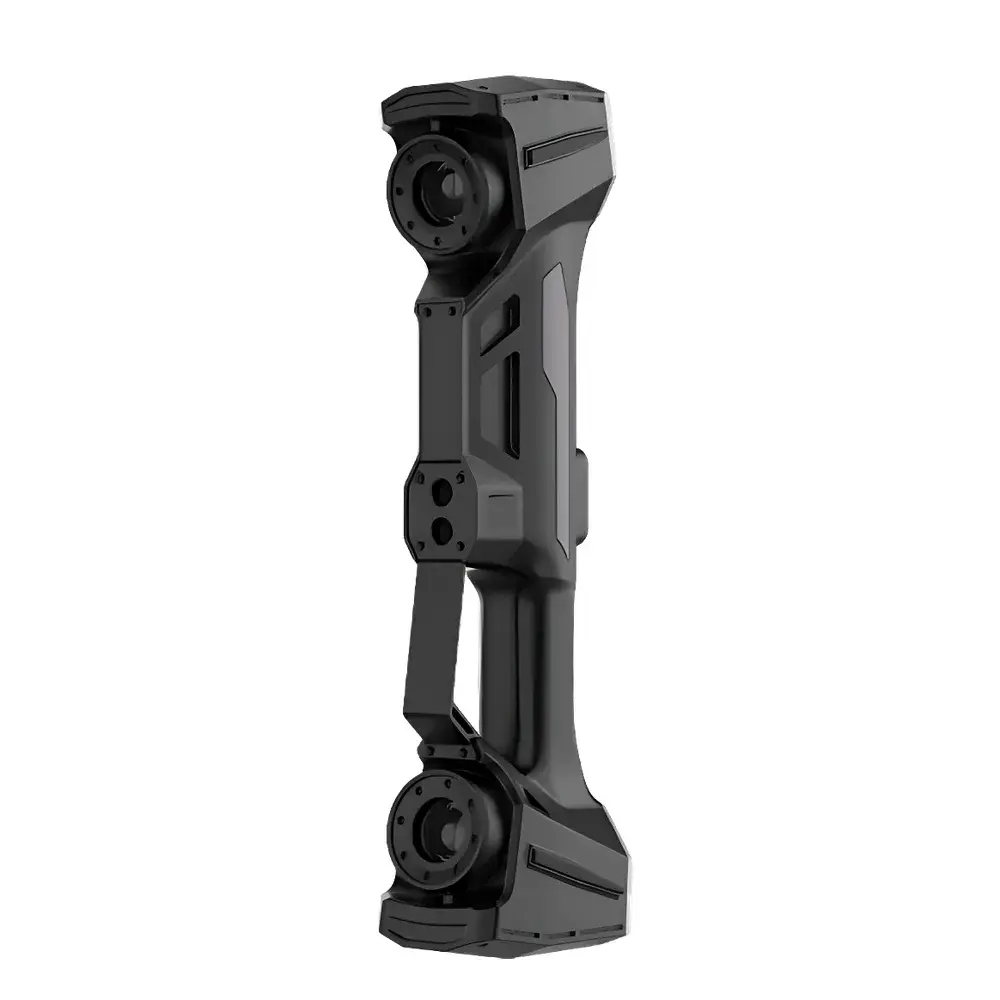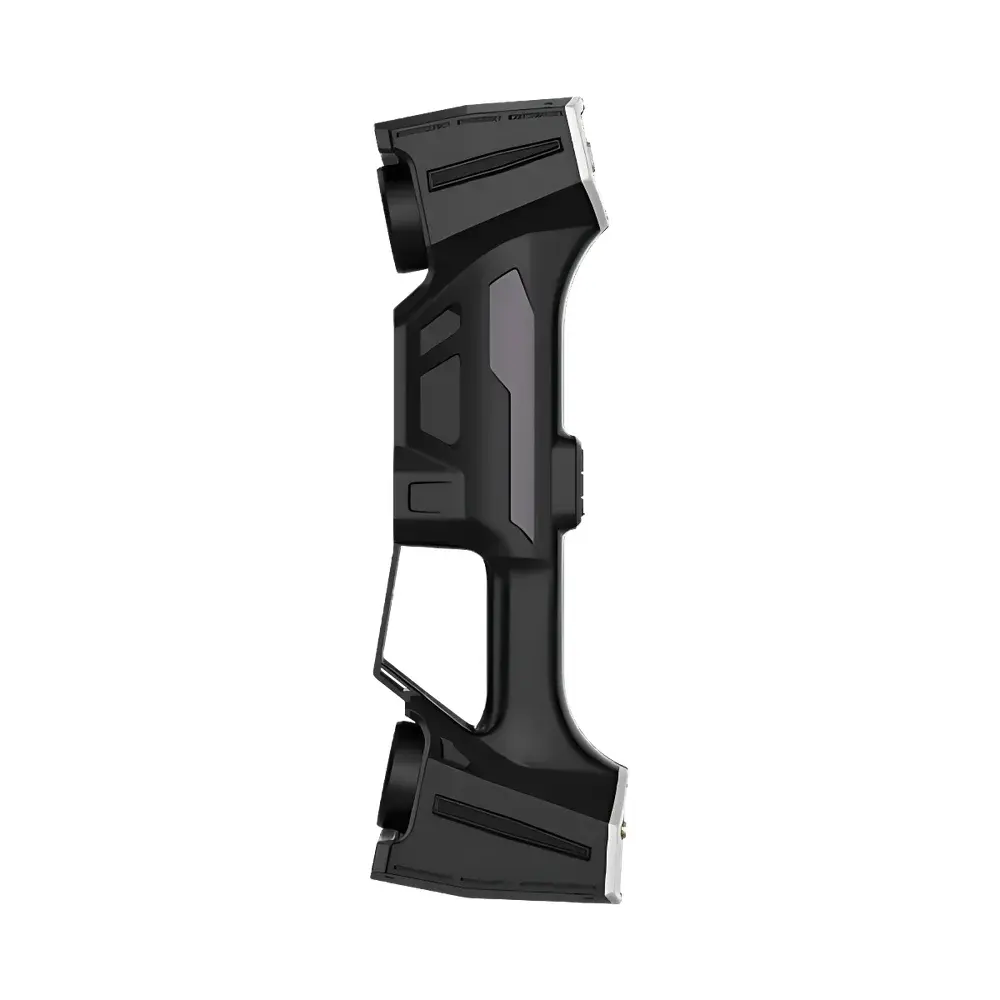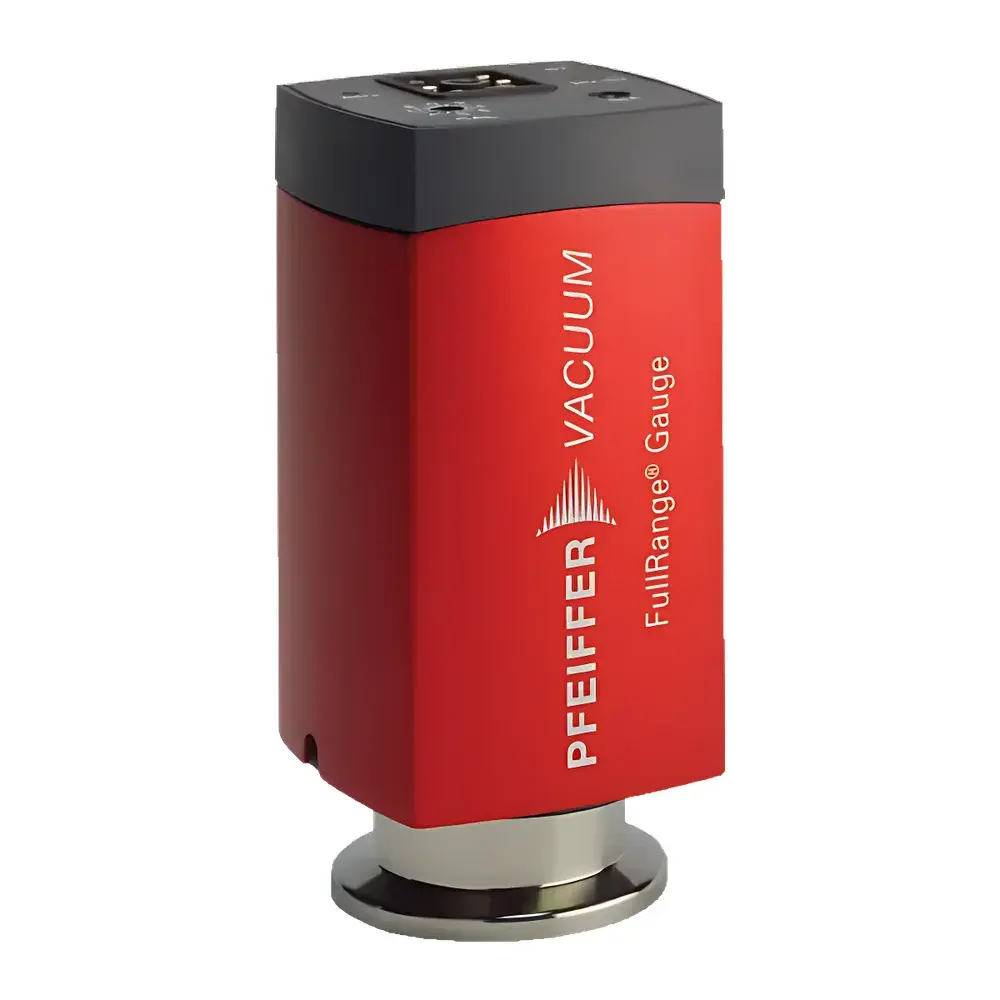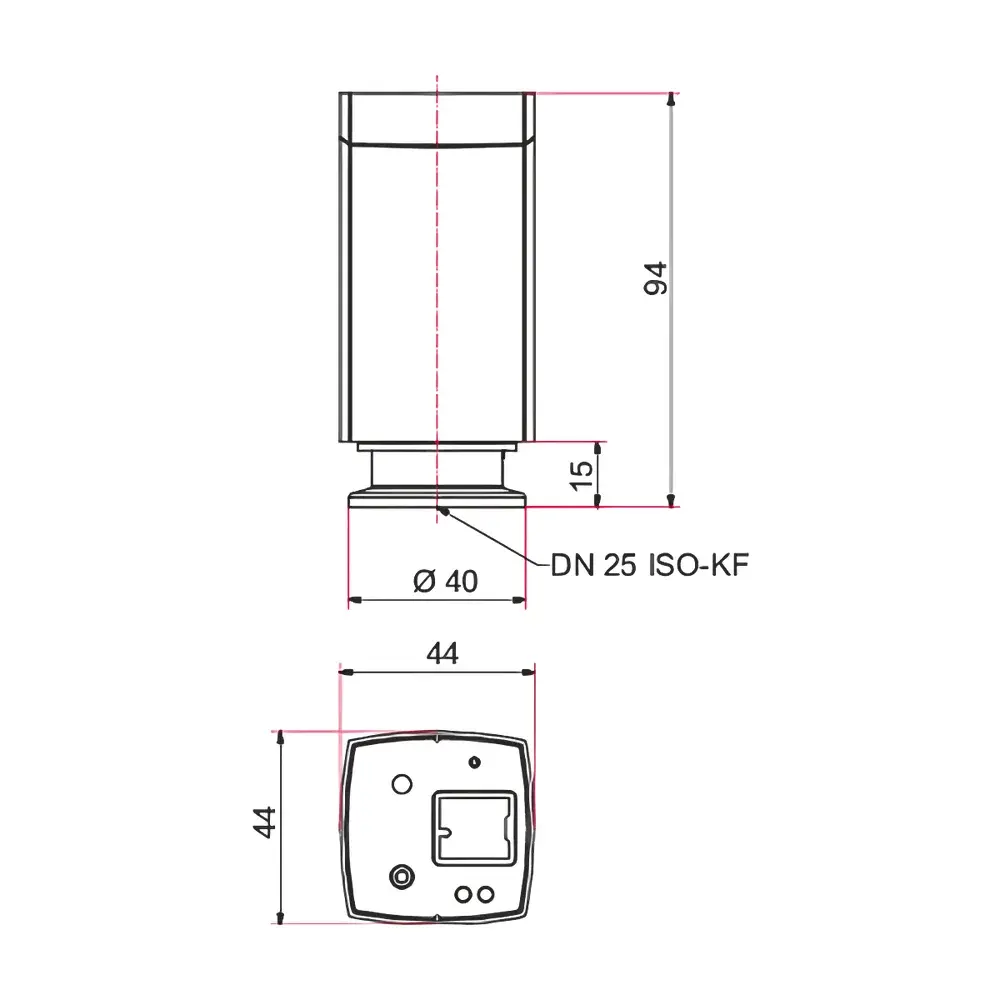
SonTek RiverSurveyor Acoustic Doppler Profiler (ADP)
| Brand | SonTek |
|---|---|
| Origin | USA |
| Model | RiverSurveyor |
| Flow Velocity Range | ±10 m/s |
| Resolution | 0.1 cm/s |
| Accuracy | ±1% of measured velocity or ±0.5 cm/s (whichever is greater) |
| Cells | Up to 100 depth cells |
| Operating Temperature | −5°C to 40°C |
| Storage Temperature | −10°C to 50°C |
| Power Supply | 12–24 V DC |
| Power Consumption (operational) | 2.0–2.5 W |
| Battery Capacity (2× alkaline, 5°C) | 1200 Wh (20–25 h continuous operation) |
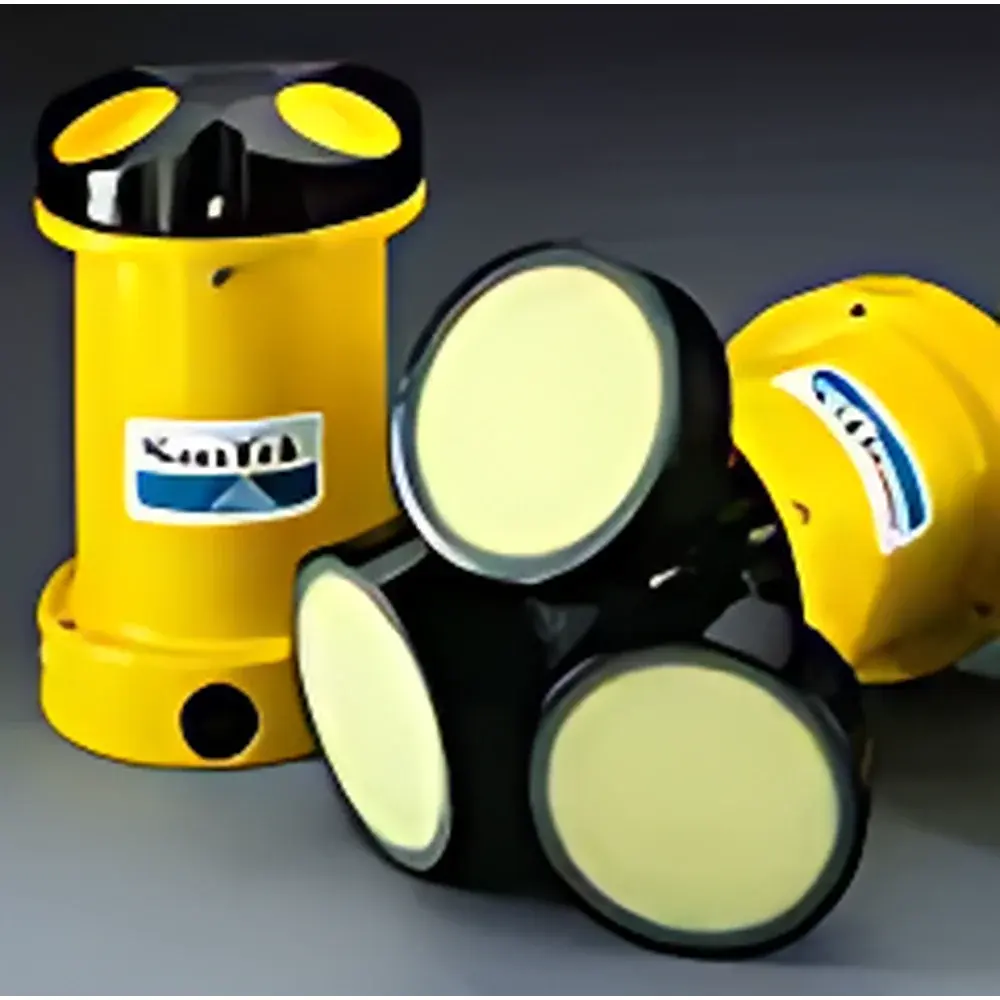
| Transducer | 10 cm diameter, triple-beam, titanium housing with epoxy-coated elements |
| Integrated Sensors | Compass, tilt, temperature |
| Interface | Wet-mateable digital signal processor, DGPS-ready, RS-232 serial |
| Cables | 3 m 14-conductor high-frequency power/data cable, 2 m RS-232 cable |
| Software | RiverSurveyor v6.x for Windows (includes audit-trail logging, GLP-compliant data export, and FDA 21 CFR Part 11–ready configuration options) |
Overview
The SonTek RiverSurveyor Acoustic Doppler Profiler (ADP) is a field-deployable, vessel-mounted current profiling system engineered for high-accuracy, real-time discharge measurement in open-channel hydrometric applications. It operates on the principle of acoustic Doppler velocimetry—transmitting precisely timed ultrasonic pulses into the water column and analyzing frequency shifts in the backscattered signals from suspended particles to compute three-dimensional velocity vectors across discrete depth cells. Unlike fixed-station ADCPs or point-velocity instruments, the RiverSurveyor ADP integrates bottom-tracking capability to resolve vessel motion relative to the riverbed, enabling robust moving-vessel discharge computation without external positioning drift correction. Its adaptive single-mode acquisition architecture automatically adjusts pulse length, blanking distance, and cell size based on real-time water depth—ensuring consistent profiling fidelity from shallow streams (≥0.3 m) to large rivers (e.g., Yangtze, Yellow River), without manual reconfiguration.
Key Features
- Triple-beam, 10 cm diameter transducer with titanium housing and epoxy-coated ceramic elements—optimized for corrosion resistance and acoustic coupling in turbid, sediment-laden, or low-salinity environments.
- Integrated inertial measurement unit (IMU) comprising solid-state compass and dual-axis tilt sensor—enabling real-time heading and pitch/roll compensation for accurate vector projection in meandering or sloped channels.
- Onboard digital signal processor with wet-mateable interface—supporting hot-swappable cable connections and minimizing field downtime during deployment transitions.
- Single operational mode with auto-adaptive profiling: dynamically allocates up to 100 depth cells, adjusts transmit frequency (options include 600 kHz, 1200 kHz, and 2400 kHz), and optimizes pulse repetition interval to maintain resolution and signal-to-noise ratio across variable depths and flow regimes.
- Low-power architecture: consumes only 2.0–2.5 W during active profiling—compatible with marine batteries, solar-charged systems, or vehicle auxiliary power, supporting extended unattended surveys.
Sample Compatibility & Compliance
The RiverSurveyor ADP is validated for use in natural and regulated open channels—including gravel-bed rivers, vegetated floodplains, and urban stormwater conveyances—where suspended sediment serves as acoustic scatterers. It complies with ASTM D5389-22 (Standard Practice for Measurement of Discharge Using Acoustic Doppler Current Profilers) and supports ISO 748:2022 (Liquid flow measurement in open channels — Velocity-area method using current meters and floats). All raw velocity and position data are timestamped and georeferenced via integrated DGPS input (NMEA 0183 v3.01 compliant), enabling traceable, auditable datasets required under GLP and GMP frameworks. Firmware and RiverSurveyor software support configurable audit trails, user access controls, and electronic signature workflows aligned with FDA 21 CFR Part 11 requirements for regulated environmental monitoring programs.
Software & Data Management
RiverSurveyor software (v6.x, Windows 10/11 compatible) provides end-to-end survey management—from mission planning and real-time QA/QC visualization to post-processing discharge computation and report generation. The interface displays live velocity profiles, bottom-track SNR metrics, and cross-sectional geometry overlays synchronized with DGPS trajectory. Data files are stored in native .rsv binary format with embedded metadata (instrument ID, calibration coefficients, sensor status flags) and exportable to CSV, Excel, and HEC-RAS-compatible formats. Version-controlled firmware updates, automated backup routines, and batch processing for multi-survey comparison ensure reproducibility and long-term data integrity. A dedicated “Shallow Water Mode” activates below 1.5 m depth—reducing cell size to 2 cm and lowering minimum detectable depth to 0.3 m while maintaining ±0.1 cm/s resolution.
Applications
- Routine streamflow gauging for USGS, national hydrological services, and watershed management authorities.
- Flood forecasting model calibration using high-temporal-resolution velocity cross-sections during rising/falling limbs.
- Sediment transport studies requiring concurrent velocity, depth, and bathymetric change analysis.
- Regulatory compliance monitoring for NPDES permits, dam release verification, and ecological flow assessments.
- Research-grade validation of numerical hydraulic models (e.g., TELEMAC, MIKE 21) through spatially dense, field-measured boundary conditions.
FAQ
Does the RiverSurveyor ADP require external GPS for bottom tracking?
No—bottom tracking is performed autonomously using the instrument’s own acoustic return signals; however, DGPS input is required to geolocate each profile and compute absolute discharge.
Can the system operate in saline or estuarine environments?
Yes—when equipped with the optional 600 kHz transducer and appropriate salinity correction settings in RiverSurveyor software, it maintains accuracy in conductivity ranges up to 40 mS/cm.
Is firmware upgrade supported in the field?
Yes—updates are delivered via USB or serial connection using SonTek’s certified firmware loader; all versions are digitally signed and backward-compatible with legacy calibration files.
What is the warranty coverage for the titanium transducer housing?
SonTek provides a standard 24-month limited warranty covering material defects and workmanship; extended service plans include annual factory recalibration and IMU drift verification.
How does the system handle highly aerated or bubbly flow conditions?
The RiverSurveyor employs adaptive pulse-pair processing and signal stacking algorithms to suppress bubble-induced noise; performance degradation is quantified in real time via echo amplitude and correlation coefficient metrics displayed in the software.