
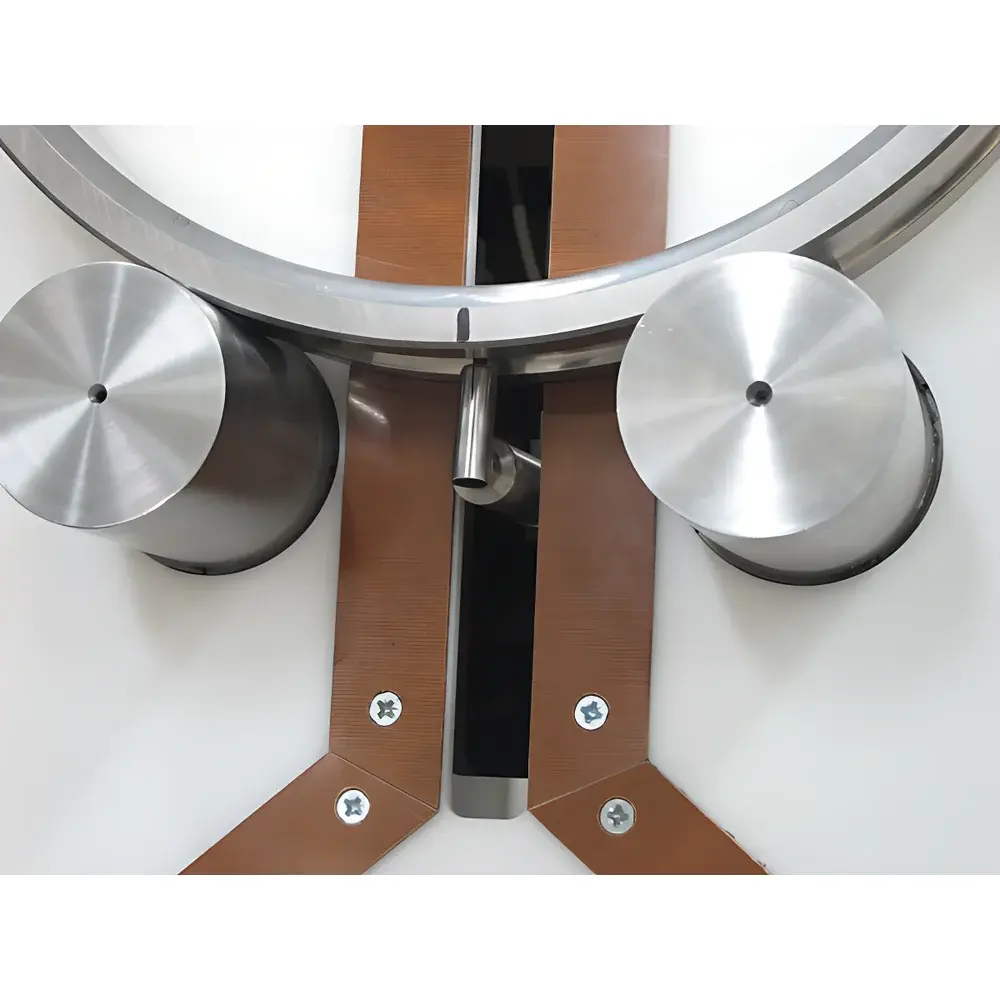
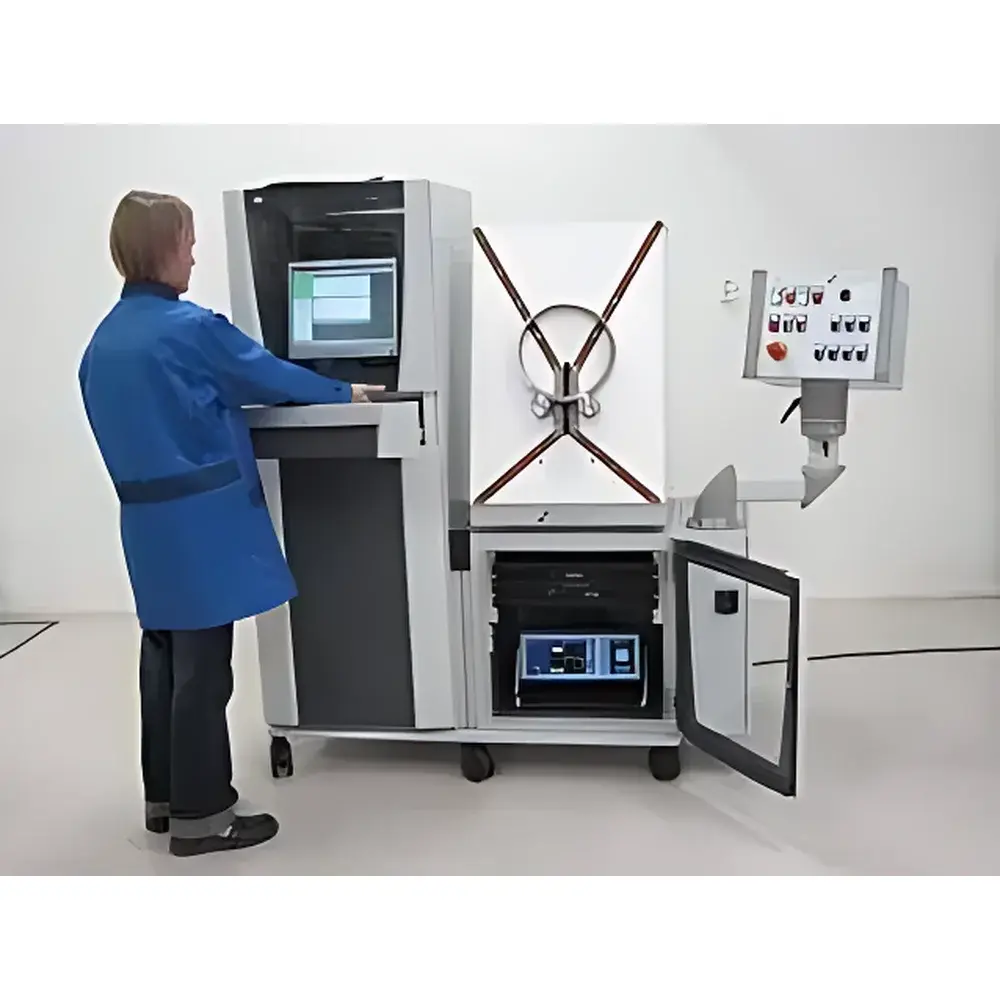
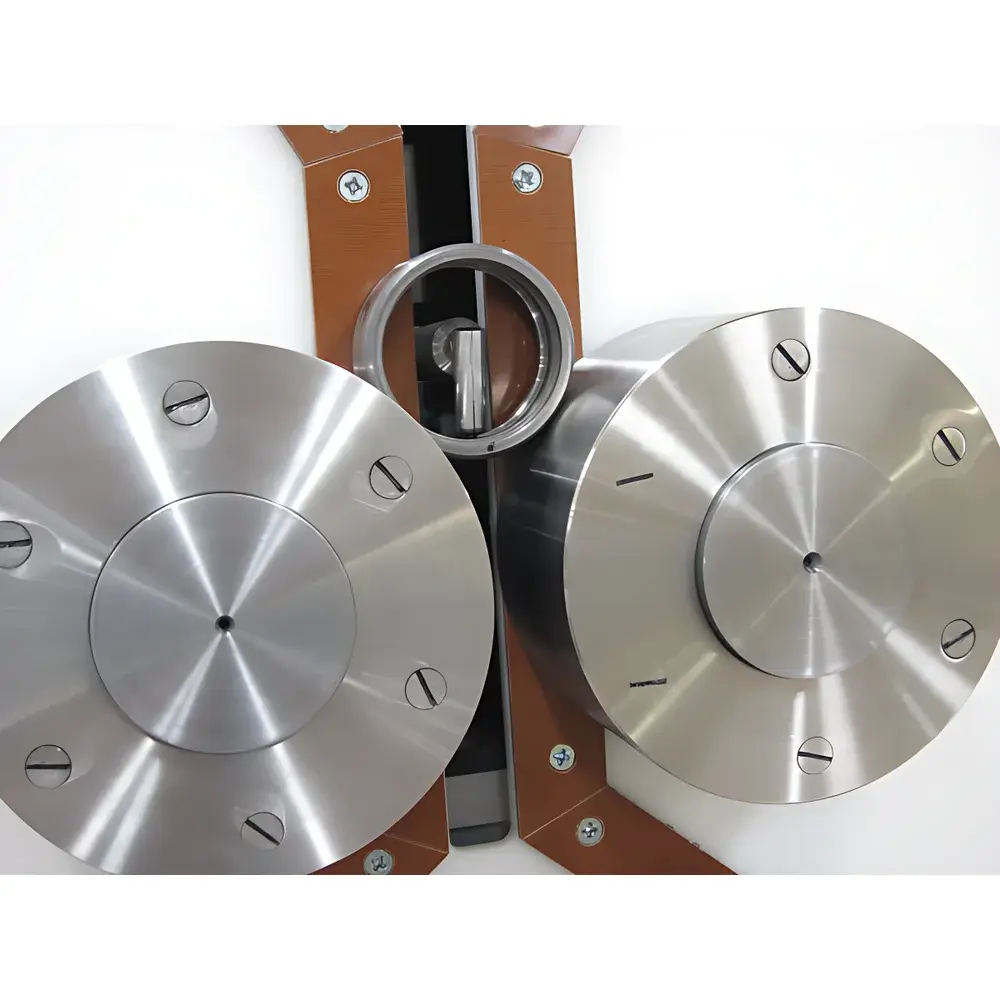
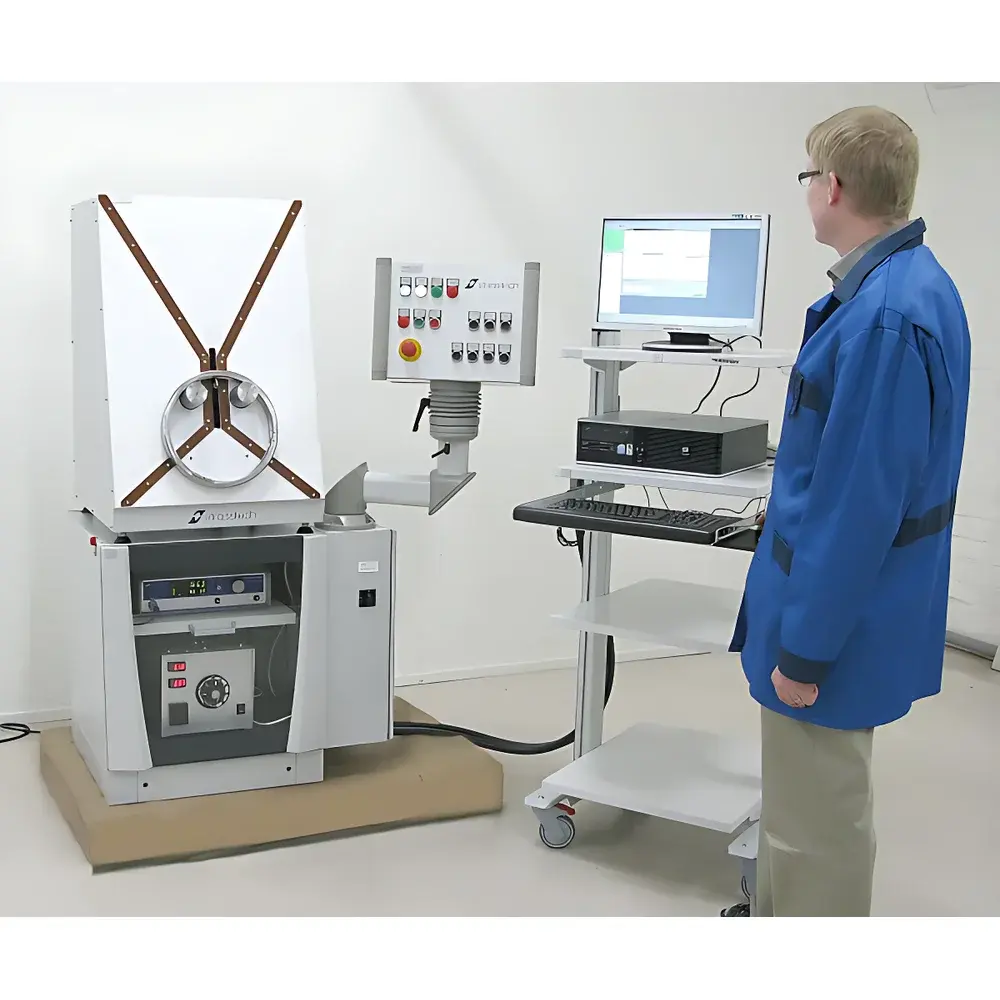
Stresstech BearingScan400 Bearing Surface Quality Analyzer
| Brand | Stresstech Oy |
|---|---|
| Origin | Finland |
| Model | BearingScan400 |
| Type | Electromagnetic Acoustic Transducer (EMAT)-Based Non-Destructive Testing System for Grinding Burn and Heat Treatment Defect Detection |
| Compliance | ISO 17843, ASTM E3296 (under development), GLP-compliant data audit trail capability |
Overview
The Stresstech BearingScan400 Bearing Surface Quality Analyzer is a dedicated electromagnetic acoustic transduction (EMAT) system engineered for non-destructive evaluation of surface integrity in bearing components. Unlike conventional destructive or chemically aggressive methods—such as nitric acid etching—the BearingScan400 detects subsurface grinding burn, localized soft spots, and microstructural anomalies induced by improper heat treatment or excessive grinding temperatures. It operates on the magnetoelastic effect: when an alternating magnetic field interacts with ferromagnetic materials (e.g., bearing steels like 52100 or 100Cr6), localized variations in magnetic permeability and elastic modulus—caused by martensite decomposition, retained austenite redistribution, or tempering gradients—produce measurable changes in ultrasonic wave velocity and attenuation. These parametric deviations are spatially resolved across raceways, flanks, and faces with sub-millimeter positional accuracy, enabling quantitative mapping of thermal damage without surface preparation, couplant, or part modification.
Key Features
- EMAT-based contactless inspection: eliminates coupling media, surface finishing, or part masking—ideal for production-line integration and post-heat-treatment verification.
- Multi-axis programmable sensor positioning: motorized X/Y translation stage with optional rotary indexer supports full circumferential scanning of inner/outer rings, tapered rollers, and needle bearings up to Ø400 mm OD.
- Real-time defect localization: integrated ViewScan acquisition software displays burn severity (normalized to reference calibration blocks), coordinates (X/Y/mm), and spatial extent (mm²) directly on a synchronized CAD overlay.
- Configurable pass/fail logic: users define threshold limits per zone (e.g., raceway vs. shoulder), with dynamic alarm activation and automated report generation (PDF/CSV).
- Rugged industrial architecture: IP54-rated enclosure, shock-damped transducer housing, and temperature-compensated signal processing ensure stable operation in ambient ranges from 10–40 °C.
- Calibration traceability: factory-certified reference standards (SAE AMS 2750-compliant heat-treated 52100 discs) included; annual recalibration supported per ISO/IEC 17025-accredited service centers.
Sample Compatibility & Compliance
The BearingScan400 accommodates bearing geometries conforming to ISO 15, ISO 76, and DIN 620 standards—including deep groove ball bearings, angular contact bearings, cylindrical roller bearings, and needle roller assemblies—with nominal bore diameters from 15 mm to 400 mm. Sample mounting utilizes modular, kinematically constrained fixtures that maintain radial and axial repeatability within ±5 µm. All measurement protocols adhere to draft ASTM E3296 “Standard Practice for Electromagnetic Acoustic Transducer (EMAT) Assessment of Grinding Burn in Hardened Steel Components” and align with ISO 17843 requirements for residual stress and microstructure-related defect detection. Data records include full metadata (operator ID, timestamp, environmental conditions, calibration status) to satisfy FDA 21 CFR Part 11 and EU Annex 11 electronic record integrity mandates.
Software & Data Management
ViewScan v4.2 software provides a validated, audit-ready platform for acquisition, analysis, and archival. It features role-based user access control (administrator/operator/viewer), electronic signatures, and immutable audit trails logging all parameter changes, measurement initiations, and report exports. Statistical process control (SPC) tools compute Cp/Cpk indices per lot, generate X-bar/R charts, and flag outliers using ICH Q9 principles. Raw RF waveform data is stored in HDF5 format with embedded calibration coefficients; processed results export to LIMS-compatible XML schemas or MES-integrated REST APIs. Software validation documentation (IQ/OQ/PQ protocols) is supplied for regulated manufacturing environments operating under ISO 13485 or AS9100.
Applications
- Final quality gate for automotive and aerospace bearing suppliers verifying absence of grinding-induced white-etching layers (WELs) prior to shipment.
- In-process monitoring during cylindrical grinding of bearing races to optimize coolant flow, wheel dressing frequency, and feed rates.
- Root cause analysis of premature bearing failure in field returns—correlating EMAT anomaly maps with SEM/EBSD microstructural characterization.
- Qualification of alternative heat treatment cycles (e.g., induction hardening, carburizing) against conventional oil quenching.
- Supplier qualification audits requiring objective, operator-independent evidence of thermal damage control.
FAQ
Does the BearingScan400 require surface preparation before inspection?
No—EMAT excitation and reception occur through air gaps; no surface cleaning, coating removal, or roughness conditioning is necessary.
Can it detect subsurface defects deeper than 100 µm?
It primarily characterizes near-surface microstructural alterations (0–200 µm depth), where grinding burn manifests as altered phase fractions and lattice strain—not deep-seated voids or inclusions.
Is third-party certification available for measurement uncertainty?
Yes—NIST-traceable uncertainty budgets (k=2) are provided per ISO/IEC 17025 for velocity deviation (±0.8 m/s) and spatial resolution (±0.3 mm) under defined environmental conditions.
How is system performance verified between calibrations?
Daily verification uses a certified reference block with three discrete burn severity levels; deviation beyond ±3% triggers recalibration.
Does it support integration with PLC-controlled production cells?
Yes—digital I/O interface (24 VDC) and Modbus TCP protocol enable seamless handshake with SCADA systems for go/no-go output signaling.
Related Products




