
Stresstech GearScan Portable Magnetic Barkhausen Noise Analyzer for Gear Grinding Burn Detection
| Brand | Stresstech Oy |
|---|---|
| Origin | Finland |
| Model | GearScan |
| Sensor Compatibility | Rollscan 250/300 ecosystem |
| Power | Rechargeable Li-ion battery (≥20 h continuous operation) |
| Data Storage | 100+ raw datasets with waveform |
| Software | ViewScan (optional standalone data acquisition & analysis) |
| Compliance | Designed for ASTM E3078, ISO 21906, and EN 10327-compliant magnetic Barkhausen noise (MBN) evaluation |
| Sample Geometry Support | External/inner diameters, raceways, shafts, cam lobes, landing gear components |
| Material Coverage | Ferritic steels, martensitic alloys, nickel-based superalloys, cobalt-chromium alloys |
| Measurement Principle | Non-destructive magnetic Barkhausen noise analysis (MBN) |
Overview
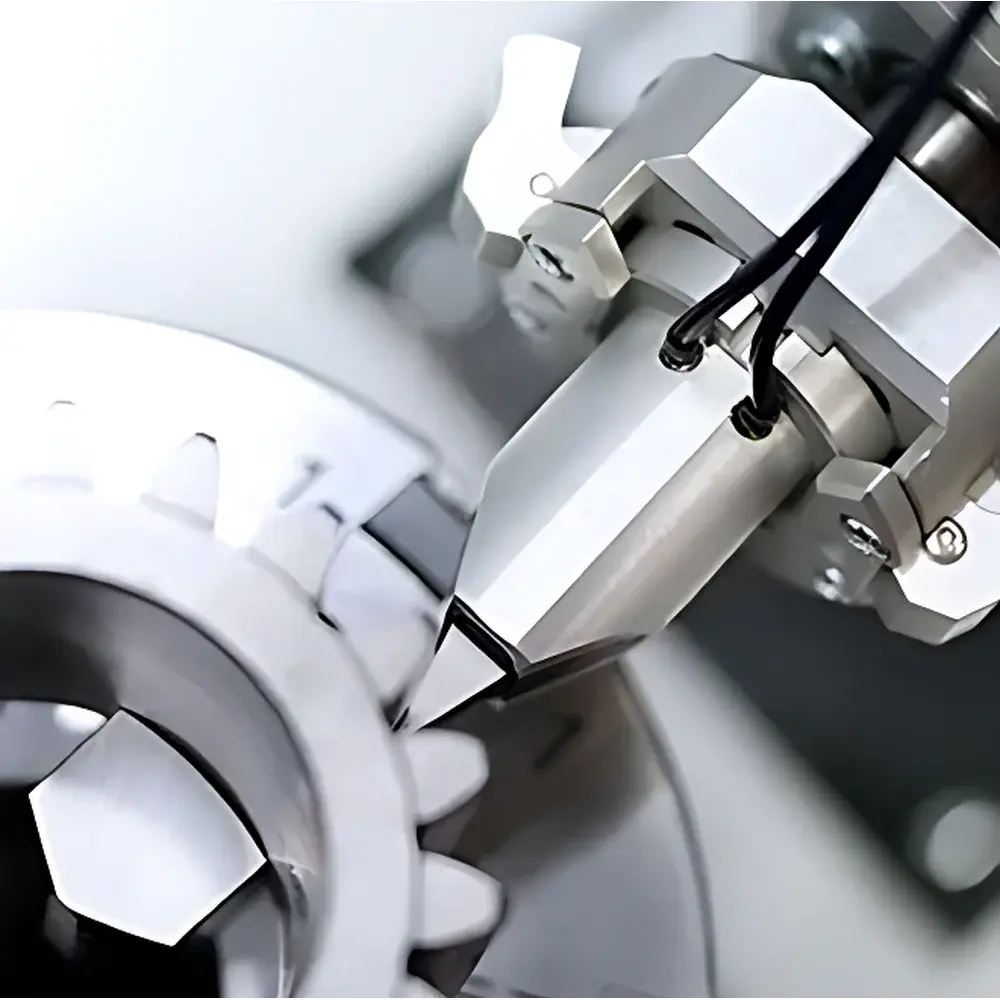
The Stresstech GearScan is a portable, high-sensitivity magnetic Barkhausen noise (MBN) analyzer engineered specifically for the non-destructive detection of grinding-induced thermal damage—commonly referred to as “grinding burn”—in case-hardened and through-hardened ferromagnetic components. Unlike conventional acid etching (nital etch), which is destructive, time-consuming, operator-dependent, and chemically hazardous, the GearScan leverages the physics of domain wall dynamics under controlled magnetic excitation to quantify microstructural alterations caused by localized overheating during grinding. This includes residual tensile stress accumulation, untempered martensite formation, and reaustenitization—key indicators of subsurface integrity loss that compromise fatigue life and dimensional stability. The system operates on the principle of magnetizing the test surface via a pulsed or swept AC field and detecting stochastic voltage pulses generated by irreversible domain wall jumps in stressed or metallurgically altered regions. Its compact, handheld architecture enables in-process inspection at the grinding station, final QA verification in metrology labs, and field-level assessment of critical rotating components across aerospace, power generation, and heavy machinery sectors.
Key Features
- True non-destructive evaluation (NDE): No surface preparation, chemical exposure, or material removal required—fully compliant with AS9100 and ISO 9001 process validation requirements.
- Integrated lithium-ion power system: High-capacity battery with intelligent charge management, ≥20 hours of continuous operation, real-time state-of-charge display, and auto-sleep/auto-shutdown for energy conservation.
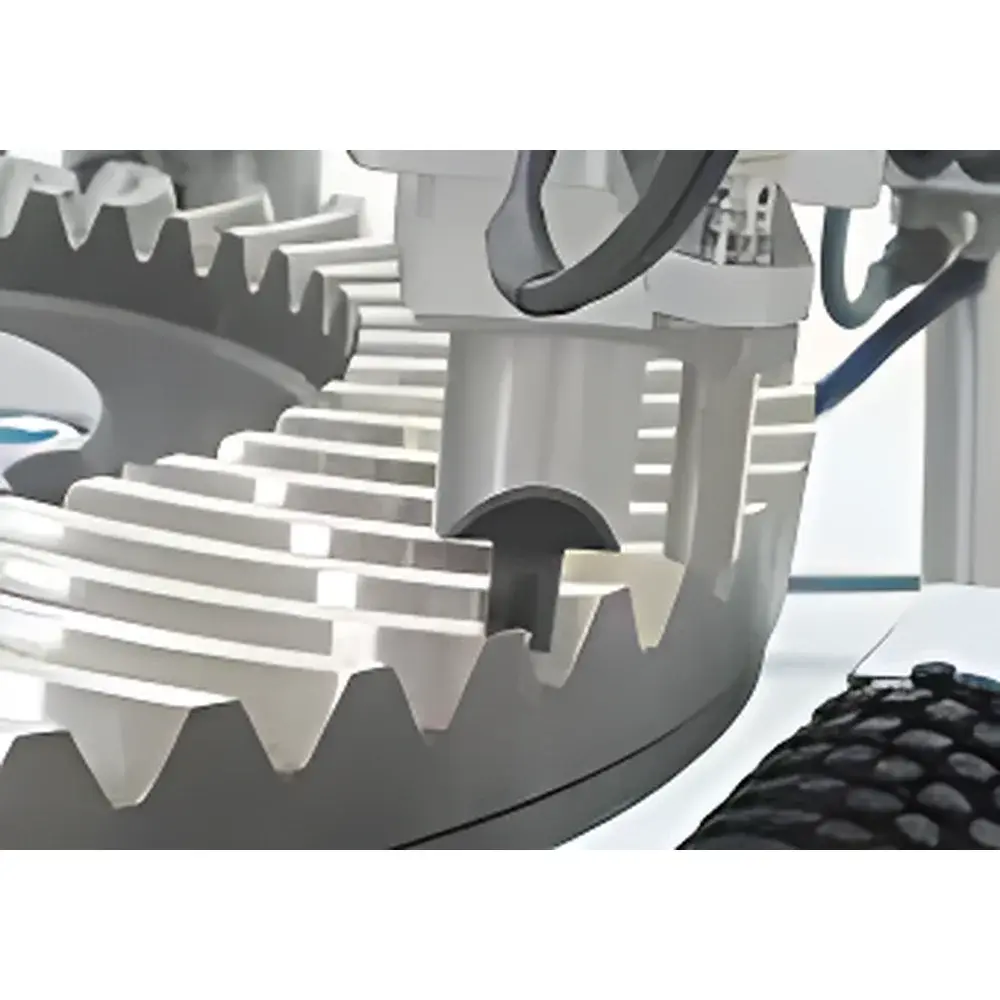
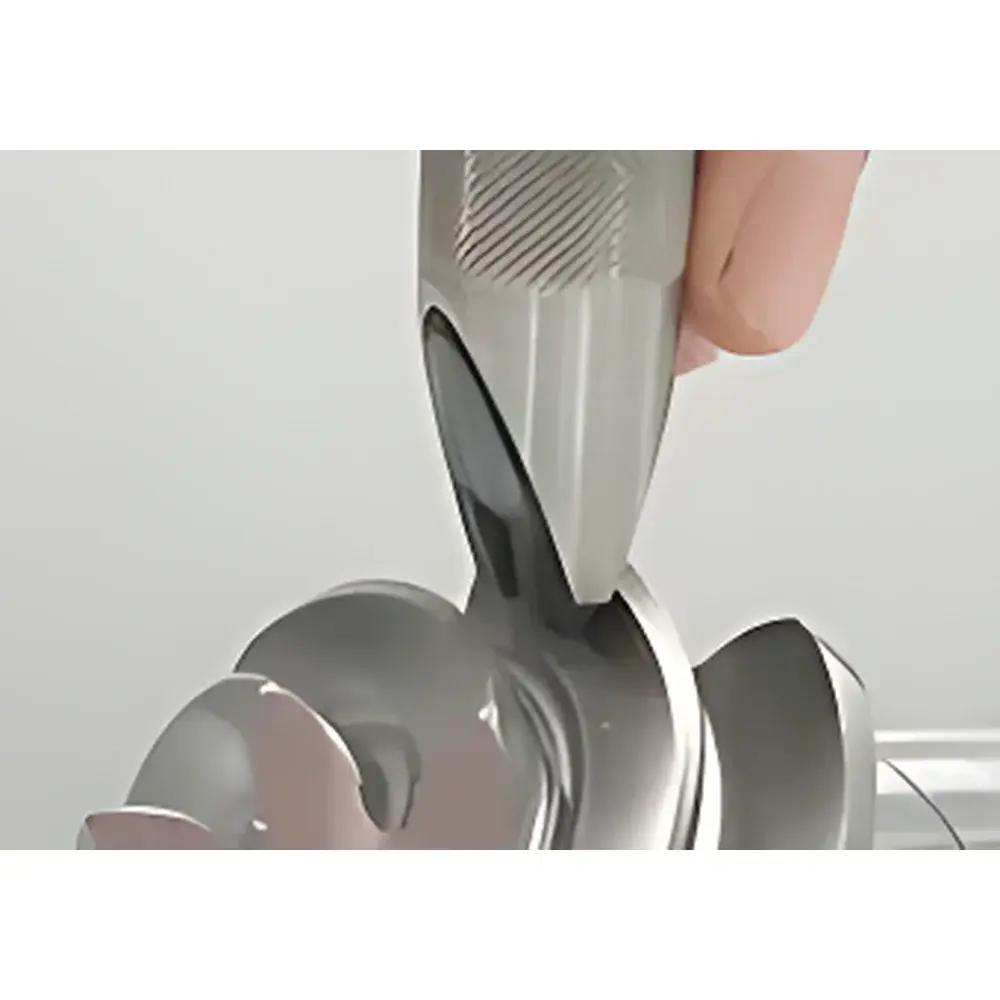
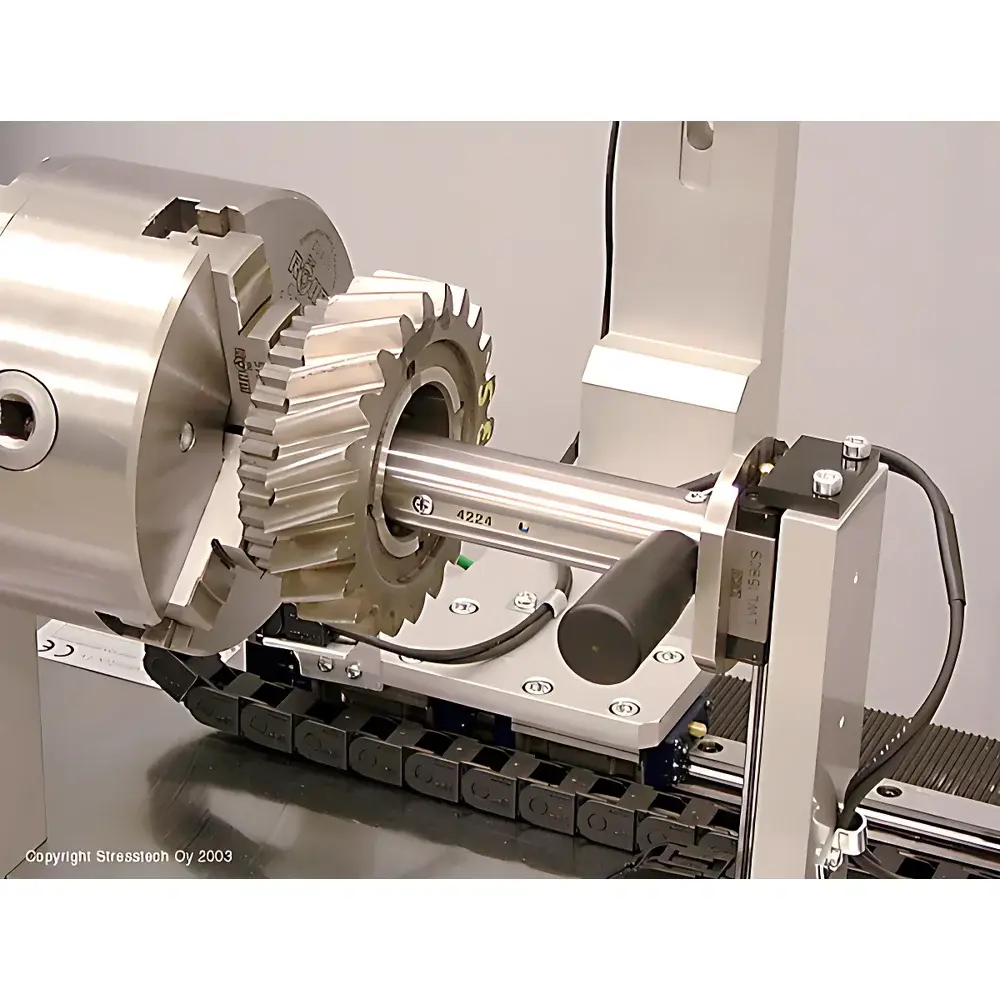
- Full-geometry coverage: Supports flat, convex, concave, and internal surfaces using interchangeable sensor modules—including curved-surface probes, small-hole sensors, extension rods, and precision positioning fixtures.
- Real-time signal visualization: On-device LCD displays time-domain waveforms, RMS amplitude trends, peak frequency shifts, and statistical histograms—enabling immediate pass/fail decisions.
- Configurable measurement parameters: Adjustable excitation voltage (1–20 Vpp), frequency sweep range (1–100 kHz), sampling rate (up to 10 MS/s), and trigger thresholds—all accessible via intuitive rotary encoder interface.
- Ruggedized industrial enclosure: CNC-machined aluminum housing rated IP54 for dust/moisture resistance; shock-absorbing elastomer overmold; ESD-safe design per IEC 61000-4-2.
- Embedded timestamping: Real-time clock synchronized with each acquired dataset for traceable, auditable records aligned with GLP/GMP documentation workflows.
Sample Compatibility & Compliance
The GearScan is validated for use on hardened and tempered steels (e.g., AISI 4340, 9310, 8620), carburized gears, bearing rings (e.g., M50, 440C), turbine shafts, camshafts, and landing gear components manufactured from ferritic, martensitic, and precipitation-hardened nickel-cobalt alloys. It complies with the technical scope of ASTM E3078 (“Standard Practice for Magnetic Barkhausen Noise Testing of Ferromagnetic Materials”), ISO 21906 (“Non-destructive testing — Magnetic Barkhausen noise testing — General principles”), and EN 10327 (“Testing of case-hardened steels — Determination of case depth by magnetic methods”). Its measurement methodology satisfies the requirements for objective, repeatable, and operator-independent burn assessment mandated by OEM specifications including Rolls-Royce RRES 90062, GEK 32439, and Airbus ABD0100.
Software & Data Management
ViewScan software (optional standalone license) provides comprehensive post-acquisition analysis, including spectral decomposition (FFT-based MBN spectrum), statistical parameter mapping (RMS, kurtosis, skewness, peak count), multi-channel comparative overlays, and automated defect localization algorithms. All datasets are stored in vendor-neutral HDF5 format with embedded metadata (operator ID, timestamp, sensor ID, calibration status, environmental temperature). Audit trails support 21 CFR Part 11 compliance when deployed with electronic signature modules and role-based access control. Export options include CSV, PDF reports, and direct integration with LIMS or MES platforms via OPC UA or RESTful API.
Applications
- Aerospace: In-service inspection of helicopter transmission gears, jet engine bearing races, and actuator shafts following overhaul.
- Automotive: Final QA of EV drivetrain pinions, differential carriers, and CV joint components after grinding operations.
- Energy: Condition monitoring of wind turbine gearbox internals and nuclear reactor coolant pump shafts.
- Rail & Heavy Machinery: Screening of locomotive axle journals and excavator swing bearing assemblies for subsurface thermal damage.
- Research & Academia: Correlation studies between MBN signatures and microhardness profiles, residual stress maps (via XRD), and fatigue crack initiation thresholds.
FAQ
How does the GearScan eliminate the need for nital etching?
It detects changes in magnetic domain mobility induced by grinding burn—specifically untempered martensite and residual tensile stress—without altering the part surface.
Can it detect subsurface burn beyond the white layer?
Yes. MBN signals originate from depths up to 200–300 µm depending on material permeability and excitation frequency—capturing both white layer and underlying heat-affected zone anomalies.
Is calibration required before each use?
No routine recalibration is needed; however, daily verification using certified reference standards (e.g., Stresstech SR-100 series) is recommended per ISO/IEC 17025.
Does it require coupling media or surface contact pressure control?
It uses spring-loaded, self-aligning sensor heads with integrated force feedback—ensuring consistent 2–4 N contact pressure without operator variability.
Can it be used on coated or painted parts?
Non-conductive coatings ≤50 µm thick do not impede MBN signal acquisition; conductive or magnetic coatings must be removed prior to inspection.




