
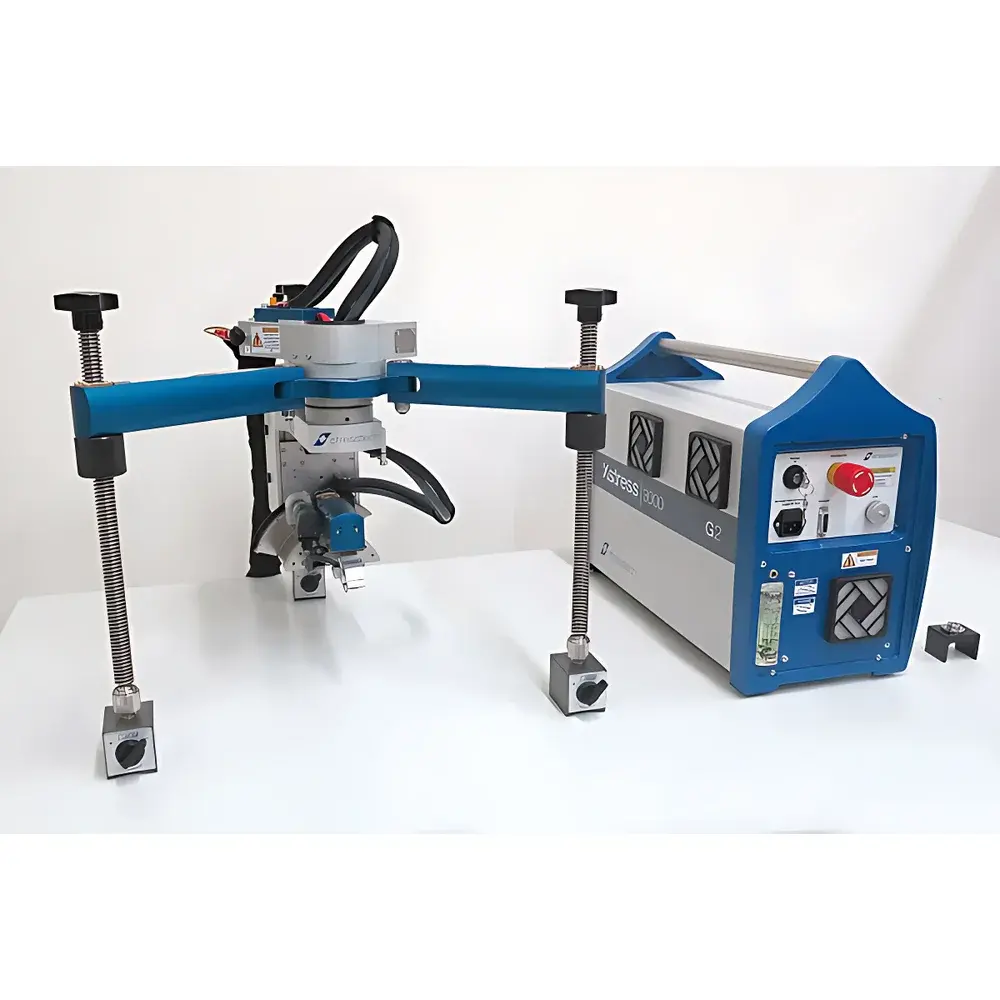
Stresstech Xstress3000G3 Portable X-Ray Residual Stress Analyzer
| Brand | Stresstech Oy |
|---|---|
| Origin | Finland |
| Model | Xstress3000G3 |
| Power Supply | Single-phase AC |
| Cooling | Integrated liquid recirculation system (no external water required) |
| Angular Resolution | 0.014°–0.057° |
| Detector Type | Dual symmetric MOS linear imaging detectors |
| Operating System | Windows-compatible software platform |
| Compliance | Designed for ISO 21940, ASTM E915, and EN 15305-compliant residual stress measurement procedures |
| Safety | Full interlock architecture per IEC 61010-1 and IEC 62471 |
Overview
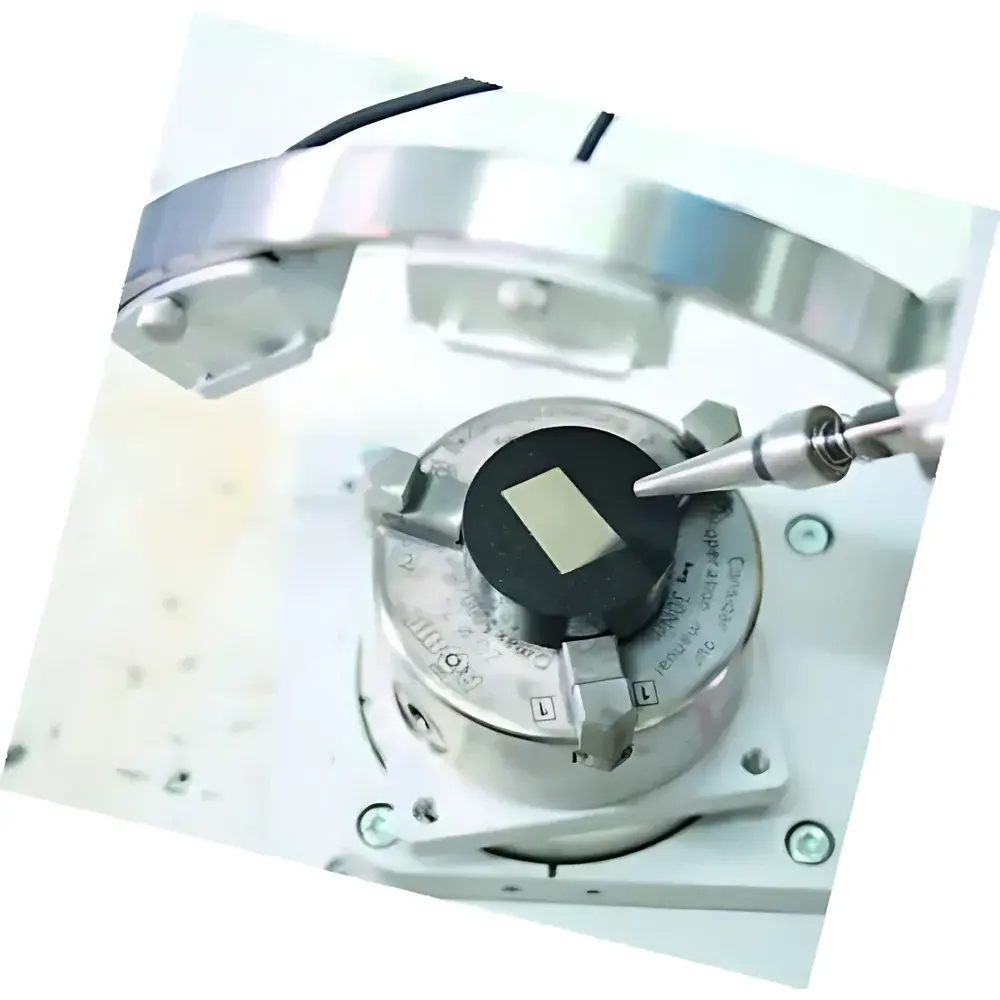
The Stresstech Xstress3000G3 is a fully integrated, portable X-ray diffraction (XRD)-based residual stress analyzer engineered for high-precision, non-destructive evaluation of lattice strain in polycrystalline metallic components. It operates on the sin²ψ method—measuring angular shifts in Bragg diffraction peaks as a function of sample tilt angle—to quantitatively determine biaxial residual stress states in surface and near-surface layers (typically 5–30 µm depth, depending on material and radiation energy). Unlike conventional lab-based XRD systems requiring sample sectioning or vacuum chambers, the Xstress3000G3 delivers laboratory-grade accuracy (< ±15 MPa typical repeatability under controlled conditions) directly on production floors, in-field maintenance sites, or aerospace hangars—without specimen removal or metallurgical preparation. Its compact, self-contained architecture includes an integrated microfocus X-ray tube, dual symmetric MOS linear detectors, and a real-time angular positioning system calibrated to traceable metrological standards.
Key Features
- True field-deployable design: Weighing under 28 kg with integrated battery option (optional), the unit is operable by a single technician without cranes, vibration isolation tables, or dedicated shielding rooms.
- Dual symmetric detector geometry: Two high-resolution MOS linear detectors mounted symmetrically about the incident beam axis enable simultaneous acquisition of both +ψ and –ψ diffraction profiles—reducing measurement time by up to 40% and improving angular centroid determination accuracy.
- Self-contained cooling and power management: An internal closed-loop liquid recirculation system eliminates dependency on external chillers or tap water; compatible with standard 100–240 VAC, 50/60 Hz input.
- Real-time interlock monitoring: All safety-critical subsystems—including X-ray tube enablement, shutter status, detector proximity, and emergency stop circuits—are continuously validated per IEC 61010-1 requirements. Automatic beam shutdown occurs within <100 ms upon interlock breach.
- Modular collimation system: Interchangeable collimators (0.5 mm, 1.0 mm, 2.0 mm diameter) allow optimization of spatial resolution vs. intensity trade-offs across diverse component geometries and grain sizes.
- On-device computing: Embedded Intel Core i5 processor runs the proprietary Stresstech StressScan™ software natively—enabling full measurement control, live peak fitting, and preliminary stress calculation without external PC dependency.
Sample Compatibility & Compliance
The Xstress3000G3 supports ferrous and non-ferrous alloys including steel, titanium, nickel-based superalloys, aluminum, and cast iron—provided crystallite size exceeds ~20 nm and microstrain does not exceed instrumental broadening limits. Measurements comply with internationally recognized standards for residual stress determination: ASTM E915 (Standard Test Method for Verifying the Alignment of X-Ray Diffraction Equipment for Residual Stress Measurement), ISO 21940 (Mechanical vibration — Rotor balancing — Vocabulary), and EN 15305 (Non-destructive testing — Test method for residual stress analysis by X-ray diffraction). The system supports GLP/GMP-aligned audit trails when connected to validated Windows environments, with optional FDA 21 CFR Part 11 compliance modules available for regulated pharmaceutical or medical device manufacturing applications.
Software & Data Management
StressScan™ v6.x provides a unified interface for instrument control, data acquisition, phase identification (via embedded ICDD PDF-4+ database), peak search and refinement (Pseudo-Voigt profile fitting with background subtraction), and stress tensor calculation. Raw diffraction patterns are stored in vendor-neutral HDF5 format with embedded metadata (sample ID, operator, date/time, ψ/2θ angles, exposure parameters). Export options include CSV, XML, and NIST-compatible .tdf formats. Multi-user role-based access control, electronic signatures, and automated report generation (PDF/HTML) support quality documentation workflows. Software updates are delivered via secure HTTPS channels with SHA-256 integrity verification.
Applications
- Aerospace: Verification of shot peening intensity and uniformity on turbine blades and landing gear components.
- Automotive: Residual stress mapping of induction-hardened crankshafts, gear teeth, and welded chassis joints.
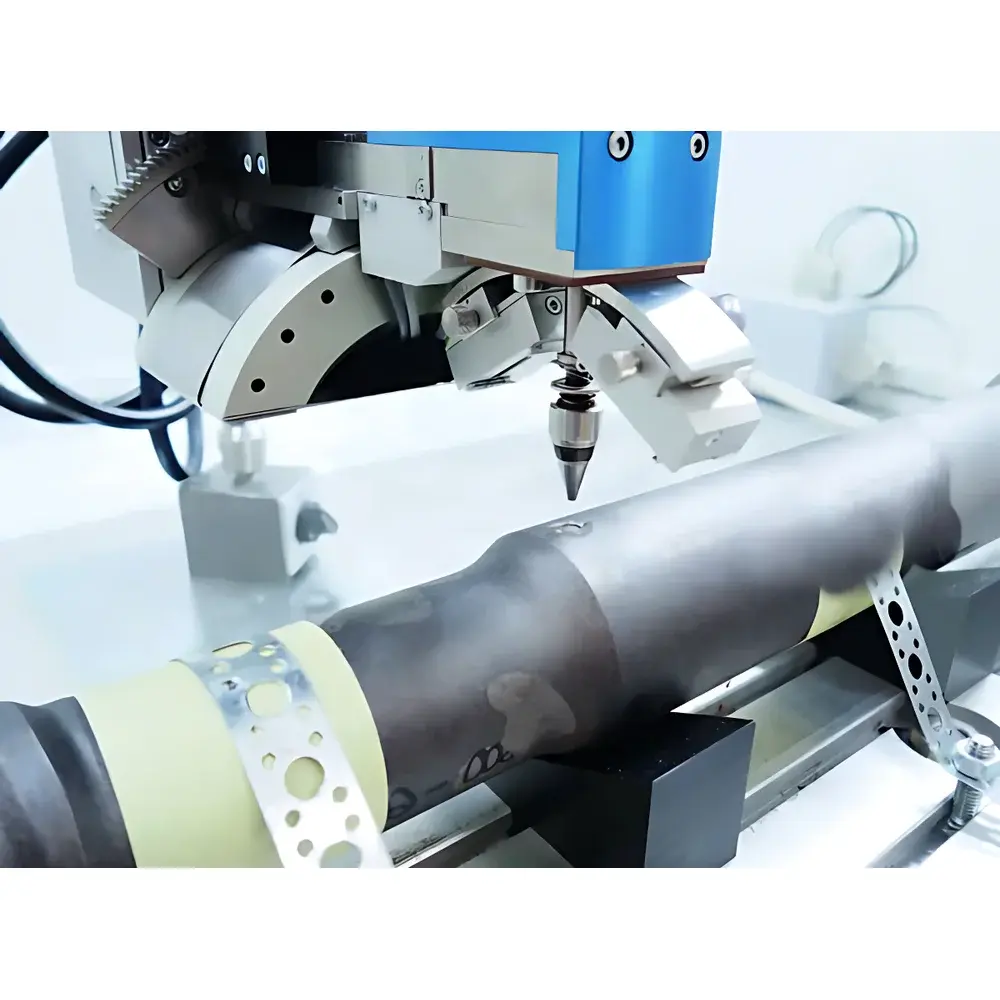
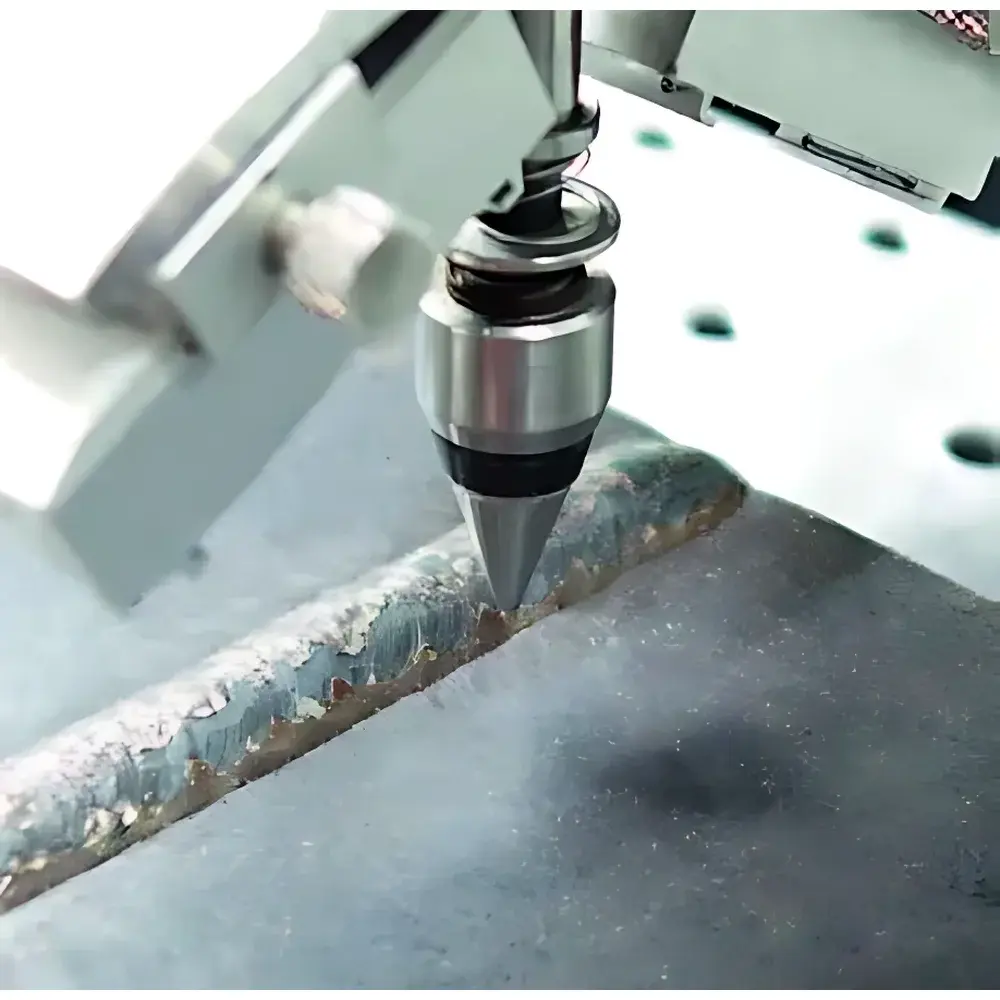
- Energy: Assessment of welding-induced stresses in nuclear pressure vessel nozzles and pipeline girth welds.
- Tooling & Die Manufacturing: Quantification of grinding burn and thermal distortion in hardened molds and dies.
- R&D Laboratories: Correlation of thermo-mechanical processing parameters (e.g., heat treatment cycles, laser cladding energy density) with resulting stress states.
FAQ
Does the Xstress3000G3 require radioactive sources or isotopic X-ray emitters?
No. It uses a sealed microfocus X-ray tube (Cr, Co, Fe, or Cu anode selectable) operating at ≤30 kV and ≤1 mA—fully compliant with Class I radiation safety regulations in EU, USA, and Canada.
Can it measure residual austenite content simultaneously with stress?
Yes. The dual-detector configuration and multi-peak fitting algorithm enable concurrent quantification of retained austenite (per ASTM E975) alongside stress calculation using overlapping (200) and (220) γ-Fe reflections.
Is calibration traceable to national metrology institutes?
Yes. Angular calibration is performed using NIST-traceable silicon reference powder (SRM 640e), and stress calibration employs certified uniaxially loaded Inconel 718 test samples with known stress states.
What is the minimum feature size resolvable for localized stress mapping?
With the 0.5 mm collimator and optimized sample alignment, spatial resolution is ~0.7 mm FWHM—sufficient for characterizing weld HAZ zones, shot-peened dimples, and machined surface layers.
How is data integrity ensured during field use?
All measurements include cryptographic hash generation (SHA-256) at acquisition time; raw files are write-protected post-collection and support digital signature embedding for regulatory submission readiness.




