
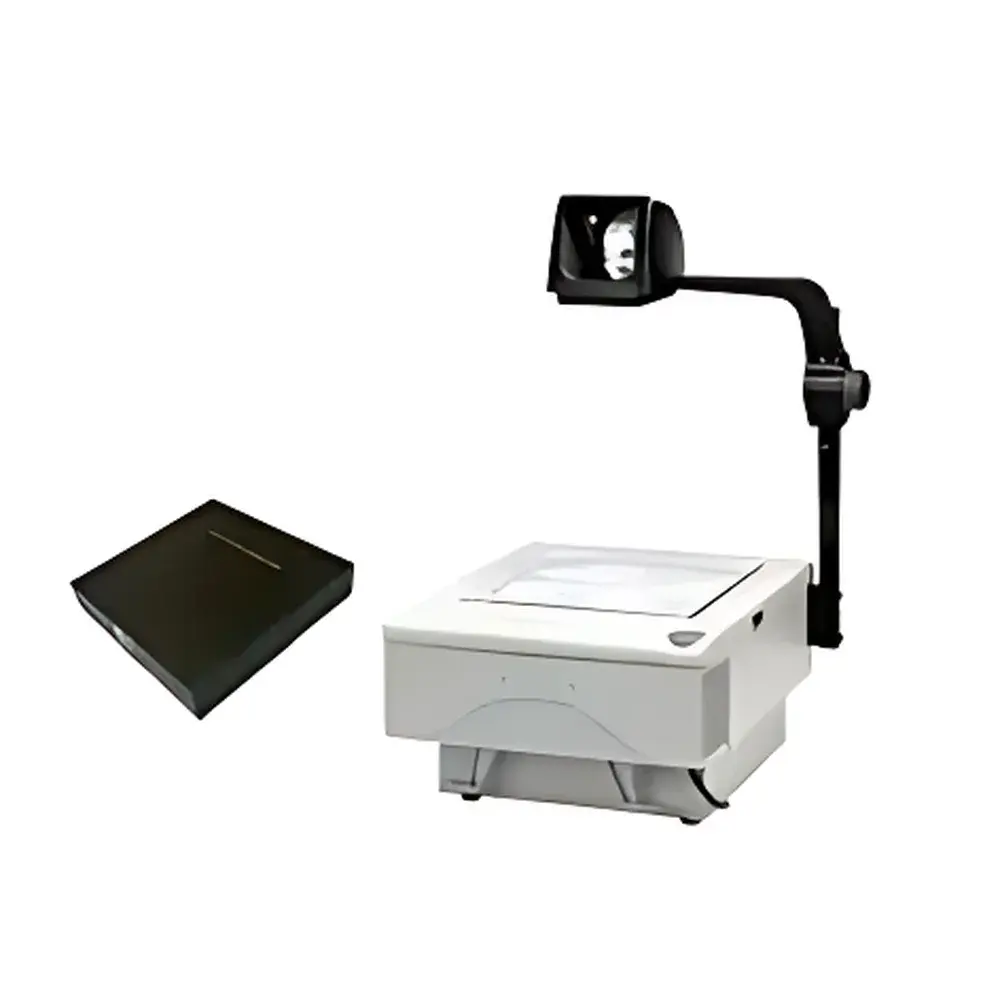
Sunplus SP-Y-1700 Fish-Eye Analyzer
| Origin | Canada |
|---|---|
| Manufacturer Type | Authorized Distributor |
| Origin Category | Imported Instrument |
| Model | SP-Y-1700-B |
| Pricing | Available Upon Request |
| Measuring Thresholds | 0.2 mm, 0.4 mm, 0.8 mm |
| Detection Area | ≥200 × 200 mm |
| Illuminance | ≥2000 lm |
| Light Source | 24 V / 250 W Halogen Lamp |
| Power Supply | 220 V, 50 Hz |
Overview
The Sunplus SP-Y-1700 Fish-Eye Analyzer is a dedicated optical inspection system engineered for quantitative assessment of fish-eye defects in polypropylene (PP) films and related thermoplastic sheet materials. Fish-eyes—localized gel-like inclusions or unmelted polymer agglomerates—represent critical quality indicators in film extrusion and conversion processes; their presence compromises optical clarity, mechanical integrity, and downstream convertibility. The SP-Y-1700 operates on standardized transmitted-light microscopy principles, leveraging high-uniformity backlighting and calibrated visual threshold detection to enable repeatable, operator-independent enumeration and sizing of defects per internationally recognized test methods. Designed to comply strictly with GB/T 6595–1986 (“Determination of Fish-Eye Count in Polypropylene Film”) and ASTM D3351–1993 (reapproved 2020) (“Standard Test Method for Fish-Eye Count in Polyethylene and Polypropylene Films”), the instrument delivers traceable, audit-ready results suitable for QC laboratories operating under ISO/IEC 17025, GMP, or internal quality management systems.
Key Features
- Optically optimized illumination chamber with uniform 2000-lumen halogen backlight (24 V / 250 W), ensuring consistent contrast across the full 200 × 200 mm detection area.
- Three fixed-size detection thresholds (0.2 mm, 0.4 mm, and 0.8 mm diameter) aligned with GB/T 6595 and ASTM D3351 classification bins—no software interpolation or user-defined sizing required.
- Robust mechanical stage with film clamping mechanism to eliminate parallax and prevent sample movement during evaluation.
- Integrated analog-to-digital viewing interface with adjustable magnification optics, enabling direct visual verification of borderline defects without digital image processing artifacts.
- Compliance-ready documentation support: calibration log templates, operator training checklist, and method validation summary included in standard delivery package.
Sample Compatibility & Compliance
The SP-Y-1700 accepts flat, transparent or translucent polymer films up to 0.5 mm thickness and minimum tensile stability to withstand static clamping. It is validated for use with PP homopolymers and copolymers, as well as HDPE and LDPE films where fish-eye morphology aligns with ASTM D3351 scope. All operational parameters—including illuminance stability, spatial uniformity, and threshold aperture tolerances—are verified against NIST-traceable photometric standards prior to shipment. The instrument satisfies essential requirements for GLP-compliant environments: fixed measurement criteria eliminate algorithmic variability, and manual counting protocols ensure full traceability and reviewer reproducibility—critical for FDA-regulated packaging validation and ISO 9001 internal audits.
Software & Data Management
The SP-Y-1700 is a hardware-centric, non-digitally automated analyzer; it does not incorporate embedded firmware, touchscreen interfaces, or proprietary data export modules. This design philosophy prioritizes method fidelity over automation—eliminating software validation burdens associated with 21 CFR Part 11 compliance. All measurements are recorded manually in laboratory notebooks or LIMS-integrated spreadsheets using standardized reporting forms provided with the system. Optional accessories include a calibrated reference slide set (NIST-traceable defect simulators at 0.2/0.4/0.8 mm) and a photometer verification kit for periodic illuminance recalibration—both supporting ongoing equipment qualification per ICH Q2(R2) and ISO/IEC 17025 Clause 6.4.
Applications
- Final-release testing of cast or blown PP films used in food packaging, medical device pouches, and industrial laminates.
- Process troubleshooting in extrusion lines—correlating fish-eye counts with melt temperature profiles, screw speed, and feedstock resin history.
- Supplier qualification programs requiring third-party verifiable conformance to GB/T 6595 or ASTM D3351 acceptance limits (e.g., ≤5 fish-eyes per 200 cm² at ≥0.4 mm).
- Stability studies assessing thermal degradation effects on polymer dispersion during accelerated aging protocols.
- Internal method transfer between manufacturing sites where standardized visual assessment remains the contractual test criterion.
FAQ
Does the SP-Y-1700 require computer connectivity or software installation?
No. It is a standalone optical comparator with no digital control system, eliminating cybersecurity concerns and software validation overhead.
Can the instrument be used for films other than polypropylene?
Yes—provided the material is optically transparent, planar, and within thickness limits; validation per ASTM D3351 Annex A1 is recommended for non-PP substrates.
Is calibration certification included with shipment?
Yes. Each unit ships with a factory-issued calibration report documenting illuminance uniformity, threshold aperture dimensions, and photometric output against accredited reference standards.
What maintenance is required beyond lamp replacement?
Annual verification of backlight uniformity and mechanical stage alignment is recommended; Sunplus provides an optional Preventive Maintenance Kit including alignment gauges and photometer calibration targets.
How is operator competency assessed for GB/T 6595 testing?
The system includes a dual-operator repeatability protocol and reference slide set to establish intra- and inter-operator agreement per ISO 5725-2; documented training records satisfy ISO/IEC 17025 Clause 6.2.5 requirements.



