
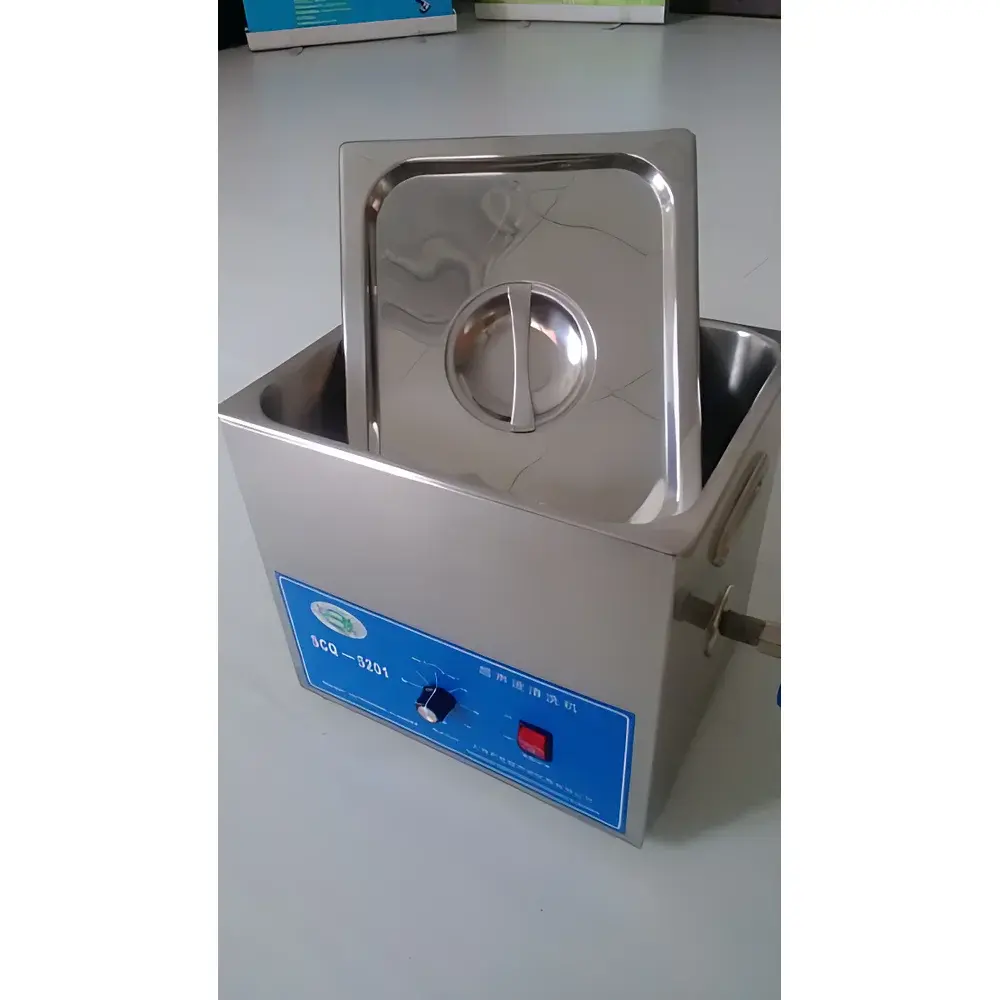
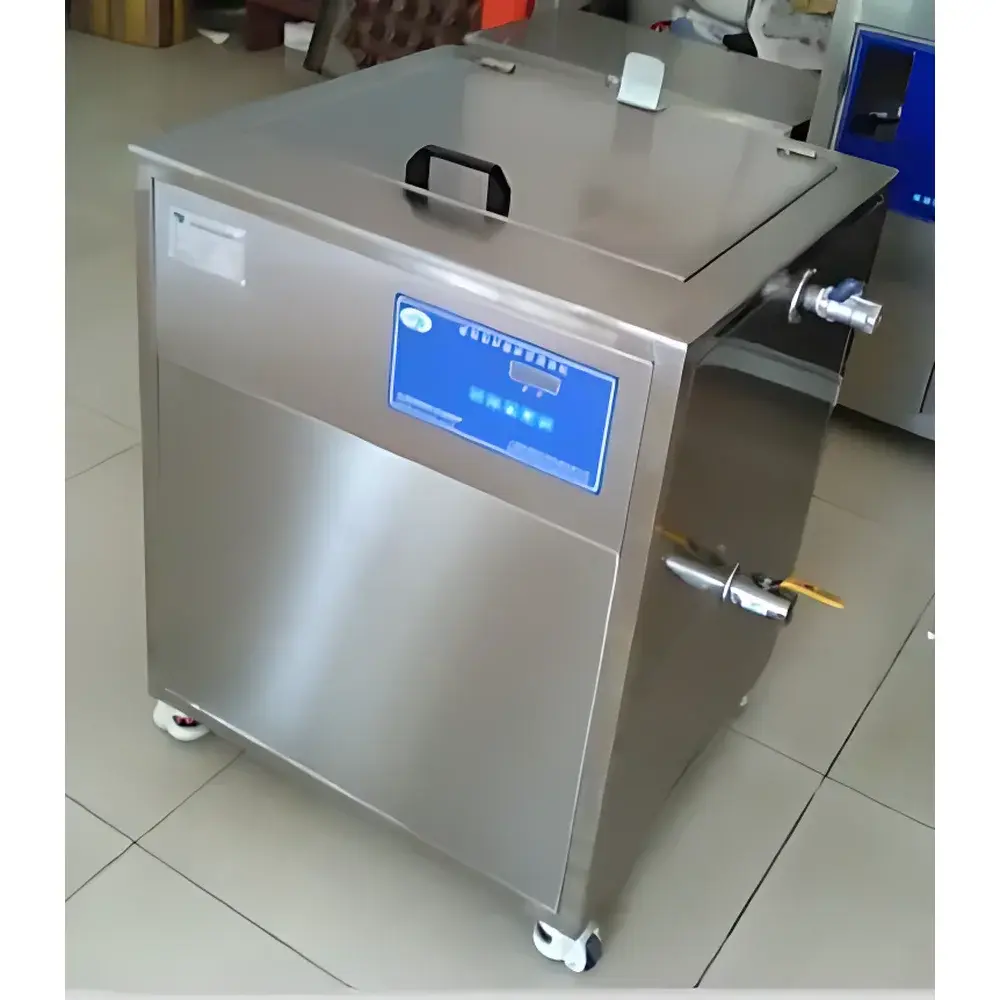
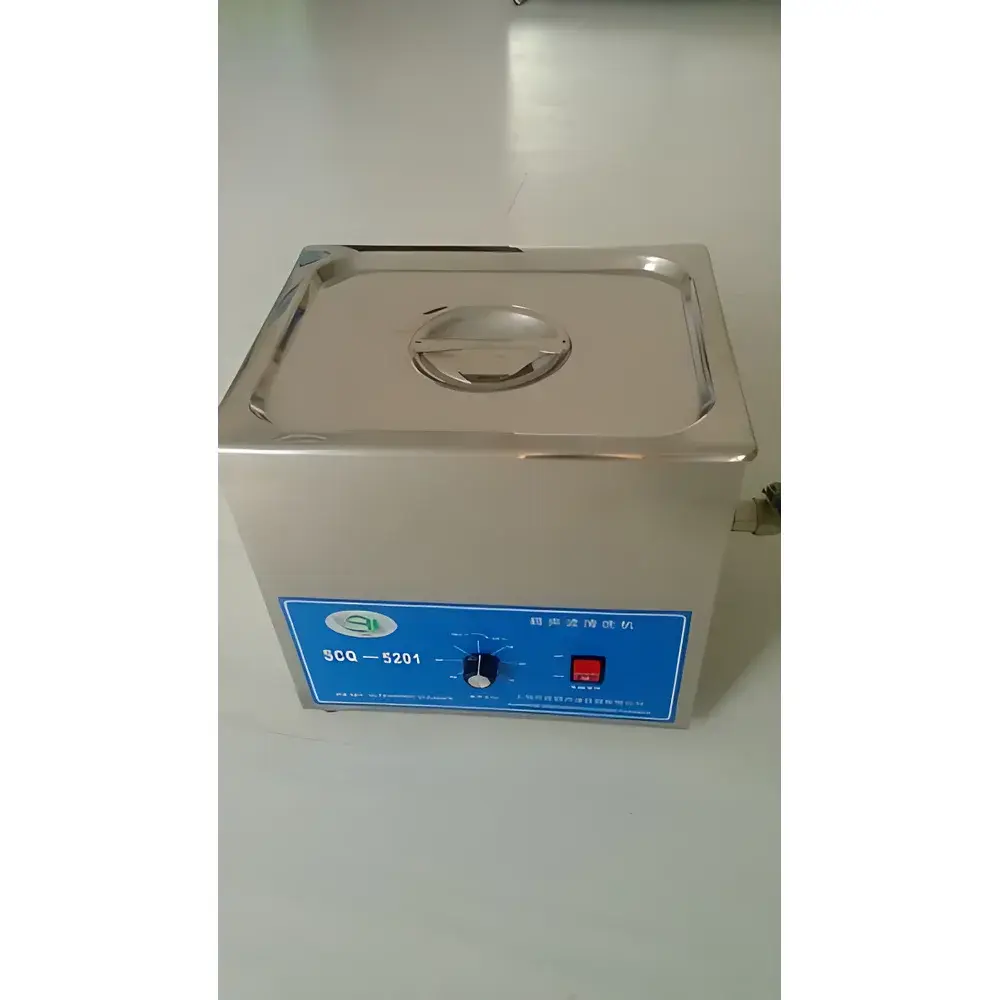
SYC Sycs SCQ-5201A 10L Digital Ultrasonic Cleaner
| Brand | SYC Sycs |
|---|---|
| Origin | Shanghai, China |
| Manufacturer Type | Authorized Distributor |
| Product Category | Domestic |
| Model | SCQ-5201A |
| Instrument Type | General-Purpose |
| Capacity | 10 L |
| Ultrasonic Frequency | 40 kHz |
| Ultrasonic Power | 300 W |
| Power Adjustment | No |
| Temperature Control | No |
| Timer Range | 1–600 min |
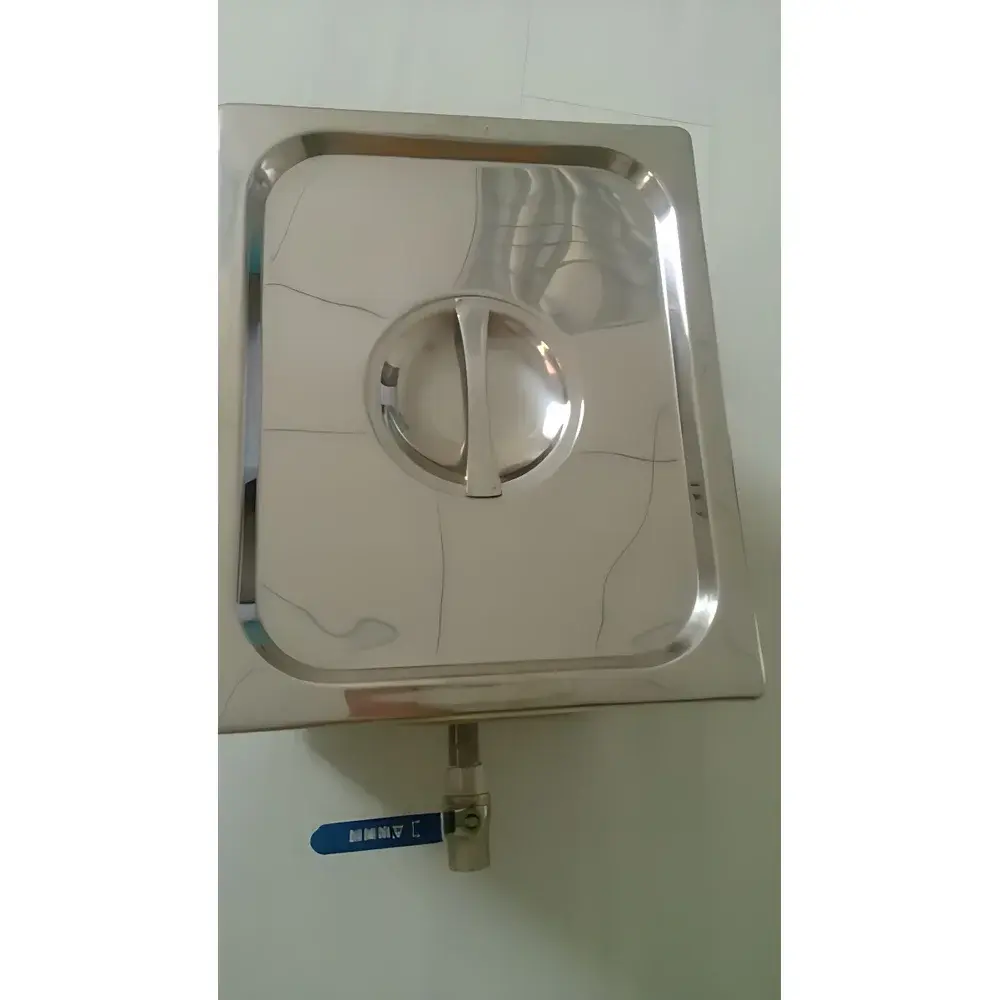
| Sound-Dampening Lid | Yes |
| Drainage | Manual |
Overview
The SYC Sycs SCQ-5201A is a general-purpose digital ultrasonic cleaner engineered for precision cleaning of laboratory glassware, precision components, optical elements, and small instrumentation parts. It operates on the principle of cavitation—high-frequency sound waves (40 kHz) transmitted through an aqueous or compatible solvent medium generate microscopic vacuum bubbles that implode with localized energy, dislodging particulate contaminants, organic residues, and thin films from submerged surfaces. This non-abrasive, non-thermal mechanism ensures thorough cleaning without mechanical damage, making it ideal for delicate substrates such as quartz cuvettes, HPLC filters, microfluidic chips, and semiconductor wafers. The unit features a robust 304 stainless steel tank (300 × 240 × 150 mm internal dimensions), fully welded construction, and industrial-grade transducers developed in-house with imported U.S.-sourced piezoelectric chips—ensuring long-term reliability, consistent acoustic output, and reduced operational noise.
Key Features
- 10-liter capacity tank fabricated from electropolished SUS304 stainless steel—resistant to corrosion, pitting, and chemical degradation under repeated exposure to alkaline, acidic, or solvent-based cleaning solutions.
- Digital timer with precise 1-minute resolution across a 1–600 minute range, enabling reproducible cleaning cycles compliant with standardized lab protocols.
- Integrated sound-dampening lid reduces ambient noise levels by up to 15 dB(A), improving workplace ergonomics and meeting occupational safety guidelines for prolonged use in shared lab environments.
- Overload and overtemperature protection circuits prevent component failure during extended operation; units ≥10 L include automatic dry-run detection and audible/visual alarm to prevent transducer damage.
- All electrical components—including PCBs, power supplies, and control modules—are sourced from Tier-1 industrial suppliers, ensuring >50,000 hours MTBF (mean time between failures) under continuous duty.
- No heating function—designed specifically for ambient-temperature applications where thermal stability of samples or solvents is critical (e.g., enzymatic assays, volatile organic solvent use).
Sample Compatibility & Compliance
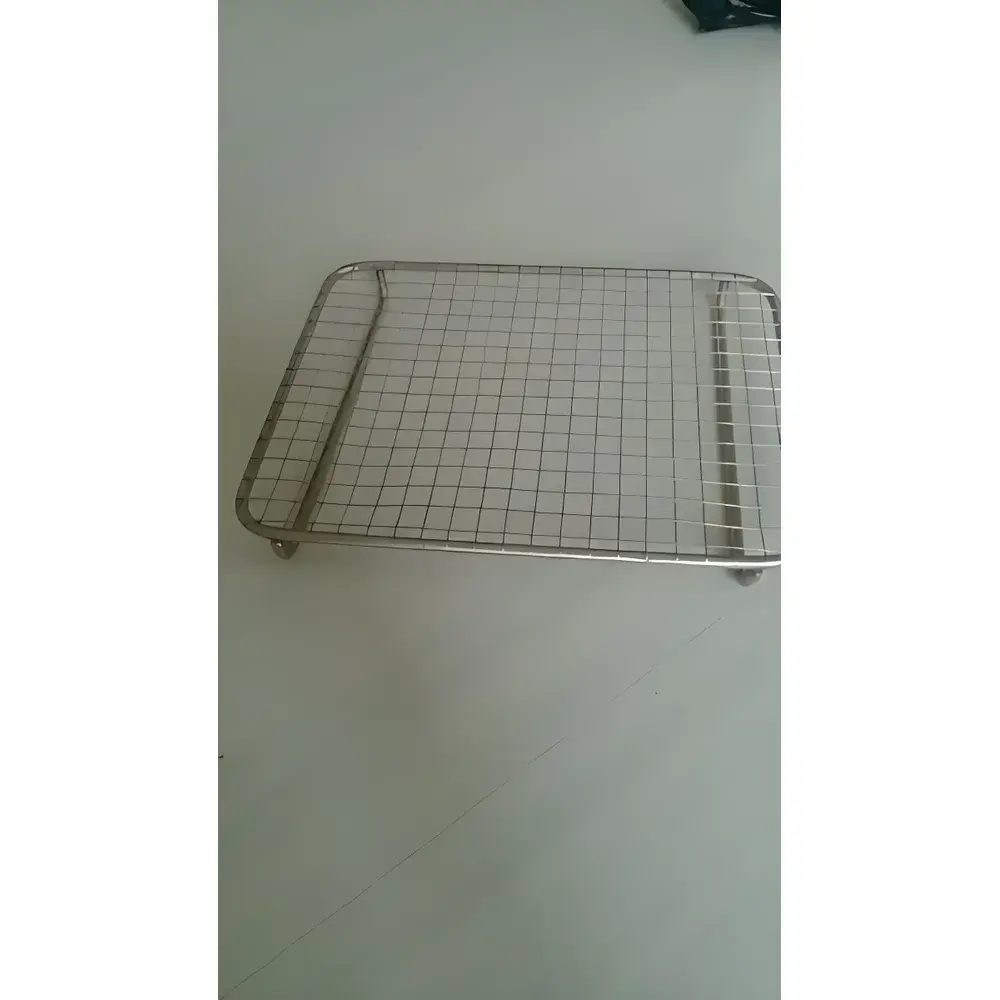
The SCQ-5201A accommodates a wide range of sample geometries via its standard SUS304 mesh basket and adjustable rack system. Compatible with borosilicate glass, fused silica, titanium alloys, aluminum, and most polymer substrates (e.g., PTFE, polypropylene, polycarbonate), provided solvent compatibility is verified. Not intended for use with flammable solvents unless operated within certified explosion-proof enclosures. Meets CE marking requirements for electromagnetic compatibility (EN 61326-1) and low-voltage safety (EN 61010-1). Designed to support GLP-compliant workflows: all operational parameters (timer setting, cycle initiation timestamp) are traceable via manual log entry; optional external data logging interfaces available upon request for integration into validated environments.
Software & Data Management
As a standalone benchtop instrument, the SCQ-5201A does not incorporate embedded firmware or network connectivity. Its digital interface provides tactile push-button controls with LED display for real-time timer status—minimizing software-related validation overhead in regulated laboratories. For audit readiness, users may document cleaning parameters (duration, solution type, batch ID) in electronic lab notebooks (ELN) or paper-based SOP records. While no native FDA 21 CFR Part 11 compliance is implemented, the device supports ALCOA+ principles (Attributable, Legible, Contemporaneous, Original, Accurate) when used with controlled documentation practices. Optional RS-232 or USB-to-serial adapters enable connection to third-party automation systems for centralized scheduling and cycle logging.
Applications
- Cleaning of analytical glassware prior to trace-metal analysis (ICP-MS, AAS), minimizing blank interference from residual silicates or surfactants.
- Preparation of chromatography components—including injector needles, guard columns, and frits—to reduce backpressure and peak tailing.
- Removal of photoresist residues and etch byproducts from photomasks and MEMS devices in cleanroom-adjacent prep areas.
- Decontamination of reusable pipette tips, centrifuge rotors, and electrophoresis combs in molecular biology labs.
- Surface preparation of metal coupons prior to ASTM B117 salt-spray testing or ISO 8501-1 visual cleanliness assessment.
FAQ
Is the ultrasonic frequency fixed at 40 kHz, or can it be adjusted?
The SCQ-5201A operates exclusively at 40 kHz—a frequency optimized for balanced penetration depth and cavitation intensity across common laboratory contaminants. Frequency selection is hardware-defined and not user-adjustable.
Can this unit be used with isopropyl alcohol or acetone?
No. The SCQ-5201A lacks explosion-proof certification and temperature control; flammable solvents must only be used in dedicated Class I, Division 1 certified ultrasonic systems with vapor recovery and interlocked ignition safeguards.
Does the unit include a heater or temperature monitoring capability?
No. The SCQ-5201A is a non-heating model. For temperature-sensitive applications or enhanced cleaning kinetics, external water baths or recirculating chillers may be employed in conjunction with appropriate safety interlocks.
What maintenance is required for long-term performance?
Routine tasks include periodic descaling with 5% citric acid solution (every 200 operating hours), inspection of the transducer mounting integrity, and replacement of the drain valve O-ring every 12 months. Transducer lifespan exceeds 10,000 hours under nominal load conditions.
Is technical support available for method development or validation assistance?
Yes. SYC Sycs application engineers provide documented cleaning protocol templates, residue recovery studies, and IQ/OQ guidance aligned with ISO 13485 and USP ultrasonic cleaning validation frameworks.



