
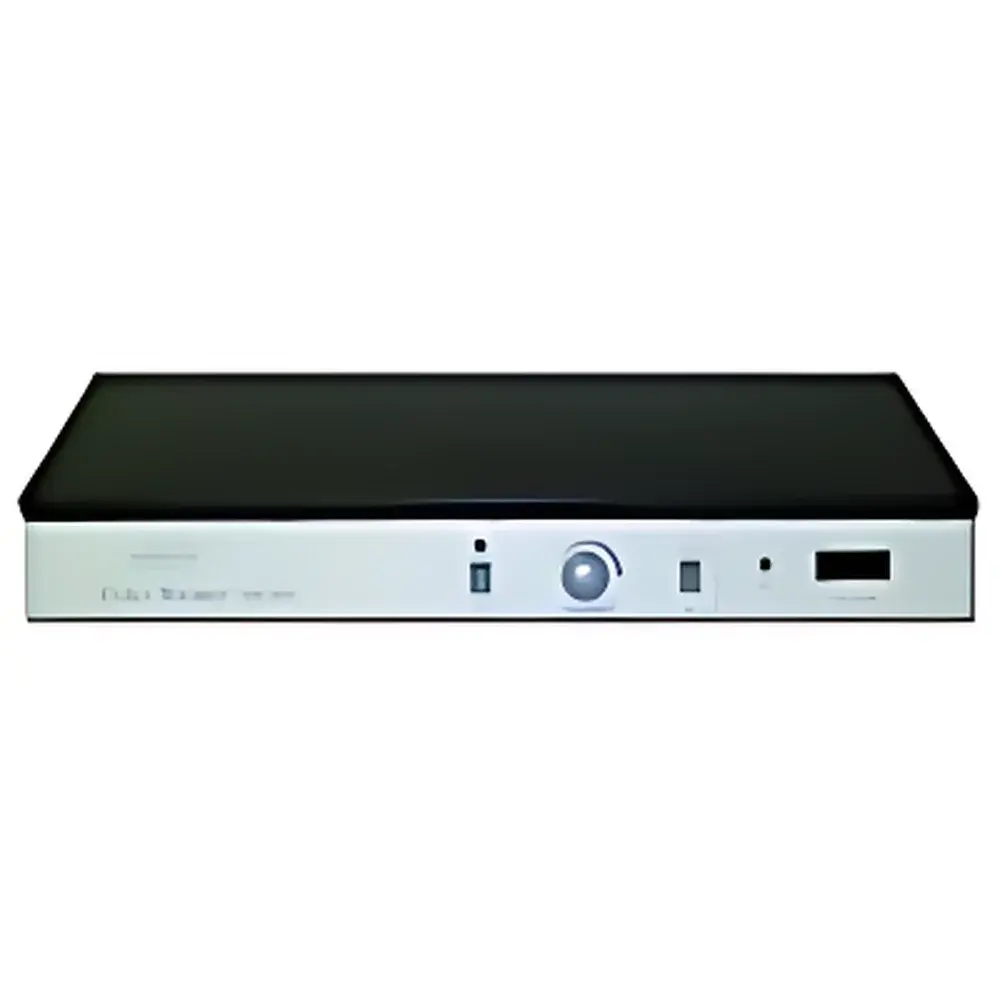
Ted Pella 12858-220 Large-Scale Glass Slide Baking Oven
| Brand | Ted Pella |
|---|---|
| Origin | USA |
| Model | 12858-220 |
| Temperature Range | Ambient to 70 °C |
| Capacity | 56 microscope slides |
| Benchtop Dimensions | 63.5 × 20.3 × 190 mm |
| Surface Finish | Black anodized aluminum |
| Import Status | Imported equipment |
| Distribution Type | Authorized distributor |
Overview
The Ted Pella 12858-220 Large-Scale Glass Slide Baking Oven is a precision-engineered thermal processing instrument designed specifically for the controlled drying and adhesion enhancement of paraffin-embedded tissue sections mounted on standard microscope slides. It operates on conductive heating principles, utilizing uniform thermal distribution across a black anodized aluminum heating plate to ensure consistent slide-to-plate contact and minimal temperature gradient variation. This unit is optimized for routine histopathology workflows where reproducible slide preparation is critical prior to hematoxylin and eosin (H&E) staining, immunohistochemistry (IHC), or in situ hybridization (ISH). Its fixed-temperature operation—without forced convection—eliminates air currents that could dislodge delicate tissue sections or induce edge curling, making it especially suitable for high-throughput clinical laboratories and academic core facilities requiring GLP-aligned slide conditioning.
Key Features
- Digital PID temperature controller with LED display for real-time monitoring and ±0.5 °C stability across the full 20–70 °C operating range
- Simultaneous capacity for up to 56 standard 1″ × 3″ (25 × 75 mm) glass microscope slides arranged in two parallel rows
- Black anodized aluminum heating surface offering high emissivity, corrosion resistance, and long-term thermal consistency
- Compact benchtop footprint (63.5 × 20.3 × 190 mm) engineered for integration into laminar flow hoods, histology stations, or shared instrumentation cabinets
- No fan or airflow system—ensures static thermal environment critical for fragile paraffin ribbons and low-adhesion tissue sections
- UL-listed electrical safety compliance and over-temperature cutoff protection (auto-shutdown at 75 °C)
Sample Compatibility & Compliance
The 12858-220 accommodates standard frosted, plain, or charged glass slides—including silane- or poly-L-lysine-coated variants—without risk of coating degradation under sustained 60 °C exposure. It supports both manual and automated slide loading protocols and is compatible with downstream automated stainers (e.g., Leica Bond RX, Ventana Discovery Ultra). From a regulatory standpoint, the device meets essential requirements for ISO 13485-aligned histology laboratories and supports audit readiness for CAP-accredited pathology departments. While not a medical device itself, its use conforms to CLIA and CAP guidelines for pre-analytical slide conditioning, and its temperature traceability supports documentation required under FDA 21 CFR Part 11 when integrated with validated LIMS or electronic lab notebook (ELN) systems.
Software & Data Management
This model operates as a standalone analog-digital hybrid instrument with no embedded firmware or network interface. Temperature setpoint and real-time readout are managed exclusively via front-panel controls and LED display—intentionally minimizing software dependencies to maximize operational reliability and reduce validation burden in regulated environments. For laboratories requiring electronic recordkeeping, external USB data loggers (e.g., Omega OM-DAQPRO-5300) may be connected via thermocouple input to capture time-stamped temperature profiles. All calibration records—including annual NIST-traceable verification using Class A platinum RTD probes—should be retained per institutional QA policies and referenced in SOPs governing slide baking SOPs (e.g., SOP-HISTO-017).
Applications
- Adhesion optimization of paraffin sections prior to deparaffinization and staining
- Drying of cytology smears and frozen section mounts to prevent wash-off during aqueous reagent steps
- Pre-incubation of slides for antigen retrieval protocols requiring controlled thermal preconditioning
- Stabilization of RNA/DNA integrity in FFPE sections by minimizing prolonged ambient humidity exposure
- Standardized slide conditioning in multicenter translational research studies requiring inter-laboratory protocol harmonization
- Quality control staging in diagnostic pathology labs performing high-volume surgical specimen processing
FAQ
What is the recommended bake time for optimal tissue adhesion?
Typical protocols specify 30–60 minutes at 60 °C; exact duration depends on section thickness, paraffin type, and ambient humidity—validation must be performed per laboratory SOP.
Can this unit accommodate specialty slides such as charged or APES-coated variants?
Yes—its non-airflow design and low-maximum temperature prevent coating denaturation or hydrolysis commonly observed with forced-air ovens above 65 °C.
Is the heating surface removable for cleaning?
No—the black anodized plate is permanently affixed; cleaning is performed in situ using lint-free wipes dampened with 70% ethanol or mild detergent solution.
Does Ted Pella provide calibration certificates with shipment?
Factory calibration is performed pre-shipment; NIST-traceable calibration certificates are available upon request at time of order (additional lead time and fee apply).
How does this model differ from circulating air slide ovens used in some reference labs?
Unlike convection-based units, the 12858-220 eliminates shear forces and moisture redistribution, reducing artifact formation in delicate neural or embryonic tissues while improving batch-to-batch reproducibility in multi-user environments.
Related Products



