
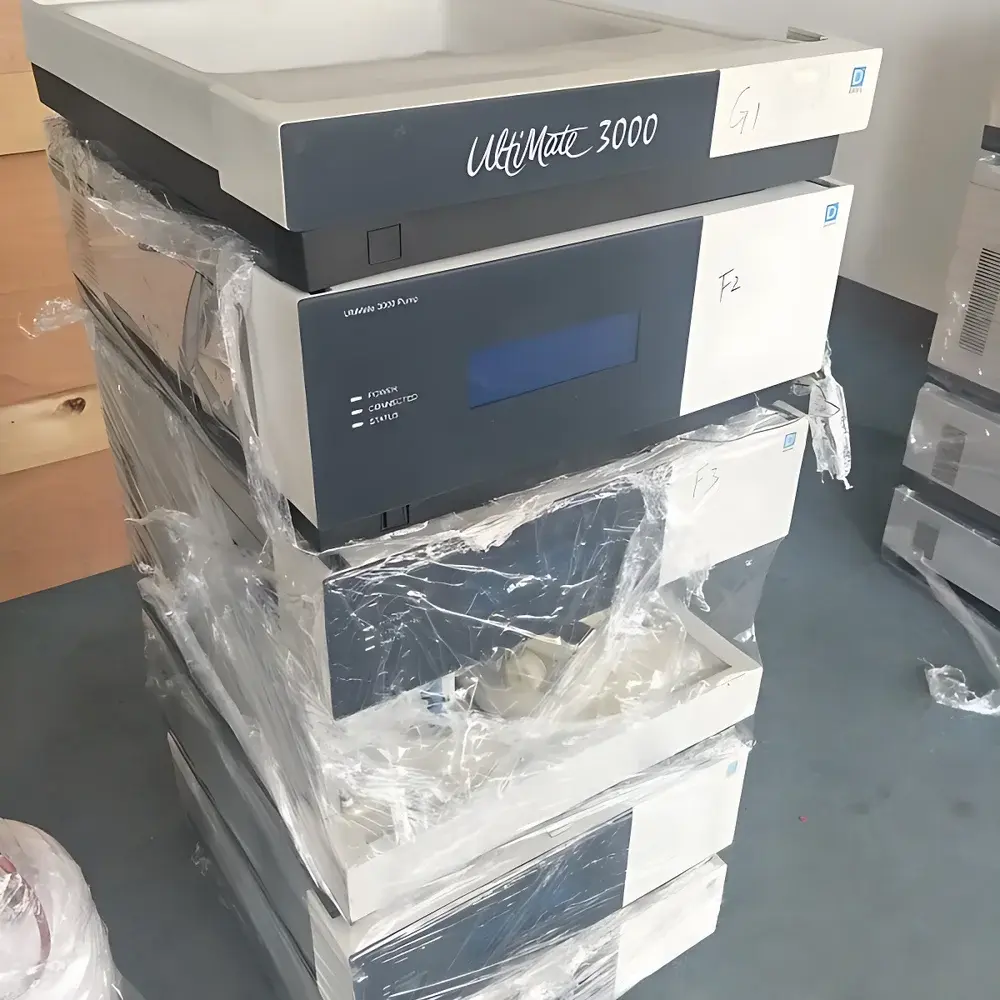
Thermo Fisher UltiMate 3000 HPLC System for Cholesterol Analysis in Oils
| Brand | Thermo Fisher |
|---|---|
| Origin | USA |
| Manufacturer Type | Authorized Distributor |
| Origin Category | Imported |
| Model | UltiMate 3000 |
| Instrument Type | Ultra-High-Performance Liquid Chromatograph (UHPLC-capable) |
| Flow Rate Range | 0.001–10.000 mL/min |
| Maximum Pressure | 40 MPa |
| Sample Loop Volume | 1.5 mL |
| Injection Volume Range | 1–50 µL |
| Column Oven Temperature Range | +10 to +60 °C |
| UV-Vis Detection Wavelength Range | 190–700 nm |
| Data Acquisition Frequency | 100 Hz |
Overview
The Thermo Fisher UltiMate 3000 HPLC System is a high-precision, modular liquid chromatography platform engineered for robust and reproducible quantification of cholesterol in complex lipid matrices—including edible oils, frying oils, and reclaimed cooking fats. This system operates on the principle of reversed-phase high-performance liquid chromatography (RP-HPLC), where cholesterol is separated from triglycerides, sterol esters, tocopherols, and other co-extracted lipids using C18 or phenyl-hexyl stationary phases under gradient elution conditions. Detection is performed via UV absorbance at 205–210 nm (characteristic π→π* transition of the Δ5-unsaturated sterol ring system) or optionally coupled with fluorescence detection (excitation 210 nm / emission 390 nm) following post-column derivatization. The system’s 40 MPa pressure rating supports sub-2 µm particle columns, enabling enhanced resolution and reduced analysis time—critical for routine QC screening of cholesterol in food-grade oils where regulatory thresholds (e.g., <0.5 mg/kg for refined vegetable oils) demand sub-ppb sensitivity.
Key Features
- Modular architecture supporting binary or quaternary solvent delivery, autosampler, column oven, and variable-wavelength UV-Vis detector—all synchronized via Chromeleon CDS software
- Low-dispersion flow path (<10 µL dwell volume) and active solvent pre-mixing ensure precise gradient formation and retention time stability across repeated injections
- Autosampler with 1.5 mL loop capacity and 1–50 µL programmable injection volumes enables direct analysis of saponified oil extracts without dilution errors
- Column compartment with ±0.1 °C temperature control over +10 to +60 °C minimizes retention drift during multi-hour sequence runs
- UV-Vis detector featuring dual-lamp source (D2 + W lamp), 190–700 nm spectral range, and 100 Hz acquisition rate ensures accurate peak integration for overlapping sterol signals
- Pressure monitoring and real-time flow calibration support GLP-compliant method validation per ISO 17025 and AOAC Official Method 2004.02
Sample Compatibility & Compliance
The UltiMate 3000 is validated for use with lipid-soluble analytes extracted from animal fats, butter, lard, fish oil, and plant-based oils—including palm, soybean, sunflower, and olive oils. Sample preparation follows standardized protocols: alkaline saponification (KOH/ethanol), hexane extraction, silica gel cleanup, and evaporation under nitrogen prior to reconstitution in methanol/acetonitrile. The system complies with ASTM D7593–19 (Standard Test Method for Determination of Cholesterol in Biodiesel by HPLC), USP Chromatography, and EU Regulation (EC) No 152/2009 Annex III for feed contaminant analysis. All hardware modules meet IEC 61000-4 electromagnetic compatibility standards and operate within Class II biological safety laboratory environments.
Software & Data Management
Chromeleon Chromatography Data System (CDS) v7.3 or later provides full 21 CFR Part 11 compliance, including electronic signatures, audit trails, user role-based access control, and secure data archiving. Sequence templates for cholesterol analysis include integrated calibration curve generation (5–500 µg/mL), internal standard correction (e.g., epicoprostanol or 5α-cholestane), peak purity assessment, and automatic reporting in PDF/CSV formats. Raw data files (.cdf) are stored with metadata tags referencing sample ID, analyst, instrument configuration, and environmental conditions—ensuring traceability for FDA inspections or ISO 17025 accreditation audits.
Applications
- Quantitative determination of free cholesterol in virgin olive oil to verify authenticity and detect adulteration with animal fat
- Screening of used cooking oils for elevated cholesterol levels as an indicator of illicit blending with animal-derived waste oils (“gutter oil”)
- Stability testing of fortified functional oils (e.g., phytosterol-enriched margarines) to monitor cholesterol oxidation products (7-ketocholesterol, 25-hydroxycholesterol)
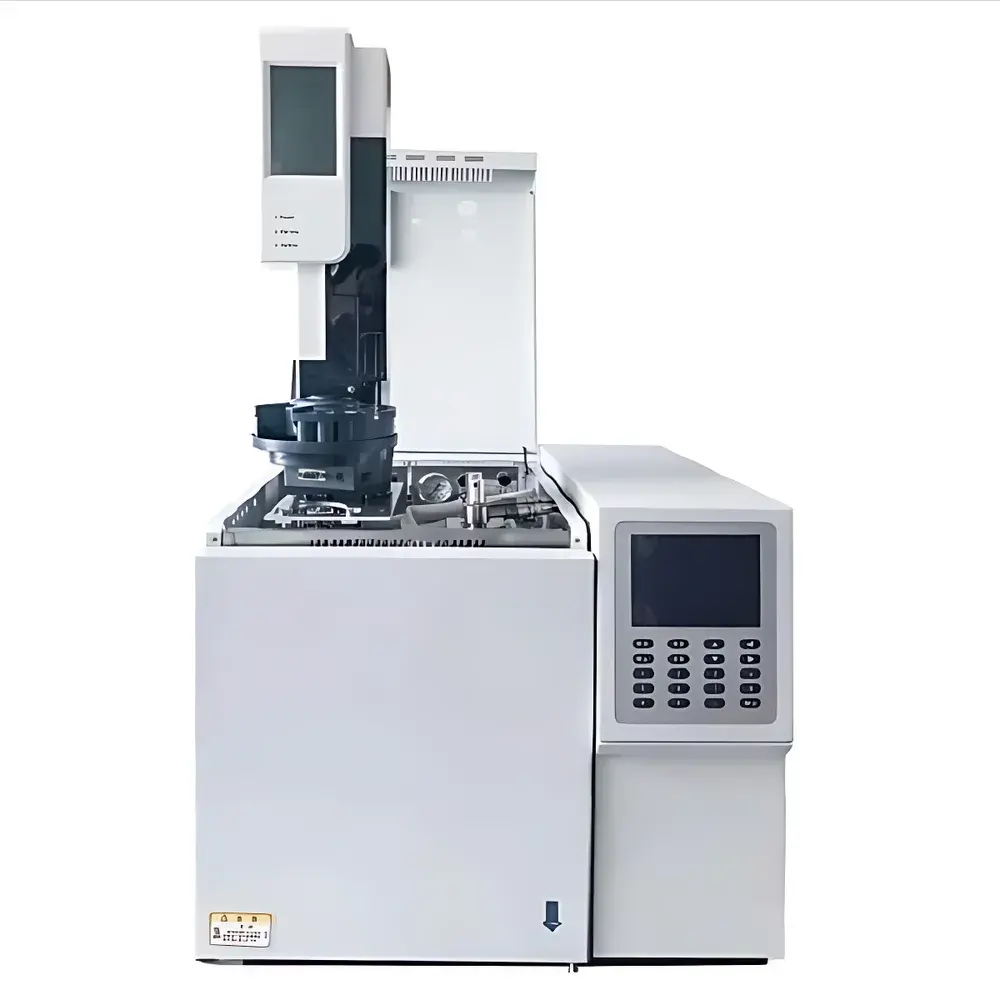
- Method transfer from GC-FID to HPLC-UV for laboratories requiring reduced derivatization steps and improved inter-laboratory reproducibility
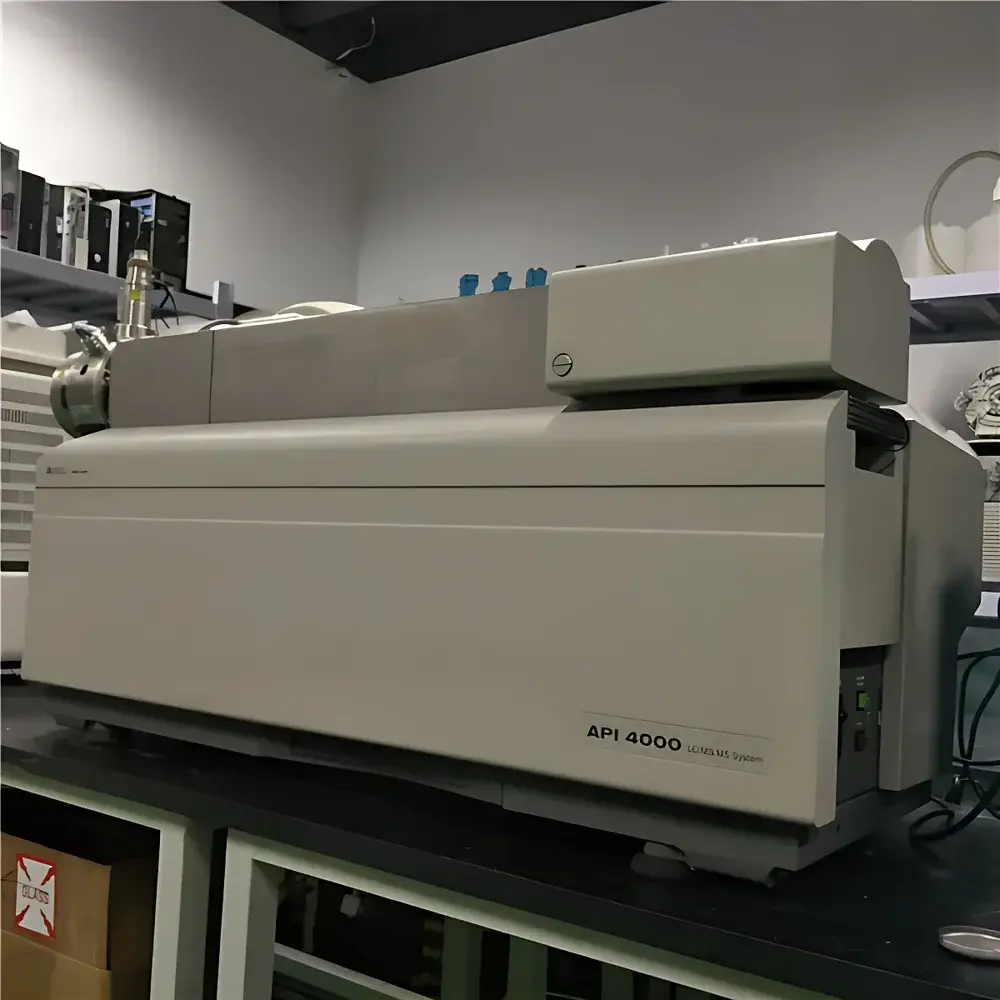
- Support for multi-analyte workflows when coupled with Thermo Q Exactive Focus MS for simultaneous cholesterol, oxysterols, and fatty acid methyl ester profiling
FAQ
Can this system quantify cholesterol in unrefined coconut oil without interference from lauric acid or polyphenols?
Yes—the C18 column’s selectivity combined with a methanol/water/acetonitrile gradient effectively resolves cholesterol from medium-chain fatty acids and phenolic glycosides. A 10-min run time achieves baseline separation (Rs > 2.0) under optimized conditions.
Is post-column derivatization required for regulatory submission?
No—UV detection at 205 nm meets AOAC and ISO requirements for total cholesterol. Derivatization (e.g., with ortho-phthalaldehyde) is optional for enhanced sensitivity in low-cholesterol matrices like refined canola oil.
Does the 1.5 mL loop accommodate viscous oil extracts?
The autosampler accepts pre-filtered (0.45 µm PTFE) extracts in organic solvents; viscosity effects are mitigated by heated sample tray (+40 °C) and programmable needle wash cycles.
How is system suitability verified for cholesterol assays?
Per USP , system suitability includes resolution ≥2.0 between cholesterol and adjacent sterol peaks, tailing factor ≤2.0, RSD of retention time ≤1.0%, and RSD of peak area ≤2.0% across six replicate injections.
Can the UltiMate 3000 be upgraded for LC-MS coupling?
Yes—its low-flow binary pump and zero-dead-volume fittings are compatible with Thermo Vanquish Flex UHPLC and Q Exactive series mass spectrometers via ESI interface.





