
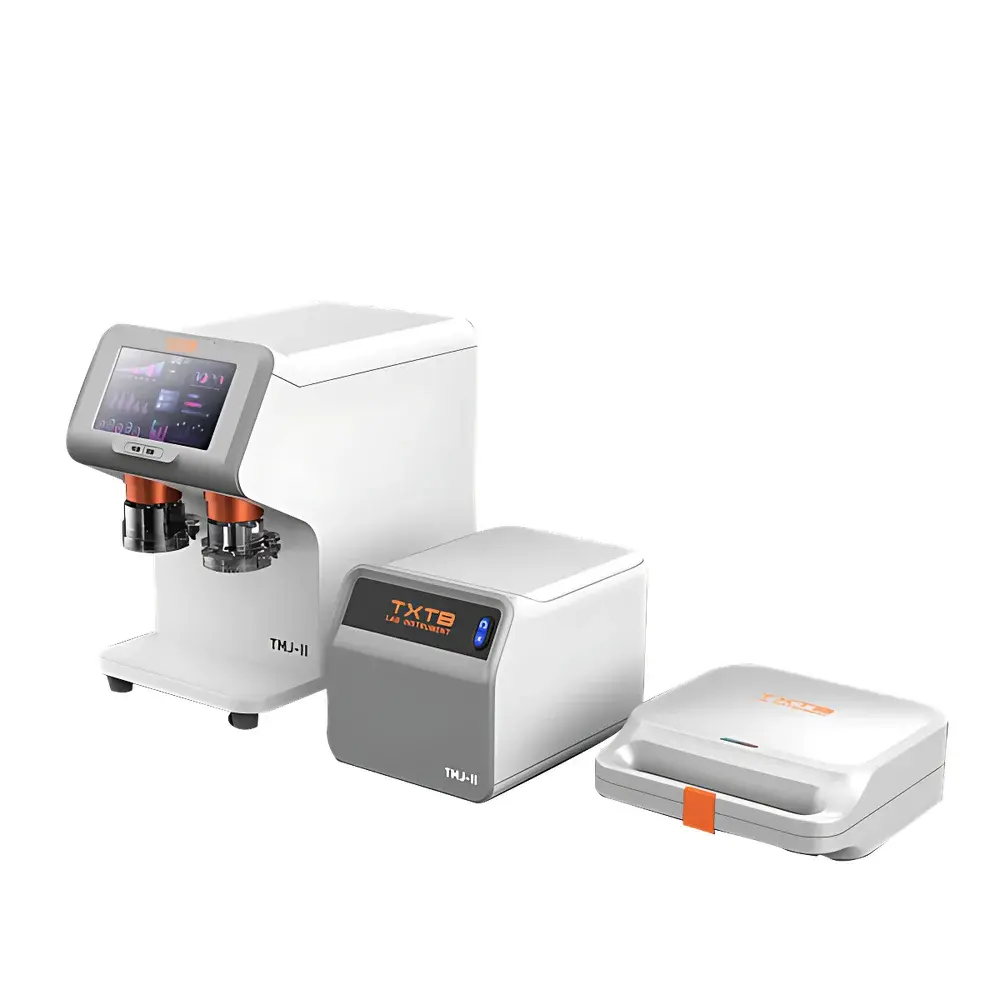
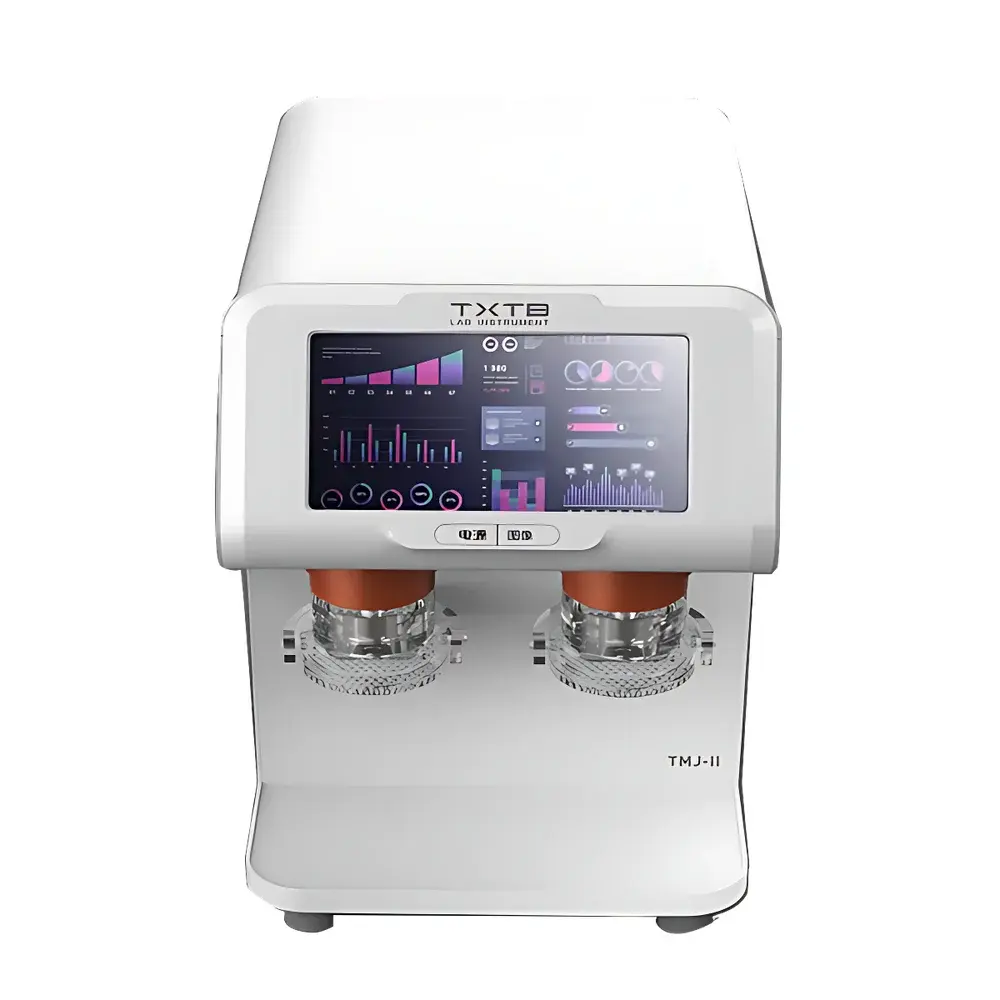
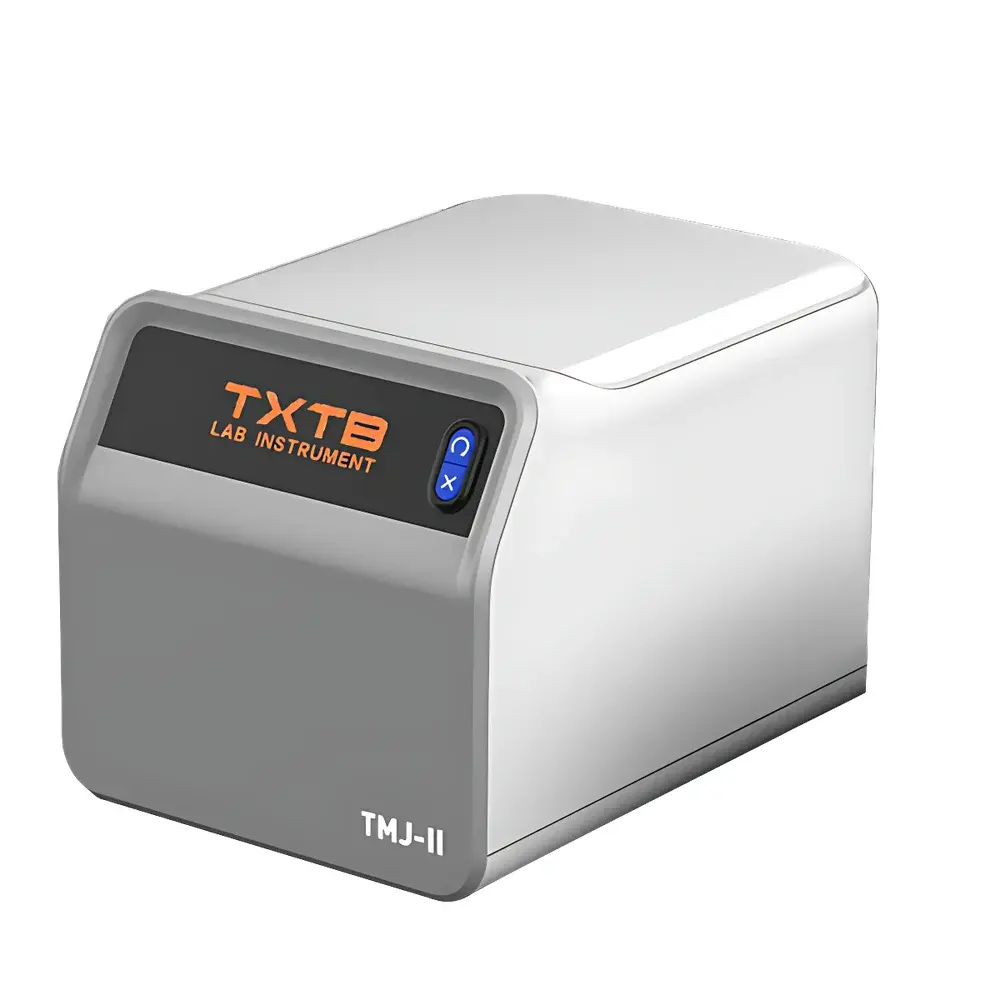
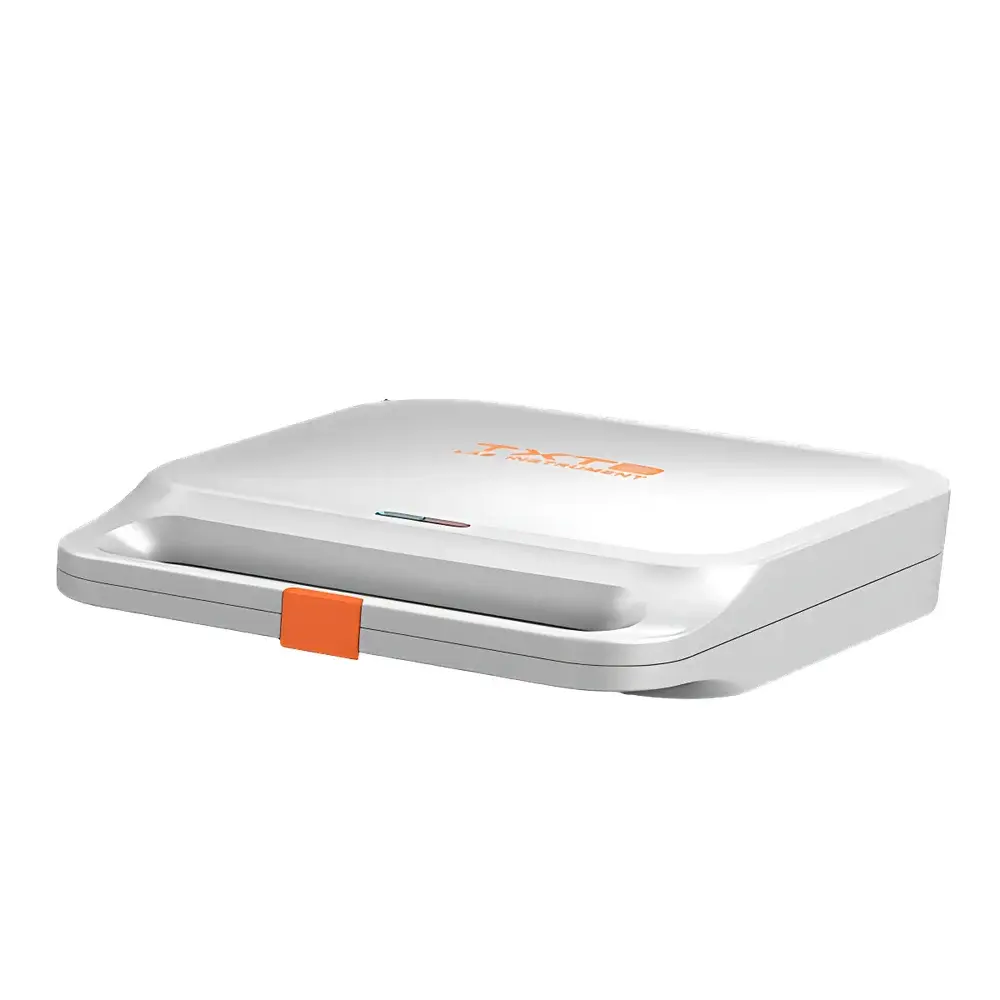
Tongxintianbo TMJ-II Constant-Temperature Gluten Washer and Index Analyzer
| Brand | Tongxintianbo |
|---|---|
| Origin | Beijing, China |
| Model | TMJ-II |
| Gluten Washing Time | 5 min (standard) |
| Mixer Speed | 120 rpm ±1 rpm |
| Dough Mixing Time | 20 s |
| Washing Flow Rate | 40–60 mL/min (adjustable, nominal 50 mL/min) |
| Centrifugation Speed | 6000 rpm |
| Centrifugation Sieve Aperture | 500 µm |
| Index Sieve Aperture | 600 µm |
| Drying Temperature Range | 150–200 °C |
| Power | 650 W |
| Dimensions | 400 × 380 × 270 mm |
| Voltage/Frequency | 220 V / 50 Hz |
| Compliance | GB/T 5506.1–2008 |
Overview
The Tongxintianbo TMJ-II Constant-Temperature Gluten Washer and Index Analyzer is a fully integrated, dual-channel laboratory instrument engineered for standardized quantitative determination of wet and dry gluten content, gluten index (GI), gluten moisture, water absorption capacity, and functional quality assessment of wheat flour, durum semolina, and whole grain flours. Based on the principle of selective protein hydration and mechanical washing—followed by centrifugal separation and thermal drying—the TMJ-II implements the gravimetric and index-based methodology defined in GB/T 5506.1–2008, the Chinese national standard aligned with international practices for gluten quantification (e.g., ICC Standard Method No. 155, AACC Method 38–12). Its constant-temperature capability ensures thermal stability during washing—critical for reproducible gluten hydration kinetics—and minimizes inter-laboratory variability caused by ambient temperature fluctuations. Designed for routine QC/QA in flour mills, cereal research labs, and regulatory testing centers, the system delivers high repeatability across batched samples while supporting method development for non-standardized raw materials.
Key Features
- Dual-channel architecture enables parallel processing of two independent flour samples—reducing analysis cycle time and improving throughput without compromising measurement integrity.
- Programmable touch-screen interface with real-time countdown display for all operational phases: dough mixing (20 s default, adjustable), gluten washing (1 s–99 min range), centrifugation (1 s–10 min), and thermal drying (time controlled via preset temperature profile).
- High-precision peristaltic pumping system with dual independent channels delivers consistent, calibrated flow rates between 40–60 mL/min; nominal setting at 50 mL/min complies with GB/T 5506.1–2008 requirements for standardized starch removal efficiency.
- Integrated automatic post-wash rinse cycle prevents cross-contamination and residue buildup, extending service life of stainless-steel washing cups (ID: 54 ± 0.5 mm) and 180-mesh elastic polymer sieve inserts.
- Thermally stabilized washing chamber option maintains bath temperature within ±0.5 °C across operational cycles—essential for comparative studies involving low- or high-protein flours where hydration rate directly affects gluten network formation.
- Centrifuge module features safety interlock and rotor lock mechanism at 6000 rpm, paired with interchangeable sieve assemblies: 500 µm mesh for standard gluten index separation and 600 µm mesh for refined index calculation per GB/T 5506.2.
Sample Compatibility & Compliance
The TMJ-II accommodates a broad spectrum of cereal-based powders including refined wheat flour (Type 405–550), durum semolina, spelt flour, rye blends, and whole grain composites—provided particle size distribution permits uniform dough formation. All wet-gluten isolation steps conform to GB/T 5506.1–2008, which specifies sample mass (10.00 ± 0.01 g), NaCl concentration (2.0% w/v), and mechanical agitation parameters. The instrument’s data output structure supports traceability under GLP-compliant workflows: timestamped operation logs, user ID tagging, and parameter audit trails are exportable via RS232/USB interface. While not pre-certified to ISO/IEC 17025 or FDA 21 CFR Part 11, its architecture allows integration into validated laboratory information management systems (LIMS) when deployed with documented SOPs and periodic performance verification (e.g., reference flour calibration checks every 25 runs).
Software & Data Management
The embedded control firmware supports local storage of up to 500 test records with full parameter metadata (mixing time, wash duration, flow rate, centrifuge speed, drying temp). Data export is facilitated through USB mass storage mode or serial transmission (ASCII-delimited format), enabling direct import into Excel, LabArchives, or custom QA databases. Optional Ethernet/Wi-Fi connectivity (via add-on module) permits remote monitoring and centralized fleet management across multi-site milling operations. All stored values retain unit consistency (rpm, mL/min, °C, %) and comply with SI-derived conventions used in international grain science publications.
Applications
- Routine gluten content screening in flour receiving and release testing at mill gate.
- Correlation studies between gluten index and baking performance (e.g., loaf volume, crumb structure) in R&D settings.
- Raw material qualification for gluten-free product lines—detecting inadvertent cross-contact via trace gluten detection thresholds.
- Method validation for modified extraction protocols (e.g., enzymatic pretreatment, pH-adjusted washing buffers).
- Training platform for food science curricula emphasizing standardized cereal protein analysis.
FAQ
Does the TMJ-II meet international gluten testing standards beyond GB/T 5506.1?
Yes—the operational parameters align closely with ICC 155 and AACC 38–12; however, formal equivalence documentation requires lab-specific bridging studies per ISO/IEC 17025 Annex A.
Can the instrument be used for gluten-free flour verification?
It is not designed for quantitative detection below ~0.1% wet gluten; dedicated ELISA or PCR methods are required for regulatory gluten-free claims (<20 ppm).
Is calibration certification provided with shipment?
Factory calibration certificates for mixer speed, flow rate, and temperature sensors are included; annual recalibration is recommended using NIST-traceable reference standards.
What maintenance intervals are advised for long-term reliability?
Daily wipe-down of washing cups and sieves; monthly inspection of pump tubing elasticity and centrifuge rotor balance; biannual verification of thermal drying uniformity across chamber zones.
Is software upgrade support available post-purchase?
Firmware updates are distributed free-of-charge via Tongxintianbo’s secure customer portal, requiring USB-based installation and backup of existing configuration files.





