
TSE Systems Multi Conditioning System (MCS)
| Brand | TSE Systems |
|---|---|
| Origin | Germany |
| Model | Multi Conditioning System |
| Category | Modular Animal Behavior Conditioning Platform |
| Compliance | GLP-Compliant Software Architecture |
| Optional Integration | Synchronized Video Monitoring |
| Stimulus Modalities | Auditory (tones, white noise), Visual (LED light pulses, brightness control), Tactile (air puff), Aversive (foot shock), Spatial Cueing (interchangeable chamber configurations) |
| Supported Paradigms | Active/Passive Avoidance, Learned Helplessness, Latent Inhibition, Fear Conditioning (cue & context), Conditioned Place Preference (CPP), Light-Dark Test, Open Field / Locomotor Activity Assessment |
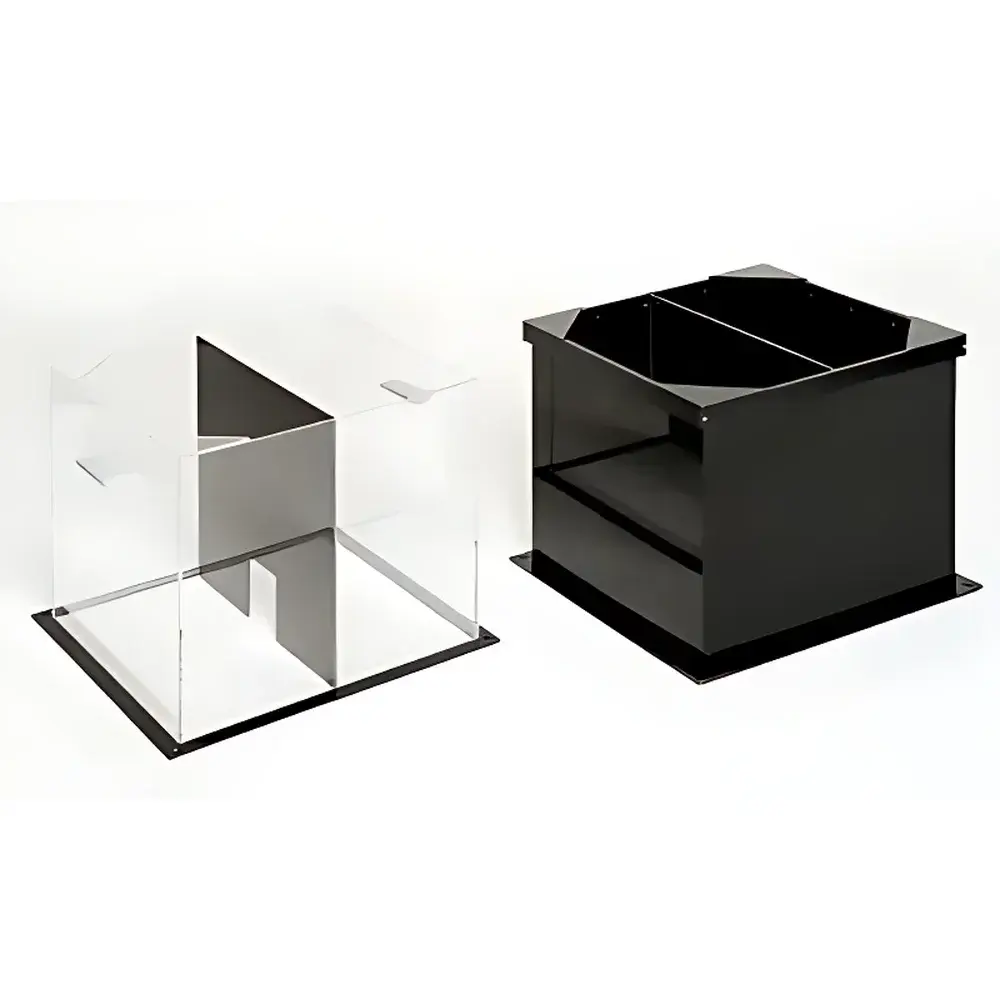
| Chamber Configuration | Modular, reconfigurable enclosures with infrared beam arrays (high-resolution photobeam frame, ≥16 beams per axis) |
| Software | MCS Control & Analysis Suite (v5.0+), audit-trail enabled, 21 CFR Part 11 ready (with optional electronic signature module) |
Overview
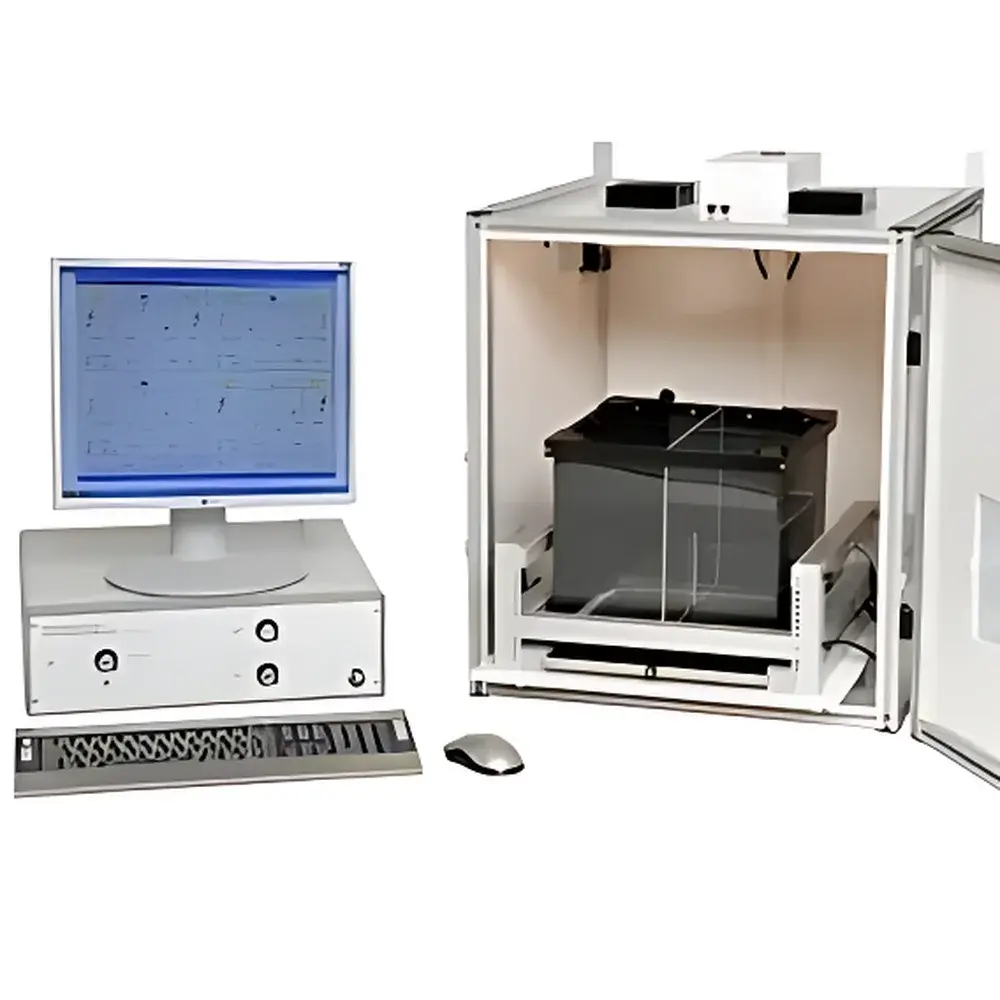
The TSE Systems Multi Conditioning System (MCS) is a modular, hardware-integrated platform engineered for rigorous, reproducible behavioral phenotyping in rodent models. Built upon a unified control architecture and deterministic real-time stimulus delivery engine, the MCS implements classical and operant conditioning paradigms using precisely timed, calibrated sensory stimuli—including auditory tones and broadband noise, spectrally neutral LED-based visual cues, calibrated air-puff tactile stimuli, and programmable foot shock with adjustable intensity and duration. Its core measurement principle relies on high-resolution infrared photobeam interruption detection (≥16 beams per spatial axis) to quantify locomotion, freezing, entry latency, time-in-zone, and inter-beam crossing frequency with sub-second temporal resolution. Designed for longitudinal studies under standardized environmental conditions, the MCS supports both single-chamber and multi-chamber parallel experimental designs—enabling concurrent execution of distinct behavioral protocols across independent subjects without cross-contamination of stimulus history or behavioral state.
Key Features
- Modular hardware architecture permitting rapid reconfiguration between behavioral paradigms—no physical rewiring or recalibration required between experiments.
- High-fidelity photobeam frame with ≥16 independently addressable infrared emitters and detectors per axis, enabling precise spatial tracking of movement onset, velocity profiles, and immobility episodes.
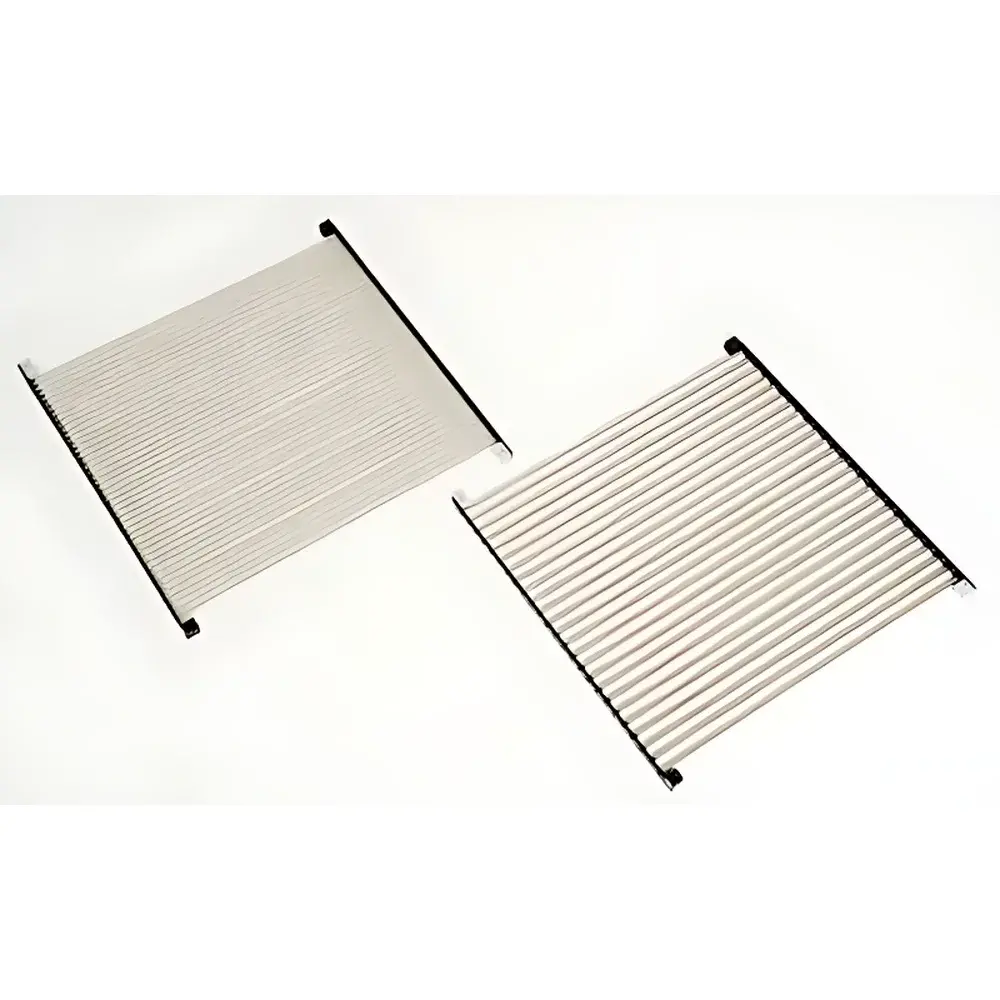
- Stimulus generation subsystem supporting six orthogonal modalities: auditory (frequency-tunable tones, 1–20 kHz; broadband white noise), visual (programmable LED intensity, pulse width, and duty cycle), tactile (pneumatic air puff with pressure-regulated output), aversive (constant-current foot shock with 0.05–2.0 mA range), olfactory (optional integration with vapor-phase odor delivery modules), and spatial (interchangeable chamber inserts for texture, geometry, and cue placement).
- GLP-compliant software suite featuring full audit trail logging, user role-based access control, electronic signature support (21 CFR Part 11 compliant when configured), and automated calibration verification reports.
- Native synchronization interface for third-party video acquisition systems (e.g., Basler ace, FLIR Blackfly), enabling pixel-accurate alignment of behavioral events with frame-stamped video metadata.
- Real-time experiment monitoring dashboard with live beam-break heatmaps, stimulus event markers, and subject-specific behavioral state classification (e.g., freezing vs. ambulation).
Sample Compatibility & Compliance
The MCS is validated for use with mice (C57BL/6, BALB/c, DBA/2, FVB/N) and rats (Sprague-Dawley, Wistar, Long-Evans) across standard weight and age ranges (P21–12 months). All chamber materials comply with ISO 10993-5 (cytotoxicity) and USP Class VI biocompatibility standards. The system meets IEC 61000-6-3 (EMC emissions) and IEC 61000-6-2 (immunity) requirements for laboratory instrumentation. Software design adheres to ALCOA+ principles (Attributable, Legible, Contemporaneous, Original, Accurate, Complete, Consistent, Enduring, Available) and supports full traceability from raw beam data to final statistical output. System validation documentation (IQ/OQ/PQ protocols) is provided per customer request and aligns with FDA GLP regulations (21 CFR Part 58) and EMA Guideline on Good Clinical Laboratory Practice.
Software & Data Management
The MCS Control & Analysis Suite (v5.0+) operates on Windows 10/11 (64-bit) and employs a relational SQLite database backend with encrypted storage of raw timestamped beam events, stimulus logs, and user annotations. Data export supports CSV, HDF5, and MATLAB .mat formats with metadata embedding (stimulus parameters, animal ID, protocol version, operator ID). Batch analysis pipelines include automated freezing detection (using adaptive motion variance thresholds), zone preference scoring (bias index calculation), and avoidance latency curve fitting (Weibull distribution modeling). Audit trails record every parameter change, session start/stop, file export, and user login—retained for ≥36 months by default. Optional cloud backup and centralized license management are available via TSE’s Enterprise Server Module.
Applications
- Fear memory acquisition and extinction: simultaneous cue-context discrimination with dual-chamber contextual encoding and discrete tone-shock pairing.
- Antidepressant screening: quantification of escape latency and immobility duration in learned helplessness assays across 3-day protocols.
- Addiction research: unbiased conditioned place preference assessment with counterbalanced chamber assignment and automatic bias correction.
- Anxiolytic profiling: integrated light-dark transition analysis with real-time illumination gradient control and thigmotaxis mapping.
- Neurodevelopmental phenotyping: longitudinal open-field activity tracking across postnatal weeks with cohort-normalized velocity percentile ranking.
- Cognitive flexibility testing: latent inhibition protocols requiring pre-exposure phase synchronization across multiple chambers with identical timing precision.
FAQ
Is the MCS compatible with existing TSE home cage monitoring systems?
Yes—the MCS shares the same communication protocol (TSE-Net v3.2) and can be centrally managed alongside PhenoMaster, Digiscan, and LABORAS systems via the TSE Central Control Console.
Can stimulus parameters be randomized or counterbalanced within a single protocol?
Yes—software-defined randomization engines support pseudorandom stimulus order, inter-trial interval jittering, and subject-specific counterbalancing of chamber assignments and cue modality sequences.
What level of technical support is included with purchase?
All systems include 24-month hardware warranty, remote software maintenance updates, and access to TSE’s Application Scientist team for protocol optimization and GLP validation assistance.
Does the MCS support automated scoring of freezing behavior?
Yes—freezing is calculated algorithmically using beam-break variance over 100-ms sliding windows, with user-adjustable sensitivity thresholds and manual review overlay capability.
Are custom chamber geometries or stimulus hardware options available?
Yes—TSE offers OEM engineering services for application-specific chamber inserts, specialized electrode configurations, and integration with optogenetic or chemogenetic stimulation interfaces.




