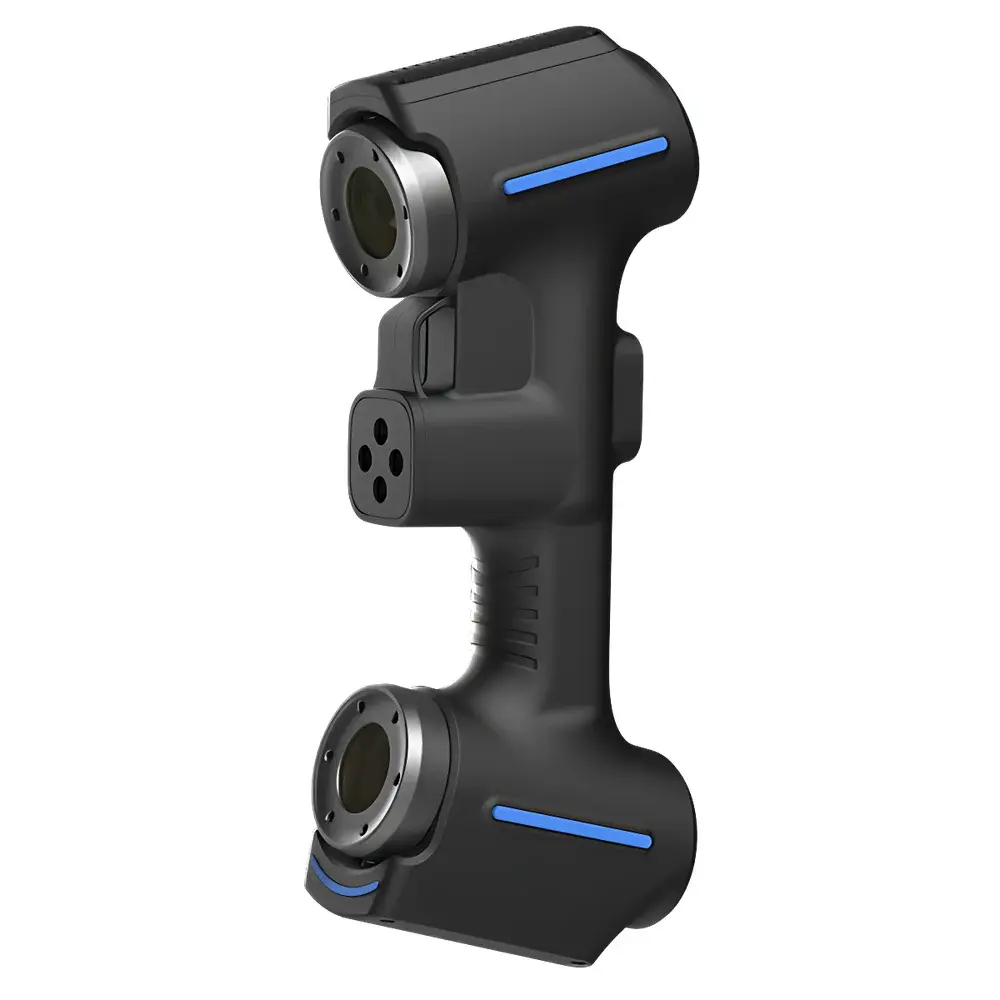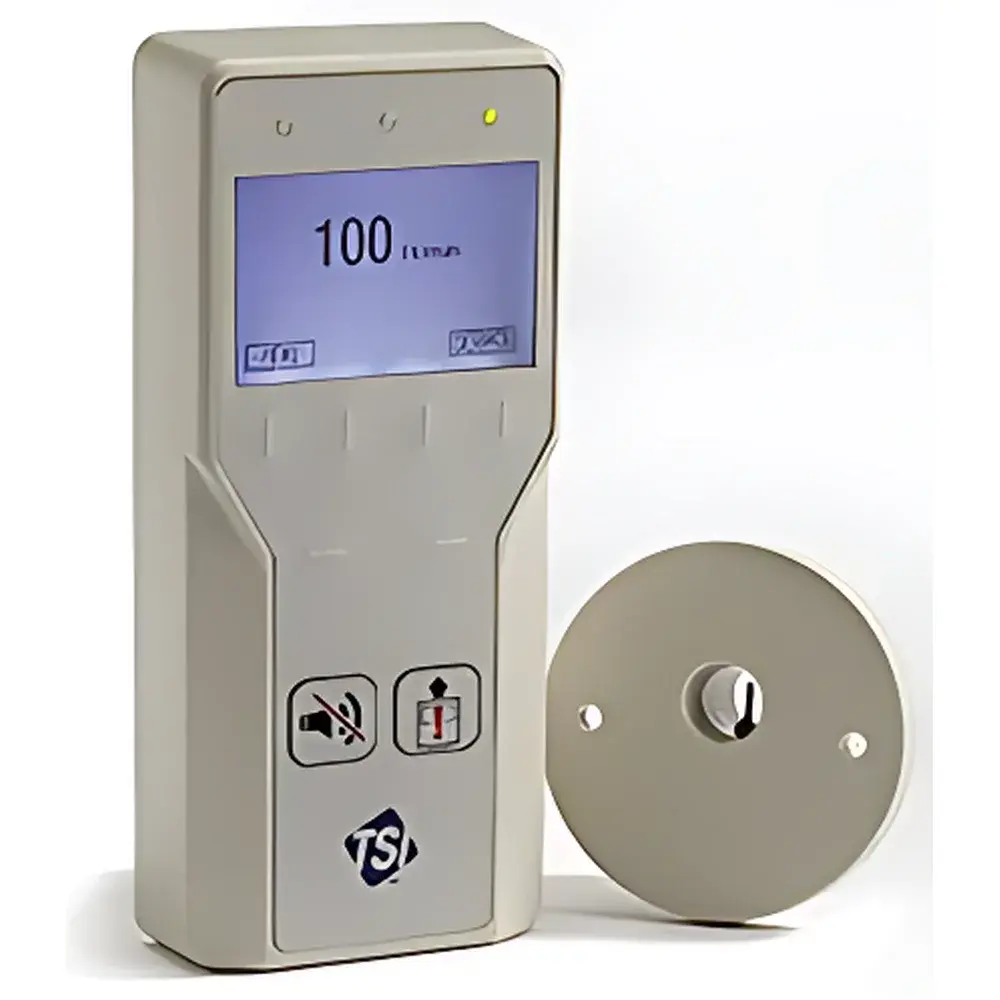
TSI FHC50/FHM10 Fume Hood Monitoring and Control System
| Brand | TSI |
|---|---|
| Origin | USA |
| Model | FHC50 / FHM10 |
| Communication Protocols | BACnet®, LonWorks®, Modbus™ |
| Alarm Types | Visual, Audible, Remote |
| Installation Options | Surface-Mount or Flush-Mount |
| Sensor Integration | Sash Position, Face Velocity (via thermal anemometry), Static Pressure, Thermal Mass Flow |
| Compliance Support | ANSI/ASHRAE 110, EN 14175, ISO 10632, GLP-relevant audit trails via BMS integration |
| Output | 4–20 mA analog output (FHM10), relay outputs, digital status reporting |
Overview
The TSI FHC50/FHM10 Fume Hood Monitoring and Control System is an engineered solution for real-time, metrologically traceable face velocity measurement and demand-based airflow control in laboratory fume hoods. Built upon thermal anemometry principles, the FHM10 sensor delivers direct, temperature-compensated measurement of average face velocity across the hood sash plane—adhering to the fundamental performance criterion defined in ANSI/ASHRAE Standard 110 and EN 14175-3. The FHC50 controller integrates this data with sash position feedback and building automation signals to dynamically modulate variable air volume (VAV) valves—ensuring consistent face velocity (typically 0.3–0.5 m/s) regardless of sash movement or room pressure fluctuations. This closed-loop architecture satisfies both safety-critical operational requirements and energy efficiency mandates under ASHRAE Guideline 28-2019 and LEED v4.1 EBOM Energy Optimization credits.
Key Features
- Face velocity monitoring with ±3% full-scale accuracy (FHM10), compensated for ambient temperature drift using integrated thermal mass flow sensing
- Dynamic sash-coupled control logic: adjusts VAV valve position in real time to maintain setpoint face velocity during sash traversal
- Dual-mode operation: supports both constant-volume and variable-volume control strategies depending on lab infrastructure configuration
- BACnet MS/TP, LonWorks FT-10, and Modbus RTU native protocol support for bidirectional communication with building management systems (BMS)
- Configurable alarm hierarchy: local visual (LED bar graph + backlight), audible (85 dB @ 1 m), and remote notification via dry-contact relay or BMS event logging
- Non-intrusive installation: surface-mount or flush-mount options; no duct modification required for FHM10 sensor deployment
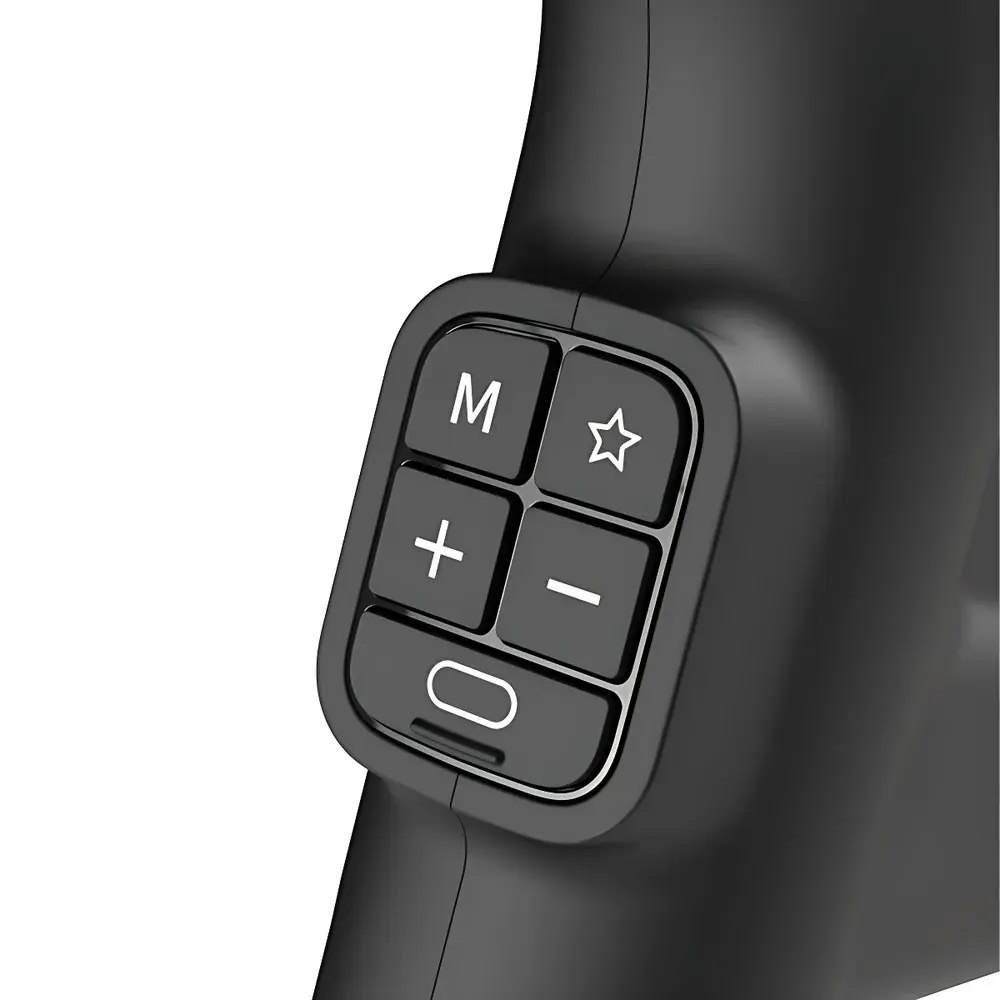
- On-device configuration via intuitive membrane keypad or PC-based TSI Fume Hood Configuration Software (v3.2+)
- Event-logged operational history with timestamped alarm triggers, sash position changes, and valve actuation cycles—supporting GLP-compliant record retention when interfaced with validated BMS platforms
Sample Compatibility & Compliance
The FHC50/FHM10 system is compatible with all standard bypass, constant-volume, and variable-air-volume fume hood configurations—including ducted, recirculating, and auxiliary-air types. It accommodates sash travel ranges from 0–800 mm and supports integration with linear Venturi valves, butterfly dampers, and pneumatic actuators rated for Class I, Division 2 hazardous locations. Regulatory alignment includes ANSI/ASHRAE 110-2016 (performance testing), EN 14175-3:2022 (safety classification), ISO 10632:2017 (airflow measurement uncertainty), and OSHA 1910.1450 (laboratory standard). When deployed with audit-trail-enabled BMS platforms compliant with FDA 21 CFR Part 11, the system supports electronic record integrity for regulated life science and pharmaceutical laboratories.
Software & Data Management
Configuration and diagnostics are managed via TSI’s proprietary Fume Hood Configuration Software, which provides firmware update capability, calibration certificate import (NIST-traceable), and exportable CSV logs of velocity trends, alarm events, and valve position history. All BMS-integrated data points—including face velocity, sash height, alarm status, and valve command signal—are mapped to standardized object lists per BACnet BIBBs (BACnet Interoperability Building Blocks). Optional TSI CloudLink Gateway enables secure, TLS 1.2-encrypted telemetry to centralized dashboards for multi-site portfolio monitoring—retaining raw second-level sampling resolution for root-cause analysis of transient airflow excursions.
Applications
This system serves mission-critical environments where personnel protection, chemical containment integrity, and energy accountability intersect. Primary deployment contexts include: university teaching and research laboratories conducting organic synthesis or nanomaterial handling; pharmaceutical QC/QA labs operating under cGMP Annex 1 and USP analytical instrument qualification frameworks; clinical diagnostic facilities managing volatile reagents in CLIA-certified workflows; biosafety level 2 (BSL-2) containment suites requiring continuous airflow verification; and government environmental testing laboratories subject to EPA Method 205 compliance reporting. Its modular architecture also supports retrofitting legacy hoods without full mechanical overhaul.
FAQ
Does the FHM10 require periodic recalibration?
Yes—annual field verification against a NIST-traceable reference anemometer is recommended per ISO/IEC 17025 clause 6.5.2; zero-point drift compensation occurs automatically during idle periods.
Can the FHC50 interface with non-TSI VAV actuators?
Yes—its 0–10 VDC or 4–20 mA analog output and configurable relay contacts are compatible with third-party damper actuators meeting ASHRAE Guideline 28 control signal specifications.
Is the system suitable for high-humidity or corrosive vapor environments?
The FHM10 sensor housing meets IP54 ingress protection; optional PTFE-coated probes are available for halogenated solvent or acidic fume applications.
How does the system handle rapid sash movement?
The FHC50 employs predictive feedforward control using sash encoder input, reducing transient velocity deviation to <±0.05 m/s during 0–100% sash travel at 0.3 m/s velocity setpoint.
What documentation is provided for regulatory audits?
Factory calibration certificates, IEC 61508 SIL1 functional safety assessment summary, and BMS integration validation protocols (IQ/OQ templates) are supplied with each unit shipment.