
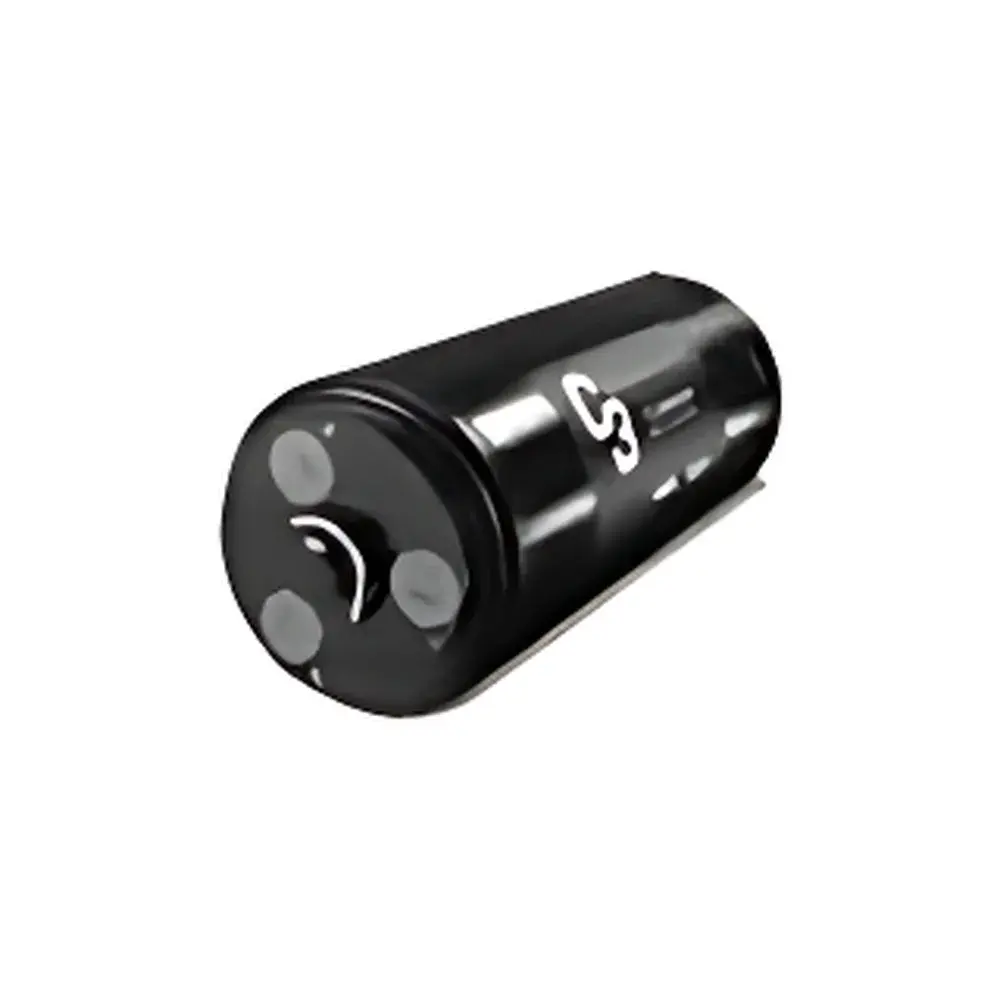
Turner Designs C3 In-Situ Chlorophyll a and Algal Pigment Fluorometer
| Brand | Turner Designs |
|---|---|
| Origin | USA |
| Model | C3 |
| Dimensions | 23 cm L × 10 cm Ø |
| Weight | 1.64 kg (3.6 lbs) |
| Housing Material | Acetal resin |
| Operating Temperature | −2 to 50 °C |
| Max Depth Rating | 600 m |
| Power Supply | 8–30 VDC |
| Interface | RS-232 digital output |
| Minimum Sampling Interval | 1 s |
| Data Storage Capacity | >480,000 records |
| Integrated Sensors | Factory-installed temperature and pressure (depth) sensors |
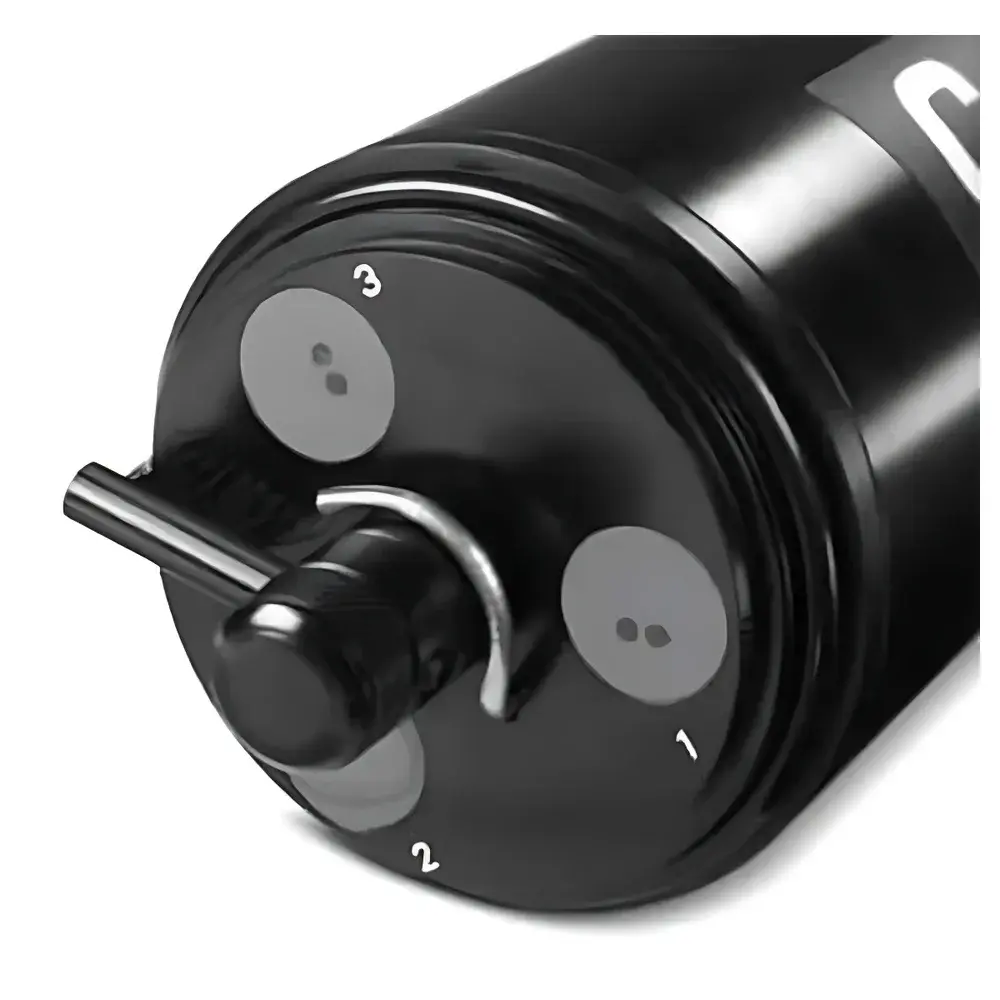
| Compatible Probes | Up to three Cyclops-7 optical sensors (selectable from: live chlorophyll a, phycocyanin, phycoerythrin, rhodamine WT, CDOM/UV, hydrocarbon oil, turbidity) |
Overview
The Turner Designs C3 is an in-situ, multi-parameter fluorometric analyzer engineered for continuous, real-time monitoring of phytoplankton pigments and water quality indicators in marine, freshwater, and estuarine environments. Based on the principle of excitation-emission fluorescence spectroscopy, the C3 platform interfaces with up to three modular Cyclops-7 optical sensors—each operating independently with dedicated gain control, calibration coefficients, and spectral response optimization. Unlike benchtop fluorometers requiring sample extraction and lab processing, the C3 performs direct in-water measurements with minimal biofouling interference, delivering high reproducibility for long-term deployments. Its pressure-rated housing (600 m depth rating), integrated temperature and depth (pressure) transducers, and robust acetal resin construction ensure operational integrity across dynamic hydrographic conditions—from shallow littoral zones to deep benthic observatories.
Key Features
- Modular sensor architecture supporting up to three Cyclops-7 probes simultaneously, each with independent auto-ranging, digital calibration storage, and real-time signal processing.
- Factory-integrated temperature and pressure (depth) sensors compliant with IEC 60529 IP68 and MIL-STD-810G environmental specifications.
- RS-232 digital interface enabling seamless integration with CTD systems, autonomous underwater vehicles (AUVs), mooring platforms, or third-party data loggers.
- Windows-based configuration and data management software featuring intuitive calibration wizards, time-stamped data export (CSV/Excel), and firmware update support.
- High-capacity onboard memory storing over 480,000 timestamped records with dual timestamping (system clock + GPS-sync option via external module).
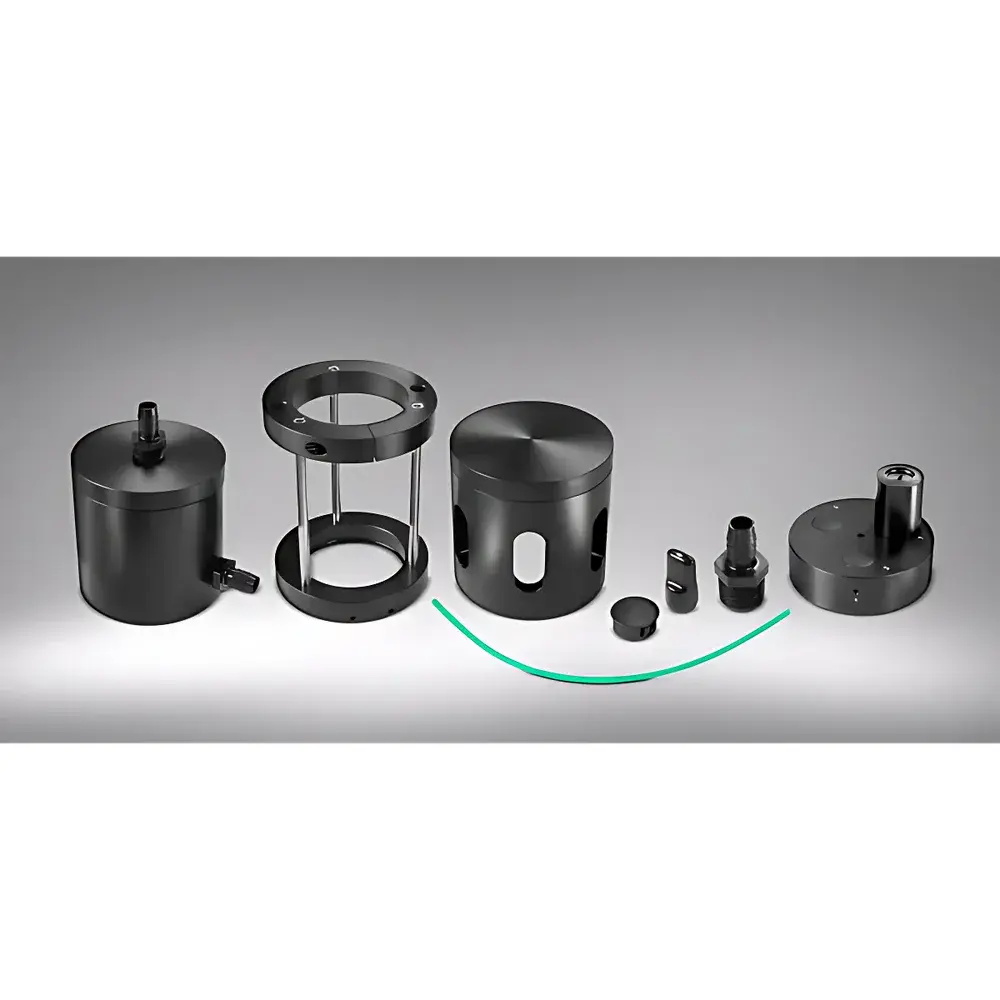
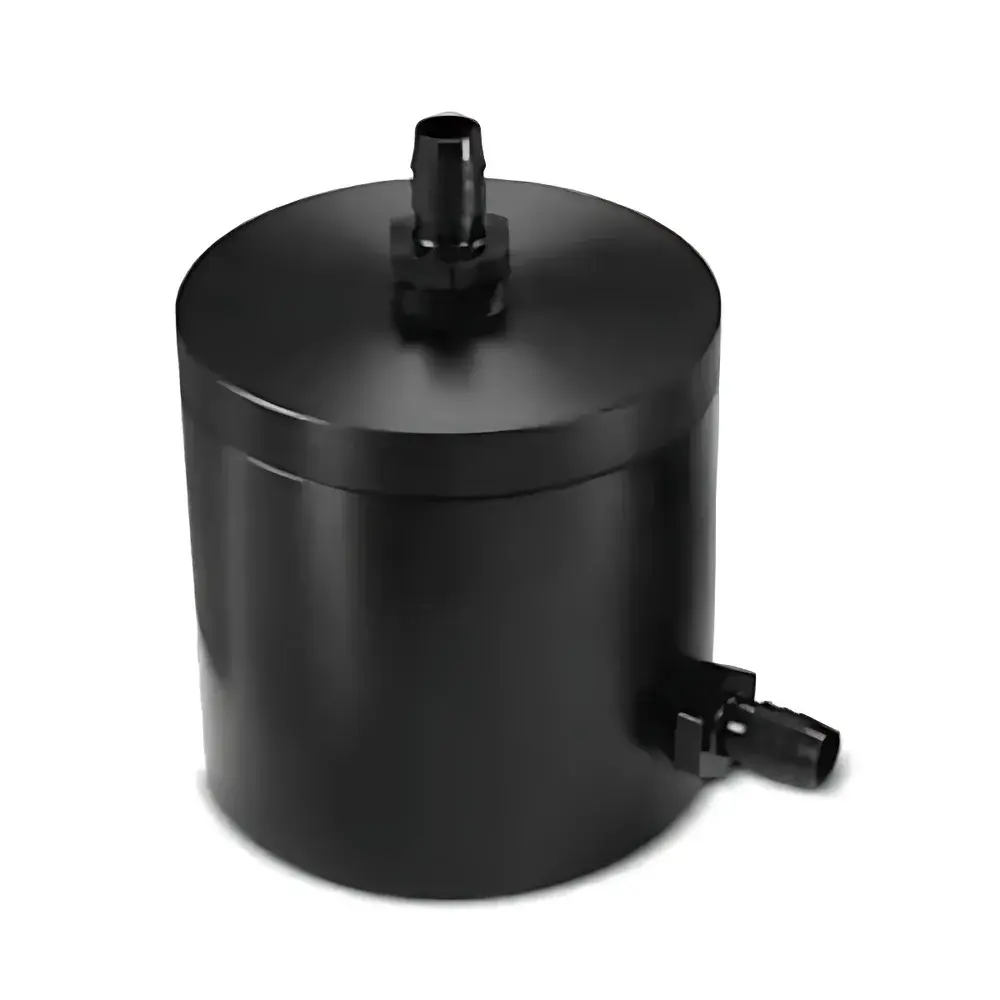
- Optional mechanical cleaning brush kit for extended deployment in high-fouling environments such as eutrophic lakes or coastal aquaculture outfalls.
- Low-power design optimized for battery- or solar-powered remote stations; typical current draw < 50 mA at 12 VDC during active sampling.
Sample Compatibility & Compliance
The C3 is validated for direct in-situ measurement in natural waters without filtration or chemical pretreatment. Sensor configurations are traceable to NIST-traceable standards: chlorophyll a quantification follows EPA Method 445.0 (fluorometric); turbidity adheres to ISO 7027; hydrocarbon detection aligns with ASTM D5179 for dissolved aromatic compounds. All factory calibrations include documented uncertainty budgets per ISO/IEC 17025 requirements. The system supports GLP-compliant audit trails when used with Turner Designs’ optional secure logging mode, which records operator actions, calibration events, and parameter modifications with user authentication and timestamping—meeting foundational expectations for USP and FDA 21 CFR Part 11 data integrity frameworks.
Software & Data Management
Turner Designs’ C3 Control Software (v4.x, Windows 10/11 compatible) provides full instrument configuration, real-time telemetry visualization, and post-deployment data reconciliation. Users define custom sampling schedules (e.g., burst mode at 1 Hz for 60 s every 15 min), apply linear or polynomial correction factors for temperature drift compensation, and generate calibration reports with coefficient history. Exported datasets include raw voltage outputs, converted concentration units (µg/L, NTU, ppb), and ancillary metadata (temperature, depth, battery voltage, sensor status flags). The software supports batch processing of multi-sensor deployments and exports structured JSON for ingestion into cloud-based environmental data infrastructures (e.g., ERDDAP, THREDDS).
Applications
- Algal bloom early warning systems in reservoirs and drinking water intakes, leveraging simultaneous chlorophyll a and phycocyanin detection to distinguish cyanobacterial dominance.
- Long-term ecological monitoring programs (LTER, NOAA NERR) requiring high-frequency pigment profiling across seasonal thermal stratification cycles.
- Offshore oil & gas operations conducting baseline and impact assessments using rhodamine WT surrogate tracking and crude oil fluorescence quantification.
- Wastewater treatment plant effluent monitoring where CDOM and turbidity co-vary with organic loading and suspended solids removal efficiency.
- Integration into oceanographic CTD rosettes for vertical profile mapping of phytoplankton functional groups (e.g., cryptophytes vs. cyanobacteria via phycoerythrin/chlorophyll a ratios).
FAQ
What sensor combinations can be deployed simultaneously on a single C3 unit?
Up to three Cyclops-7 sensors may be installed—any combination from the supported set: live chlorophyll a, phycocyanin, phycoerythrin, rhodamine WT, CDOM (365 nm excitation), hydrocarbon oil, or turbidity.
Is the C3 compatible with existing mooring or AUV telemetry systems?
Yes—the RS-232 interface supports standard NMEA 0183 framing and configurable baud rates (up to 115.2 kbps); protocol documentation and ASCII command sets are provided under NDA.
How is calibration traceability maintained across field deployments?
Each sensor module stores its unique calibration coefficients and date-stamped validation records internally; the C3 Control Software generates PDF calibration certificates compliant with ISO/IEC 17025 Annex A.3.
Can depth-compensated fluorescence values be calculated onboard?
No—pressure-derived depth data is logged alongside fluorescence signals, but spectral correction for hydrostatic quenching requires post-processing using Turner Designs’ recommended algorithms (available in software toolkit).
What maintenance intervals are recommended for submerged operation?
For deployments >30 days in biologically active waters, quarterly inspection and optional mechanical brush activation are advised; acetal housing requires no anti-fouling coating per ASTM D3523 guidelines.







