
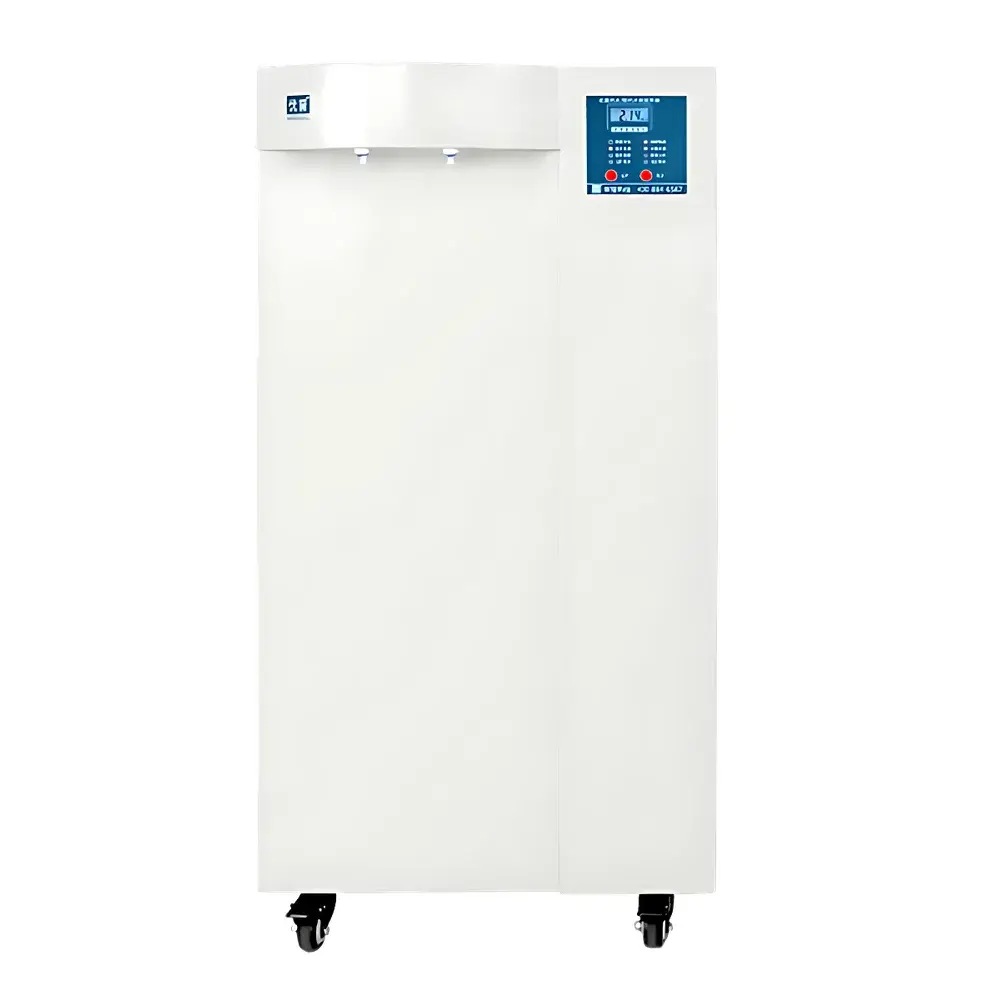
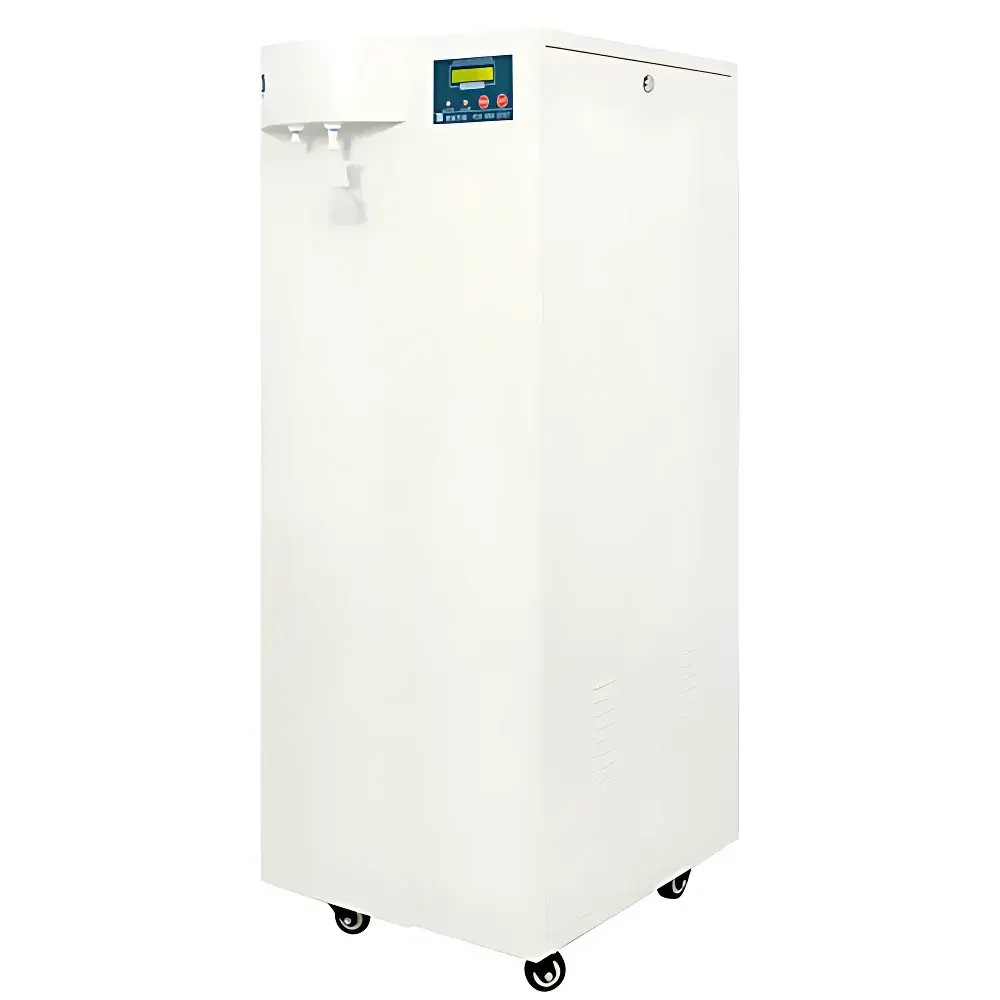
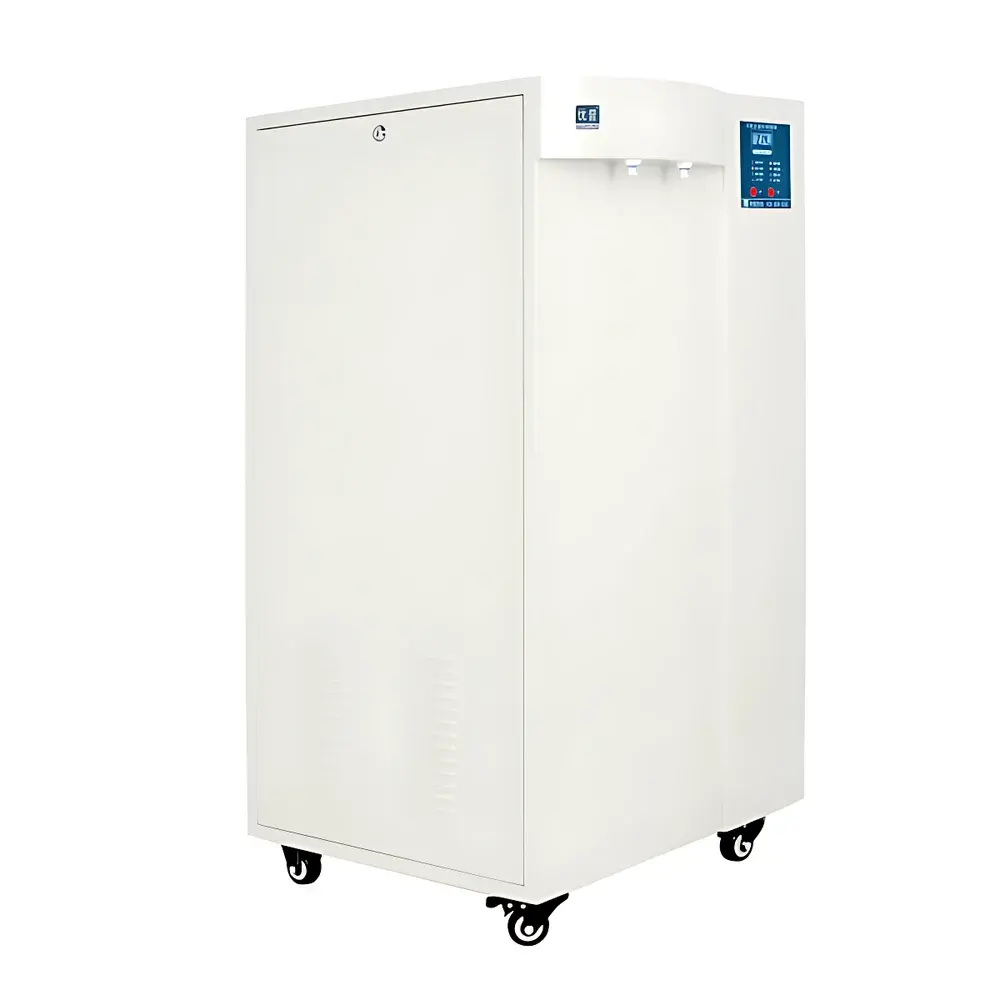
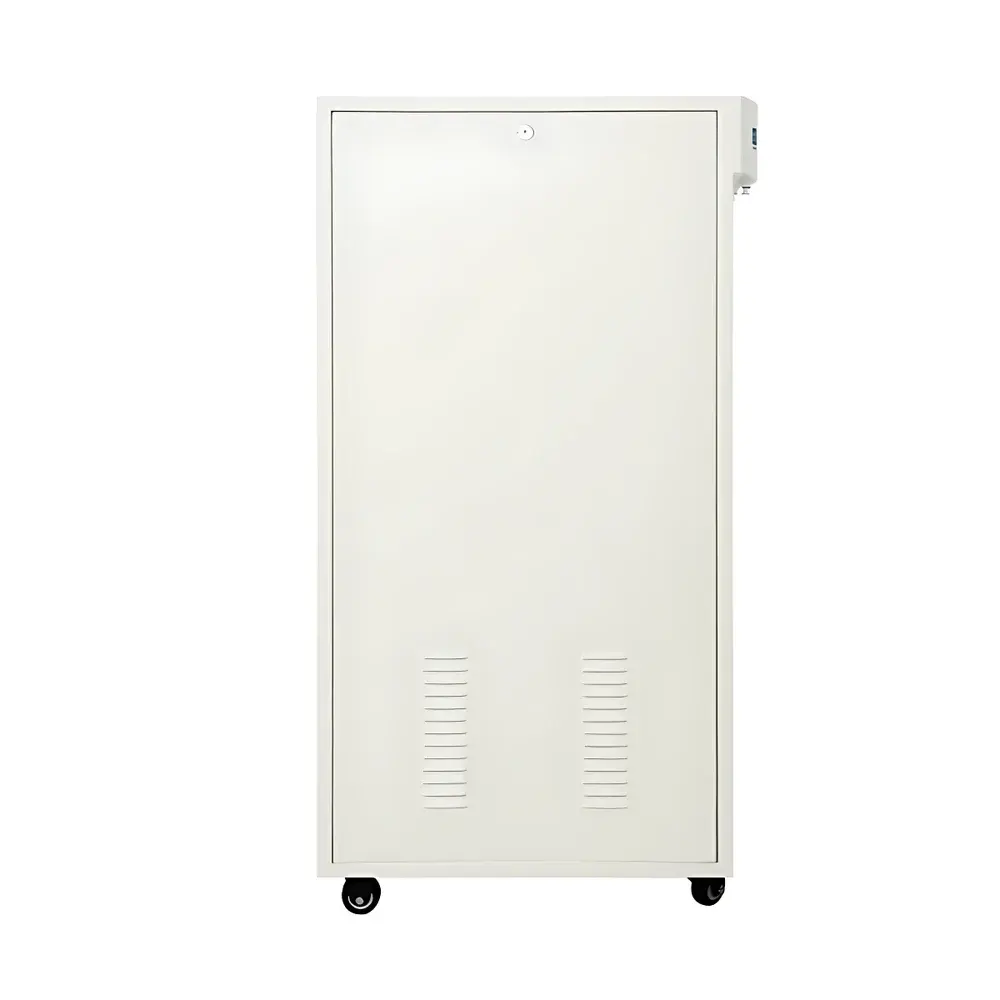
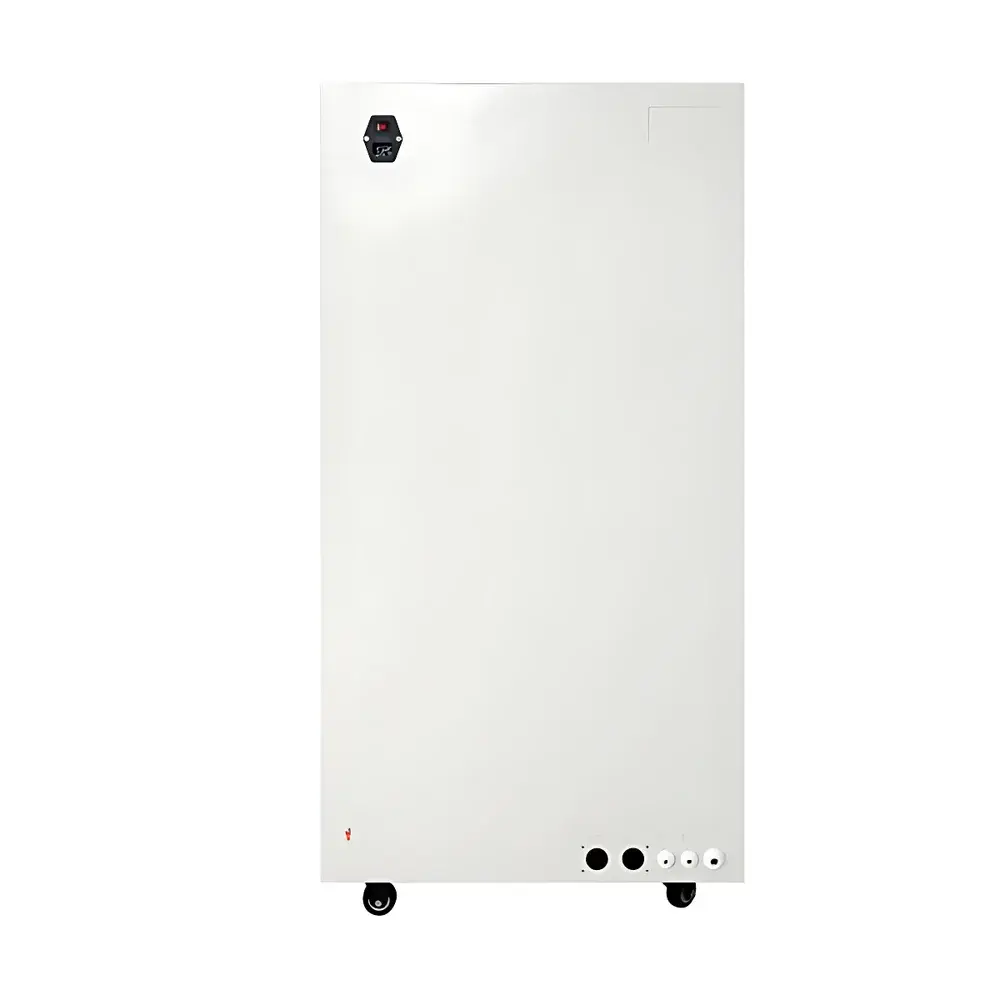
ULUPURE UPTL Economy Floor-Standing Ultra-Pure Water System
| Brand | ULUPURE |
|---|---|
| Origin | Sichuan, China |
| Manufacturer Type | Direct Manufacturer |
| Product Category | Domestic |
| Model | UPTL |
| Pricing | Upon Request |
| Purified Water Grade | ASTM Type II (RO Water) |
| Resistivity | 17–18.2 MΩ·cm @ 25 °C |
| Heavy Metals & Soluble Silica | < 0.1 ppb |
| Particles (> 0.1 µm) | ≤ 1 particle/mL |
| UV Wavelength | 254 nm (Low-pressure mercury lamp) |
| Feed Water Requirements | TDS ≤ 200 ppm (UPTL-I), 1000 ppm (UPTL-II) |
| Pressure | 0.30–0.40 MPa |
| Temp | 5–45 °C |
| RO Output Conductivity | ≤ 2% of feed conductivity or 1–5 µS/cm |
| UP Output Microbial Count | ≤ 1 CFU/mL |
| Dimensions (UPTL-I) | 530 W × 575 D × 1070 H mm |
| Weight (20–40 L config) | ~38 kg |
| Power Supply | AC 220 V, 50 Hz (75–350 W) |
Overview
The ULUPURE UPTL Economy Floor-Standing Ultra-Pure Water System is an engineered solution for laboratories requiring consistent, high-fidelity Type II (RO) and Type I (ultra-pure) water in compliance with ISO 3696:1987, ASTM D1193-20, and GB/T 6682–2008 standards. Designed for reliability and operational efficiency, the UPTL integrates multi-stage pretreatment—including activated carbon filtration, dual-stage polypropylene sediment removal, and optional softening—followed by single- or dual-stage reverse osmosis (RO), electrodeionization (EDI) or mixed-bed deionization (MBDI), and final polishing via 254 nm UV irradiation and 0.1 µm terminal filtration. Its floor-standing architecture accommodates integrated pressurized storage tanks (40–100 L PE or stainless steel options), enabling stable delivery at 1.5–1.8 L/min under full-tank conditions. The system operates fully automatically, with real-time resistivity and conductivity monitoring, programmable auto-flush cycles, and intelligent alarm logging—all critical for GLP-compliant environments where trace-level contamination must be excluded from analytical workflows.
Key Features
- Multi-stage pretreatment optimized for municipal feed water per GB 5749–2022, minimizing membrane fouling and extending consumable service life
- Real-time online resistivity monitoring (17–18.2 MΩ·cm @ 25 °C) and conductivity measurement (1–5 µS/cm for RO output), calibrated to NIST-traceable standards
- Integrated 254 nm low-pressure UV lamp (cold cathode design) delivering ≥ 40,000 µW·s/cm² fluence to suppress microbial regrowth in distribution loops
- Automated daily and post-idle recirculation flush protocols to maintain biofilm control in internal tubing and tank interfaces
- Modular consumable architecture—pre-filter cartridges, RO membranes, and mixed-bed resin packs—designed for tool-free replacement and documented maintenance tracking
- Energy-efficient operation with variable-power RO pumps (75–350 W), compliant with IEC 61000-3-2 harmonic emission limits
Sample Compatibility & Compliance
The UPTL delivers water suitable for a broad spectrum of analytical and preparative applications requiring strict elemental, organic, and microbiological purity. Its UP-grade output meets specifications for trace-metal analysis (e.g., ICP-MS, AAS, AES), high-resolution chromatography (HPLC, IC, GC-MS mobile phase preparation), and molecular biology applications (PCR reagent formulation, electrophoresis buffer dilution). All wetted materials—including PVDF housings, EPDM gaskets, and 316L stainless steel fittings—are certified extractables-free per USP and ISO 10993-1. System validation documentation supports IQ/OQ protocols aligned with ISO/IEC 17025 and FDA 21 CFR Part 11 data integrity requirements when paired with optional audit-trail-enabled software modules.
Software & Data Management
While the base UPTL model features an intuitive LED-based HMI with dual-channel digital display (resistivity + conductivity), optional firmware upgrades enable Ethernet or RS485 connectivity for integration into centralized laboratory information management systems (LIMS). Logged parameters—including runtime hours, total volume dispensed, alarm history, and sensor calibration timestamps—are exportable as CSV files compliant with ALCOA+ principles (Attributable, Legible, Contemporaneous, Original, Accurate, Complete, Consistent, Enduring, Available). Optional cloud-based remote monitoring allows facility managers to track consumable depletion trends, predict maintenance windows, and generate monthly water quality summary reports aligned with internal QA review cycles.
Applications
- Preparation of mobile phases and standards for HPLC, UHPLC, and ion chromatography
- Blank matrix generation and calibration diluent preparation for ICP-OES and ICP-MS
- Buffer and reagent formulation for ELISA, Western blotting, and cell culture media supplementation
- Routine glassware rinsing and instrument feed water for atomic absorption spectrometry (AAS)
- Calibration and verification of conductivity/resistivity meters per ASTM D1125
- Supporting ISO/IEC 17025-accredited testing laboratories requiring documented water quality traceability
FAQ
What feed water quality is required for optimal UPTL performance?
The UPTL-I variant requires feed TDS ≤ 200 ppm; UPTL-II tolerates up to 1000 ppm. For TDS > 200 ppm, integration of an automatic softener is strongly recommended to prevent premature scaling of RO membranes.
How does ambient temperature affect RO output capacity?
RO membrane flux declines ~3% per 1 °C drop below 25 °C. Below 5 °C, production ceases. Users in regions with winter water temperatures < 10 °C should consider insulated feed lines or thermostatically controlled pre-heating modules.
Is the UV lamp replaceable, and what is its service life?
Yes—the 254 nm cold-cathode UV lamp is user-replaceable with a rated lifetime of 9,000 hours. Intensity decay is monitored via integrated photodiode feedback, triggering maintenance alerts at 80% nominal output.
Can the UPTL be validated for GMP-regulated environments?
Yes—full IQ/OQ documentation packages are available, including installation schematics, sensor calibration certificates (NIST-traceable), and performance qualification test scripts aligned with EU Annex 15 and PIC/S PI 007-06 guidelines.
What certifications apply to the UPTL’s electrical and mechanical safety?
The system complies with IEC 61010-1 (Safety Requirements for Electrical Equipment for Measurement, Control, and Laboratory Use) and carries CE marking under the Low Voltage Directive 2014/35/EU and EMC Directive 2014/30/EU.



