
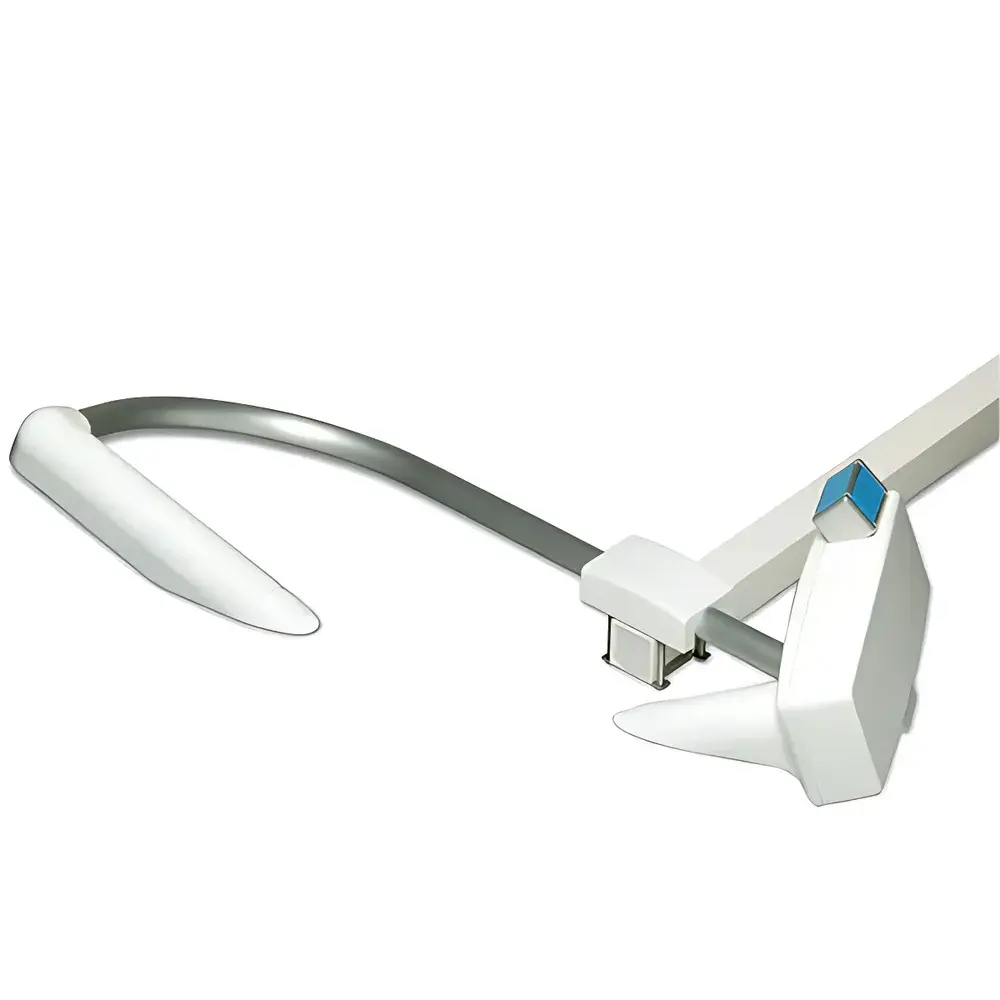
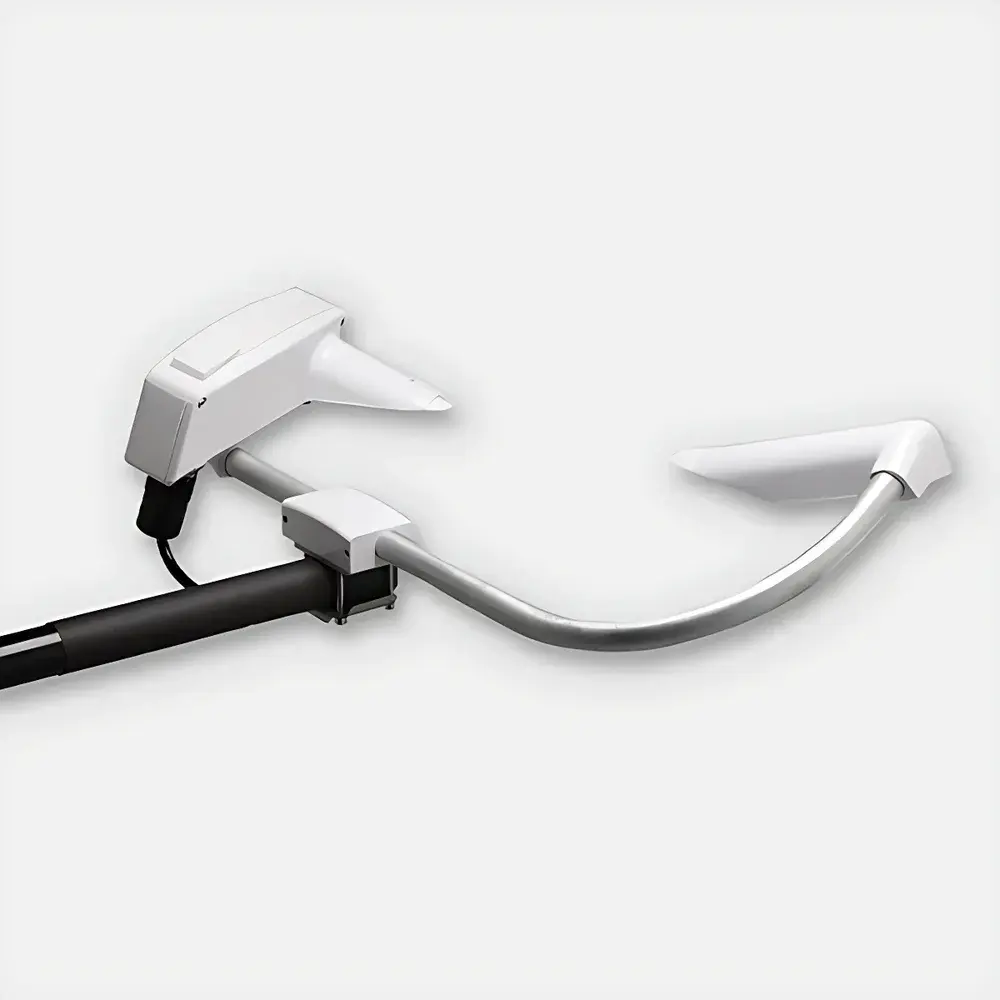
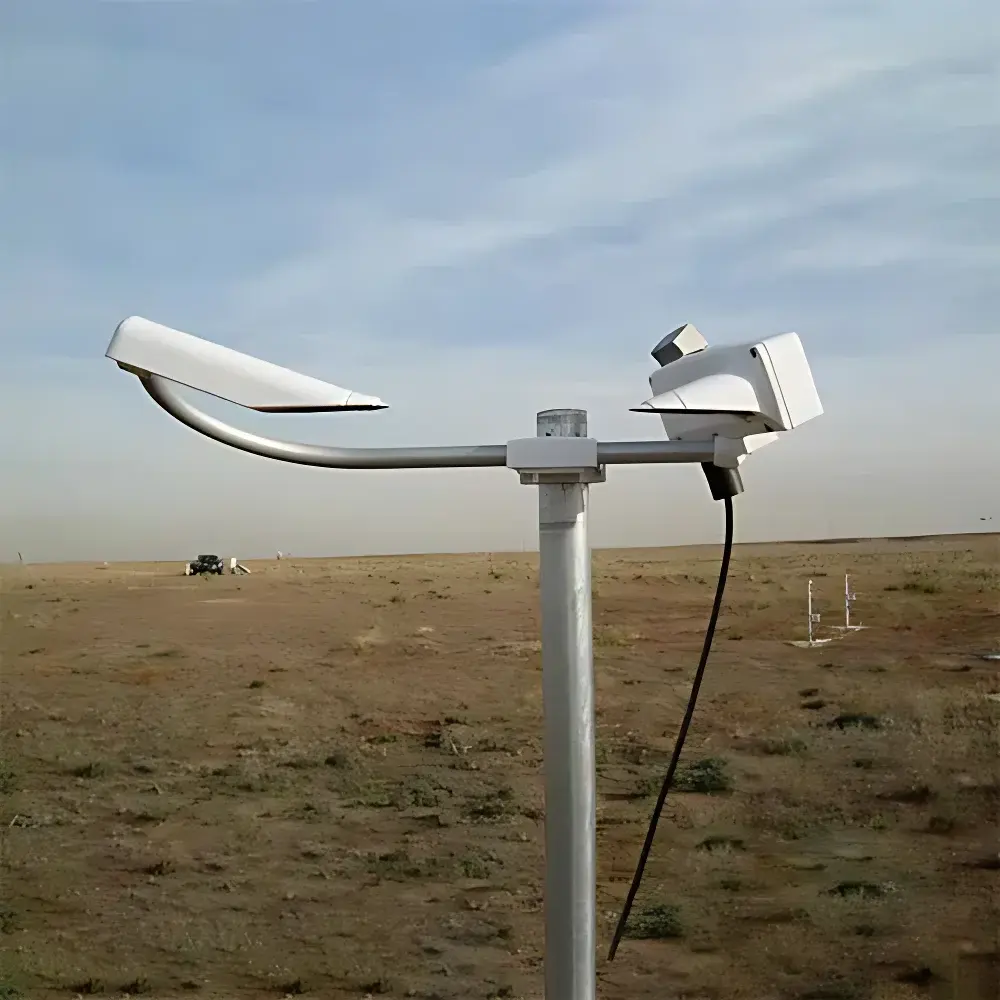
Vaisala PWD10 Present Weather and Visibility Sensor
| Brand | Vaisala |
|---|---|
| Origin | Finland |
| Model | PWD10 |
| Measurement Principle | Forward Scattering |
| Visibility Range (MOR) | 10–2000 m |
| Accuracy | ±10% |
| Operating Temperature | −40 °C to +60 °C |
| Enclosure Rating | IP66 |
| Power Supply | 12–50 VDC (electronics) |
| Power Consumption | 3 W (standard), 65 W (with heater) |
| Output Interface | RS-232 / RS-485 |
| Dimensions | 40.4 × 69.5 × 19.9 cm |
| Weight | 3 kg |
| EMC Compliance | CISPR 16-1/-2, IEC 61000-4-2/-3/-4/-5/-6 |
| Optional Accessories | PWL11 Luminance Sensor, PWA11 Calibration Kit, Heater Hood for Ice/Snow Mitigation, Mounting Brackets |
Overview
The Vaisala PWD10 is a compact, field-proven present weather and visibility sensor engineered for continuous, unattended operation in demanding outdoor environments. It measures Meteorological Optical Range (MOR) using calibrated forward scattering technology—a physically robust and internationally standardized method defined in WMO Guide to Instruments and Methods of Observation (CIMO Guide, Chapter 12). Unlike transmissometers requiring precise alignment over long baselines, the PWD10’s single-unit design integrates an infrared light source and detector at a fixed 35° forward-scatter angle, enabling stable MOR estimation across fog, haze, dust, rain, and snow. Its optical path is oriented downward to minimize contamination from wind-driven particulates and precipitation splash, while the integrated hydrophobic lens hood further reduces surface wetting and soiling. The sensor complies with ICAO Annex 3 and WMO No. 8 requirements for automated weather observing systems (AWOS) and road weather information systems (RWIS), delivering real-time visibility data in standardized WMO SYNOP and NWS METAR formats.
Key Features
- Forward-scatter-based MOR measurement validated against reference transmissometers per ISO 9060:2017 classification for Class L (low-cost) optical sensors
- Integrated downward-facing optics and protective hood engineered to reduce maintenance frequency in high-dust or high-precipitation zones
- Optional heater hood (24 VAC/DC) prevents ice accumulation and snow bridging on the optical window—critical for reliable operation in sub-zero climates
- Compact footprint (40.4 × 69.5 × 19.9 cm) and low mass (3 kg) simplify mounting on roadside gantries, meteorological masts, or AWOS towers
- Wide operating temperature range (−40 °C to +60 °C) with full functionality across industrial-grade thermal cycling profiles
- IP66-rated enclosure ensures protection against high-pressure water jets and total dust ingress—validated per IEC 60529
- Low power consumption (3 W nominal) supports solar-battery deployments in remote infrastructure applications
Sample Compatibility & Compliance
The PWD10 is designed for ambient atmospheric sampling under natural environmental conditions—no sample conditioning, aspiration, or consumables required. It operates continuously across all hydrometeor phases (liquid, frozen, mixed-phase) without recalibration or manual intervention. Regulatory compliance includes CE marking per EU Directive 2014/30/EU (EMC) and 2014/35/EU (LVD), with full test reports available for radiated/conducted emissions (CISPR 16-1/-2), radiated/conducted immunity (IEC 61000-4-3/-6), ESD (IEC 61000-4-2), EFT (IEC 61000-4-4), surge (IEC 61000-4-5), and RF field immunity up to 10 V/m. For road safety applications, it meets EN 12830:2018 requirements for RWIS sensors, and its output protocol supports integration into systems certified to EN 13237 (road traffic control equipment) and ISO/IEC 17025-accredited calibration workflows via optional PWA11 calibration kit.
Software & Data Management
The PWD10 communicates via ASCII-based serial protocols over RS-232 or RS-485 interfaces, supporting Modbus RTU and proprietary Vaisala WXT-style command sets. Raw scatter intensity, MOR, present weather codes (WMO 4677), precipitation type (rain/snow/drizzle/fog), and accumulated intensity are transmitted in configurable message intervals (1–300 s). When deployed in networked infrastructure, the sensor feeds data into central platforms such as Vaisala’s viewLinc™ or third-party SCADA/MES systems compliant with IEC 62443-3-3. Audit-trail-capable firmware versions support GLP/GMP-aligned deployment where traceability of configuration changes and operational logs is required. Firmware updates are performed via serial interface using signed binary packages, ensuring integrity verification prior to installation.
Applications
- Road weather monitoring networks (RWIS) for dynamic variable message signs (VMS) triggering visibility-based speed advisories or lane closure alerts
- Aviation ground systems—including non-instrumented airports and helipads—where Category I visibility reporting suffices per ICAO Annex 3
- Environmental monitoring stations tracking long-term aerosol loading trends in urban, coastal, or industrial zones
- Railway signaling systems integrating real-time MOR to adjust train headway and braking distance algorithms
- Wind farm siting studies assessing fog-induced turbine curtailment potential
- Research-grade boundary-layer meteorology campaigns requiring ruggedized, low-maintenance visibility endpoints
FAQ
What is the recommended calibration interval for the PWD10?
Vaisala recommends annual field verification using the PWA11 calibration kit or laboratory recalibration per ISO/IEC 17025 accredited procedures. Drift monitoring via internal diagnostics and comparison with co-located reference instruments is advised for critical safety applications.
Can the PWD10 distinguish between fog and heavy mist?
Yes—the sensor applies multi-parameter pattern recognition (scatter signal temporal dynamics, humidity correlation, and temperature gradient analysis) to classify hydrometeor type and assign appropriate WMO present weather codes (e.g., 10–12 for fog, 16–18 for drizzle), supporting differentiation down to ~50 m MOR.
Is the heater option mandatory for winter operation?
Not mandatory—but strongly recommended in regions experiencing freezing rain, rime ice, or persistent snowfall; unheated units may report erroneous low-MOR values due to optical obscuration from accumulated ice crystals.
Does the PWD10 require periodic cleaning of the optical window?
Routine cleaning is minimized by the downward orientation and hydrophobic hood; however, biannual visual inspection and gentle lint-free wipe with isopropyl alcohol are advised in high-pollution or coastal salt-spray environments.
How does the PWD10 handle intense rainfall during visibility measurement?
The sensor employs adaptive signal processing to suppress transient scatter spikes caused by large raindrops, maintaining MOR stability within ±10% accuracy even at intensities up to 100 mm/h—verified per ITU-R P.837-7 rainfall attenuation models.







