
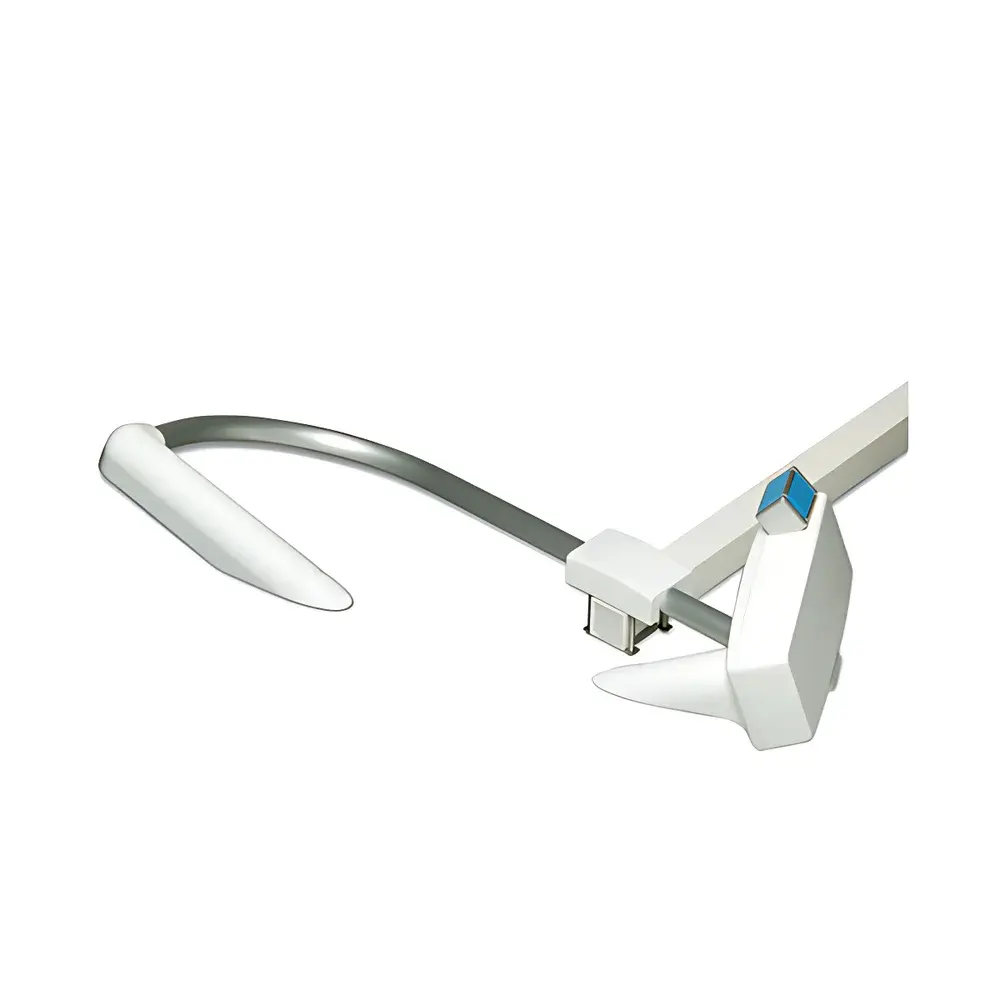
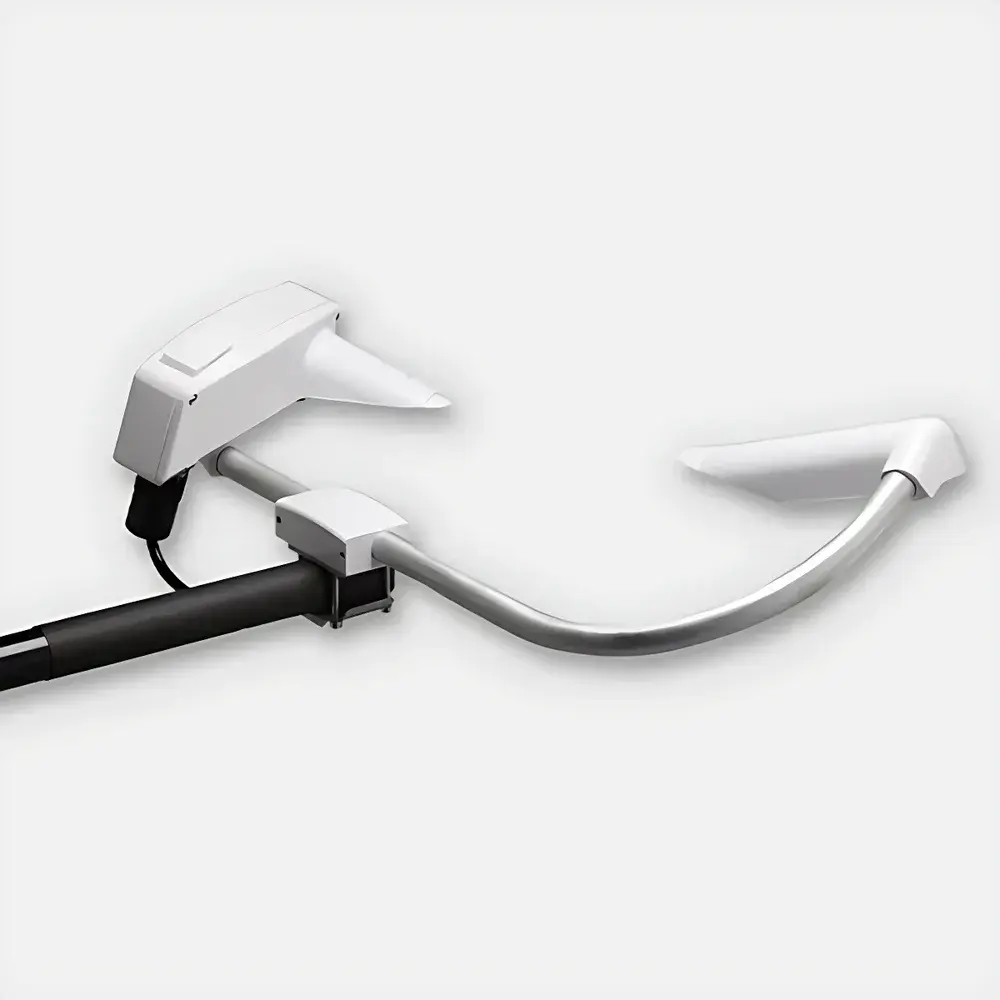
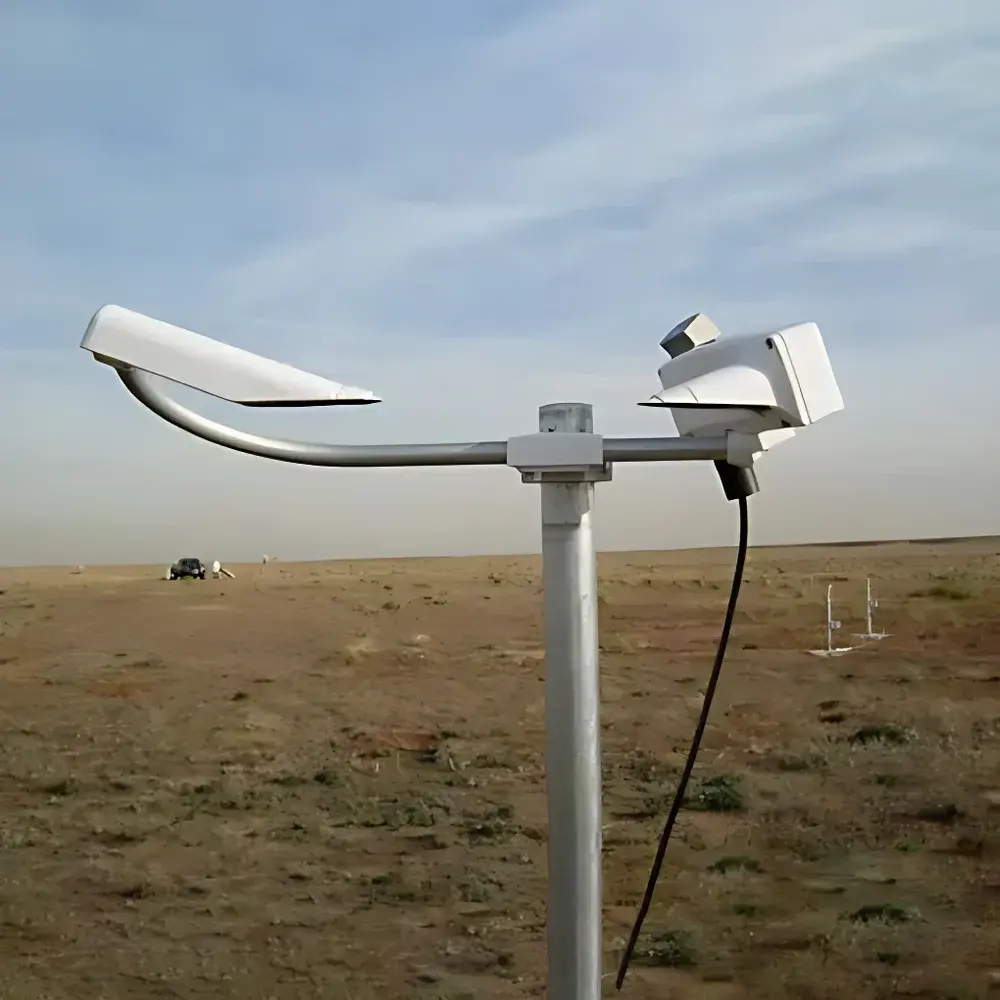
Vaisala PWD12 Weather Phenomena and Visibility Sensor
| Brand | Vaisala |
|---|---|
| Origin | Finland |
| Model | PWD12 |
| Visibility Range | 10–2000 m (MOR) |
| Measurement Principle | Forward Scatter |
| Precipitation Detection Sensitivity | ≤0.05 mm/h (within 10 min) |
| Operating Temperature | −40 to +60 °C |
| IP Rating | IP66 |
| Power Supply | 12–50 VDC (electronics), 24 VAC/VDC (heater option) |
| Power Consumption | 2 W (standard), 65 W (with heater) |
| Output Interface | RS-232 / RS-485 |
| Dimensions | 40.4 × 69.5 × 19.9 cm |
| Weight | 3 kg |
| Compliance | CISPR 16-1/-2, IEC 61000-4-2/-3/-4/-5/-6, WMO No. 4680 (SYNOP), NWS coding tables |
Overview
The Vaisala PWD12 Weather Phenomena and Visibility Sensor is an integrated, field-proven instrument engineered for continuous, autonomous monitoring of meteorological optical range (MOR) and real-time weather phenomenon classification in demanding outdoor environments. Based on calibrated forward scatter measurement technology, the PWD12 determines MOR by analyzing the angular distribution of light scattered by atmospheric particles—such as fog droplets, haze aerosols, dust, or precipitation—within a defined 35° forward cone. This principle enables high temporal resolution and robust performance across diverse visibility conditions—from clear air (>2000 m) to dense fog (<10 m). Unlike transmissometers requiring long baselines, the PWD12’s compact optical path delivers stable calibration traceability to reference transmissometers, ensuring long-term accuracy without frequent recalibration. Its dual-sensor architecture combines optical scattering data with simultaneous temperature and capacitive precipitation measurements (via Vaisala RAINCAP® technology), forming the basis for deterministic weather type identification per WMO and NWS standards.
Key Features
- Simultaneous MOR measurement (10–2000 m) and automated weather phenomenon classification—including rain, drizzle, snow, mixed-phase precipitation, fog, mist, haze (smoke/dust), and clear sky
- Capacitive precipitation sensing with detection threshold ≤0.05 mm/h within 10 minutes, enabling early onset detection of light precipitation events
- Optical path oriented downward with protective hood to minimize contamination from rain splash, dust deposition, and ice accumulation
- Optional heated hood (24 VAC/VDC) for reliable operation in sub-zero and high-humidity winter conditions, preventing snow/ice bridging over the optical aperture
- Compact, lightweight design (3 kg) with IP66-rated enclosure, optimized for roadside mast mounting, airport AWOS integration, and remote telemetry sites
- Low-power electronics (2 W typical) supporting solar-battery deployments; heater draws 65 W only during active anti-icing cycles
Sample Compatibility & Compliance
The PWD12 is designed for unattended, continuous operation in ambient outdoor air—requiring no sample aspiration, filtration, or conditioning. It measures native atmospheric conditions directly, making it compatible with all naturally occurring hydrometeors and aerosol types encountered in road, aviation, and environmental monitoring applications. The sensor complies with international observational standards: its MOR output adheres to WMO Guide to Meteorological Instruments and Observing Methods (CIMO Guide) definitions and is encoded per WMO No. 4680 (SYNOP) and NWS Table A. Precipitation classification and intensity reporting conform to WMO Code Table 4677 and NWS Hydrologic Services Manual criteria. Electromagnetic compatibility has been verified per IEC 61000-4 series (ESD, EFT, surge, radiated/conducted immunity) and CISPR 16-1/-2 for emissions. The device supports GLP-aligned audit trails when integrated with compliant data loggers and meets requirements for use in safety-critical transport infrastructure under EN 12830 and FAA AC 150/5220-22B.
Software & Data Management
The PWD12 outputs ASCII-formatted serial data via RS-232 or RS-485 interfaces, supporting both polled and autonomous reporting modes. Standard firmware provides full WMO SYNOP message generation (including group 1–4 codes), NWS METAR/SPECI-compatible weather type strings, and raw diagnostic parameters (e.g., scatter signal amplitude, temperature, heater status, lens contamination index). Integration with third-party SCADA, CMS, or road weather information systems (RWIS) is facilitated through Modbus RTU or custom ASCII parsing libraries. Vaisala’s proprietary ViewPoint software enables local configuration, firmware updates, and real-time diagnostics—including scatter signal health trending and precipitation event logging with timestamps. All operational logs—including heater activation cycles, error flags, and calibration verification events—are timestamped and exportable for regulatory review. When deployed in FDA 21 CFR Part 11 or EU Annex 11 environments (e.g., airport surface observation networks), the PWD12 can be configured with external audit-trail-capable data acquisition units to satisfy electronic record integrity requirements.
Applications
- Road weather information systems (RWIS): Enables dynamic speed advisories, fog zone warnings, and winter maintenance dispatch based on real-time MOR trends and precipitation phase transitions
- Airport meteorological observing systems (AWOS/ASOS): Supports Category I–III approach minimums by delivering certified MOR and weather type reports to ATC and flight operations centers
- National meteorological services: Serves as a primary or supplementary station in synoptic networks, feeding validated observations into numerical weather prediction (NWP) assimilation pipelines
- Environmental monitoring networks: Tracks long-term trends in regional haze, dust transport, and fog frequency for climate and air quality studies
- Research-grade field campaigns: Provides synchronized, multi-parameter time-series data for process studies of aerosol–cloud interactions and boundary layer dynamics
FAQ
How does the PWD12 distinguish between fog and haze?
The PWD12 uses a composite algorithm that correlates forward scatter signal magnitude, spectral response characteristics, and ambient temperature to differentiate liquid-dominated fog (typically <5 µm droplets, high scatter at low temperatures) from dry aerosol haze (submicron particles, lower scatter-to-temperature ratio).
Is the PWD12 suitable for coastal marine environments?
Yes—the IP66 housing, corrosion-resistant stainless-steel fasteners, and downward-facing optics mitigate salt spray ingress and chloride-induced degradation. Optional conformal coating on PCBs is available upon request.
Can the PWD12 report visibility below 10 meters?
No—the specified MOR range is 10–2000 m. For ultra-low visibility (<10 m), Vaisala recommends the PWD22 or a paired transmissometer (e.g., CT12K) for redundancy and extended range.
What maintenance intervals are recommended for unheated installations?
Under typical temperate conditions, biannual visual inspection and lens cleaning using isopropyl alcohol and lint-free wipes are sufficient. In high-dust or industrial areas, quarterly checks are advised.
Does the PWD12 support NMEA 0183 or SDI-12 protocols?
No—it natively supports only RS-232/RS-485 ASCII and Modbus RTU. Protocol conversion requires an external gateway or middleware layer.
Related Products







