
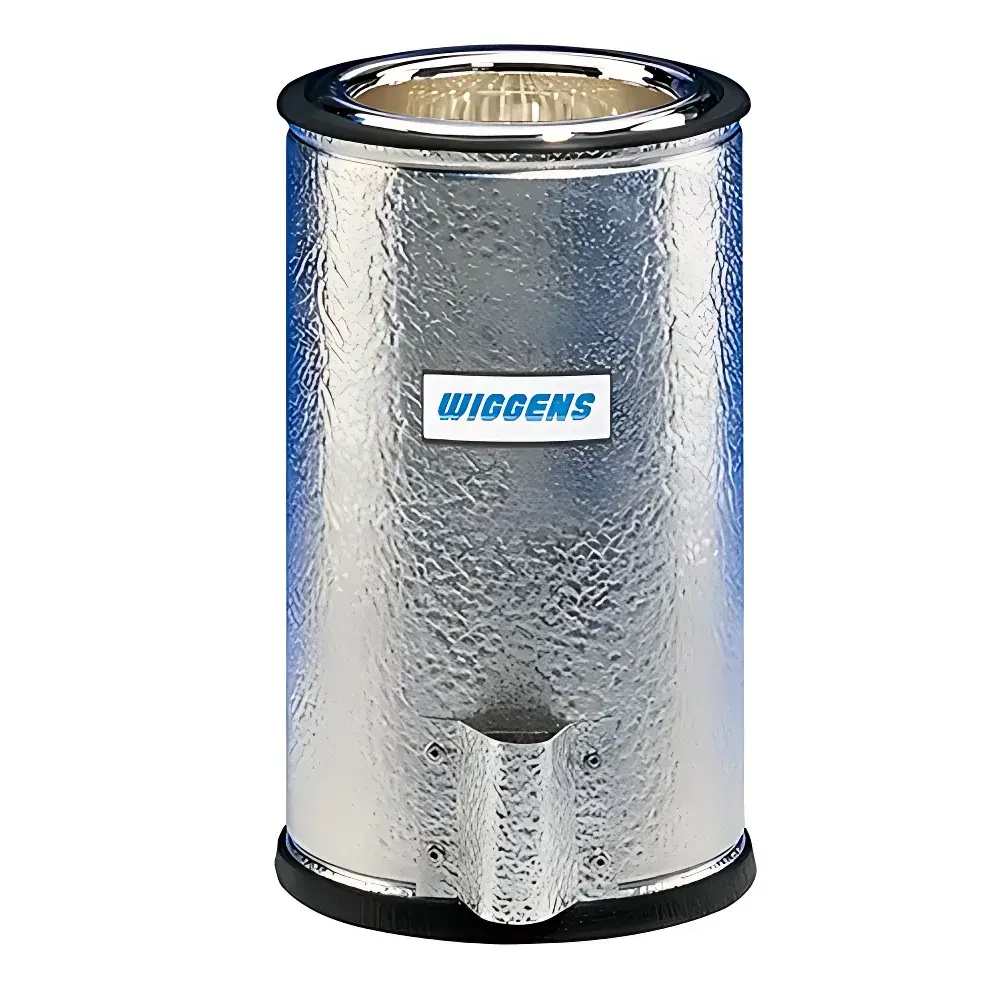
WIGGENS FB CAL Series Flat-Bottom Dewar Flasks
| Brand | WIGGENS |
|---|---|
| Origin | Germany |
| Manufacturer Type | Authorized Distributor |
| Origin Category | Imported |
| Model | FB CAL Series |
| Price Range | USD 700 – 1,400 |
Overview
The WIGGENS FB CAL Series Flat-Bottom Dewar Flasks are precision-engineered cryogenic storage vessels designed for stable, low-evaporation handling of liquid nitrogen (LN₂), dry ice slurries, and other ultra-low-temperature media in life science laboratories. Unlike conventional round-bottom or tapered Dewars, the FB CAL series features a fully planar base—engineered to ensure uniform thermal contact and mechanical stability when placed directly on magnetic stirrer hotplates or chilled work surfaces. This geometry enables simultaneous cryogenic storage and controlled sample agitation without risk of tipping or thermal bridging. Constructed from high-purity aluminum alloy with vacuum-insulated double-wall architecture, each unit delivers consistent thermal performance across extended holding durations, supporting reproducible cryopreservation workflows, cell banking, and低温-sensitive reagent stabilization.
Key Features
- Flat-bottom design optimized for compatibility with standard laboratory magnetic stirrers and temperature-controlled platforms
- Vacuum-insulated double-walled aluminum construction—corrosion-resistant, non-magnetic, and lightweight for ergonomic handling
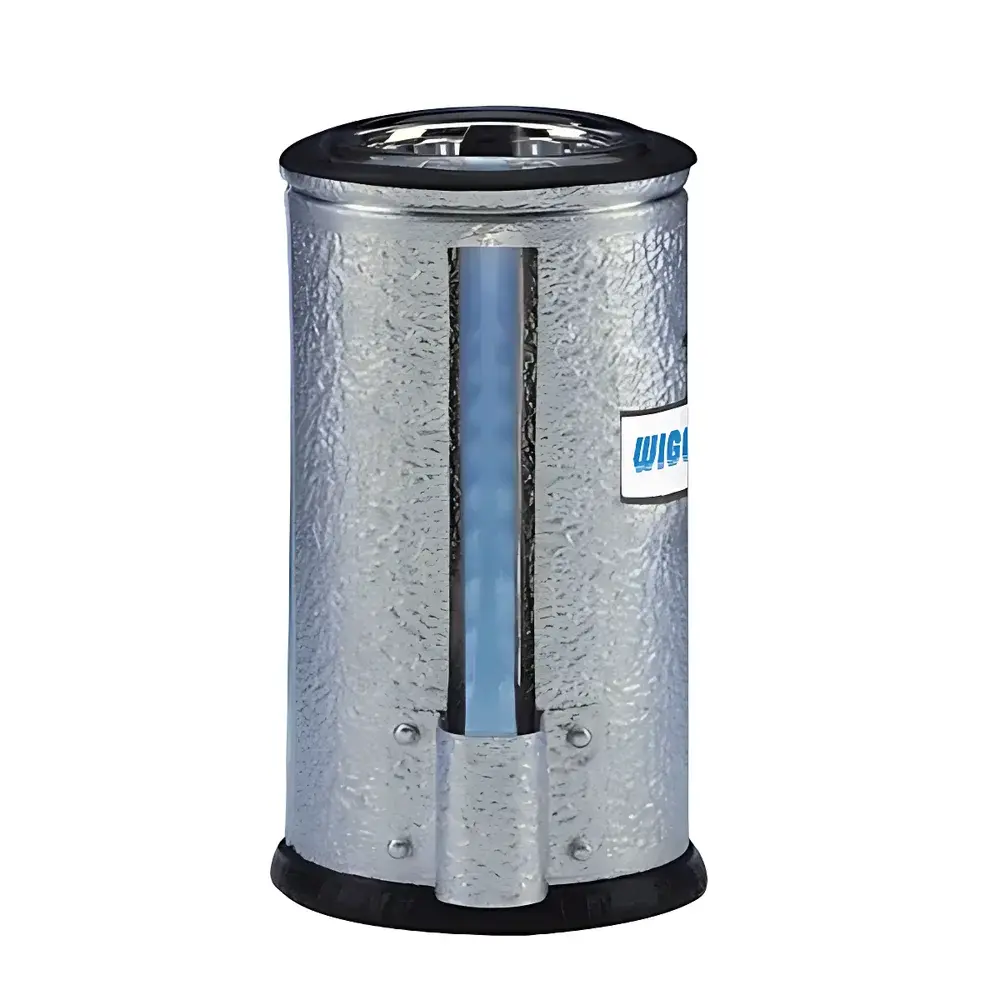
- Optional transparent polycarbonate observation window on select models (e.g., FB3CAL–FB18CAL) for real-time level monitoring without opening
- Multi-hole insulating lid (standard accessory, order code 1651–1657) minimizes LN₂ boil-off while permitting gas venting and probe insertion
- Graduated volume markings etched directly onto inner wall for accurate fill-level assessment under cryogenic conditions
- Integrated handle and anti-slip base contour for secure transport and benchtop placement
Sample Compatibility & Compliance
The FB CAL series accommodates a wide range of biological and chemical samples requiring sub-zero storage, including cryovials (0.5–2.0 mL), microcentrifuge tubes, small tissue cassettes, and sealed ampoules. All units comply with ISO 23530:2021 (Cryogenic Vessels — Vacuum-Insulated Transport and Storage Dewars) for structural integrity, thermal performance, and pressure-relief safety margins. The aluminum housing meets EN 13445-3 requirements for non-ferrous metallic pressure equipment. When used with certified LN₂-compatible lids and operated within ambient temperature ranges of −10 °C to +35 °C, these Dewars support GLP-compliant sample archiving protocols and align with ICH M7 and USP recommendations for low-temperature stability testing environments.
Software & Data Management
While the FB CAL series is a passive cryogenic vessel without embedded electronics, its standardized dimensions and accessory interface enable seamless integration into automated cold-chain workflows. Each model’s unique order code (e.g., 1151–1157) maps directly to LIMS-compatible inventory databases. Optional RFID-tagged lids (available upon request) facilitate traceability in GMP-regulated biobanking applications. Evaporation rate data (0.25–0.90 L/day, per model) is validated per ASTM F2163-22 Annex A1 and supports predictive LN₂ consumption modeling in laboratory resource planning software (e.g., LabVantage, Quartzy, or custom ERP modules).
Applications
- Cryopreservation of primary cells, stem cell lines, and hybridomas in academic and clinical research labs
- Short-term storage of LN₂-cooled NMR sample probes and superconducting magnet dewars
- Controlled-rate freezing support for IVF and reproductive biology workflows
- Transport and staging of temperature-sensitive diagnostics (e.g., mRNA vaccines, CRISPR reagents)
- Calibration reference vessels for cryo-thermocouple validation per ISO/IEC 17025 accredited procedures
- Backup cold storage during mechanical freezer maintenance or power outages
FAQ
Can the FB CAL Dewar be used on a heated magnetic stirrer?
Yes—the flat bottom ensures full surface contact and thermal stability; however, only use at ambient or sub-ambient plate temperatures. Do not operate above 40 °C to preserve vacuum integrity.
Is the aluminum body compatible with acidic or saline aerosols commonly present in cell culture labs?
Yes—aluminum 6061-T6 housing is anodized per MIL-A-8625 Type II, providing resistance to chloride-induced pitting and mild organic solvent exposure.
Are replacement lids available separately, and do they maintain the same evaporation rate?
Yes—order codes 1651–1657 correspond precisely to each FB CAL model. All lids feature identical multi-pore phenolic foam insulation and deliver certified evaporation rates as listed in technical specifications.
Does WIGGENS provide calibration certificates or test reports for individual units?
Upon request and for orders ≥5 units, WIGGENS issues ISO/IEC 17025-accredited evaporation rate verification reports traceable to PTB (Physikalisch-Technische Bundesanstalt) standards.
Can the observation window withstand repeated thermal cycling between room temperature and −196 °C?
Yes—the polycarbonate viewport is bonded using cryo-rated silicone adhesive (Dow Corning® RTV 3140) and qualified for ≥500 thermal cycles per IEC 60068-2-14.




