
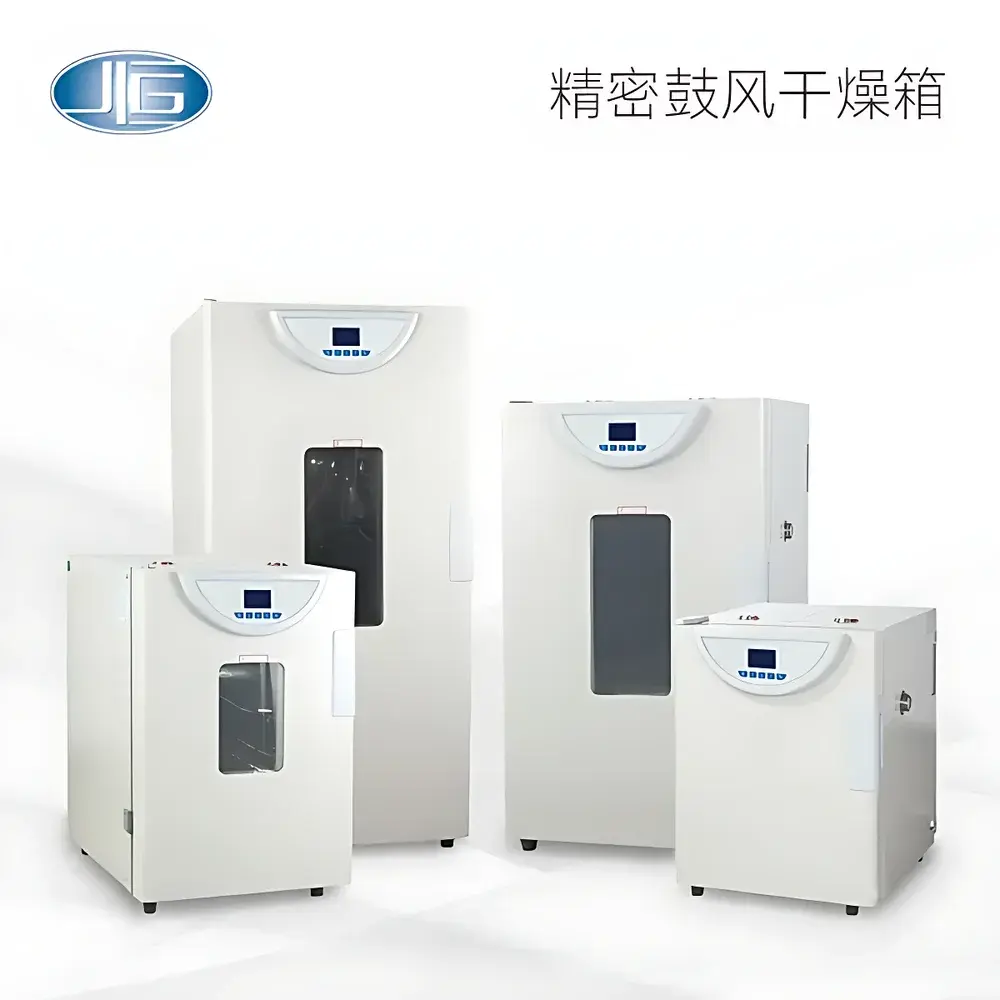
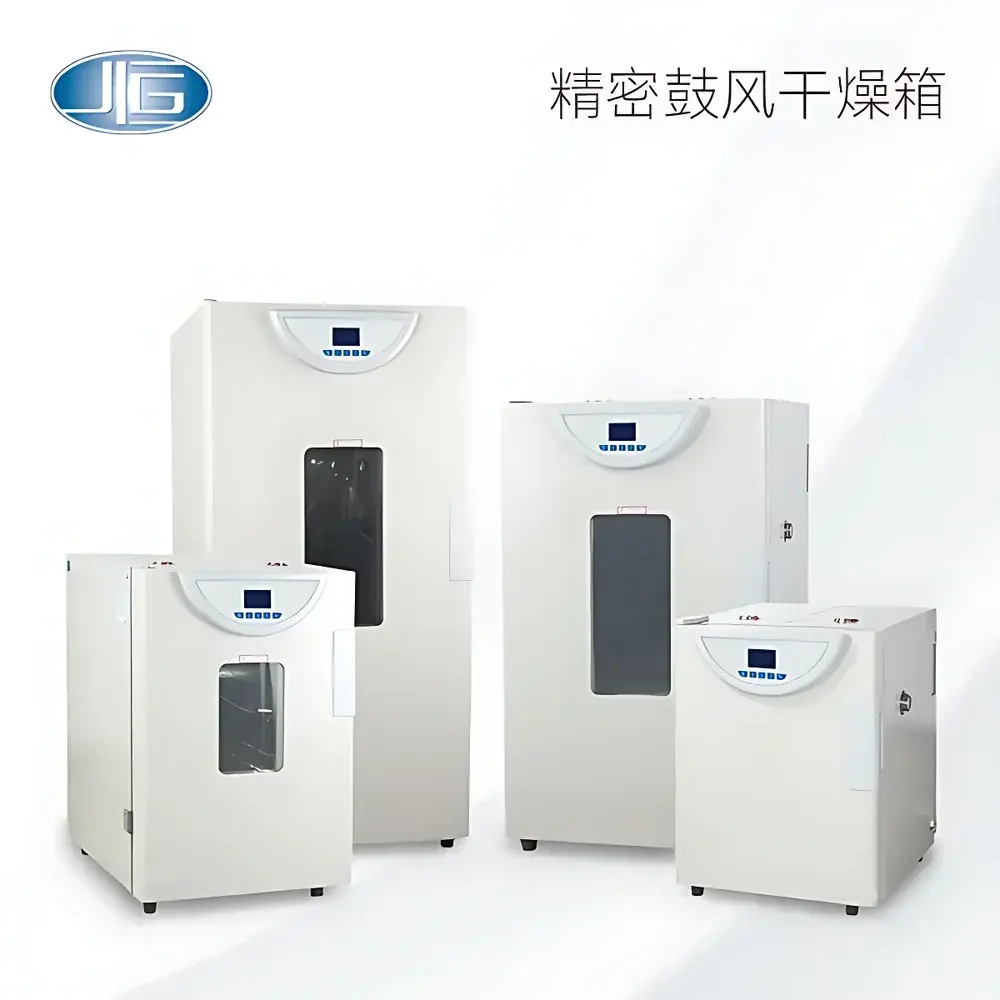
YiHeng BPG-9070A Precision Forced-Air Drying Oven
| Brand | YiHeng |
|---|---|
| Origin | Shanghai, China |
| Manufacturer Type | Direct Manufacturer |
| Product Category | Domestic (PRC-Made) |
| Model | BPG-9070A |
| Instrument Type | Precision Drying Oven |
| Temperature Range | RT+10°C to 200°C / RT+10°C to 250°C |
| Temperature Fluctuation | ±1.0°C |
| External Dimensions (W×D×H) | 550 × 660 × 750 mm |
| Internal Chamber Dimensions (W×D×H) | 400 × 320 × 550 mm |
| Temperature Resolution | 0.1°C |
| Ambient Operating Temperature | As specified in technical documentation |
| Interior Material | Mirror-Finish Stainless Steel (SUS304) |
| Heating Method | Forced Convection (Hot Air Circulation) |
| Temperature Uniformity | ±2.5% at 100°C (measured per ISO 15502 Annex B) |
Overview
The YiHeng BPG-9070A Precision Forced-Air Drying Oven is an engineered solution for controlled thermal processing in research laboratories, quality control environments, and industrial R&D settings. Designed around a robust forced-convection architecture, it delivers stable, repeatable heating performance across its operational range of RT+10°C to 250°C. The oven employs a high-efficiency axial fan with adjustable speed control to ensure uniform air distribution within the chamber—critical for applications requiring consistent moisture removal, thermal stabilization, or pre-conditioning of samples prior to analysis. Its mirror-finish stainless steel interior (SUS304) resists corrosion, facilitates cleaning, and minimizes particulate shedding—making it suitable for ISO Class 7 cleanroom-adjacent workflows and GLP-compliant sample preparation protocols.
Key Features
- Microprocessor-based PID temperature controller with 0.1°C resolution and real-time digital display showing setpoint, actual temperature, elapsed time, and program status simultaneously.
- Programmable multi-segment controller supporting up to 7 programs, each containing up to 9 steps (63 total steps), with individual step duration configurable from 0 to 5999 minutes.
- Integrated diagnostic system that displays fault codes on the LCD screen—including heater failure, sensor disconnection, or overtemperature conditions—enabling rapid troubleshooting without external instrumentation.
- Dedicated 25 mm diameter access port on the left side wall, sealed with silicone gasket, allowing flexible routing of thermocouples, power cables, or data lines while maintaining chamber integrity.
- Independent overtemperature protection circuit with audible and visual alarm, compliant with IEC 61000-6-2/6-4 immunity requirements and designed to interrupt heating if chamber temperature exceeds user-defined safety limits.
- Adjustable shelf supports and smooth-radius internal corners facilitate complete chamber decontamination and reduce residue accumulation—aligned with ASTM E2500-13 guidance for equipment qualification in regulated environments.
Sample Compatibility & Compliance
The BPG-9070A accommodates a broad spectrum of non-volatile, thermally stable materials including polymer films, ceramic powders, pharmaceutical excipients, filter media, metal oxide precursors, and inert calibration standards. Its chamber volume (70.4 L) and internal geometry support standard Petri dishes (up to Ø150 mm), crucibles, weighing boats, and stacked sample trays. The unit complies with key international standards relevant to laboratory ovens: ISO 15502 (general requirements for drying ovens), GB/T 5170.2–2017 (Chinese national standard for temperature uniformity testing), and EN 60529 (IP20 ingress protection rating). While not intrinsically rated for hazardous atmospheres, optional modifications—including purge gas inlet fittings and explosion-proof fan assemblies—can be evaluated upon request for specialized applications.
Software & Data Management
The BPG-9070A supports optional RS-485 Modbus RTU communication for integration into centralized lab monitoring systems (e.g., LabVantage, Thermo Fisher SampleManager). When equipped with the USB data logging module, users can export timestamped temperature profiles directly to FAT32-formatted USB drives—generating CSV files compatible with Excel, MATLAB, or statistical process control (SPC) platforms. Optional thermal printer connectivity enables hard-copy generation of validation records meeting FDA 21 CFR Part 11 requirements when paired with audit-trail-enabled software. All firmware updates are delivered via secure HTTPS download and require cryptographic signature verification before installation.
Applications
- Moisture content determination per AOAC 950.46 and USP <731> methods using gravimetric loss-on-drying protocols.
- Pre-drying of silica gel desiccants, activated carbon, and molecular sieves prior to BET surface area analysis.
- Thermal conditioning of reference standards for FTIR, XRD, and TGA instrument calibration.
- Stabilization of hygroscopic reagents (e.g., anhydrous salts, lithium aluminum hydride) under inert atmosphere (when used with nitrogen purge kit).
- Accelerated aging studies for packaging materials per ASTM F1980-22 guidelines, utilizing precise ramp-hold-cool cycles.
- Residue ashing support for environmental wastewater solids analysis (EPA Method 2540B).
FAQ
What is the maximum operating temperature certified for continuous use?
The BPG-9070A is rated for continuous operation at 250°C; however, prolonged exposure above 200°C may reduce sensor longevity and require more frequent calibration verification.
Does the oven meet GLP or GMP documentation requirements?
Yes—when configured with optional data logging and electronic signature modules, it supports ALCOA+ data integrity principles and provides traceable, attributable, legible, contemporaneous, original, accurate, and complete records.
Can the internal fan speed be manually adjusted during operation?
Yes—the microcontroller allows real-time adjustment of fan RPM across three discrete levels (low/medium/high) to optimize airflow for low-mass vs. high-density load configurations.
Is the temperature uniformity specification validated per ISO 15502 Annex B?
Yes—uniformity testing is performed at 100°C using nine calibrated PT100 sensors positioned according to ISO 15502:2020 Figure B.1, with results documented in the Factory Acceptance Test (FAT) report supplied with each unit.
What maintenance intervals are recommended for optimal performance?
We recommend quarterly inspection of door gasket integrity, biannual cleaning of air intake filters, and annual recalibration of the primary Pt100 sensor against NIST-traceable references.
Related Products



