
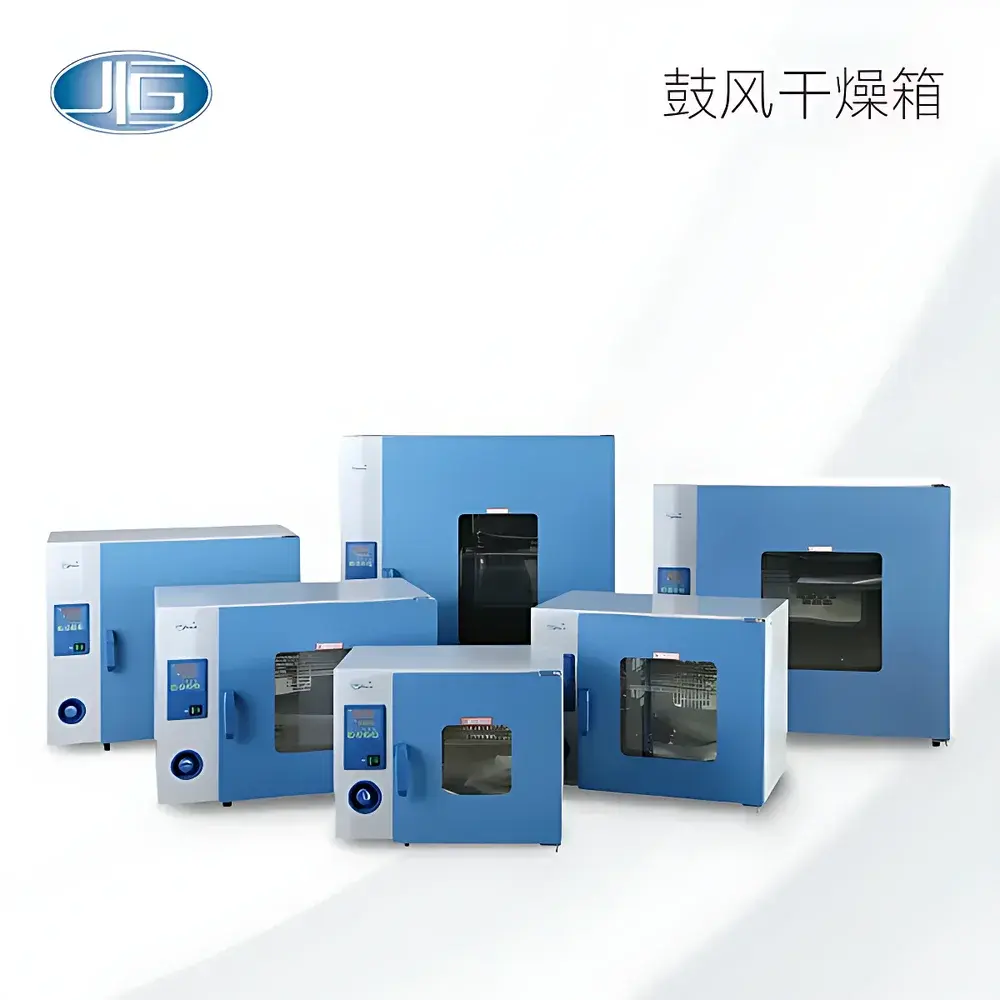
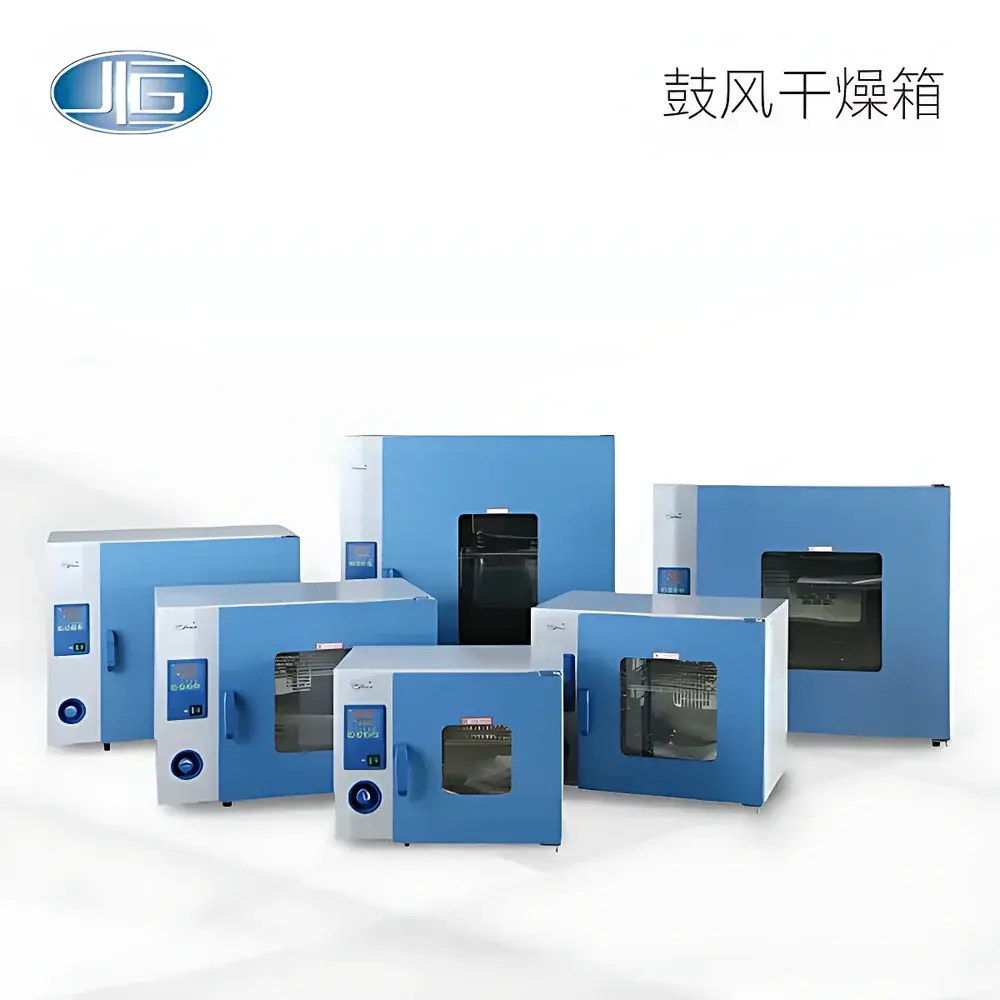
Yiheng DHG-9000 Series Forced-Air Drying Oven (Standard Model)
| Brand | Yiheng |
|---|---|
| Origin | Shanghai, China |
| Manufacturer Type | Direct Manufacturer |
| Product Category | Domestic |
| Model | DHG-9000 |
| Temperature Range | RT+10°C to 200°C / RT+10°C to 250°C |
| Temperature Fluctuation | ±1.0°C |
| Temperature Resolution | 0.1°C |
| Operating Ambient Temperature | +5°C to +40°C |
| Inner Chamber Material | Mirror-Finish Stainless Steel (AISI 304) |
| Heating Method | Forced-Air Convection |
| Temperature Uniformity | ±3% at 100°C |
| Control System | Microprocessor-Based P.I.D. Controller with Over-Temperature Deviation Protection and Timer Function |
| Optional Features | Independent Over-Temperature Cut-Off Alarm System |
| Optional Connectivity | RS485 Interface or Thermal Printer Port |
Overview
The Yiheng DHG-9000 Series Forced-Air Drying Oven is an entry-level yet rigorously engineered laboratory drying system designed for routine thermal processing, moisture removal, preheating, sterilization validation support, and stable-temperature conditioning of non-volatile samples. Built upon the fundamental principle of forced-air convection, the oven circulates heated ambient air via a high-temperature-rated centrifugal blower and optimized internal ducting to ensure predictable thermal transfer across the working chamber. Its operational envelope spans from ambient +10°C up to 250°C—covering standard ISO/IEC 17025-compliant drying protocols for gravimetric analysis (e.g., ASTM D2240, ISO 62, USP <641>), residual solvent evaporation in pharmaceutical intermediates, and preconditioning of polymeric test specimens prior to mechanical testing. The unit complies with general electrical safety requirements per IEC 61010-1 and incorporates passive thermal management features essential for unattended operation in shared lab environments.
Key Features
- Mirror-finish AISI 304 stainless steel inner chamber fabricated by TIG (tungsten inert gas) welding—resistant to corrosion, easy to clean, and compliant with GLP-aligned cleanliness standards.
- Microprocessor-based P.I.D. temperature controller with digital display, real-time deviation monitoring, and programmable timer function (up to 9999 minutes); enables reproducible setpoint tracking with ±1.0°C stability under steady-state conditions.
- Forced-air circulation system featuring a continuously rated high-temp motor and balanced airflow path—engineered to achieve ±3% temperature uniformity (measured at 100°C per ISO 15502 Annex B methodology).
- High-performance silicone rubber gasket seal rated for continuous operation up to 250°C—designed for long service life and tool-free replacement without compromising chamber integrity.
- Adjustable dual-port ventilation: independent manual control of intake and exhaust dampers allows fine-tuning of internal atmosphere exchange rate—critical for applications involving volatile solvents or humidity-sensitive drying cycles.
- Optional independent over-temperature cut-off circuit: hardwired secondary protection that interrupts heating power when user-defined limit is exceeded—supports risk mitigation strategies required under laboratory safety policies and insurance compliance frameworks.
Sample Compatibility & Compliance
The DHG-9000 accommodates standard-sized glassware (e.g., Petri dishes, weighing bottles, crucibles), metal sample trays, and ceramic substrates. It is not intended for flammable, explosive, or highly reactive materials without additional engineering controls. Internal dimensions vary by submodel (DHG-9003, DHG-9013, DHG-9023, etc.) but maintain consistent chamber geometry ratios to preserve airflow dynamics. The oven meets general-purpose classification under EN 61010-1 for laboratory electrical equipment and supports traceability workflows when integrated with optional RS485 communication modules compatible with Modbus RTU protocol. While not certified to FDA 21 CFR Part 11 out-of-the-box, audit-ready data logging (via external recorder or third-party SCADA integration) can be implemented to satisfy GMP/GLP documentation requirements.
Software & Data Management
The base configuration operates via front-panel interface only. Optional RS485 serial output enables connection to industrial PLCs, SCADA systems, or custom LabVIEW-based acquisition platforms for time-stamped temperature logging. An optional thermal printer module provides immediate hardcopy output of cycle parameters—including start time, setpoint, actual chamber temperature profile, and end-of-cycle confirmation. All digital interfaces retain raw sensor values (Pt100 input) and controller status flags, supporting retrospective review during internal quality audits or regulatory inspections. Firmware updates are performed locally via USB-to-serial adapter; no cloud dependency or proprietary software installation is required.
Applications
- Moisture content determination in food, soil, and pharmaceutical powders per AOAC 950.46 and USP <731>.
- Drying of filter papers and gravimetric precipitates in environmental water testing (EPA Method 160.1, ISO 5667-3).
- Curing of epoxy-coated substrates and polymer film annealing in materials R&D labs.
- Preconditioning of test specimens per ASTM D618 prior to tensile or impact evaluation.
- Storage and stabilization of calibration standards at controlled elevated temperatures.
- Support role in accelerated aging studies (e.g., ICH Q1A) where precise, repeatable thermal exposure is required.
FAQ
What is the maximum operating temperature for the DHG-9000 series?
The DHG-9000 series offers two standard configurations: RT+10°C to 200°C and RT+10°C to 250°C. The upper limit is determined by heater element rating, insulation grade, and thermocouple class—select model designation accordingly.
Does the oven include built-in data logging capability?
No. Data logging requires optional RS485 interface or thermal printer module. Raw temperature readings are accessible via serial output using standard Modbus RTU register mapping.
Is the inner chamber fully welded and seamless?
Yes. The interior chamber is constructed from mirror-finish AISI 304 stainless steel and joined exclusively via TIG welding—eliminating crevices and ensuring compatibility with stringent cleaning validation procedures.
Can this oven be used for sterilization of instruments?
It is not validated or certified as a medical device sterilizer. While capable of dry-heat decontamination (>160°C for ≥2 hours), users must perform their own process qualification per ISO 17665-1 if deploying for bioburden reduction.
What maintenance intervals are recommended?
Inspect door gasket integrity every 6 months; verify airflow path cleanliness quarterly; calibrate temperature sensor annually using NIST-traceable reference thermometer per ISO/IEC 17025 Clause 6.5.



