
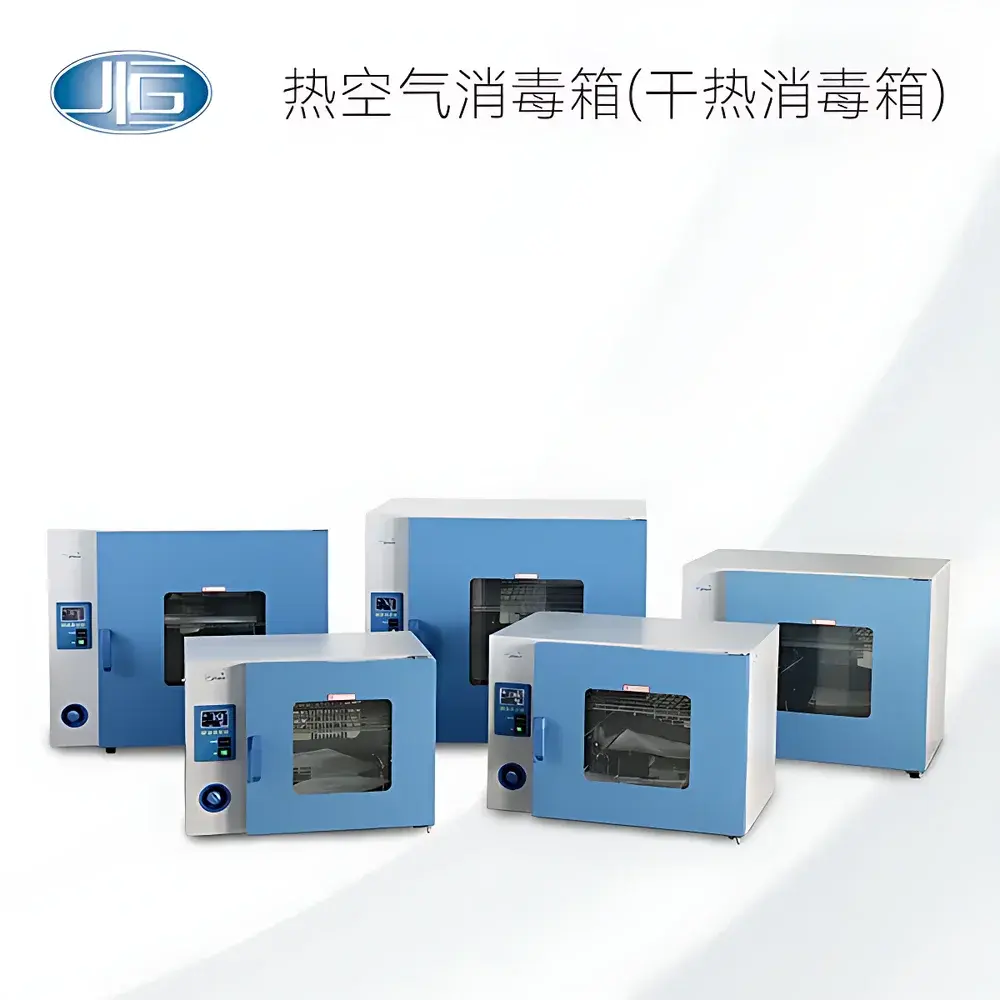
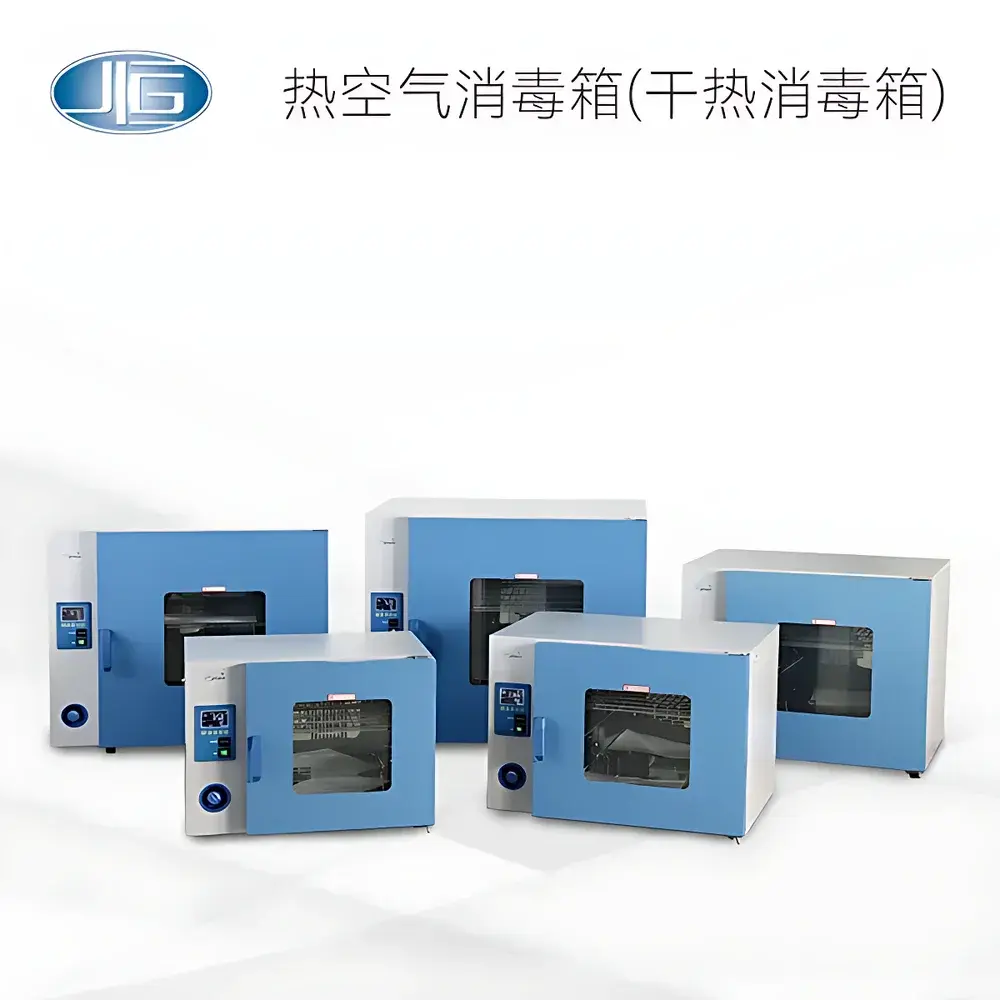
YiHeng GRX-9013A Forced-Air Dry Heat Sterilization Oven
| Brand | YiHeng |
|---|---|
| Origin | Shanghai, China |
| Manufacturer Type | Direct Manufacturer |
| Product Category | Domestic (China-Made) |
| Model | GRX-9013A |
| Instrument Type | General-Purpose Forced-Air Oven |
| Temperature Range | RT+10°C to 200°C / RT+10°C to 250°C |
| Temperature Uniformity | ±1°C |
| External Dimensions (W×D×H) | 530 × 480 × 420 mm |
| Internal Chamber Dimensions (W×D×H) | 250 × 260 × 250 mm |
| Temperature Resolution | 0.1°C |
| Operating Ambient Temperature | +5°C to +40°C |
| Interior Material | Stainless Steel (SUS304) |
| Air Circulation | Adjustable Three-Speed Forced Convection Fan |
| Safety Features | Independent Over-Temperature Cut-Off Protection |
| Timer Function | Programmable Digital Timer |
| Shelf Configuration | Removable and Adjustable Stainless Steel Shelves |
Overview
The YiHeng GRX-9013A is a precision-engineered forced-air dry heat sterilization oven designed for reliable thermal decontamination of heat-stable laboratory materials, glassware, metal instruments, and non-porous tools. Unlike moist-heat methods (e.g., autoclaving), dry heat sterilization relies on sustained elevated temperatures to induce irreversible microbial inactivation through oxidative damage to cellular components—primarily lipid peroxidation, protein denaturation, and electrolyte imbalance leading to cytoplasmic coagulation. This mechanism ensures effective elimination of bacterial endospores (e.g., Bacillus atrophaeus spores), fungi, and viruses on surfaces not compatible with steam or moisture exposure. The GRX-9013A operates within two selectable maximum temperature settings (200°C and 250°C), meeting standard dry heat sterilization protocols requiring ≥160°C for 120 minutes or ≥170°C for 60 minutes per ISO 15883-1 and USP . Its robust chamber construction and uniform airflow architecture support consistent thermal distribution across the entire working volume.
Key Features
- Forced convection system with three-speed adjustable fan—enabling optimized air velocity for rapid heat transfer, reduced processing time, and improved temperature homogeneity (±1°C at setpoint).
- Microprocessor-based digital temperature controller with 0.1°C resolution and real-time display—ensuring precise setpoint tracking and minimal overshoot during ramp-up.
- SUS304 stainless steel interior chamber—resistant to oxidation, corrosion, and repeated thermal cycling; facilitates easy cleaning and long-term structural integrity.
- Dual independent safety systems: primary PID-controlled heating circuit plus a mechanical over-temperature cut-off switch (non-resettable above 280°C) compliant with IEC 61010-1 requirements for laboratory equipment safety.
- Programmable digital timer (0–999 minutes)—supports unattended operation with automatic shutdown; ideal for validated sterilization cycles under GLP/GMP environments.
- Removable and repositionable stainless steel shelves—allowing flexible load configuration and full chamber access for decontamination and maintenance.
Sample Compatibility & Compliance
The GRX-9013A accommodates common sterilization loads including Petri dishes, pipette tips, forceps, scalpels, glass vials, aluminum foil-wrapped instruments, and ceramic components. It is unsuitable for plastics, rubber, liquids, or any material with low thermal degradation thresholds (<200°C). The unit conforms to general safety standards applicable to Class II laboratory ovens (IEC 61010-1:2010, GB/T 14710–2009). While not pre-certified to ISO 13485 or FDA 21 CFR Part 11, its programmable timer, temperature logging capability (via optional external data logger), and repeatable thermal performance support integration into IQ/OQ/PQ validation protocols required by pharmaceutical QC labs and academic core facilities.
Software & Data Management
The GRX-9013A features an embedded microcontroller interface with no proprietary software dependency. All operational parameters—including set temperature, dwell time, fan speed, and real-time chamber temperature—are displayed and adjusted via the front-panel LCD. For regulatory traceability, users may connect a calibrated external USB or RS-485 data logger (e.g., Omega OM-DAQPRO-5300) to record time-stamped temperature profiles. The device supports audit-ready documentation when paired with lab information management systems (LIMS) or electronic lab notebooks (ELN) using CSV export functionality from compatible loggers.
Applications
- Routine sterilization of reusable glassware and stainless-steel surgical tools in university teaching labs and hospital central supply departments.
- Depyrogenation of glass containers prior to aseptic filling operations (validated at ≥250°C for ≥45 minutes per USP ).
- Drying of moisture-sensitive powders, filter membranes, and gravimetric samples where residual water must be eliminated without chemical residue.
- Heat treatment of calibration standards, reference materials, and environmental sampling equipment before field deployment.
- Pre-conditioning of substrates for thin-film deposition, catalyst activation, and thermal stability testing in materials science research.
FAQ
What is the recommended sterilization cycle for bacterial spores using this oven?
For Bacillus atrophaeus spore inactivation, use 170°C for 60 minutes or 160°C for 120 minutes—validated with biological indicators placed at chamber cold spots.
Can the GRX-9013A be used for depyrogenation?
Yes—when operated at 250°C for ≥45 minutes, it meets USP criteria for endotoxin removal from glassware and metallic devices.
Is the temperature uniformity verified across the entire chamber volume?
Per manufacturer specification, uniformity is ±1°C at steady state; users should perform periodic mapping (e.g., per ISO/IEC 17025) using NIST-traceable thermocouples.
Does the unit support remote monitoring or Ethernet connectivity?
No native network interface is provided; integration requires third-party data loggers with analog output or Modbus RTU capability.
What maintenance is required to ensure long-term accuracy?
Annual verification of temperature sensor calibration against a reference thermometer and inspection of door gasket integrity are recommended per ISO/IEC 17025 internal quality procedures.



