
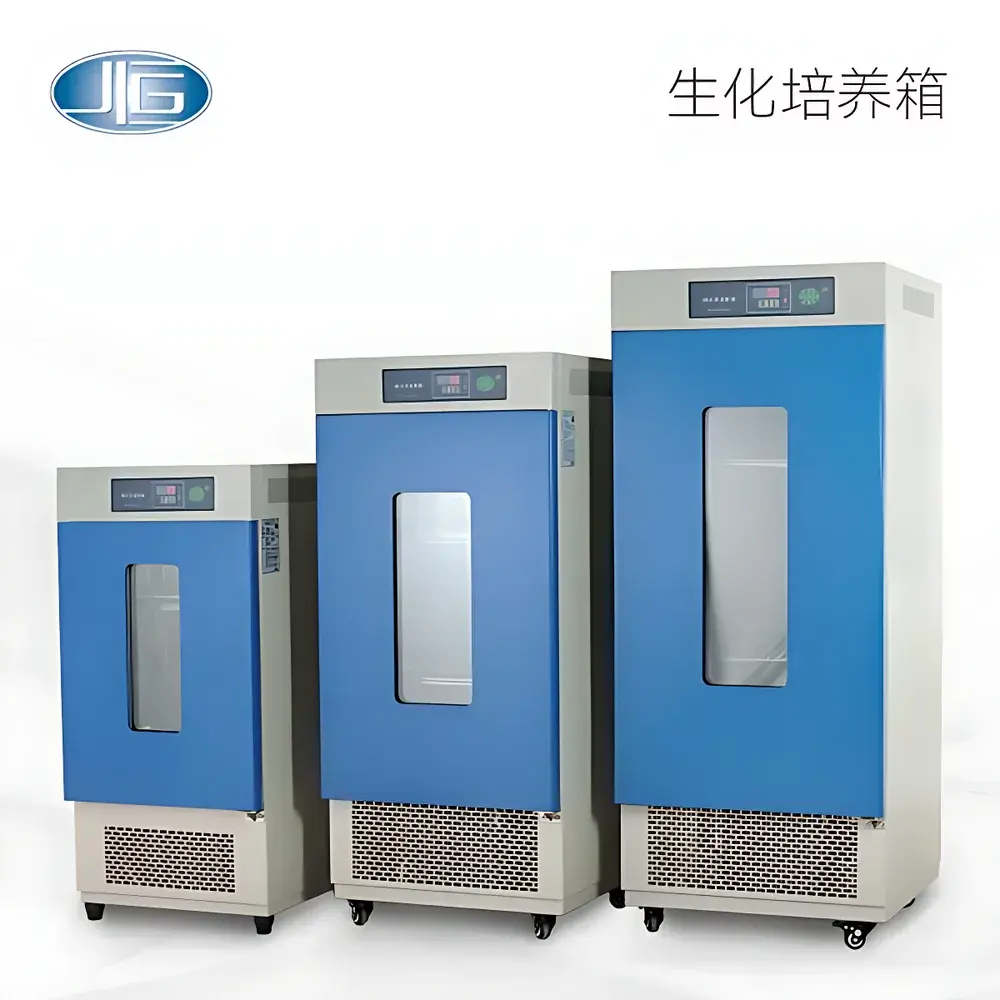
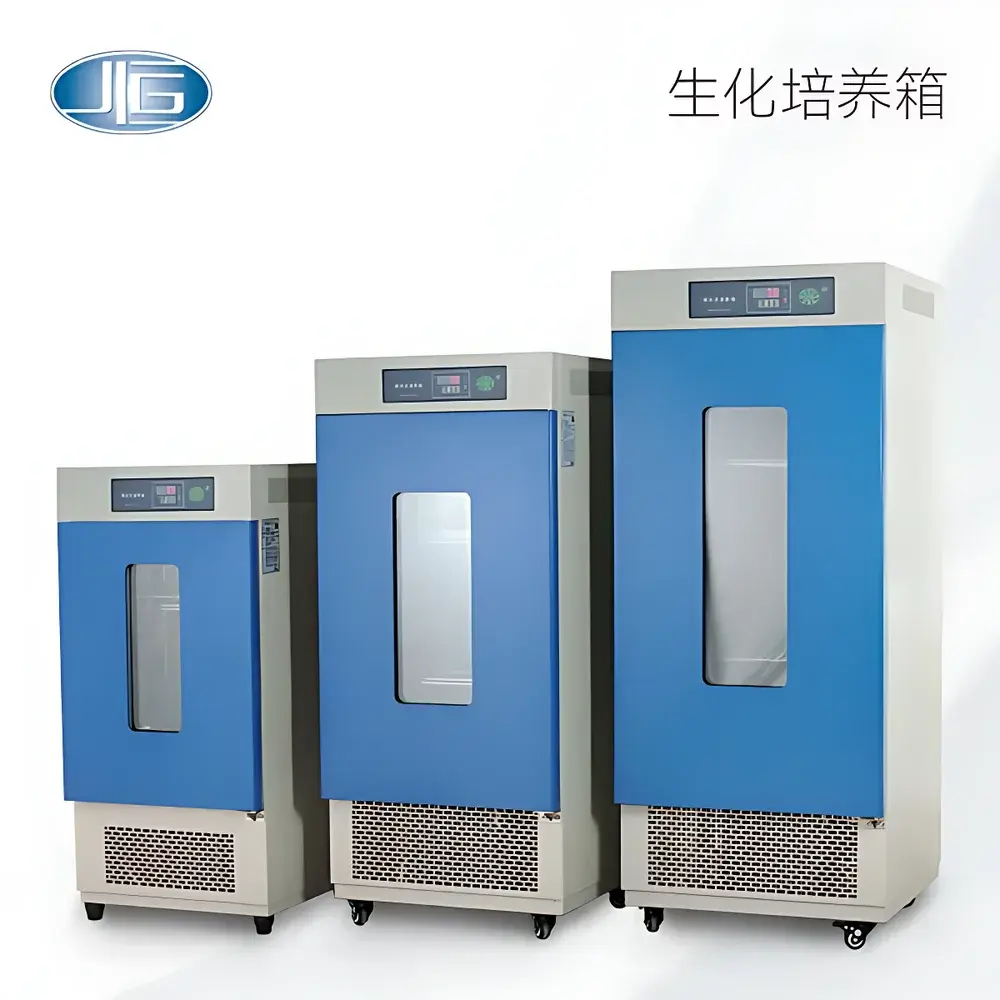
YiHeng LRH-250(F) Biochemical Incubator
| Brand | YiHeng |
|---|---|
| Origin | Shanghai, China |
| Manufacturer Type | Direct Manufacturer |
| Region of Origin | Domestic (China) |
| Model | LRH-250(F) |
| Heating Method | Air-jacketed |
| Cooling Method | Compressor-based |
| Convection Type | Natural convection |
| Temperature Range | 0–60 °C |
| Temperature Fluctuation | ±0.5 °C at high setpoints |
| Temperature Uniformity | ±1.5 °C (measured at 25 °C) |
| Interior Dimensions (W×D×H) | 503 × 370 × 808 mm |
| Exterior Dimensions (W×D×H) | 600 × 630 × 1360 mm |
Overview
The YiHeng LRH-250(F) Biochemical Incubator is a precision-engineered, air-jacketed temperature-controlled chamber designed for stable, long-term cultivation of microorganisms, cell cultures, and biochemical reaction systems under controlled ambient conditions. Built on a robust thermal architecture, it employs compressor-based active cooling combined with air-jacketed resistive heating to achieve precise, bidirectional temperature regulation across a wide operational range (0–60 °C). Unlike forced-air incubators, its natural convection design minimizes mechanical disturbance and moisture loss—critical for maintaining sample integrity in sensitive microbiological assays, enzyme kinetics studies, and BOD testing. The unit complies with fundamental design principles outlined in ISO 13408-1 (sterile processing environments) and supports GLP-compliant workflows through traceable temperature logging and hardware-level safety interlocks.
Key Features
- Mirror-finish stainless steel interior with fully rounded corners (R ≥ 15 mm) ensures seamless cleaning and eliminates microbial harborage zones—meeting basic hygiene requirements for ISO 14644-1 Class 8 cleanroom-adjacent lab environments.
- Air-jacketed thermal insulation system utilizes high-density polyurethane foam (density ≥ 35 kg/m³) applied via continuous pour-in-place foaming, reducing thermal bridging and improving insulation efficiency by >25% versus conventional panel-bonded construction.
- PID-controlled microprocessor temperature management system with adjustable proportional band, integral time, and derivative gain—enabling dynamic compensation for load-induced thermal inertia and ambient drift.
- Three-stage fan speed selector (off / low / medium) allows users to modulate internal air movement without forced circulation, preserving humidity stability and preventing evaporative stress on agar plates or liquid cultures.
- Dual-stage overtemperature protection: primary control loop limit + independent mechanical cut-off switch (adjustable up to 65 °C), certified to IEC 61010-1 Annex BB for laboratory equipment safety.
- Backlit LCD interface with intuitive menu navigation and real-time display of setpoint, actual temperature, elapsed time, and system status flags—including compressor duty cycle and heater activation indicator.
Sample Compatibility & Compliance
The LRH-250(F) accommodates standard microbiological consumables including Petri dishes (up to 150 mm diameter), test tubes (16–25 mm OD), multi-well plates (6–96-well), and Erlenmeyer flasks (up to 2 L). Adjustable shelf spacing (five positions, 50 mm increments) enables flexible configuration for heterogeneous sample loads. All internal surfaces are non-porous and autoclavable-compatible for decontamination cycles up to 121 °C for 15 minutes (external validation required). The incubator meets CE marking requirements per Directive 2014/30/EU (EMC) and 2014/35/EU (LVD), and conforms to ASTM E1710-17 for performance verification of biological incubators. Optional RS485 Modbus RTU interface supports integration into centralized facility monitoring systems compliant with FDA 21 CFR Part 11 when paired with validated data acquisition software.
Software & Data Management
The “F” suffix denotes firmware-enabled digital functionality: real-time temperature logging at user-defined intervals (1–60 min), local storage of up to 1,000 data points in non-volatile memory, and export capability via RS485 serial link to external PCs running Windows-based terminal emulators or custom SCADA clients. Optional thermal printer module provides hard-copy audit trails with timestamp, setpoint, and deviation alerts—supporting ISO/IEC 17025 clause 7.7 (record control) and internal QA documentation protocols. No cloud connectivity or proprietary software installation is required; all data exchange follows open serial communication standards.
Applications
- Biochemical oxygen demand (BOD5) analysis per APHA Standard Methods 5210B and ISO 5815-1.
- Microbial growth curve determination (e.g., E. coli, S. aureus, yeasts) under standardized ISO 20743 and CLSI M07-A10 conditions.
- Enzyme activity assays requiring stable sub-ambient or elevated temperatures (e.g., lipase, amylase, protease kinetics).
- Seed germination and plant tissue culture pre-incubation where humidity retention and vibration-free environment are essential.
- Quality control incubation for pharmaceutical raw materials per USP <1111> and EP 2.6.27.
FAQ
Does the LRH-250(F) support humidity control?
No—this model is a temperature-only incubator. Humidity management requires external humidification chambers or alternative models (e.g., YiHeng HPG series) with integrated steam generators.
What is the maximum load capacity per shelf?
Each adjustable shelf supports up to 15 kg uniformly distributed load. Total internal volume is 150 L, with usable net volume ~125 L after accounting for wall thickness and airflow clearance.
Is calibration certificate included with shipment?
A factory calibration report (traceable to NIM, China) is provided. Full ISO/IEC 17025-accredited calibration requires third-party service and is not bundled.
Can the incubator operate continuously at 4 °C?
Yes—the compressor-based cooling system is rated for uninterrupted operation within the full 0–60 °C range, including extended low-temperature holds typical in cold-adapted organism studies.
What maintenance is recommended for long-term reliability?
Compressor oil level inspection every 24 months, condenser coil cleaning every 6 months (using compressed air), and annual verification of PID tuning parameters using NIST-traceable dry-block calibrators.



