
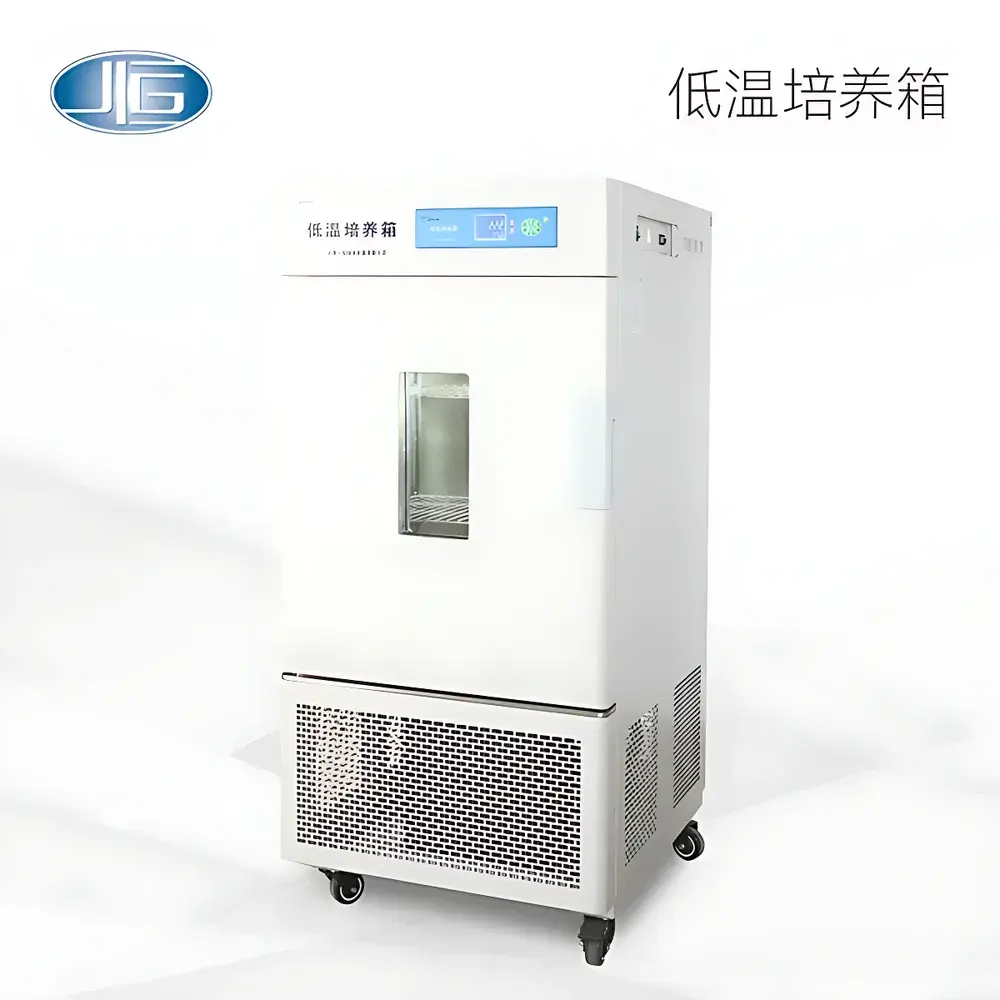
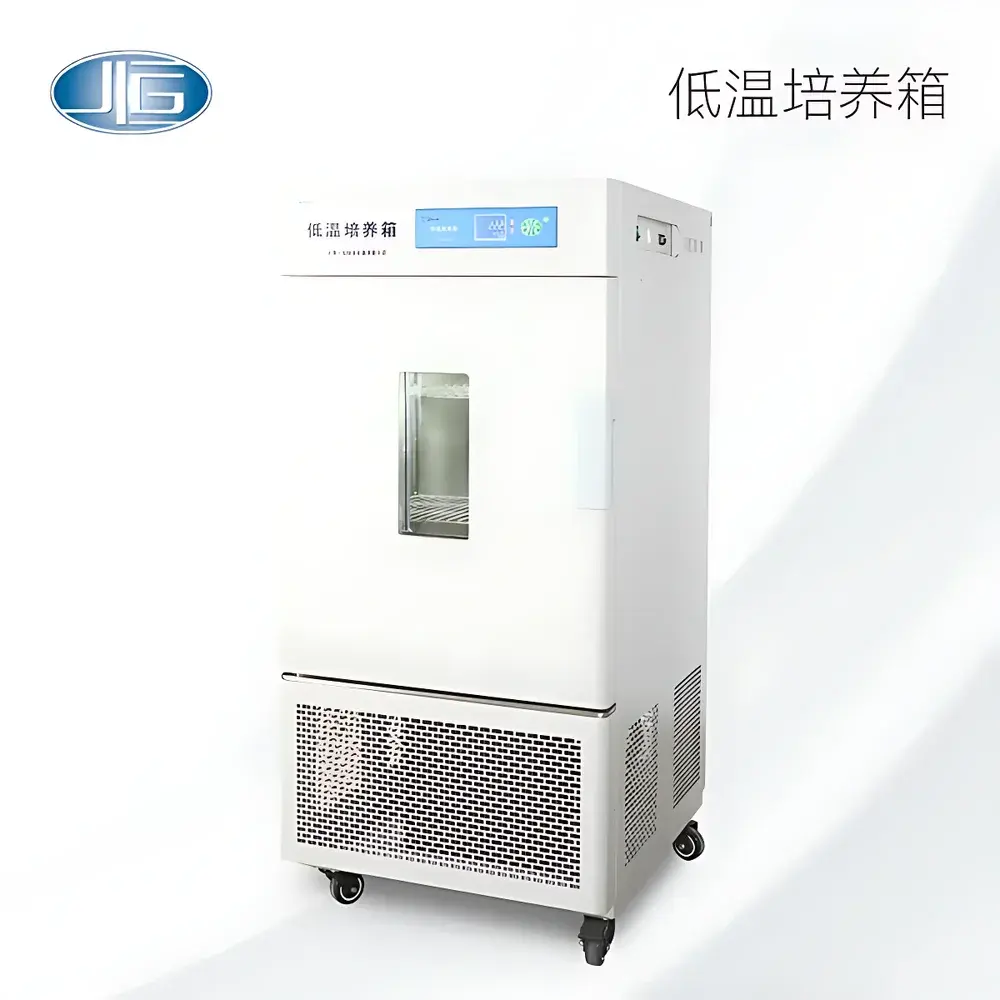
YiHeng LRH Series Low-Temperature Biochemical Incubator
| Brand | YiHeng |
|---|---|
| Origin | Shanghai, China |
| Manufacturer Type | Direct Manufacturer |
| Product Origin | Domestic (China) |
| Model | LRH |
| Price Range | USD 2,150 – 8,800 (FOB Shanghai) |
| Heating Method | Air-Jacketed Heating |
| Cooling Method | Compressor-Based Refrigeration |
| Temperature Range | LRH-L: −10 °C to +65 °C |
| LRH-A | −20 °C to +65 °C |
| LRH-B | −40 °C to +65 °C |
| Temperature Uniformity | ±0.5 °C (at ≥25 °C), ±1.0 °C (at ≤0 °C) |
| Internal Volume Options | 150 L, 250 L, 400 L, 600 L (per catalog) |
| External Dimensions | Varies by capacity (see technical datasheet) |
Overview
The YiHeng LRH Series Low-Temperature Biochemical Incubator is an engineered environmental control system designed for precise, stable, and reproducible temperature management across a broad operational range—from sub-zero cryostable storage to standard incubation conditions. Built on air-jacketed heating and compressor-based refrigeration architecture, the LRH platform delivers active thermal regulation through independent heating and cooling circuits, enabling seamless transition between negative and positive setpoints without thermal overshoot or hysteresis. Its dual-mode capability supports both long-term biostorage (e.g., serum, antibiotics, culture media) and dynamic biological processes (e.g., microbial growth kinetics, enzyme stability assays, seed germination studies). The unit complies with core design principles outlined in ISO 13408-1 (aseptic processing environments) and aligns with general laboratory equipment requirements under ISO/IEC 17025 for calibration traceability of temperature sensors.
Key Features
- Mirror-finish stainless-steel interior chamber with radius-rounded corners and removable, adjustable shelving—designed for full accessibility, residue-free cleaning, and compliance with GLP sanitation protocols.
- Microprocessor-controlled LCD interface with real-time digital display of chamber temperature, setpoint, and system status; PID algorithm ensures rapid thermal equilibration (<15 min from ambient to −20 °C at 250 L capacity) and sustained stability within specification limits.
- High-efficiency hermetic compressor paired with eco-friendly R134a refrigerant and low-noise axial circulation fan—optimized for continuous operation at low ambient loads while maintaining energy consumption below 1.8 kWh/day (LRH-250A, typical).
- Dedicated 25 mm diameter access port on left side wall—sealed with silicone grommet and compatible with external PT100 probes, data loggers, or gas sampling lines per ASTM E2875 guidelines for environmental monitoring.
- Independent over-temperature cut-off circuit with non-resettable thermal fuse—meets IEC 61010-1 Class II safety requirements and provides fail-safe interruption prior to reaching critical thresholds (configurable limit: −5 °C to +70 °C).
- Optional RS485 Modbus RTU interface (standard on LRH-B models) enables integration into centralized lab infrastructure via SCADA or LIMS platforms; optional thermal printer module supports timestamped hard-copy audit trails compliant with FDA 21 CFR Part 11 Annex 11 documentation standards.
Sample Compatibility & Compliance
The LRH series accommodates a wide spectrum of biological and pharmaceutical specimens—including lyophilized reagents, cell culture supernatants, primary tissue samples, and diagnostic kits—without condensation-induced degradation or thermal shock. Chamber humidity remains passively stabilized at 60–80% RH (non-controlled) under steady-state operation, minimizing desiccation risk for moisture-sensitive materials. All models are CE-marked per Directive 2014/30/EU (EMC) and 2014/35/EU (LVD); electrical safety testing follows UL 61010-1 and GB 4793.1. Units shipped to EU markets include Declaration of Conformity and technical file documentation supporting ISO 13485-aligned quality system audits.
Software & Data Management
The optional multi-segment programmable controller supports up to 30 user-defined temperature profiles, each configurable with duration (1–5999 minutes), ramp rate (0.1–10.0 °C/min), and hold parameters. All program logs—including start/stop timestamps, deviation alerts, and sensor fault codes—are stored internally for ≥12 months (non-volatile memory). When connected via RS485, the system exports CSV-formatted temperature history files with millisecond-resolution timestamps, facilitating statistical process control (SPC) analysis and automated report generation per ISO 9001 Clause 8.5.2. Audit trail functionality includes operator ID tagging (via optional keypad login), change history logging, and electronic signature support for regulated environments.
Applications
- Long-term storage of heat-labile reagents (e.g., restriction enzymes, fluorescent dyes, monoclonal antibodies) at −20 °C or −40 °C.
- Controlled-temperature microbial cultivation under aerobic/anaerobic conditions for QC microbiology (USP , EP 2.6.12).
- Stability testing of pharmaceutical intermediates per ICH Q1A(R2) guidelines (accelerated and intermediate conditions).
- Environmental simulation for plant physiology studies (e.g., vernalization, cold acclimation response).
- Pre-conditioning of biosensors and microfluidic cartridges prior to functional assay deployment.
FAQ
What is the recommended calibration interval for the built-in temperature sensor?
Annual verification against NIST-traceable reference thermometers is advised; internal sensor drift remains within ±0.3 °C over 12 months under normal use.
Can the LRH operate continuously at −40 °C in ambient environments above 30 °C?
Yes—units rated for LRH-B configuration include enhanced condenser cooling capacity and are validated for uninterrupted operation at full range under ISO 14644-1 Class 8 cleanroom ambient conditions.
Is remote monitoring supported via Ethernet or Wi-Fi?
Not natively; however, third-party Modbus-to-Ethernet gateways (e.g., Moxa EDS-G205A) enable secure TCP/IP integration with existing network infrastructure.
Are validation documents (IQ/OQ/PQ protocols) available?
Standard IQ/OQ templates compliant with GAMP5 are provided upon request; PQ execution requires site-specific installation and operational context.
Does the unit meet noise emission requirements for shared laboratory spaces?
Acoustic pressure level is ≤52 dB(A) at 1 m distance—within ANSI S12.2-2020 limits for general-purpose research labs.



