
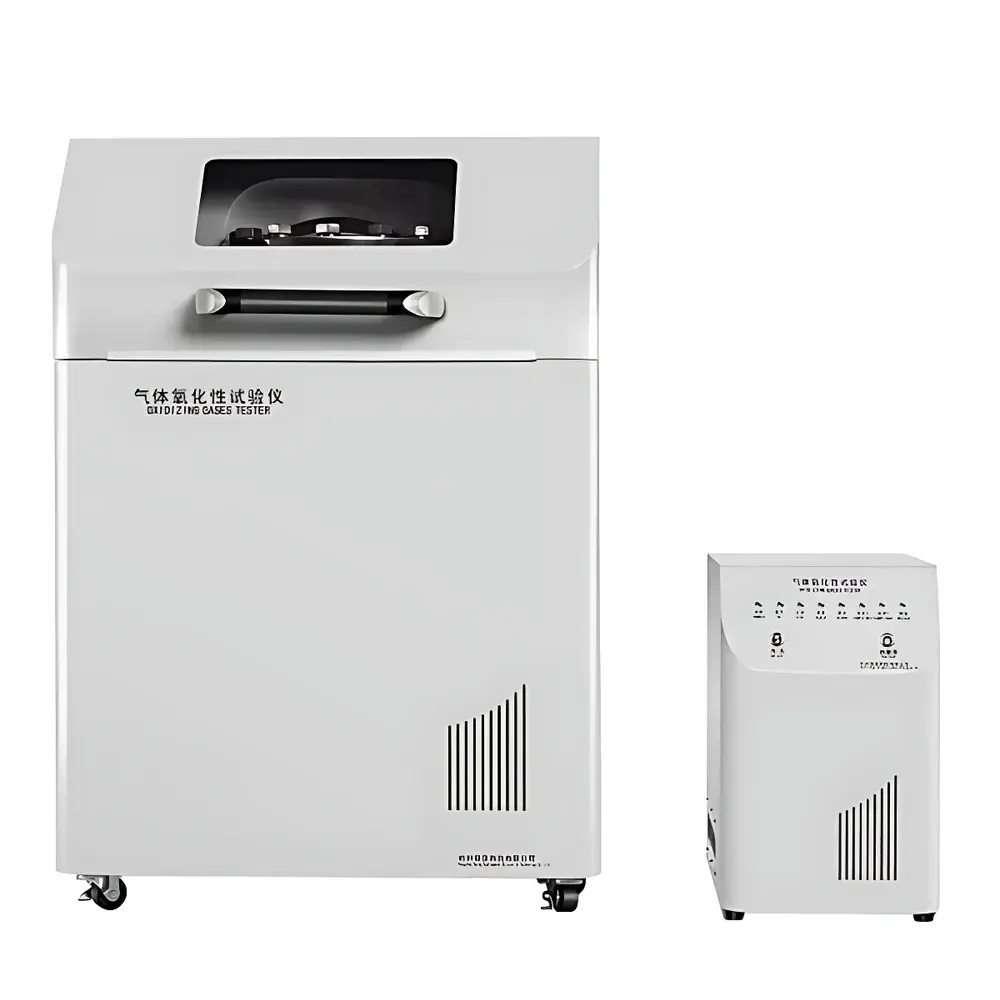
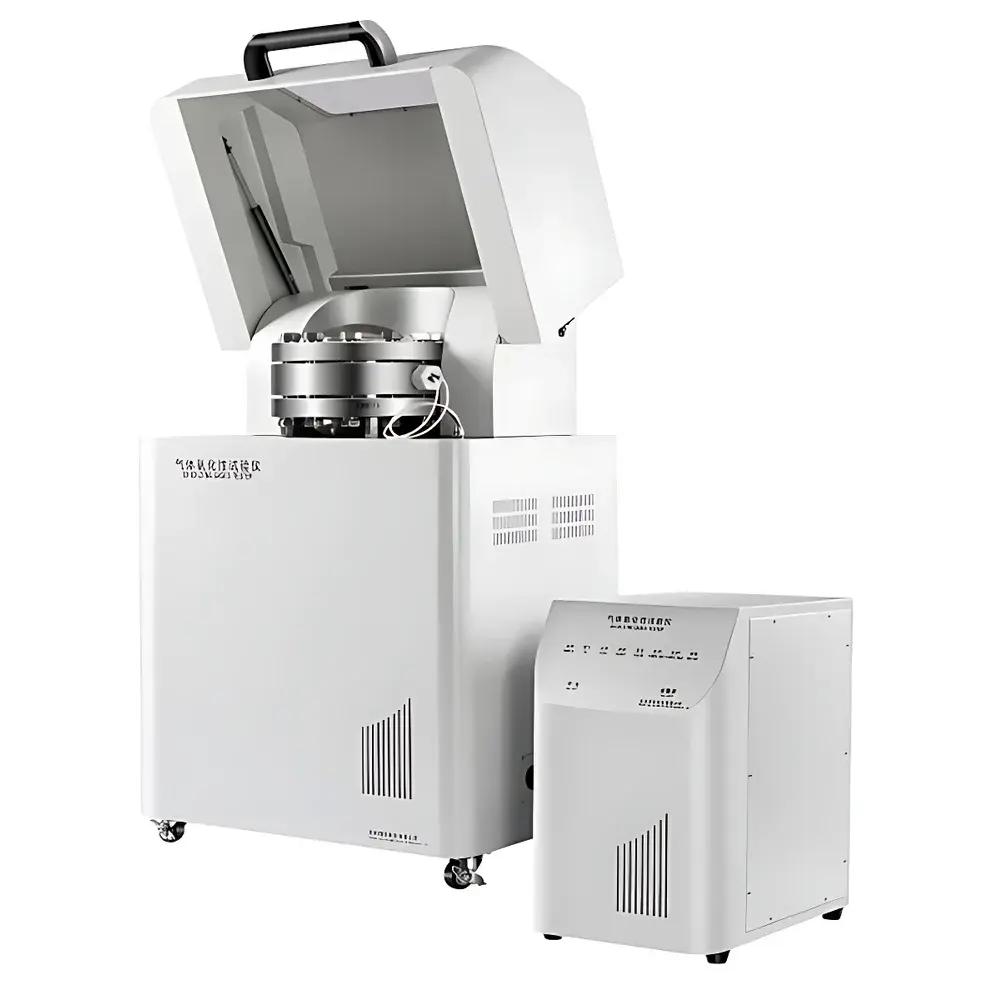
Young Instruments HWP28-10S Gas Oxidizing Potential Tester
| Brand | Young Instruments |
|---|---|
| Origin | Zhejiang, China |
| Manufacturer Type | Manufacturer |
| Model | HWP28-10S |
| Working Environment | (-5–45)°C, <95% RH |
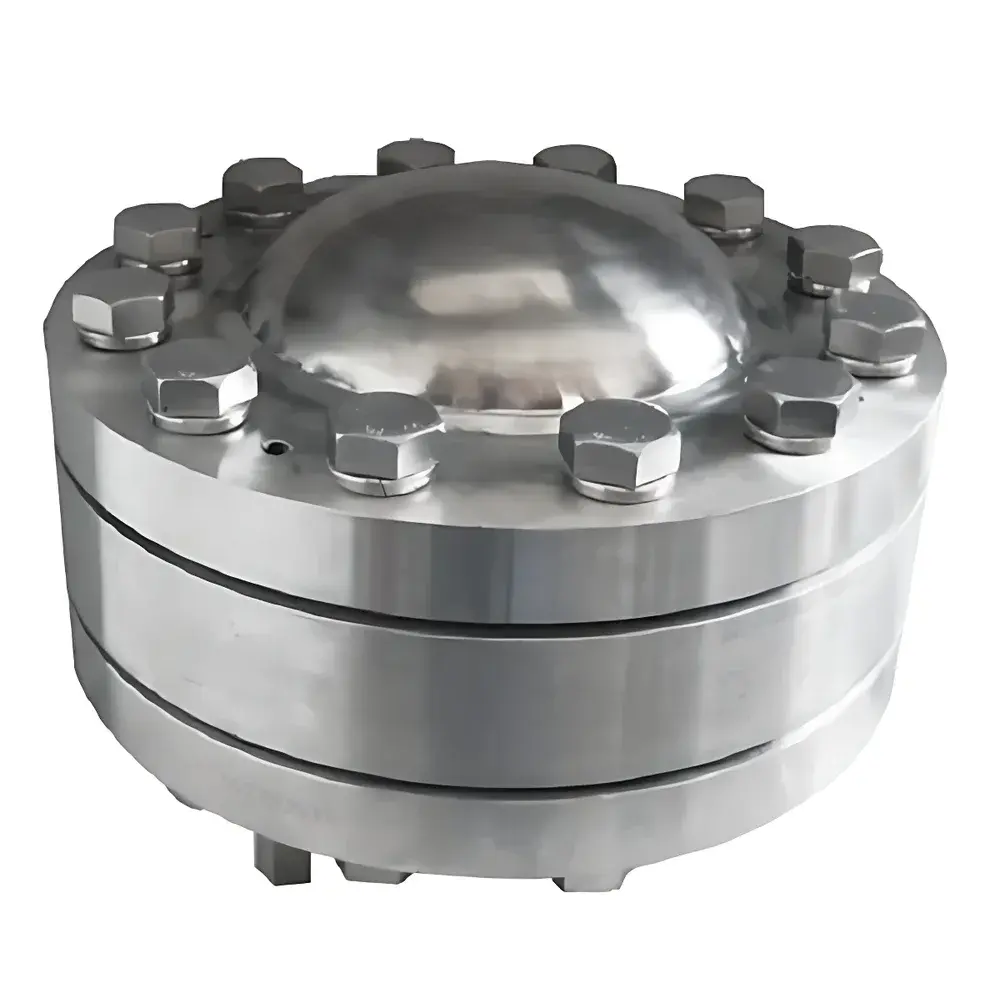
| Test Vessel Material | ASTM A240 S31603 Stainless Steel (316L) |
| Pressure Vessel Rating | ≥5 MPa |
| Test Vessel Volume | ≥5 L |
| Ultimate Vacuum | ≤0.1 kPa |
| Leak Rate | ≤0.01 kPa/min |
| Gas Mixing Pressure Sensor Range | 0–200 kPa |
| Gas Mixing Pressure Sensor Accuracy | ≤±0.1% FS |
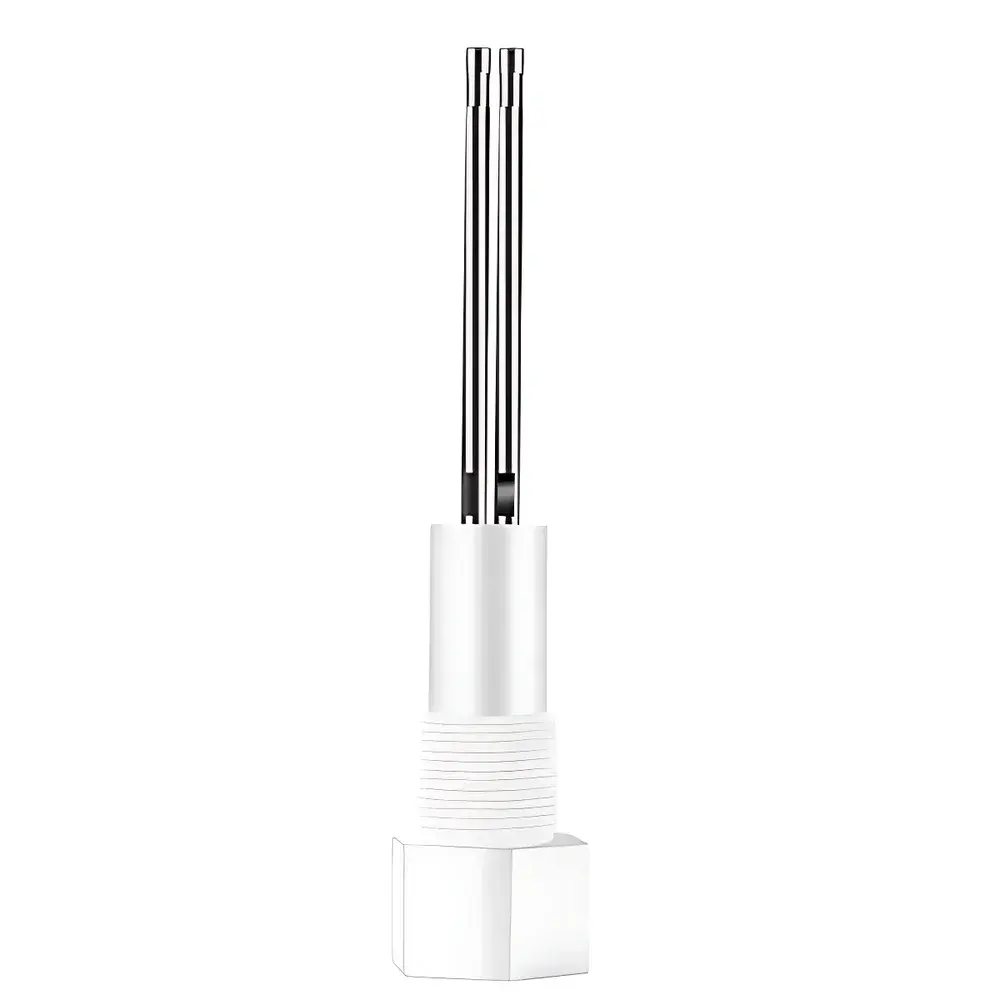
| Ignition Rod Diameter | ≥3 mm |
| Ni-Cr Wire Diameter | 0.05–0.2 mm |
| Ignition Energy | 10–20 J |
| Explosion Pressure Sensor Range | 0–5000 kPa |
| Explosion Pressure Sensor Overpressure Rating | ≥10 MPa |
| Explosion Pressure Sensor Accuracy | ±0.1% FS |
| Explosion Pressure Sensor Response Time | ≤0.5 ms |
| Explosion Temperature Measurement Range | -50–350°C |
| Explosion Temperature Accuracy | ≤±(0.15 + 0.002 |
| System Sampling Frequency | ≥2 kHz |
| Timing Range | 0–24 h, Resolution: ±0.01 s |
| Magnetic Stirring Speed | ≥300 rpm |
Overview
The Young Instruments HWP28-10S Gas Oxidizing Potential Tester is an engineered laboratory system designed to quantitatively assess the relative oxidizing capacity of pure gases or gas mixtures against ambient air—specifically per ISO 10156:2010 and GB/T 27862:2011. It operates on the principle of controlled ignition-induced combustion propagation within a sealed, temperature-stabilized test vessel. By precisely metering oxygen-equivalent partial pressures and initiating standardized thermal or electrical ignition under reproducible thermobaric conditions, the instrument determines whether a test gas supports combustion more vigorously than air (21% O2 in N2). This determination is critical for hazard classification, cylinder valve selection, transport safety (UN GHS and TDG), and process safety management in chemical manufacturing, semiconductor fabrication, and specialty gas production facilities.
Key Features
- Modular architecture with physically separated control cabinet and explosion-rated test chamber—ensuring operator safety during high-energy ignition events;
- Dual-mode ignition system: remote-triggered high-energy arc (10–20 J) via industrial-grade PLC-controlled high-frequency igniter, plus manual local initiation; both modes support programmable delay and synchronization with pressure/temperature acquisition;
- High-fidelity transient measurement suite: explosion pressure sensor (0–5000 kPa, ±0.1% FS, ≤0.5 ms response), fast-response thermocouple array (-50–350°C, traceable calibration), and synchronized 2 kHz data logging;
- Automated gas mixing subsystem featuring IP65-rated pressure transducers (0–200 kPa, ≤2.5 ms response), precision solenoid valves, and closed-loop concentration algorithm for sub-percent repeatability in partial pressure control;
- Integrated magnetic stirrer (≥300 rpm) ensuring homogeneous gas-phase mixing prior to ignition—critical for eliminating stratification artifacts in low-diffusivity or density-mismatched mixtures;
- Comprehensive safety interlocks: automatic post-test depressurization, redundant overpressure relief (mechanical + electronic), real-time leak monitoring (≤0.01 kPa/min threshold), and fault-detection with audible/visual alarm cascade;
- Full automation workflow—from vacuum evacuation (≤0.1 kPa) and gas filling to ignition timing, data capture, and chamber purging—minimizing operator intervention and human error;
- Onboard microcontroller-based ignition timer with µs-level resolution, enabling precise correlation between energy delivery and pressure rise onset.
Sample Compatibility & Compliance
The HWP28-10S accommodates single-component gases (e.g., ClF3, F2, NO2, O3) and binary/multi-component mixtures—including toxic, corrosive, or pyrophoric species—provided they remain stable under static pressurization up to 5 MPa and do not chemically attack 316L stainless steel at operating temperatures. All wetted parts conform to ASTM A240 S31603 specifications. The system complies with ISO 10156:2010 Clause 4 (Oxidizing Ability Determination), GB/T 27862:2011 Section 4, and supports documentation requirements for UN Manual of Tests and Criteria, Part I, Section 15 (Oxidizing Gases). Its design incorporates mechanical safeguards aligned with IEC 60079-1 (Explosion-Proof Enclosures) and functional safety principles consistent with IEC 61508 SIL 2.
Software & Data Management
The included PC-based control software provides intuitive configuration of test parameters (fill pressure, dwell time, ignition delay, stirring duration), real-time waveform visualization (P-t, T-t), and automated report generation compliant with GLP audit trails. Raw data are stored in timestamped binary files with embedded metadata (operator ID, calibration status, environmental logs). Export formats include CSV and PDF with configurable templates supporting internal QA review or regulatory submission. Software enforces role-based access control, electronic signatures, and 21 CFR Part 11–compatible audit logging—including all parameter modifications, start/stop events, and alarm triggers—with immutable record retention.
Applications
- Classification of industrial gases for UN transport hazard categories (Class 2.2 Oxidizing Gases);
- Validation of inerting protocols for flammable vapor handling systems;
- Development and verification of gas mixture specifications in electronics-grade bulk supply;
- Safety assessment of novel fluorinated oxidizers in propulsion or etching applications;
- Supporting REACH registration dossiers requiring oxidizing potential data;
- Research into combustion kinetics of halogen-based oxidizers under sub-atmospheric to hyperbaric conditions.
FAQ
What standards does the HWP28-10S explicitly support?
It is fully aligned with ISO 10156:2010 Clause 4 and GB/T 27862:2011 Section 4 for oxidizing potential testing. Additional methodological compatibility exists with UN Test O.1 and ASTM E2079 for comparative oxidizer ranking.
Can the system handle highly corrosive gases such as chlorine trifluoride (ClF₃)?
Yes—when configured with optional passivated 316L internals and compatible elastomers (e.g., Kalrez®), the vessel and sensor interfaces maintain integrity during exposure. Users must validate material compatibility for specific test matrices per NACE MR0175/ISO 15156 guidelines.
Is remote operation mandatory, or can tests be initiated locally?
Both modes are supported: wireless remote ignition (included) and front-panel hardware trigger—each with independent safety interlock verification before discharge.
How is calibration traceability maintained for pressure and temperature sensors?
All primary sensors ship with NIST-traceable calibration certificates. On-site verification routines are integrated into the software, allowing periodic zero/span checks against reference standards without disassembly.
Does the system support custom test protocols beyond ISO 10156?
Yes—the software architecture permits user-defined sequence scripting (via Lua API), enabling adaptation to proprietary or emerging regulatory methods while retaining full audit logging and data integrity controls.






