
Cytiva VIA Freeze Uno Controlled-Rate Freezer
| Brand | Cytiva |
|---|---|
| Origin | Switzerland |
| Model | VIA Freeze Uno |
| Type | Fully Automatic |
| Cooling Method | Conductive |
| Compliance | cGMP, 21 CFR Part 11, ISO 13485 (via system integration) |
| Sample Capacity | 24–192 cryovials, up to 250 mL cryobags, cryostraws (with interchangeable trays) |
| Calibration | Supplied with NIST-traceable calibration certificate |
| Qualification | IQ/OQ documentation included |
| Software Integration | Chronicle™ Automation Platform (optional standalone purchase) |
Overview
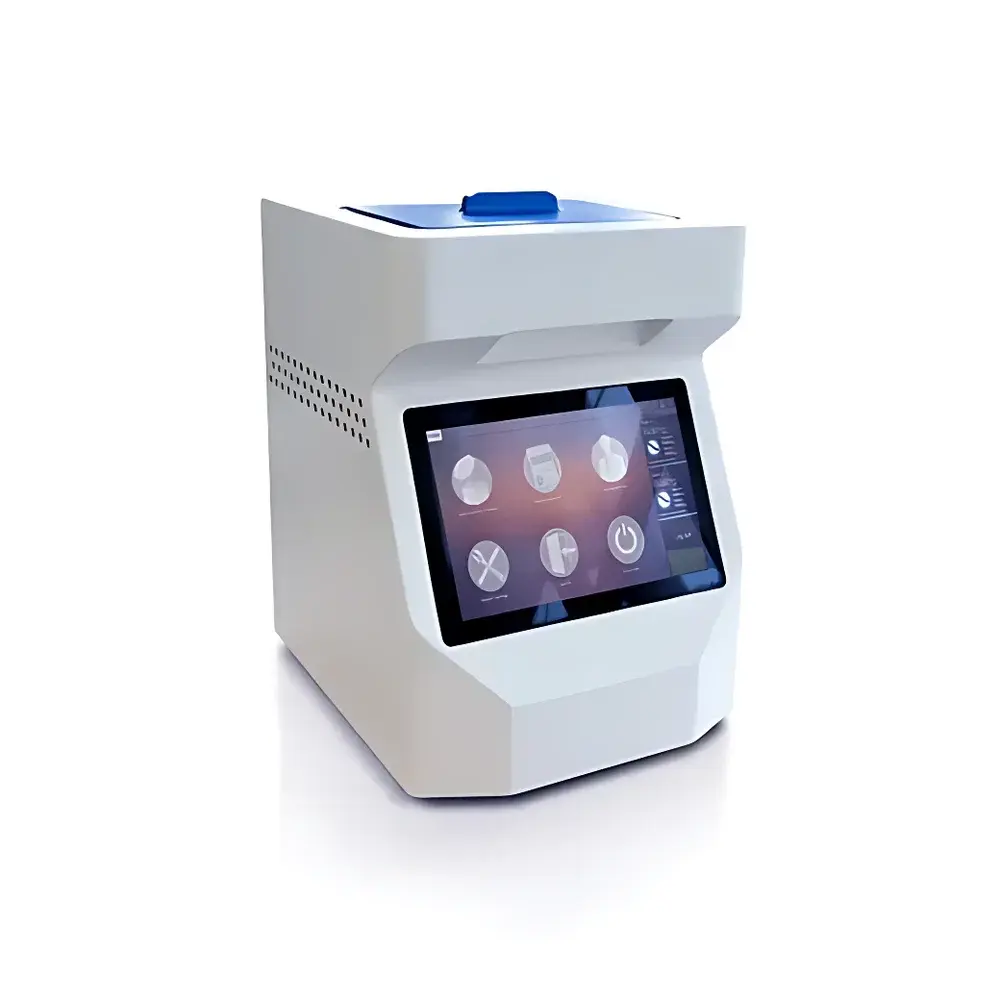
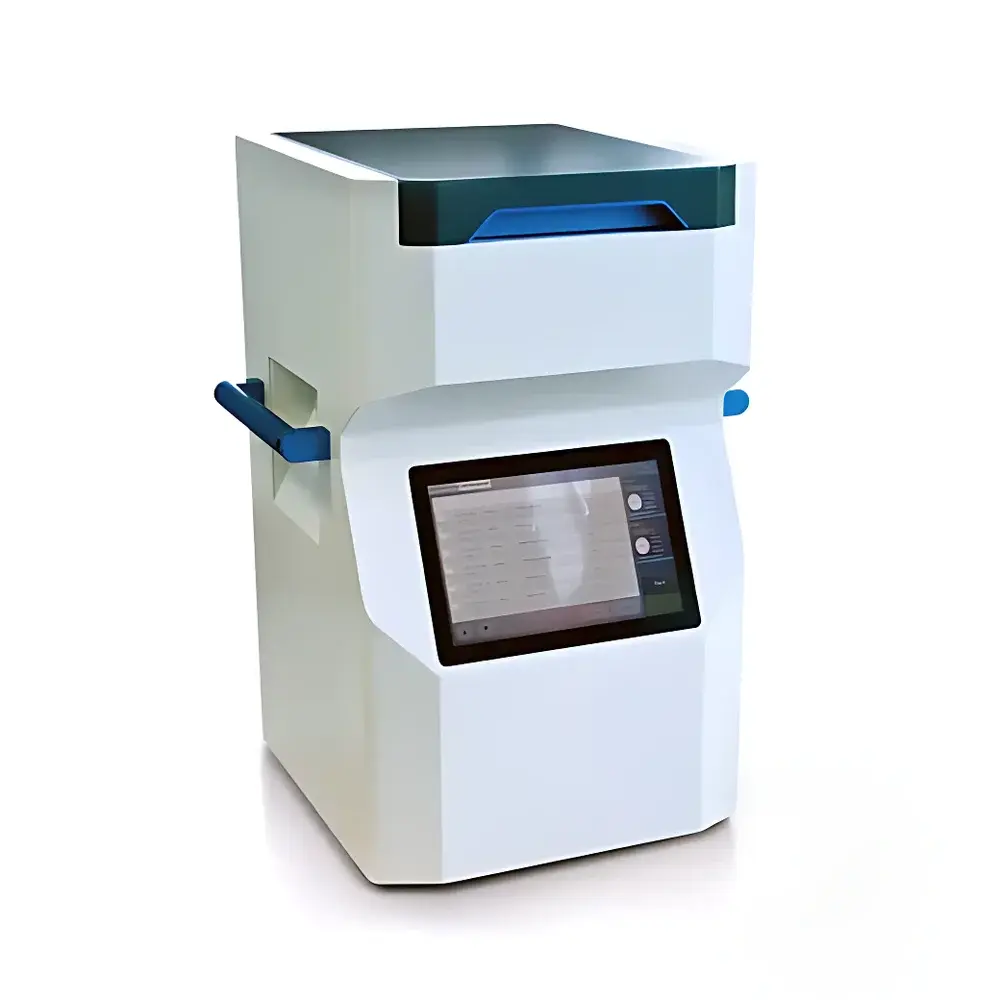
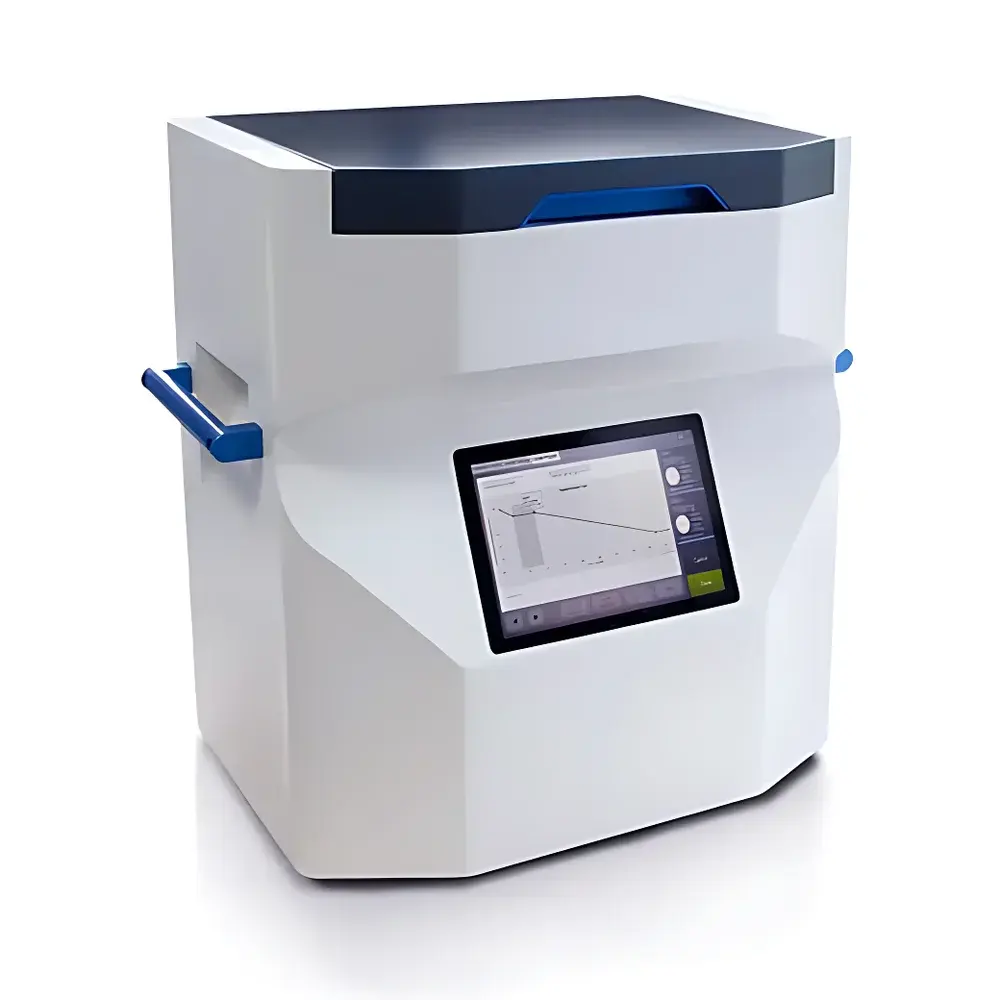
The Cytiva VIA Freeze Uno is a fully automatic, conductive-cooling controlled-rate freezer engineered for reproducible, regulatory-compliant cryopreservation of sensitive biological materials—including primary cells, stem cells, CAR-T products, and other advanced therapy medicinal products (ATMPs). Unlike liquid nitrogen–based systems, the VIA Freeze Uno eliminates cryogen handling hazards, infrastructure dependencies, and thermal gradient inconsistencies by employing precision-engineered Peltier-based conductive cooling. This architecture ensures uniform heat transfer across all sample positions, minimizing inter-vial temperature deviation (< ±0.5 °C) during critical phase transitions (e.g., nucleation, ice growth, vitrification onset). The instrument operates under deterministic thermal control logic, executing user-defined freezing protocols with sub-degree resolution and real-time feedback regulation. Its design aligns with the core principles of Quality by Design (QbD) and Process Analytical Technology (PAT), supporting consistent cell viability, membrane integrity, and post-thaw functional recovery—critical for clinical-grade manufacturing and GMP-regulated workflows.
Key Features
- Fully automated conductive cooling without liquid nitrogen—reducing biosafety risks, facility retrofitting costs, and operational complexity.
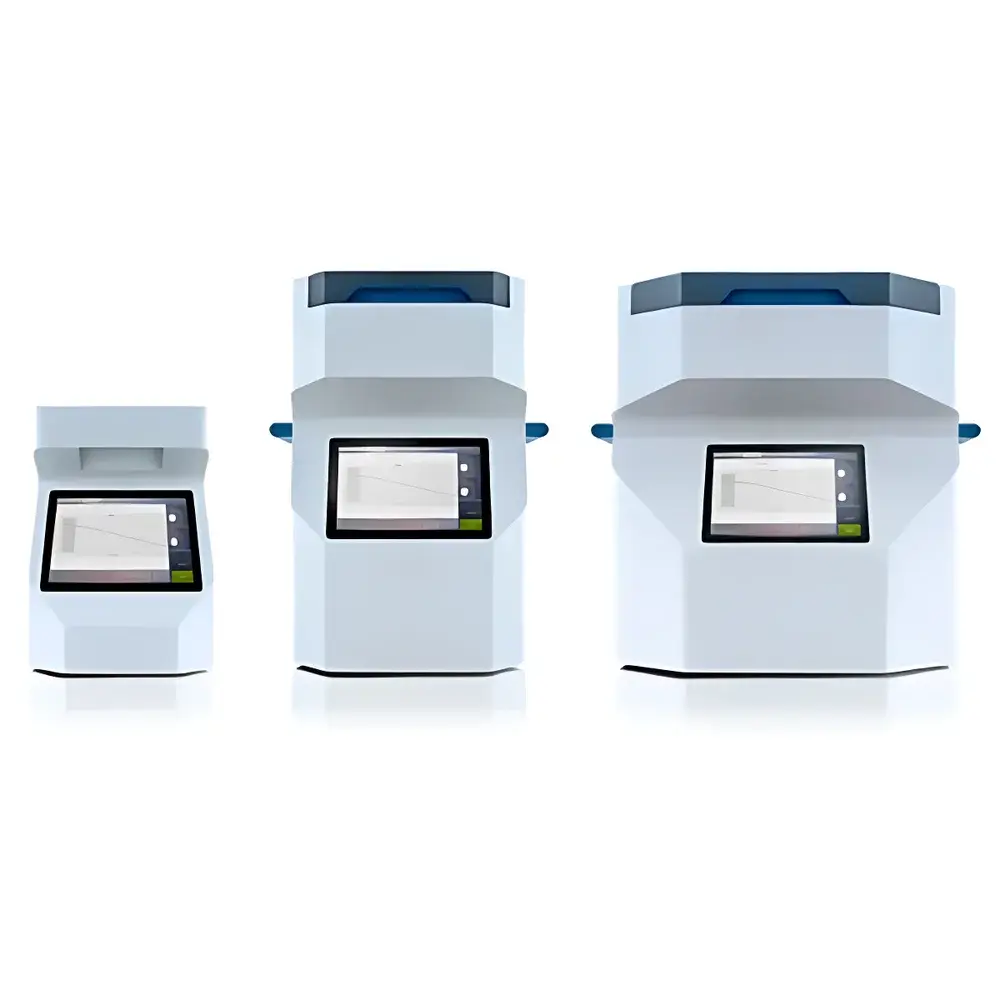
- Interchangeable, container-specific trays for cryovials (24–192), cryobags (up to 250 mL), and cryostraws—enabling seamless process transfer across VIA Freeze platforms (Uno, Duo, Quad).
- NIST-traceable factory calibration with documented uncertainty; full IQ/OQ qualification packages supplied as standard.
- Embedded Ethernet connectivity supporting remote monitoring, alarm notification, and secure data export via HTTPS/SSL.
- Integrated compliance architecture: configurable audit trail, electronic signatures, and 21 CFR Part 11–compliant user access controls when paired with Chronicle™ software.
- Compact footprint and portable configuration—suitable for cleanroom Class A/B environments, ISO 5 laminar flow hoods, or modular manufacturing suites.
Sample Compatibility & Compliance
The VIA Freeze Uno accommodates a broad range of cryogenic containers without hardware modification. Tray configurations are validated per container geometry and thermal mass to ensure equivalent cooling kinetics across formats—critical for comparability studies and regulatory filings (e.g., FDA BLA, EMA MAA). All models conform to ISO 13485:2016 quality management requirements for medical device manufacturers. When deployed in cGMP environments, the system supports formal process validation (including PQ), change control documentation, and retrospective data review per ICH Q5C and Q7 guidelines. The instrument’s firmware and associated Chronicle™ integration meet ALCOA+ data integrity principles (Attributable, Legible, Contemporaneous, Original, Accurate, Complete, Consistent, Enduring, Available) throughout the product lifecycle.
Software & Data Management
The VIA Freeze Uno natively supports web-based monitoring through its embedded interface, enabling real-time viewing of setpoints, actual temperatures, cooling rate deviations, and system status. For end-to-end digital batch record generation, it integrates bidirectionally with Cytiva’s Chronicle™ automation platform—a validated, 21 CFR Part 11–compliant software solution. Chronicle allows users to author, version-control, and deploy therapy-specific freezing curves; embed operator annotations directly into run logs; synchronize protocols across multiple VIA Freeze units globally; and link cryopreservation events to electronic standard operating procedures (eSOPs) and material traceability records. All raw sensor data, event timestamps, and user actions are stored in immutable, time-stamped archives compliant with FDA and EMA electronic record retention expectations.
Applications
- Clinical-scale cryopreservation of autologous and allogeneic cell therapies (e.g., TILs, NK cells, MSCs).
- Process development and tech transfer of freezing protocols across R&D, pilot, and commercial manufacturing sites.
- Regulatory submission support—including stability studies, comparability protocols, and freeze-thaw validation reports.
- Integration into closed, automated bioprocessing workflows (e.g., connected to Sepax, Xuri, or Cocoon systems).
- Quality control laboratories requiring auditable, repeatable cryopreservation for reference standard banking and assay reagent preservation.
FAQ
Does the VIA Freeze Uno require liquid nitrogen or external refrigerants?
No. It uses solid-state Peltier elements and proprietary thermal interface materials for conductive cooling—eliminating cryogen dependency and associated safety protocols.
Can freezing protocols be transferred between different VIA Freeze models?
Yes. Protocol definitions created in Chronicle™ are model-agnostic and can be deployed identically across VIA Freeze Uno, Duo, and Quad systems—ensuring process consistency during scale-up.
Is the system suitable for use inside a Class A cleanroom?
Yes. Its sealed chassis, low particulate emission profile, and compatibility with VHP decontamination make it appropriate for ISO 5 environments when installed per Cytiva’s cleanroom integration guidelines.
What documentation is provided for regulatory submissions?
Each unit ships with a NIST-traceable calibration certificate, IQ/OQ execution templates, risk assessment summaries, and a Design Qualification (DQ) rationale—supporting FDA, EMA, and PMDA filing requirements.
How is cybersecurity managed for network-connected units?
The device implements TLS 1.2 encryption, role-based authentication, firmware signing, and configurable firewall rules—aligned with IEC 62443-3-3 and NIST SP 800-82 standards for medical device networks.



