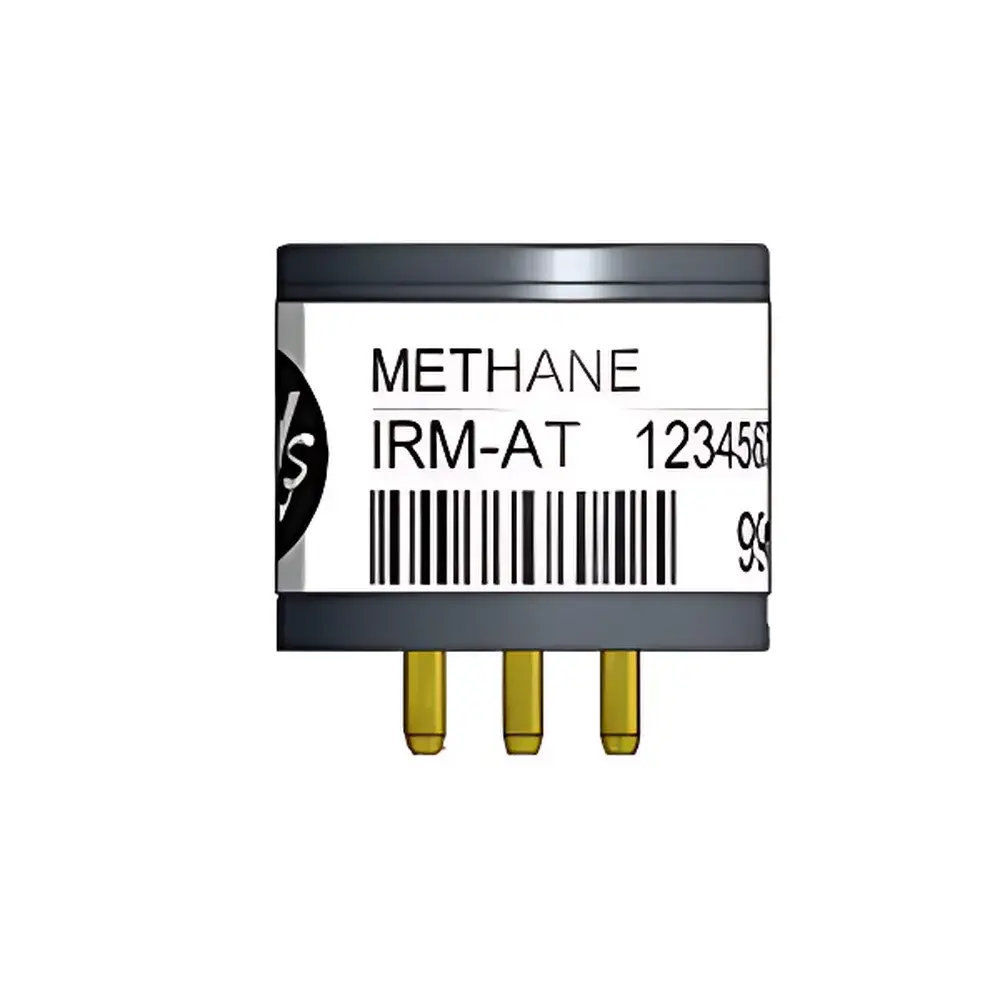
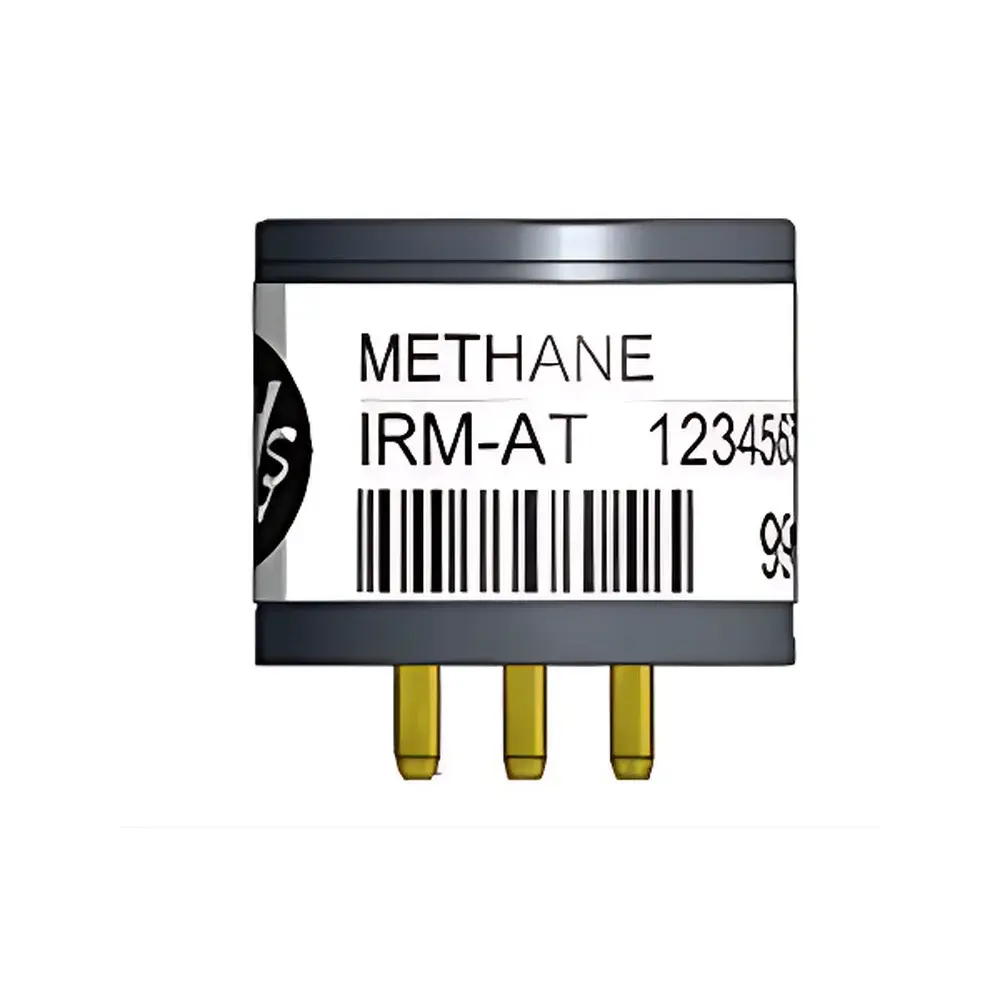
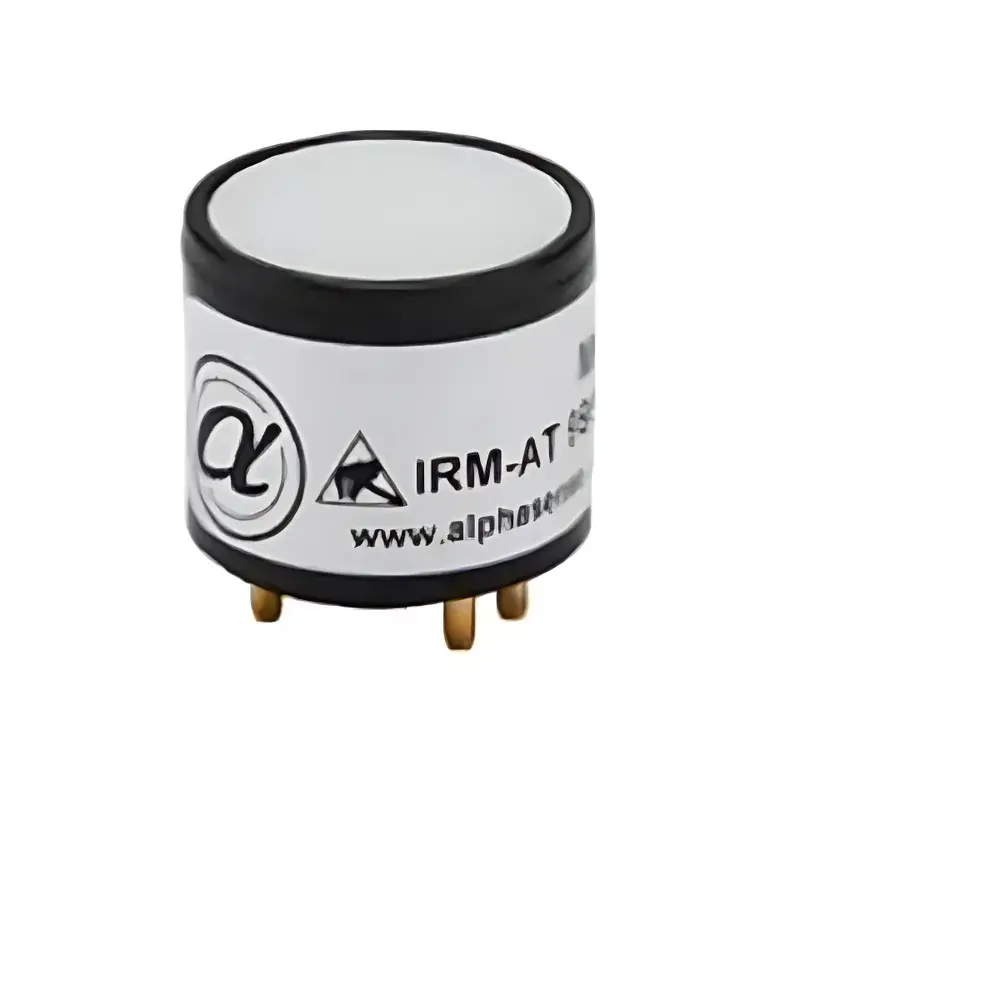
Alphasense IRM-AT NDIR Methane Gas Sensor
| Brand | Alphasense (UK) |
|---|---|
| Origin | United Kingdom |
| Model | IRM-AT |
| Measurement Principle | Non-Dispersive Infrared (NDIR) |
| Detection Gas | Methane (CH₄) |
| Range | 0–2.5% vol and 0–100% vol |
| Full-Scale Resolution | <400 ppm (≤2.5% vol) |
| Accuracy | ±500 ppm (low range) / ±1% vol (high range) |
| Response Time (t₉₀) | <40 s |
| Operating Temperature | −20 °C to +50 °C |
| Expected Service Life | >5 years |
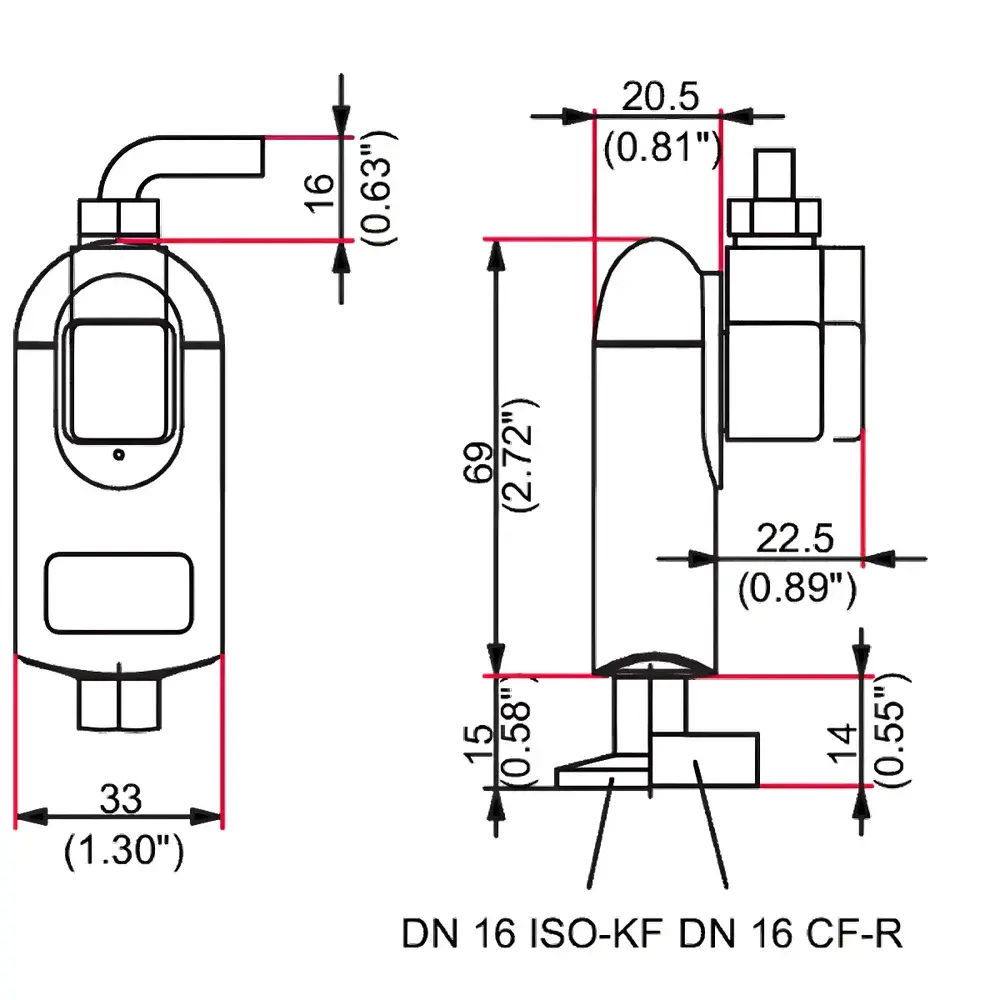
| Dimensions | Ø20.0 × 16.5 mm |
| Zero Drift Compensation | Dual-channel reference compensation |
| Compliance | Designed for industrial safety and environmental monitoring applications per IEC 60079-29-1, EN 50194, and compatible with ATEX/IECEx system integration requirements |
Overview
The Alphasense IRM-AT is a compact, high-stability non-dispersive infrared (NDIR) methane (CH₄) gas sensor engineered for continuous, reliable detection in demanding industrial and environmental monitoring environments. Unlike electrochemical or catalytic bead sensors, the IRM-AT employs dual-wavelength NDIR spectroscopy—measuring the differential absorption of infrared radiation at a characteristic CH₄ absorption band (typically near 3.3 µm) against a reference wavelength—to deliver inherently stable, drift-resistant concentration readings. Its optical architecture integrates a micro-machined IR source, thermopile detector, and precision optical filter housed within a hermetically sealed, stainless-steel-cased module. The sensor’s dual-channel sampling design enables real-time compensation for optical aging, temperature-induced baseline shifts, and ambient humidity effects—significantly extending calibration intervals and maintaining measurement integrity across fluctuating operational conditions.
Key Features
- True NDIR detection principle—immune to poisoning, humidity cross-sensitivity, and oxygen dependency
- Dual-channel optical path with integrated reference channel for active zero-point stabilization
- Two configurable measurement ranges: 0–2.5% vol (for leak detection and safety alarm) and 0–100% vol (for confined space entry or biogas process control)
- High signal-to-noise ratio and low thermal drift (<0.5% FS/°C typical), enabling stable long-term deployment
- Robust mechanical construction: stainless-steel housing, IP67-rated connector interface, and conformal-coated PCB for corrosion resistance
- Low power consumption (typical 80 mW @ 5 V DC), suitable for battery-operated or intrinsically safe (IS) systems
- Pre-calibrated at factory; supports field span adjustment via analog output or digital command interface
Sample Compatibility & Compliance
The IRM-AT is optimized for gaseous-phase methane detection in clean, dry, or moderately humid air streams. It exhibits minimal interference from CO₂, water vapor, and common hydrocarbons (e.g., propane, butane) due to spectral filtering and algorithmic compensation. While not intended for direct exposure to condensate, particulates, or aggressive solvents, it performs reliably in ventilated enclosures, ducts, and ambient outdoor housings when installed with appropriate inlet filtration (e.g., sintered stainless-steel frit). The sensor meets key functional safety and performance criteria referenced in IEC 60079-29-1 (explosive atmospheres – gas detectors), EN 50194 (domestic and commercial gas alarms), and aligns with design prerequisites for SIL-2-capable subsystems under IEC 61508. It is compatible with ATEX Zone 1/21 and IECEx system-level certification when integrated into appropriately rated host instrumentation.
Software & Data Management
The IRM-AT provides both analog (0–2 V or 4–20 mA, selectable) and digital (I²C or UART TTL) output interfaces, enabling seamless integration into PLCs, data loggers, and centralized SCADA platforms. Alphasense supplies configuration tools—including the Alphasense Sensor Evaluation Kit (SEK) and associated PC software—for gain/offset calibration, temperature compensation profile loading, and diagnostic readout (e.g., internal temperature, detector health status, and signal amplitude metrics). All digital communications support CRC checksum validation and non-volatile memory retention of calibration coefficients. When deployed in regulated environments (e.g., landfill gas monitoring, wastewater treatment plants), the sensor’s stable baseline and traceable calibration history support audit readiness under EPA Method 21, ISO 19880-3, and GLP-aligned QA/QC protocols.
Applications
- Natural gas distribution networks: pipeline leak detection, compressor station monitoring, and metering station safety interlocks
- Landfill and anaerobic digestion facilities: real-time CH₄ concentration tracking in flare stacks, leachate wells, and biogas upgrading units
- Mining and tunneling operations: firedamp (methane-air mixture) monitoring for explosion risk assessment
- Commercial building HVAC: demand-controlled ventilation triggered by indoor CH₄ accumulation from gas appliances
- Environmental research: mobile methane mapping using UAV-mounted sensor arrays or ground-based survey carts
- Industrial refrigeration: leak detection in low-charge natural refrigerant (R-512A, R-32 blends) systems where CH₄ may be present as impurity or surrogate test gas
FAQ
What is the recommended calibration interval for the IRM-AT?
Under typical industrial conditions, annual calibration is sufficient; however, quarterly verification is advised for critical safety applications per IEC 61511.
Can the IRM-AT operate in high-humidity environments?
Yes—its dual-channel architecture and hydrophobic optical window mitigate humidity-induced drift; use of an optional desiccant filter is recommended above 85% RH.
Is the sensor compatible with intrinsic safety (IS) barriers?
Yes—the IRM-AT’s low power draw and absence of ignition-capable components make it suitable for use with standard Zener or galvanic IS barriers in Class I, Division 1 systems.
Does the IRM-AT require warm-up time before accurate measurement?
Less than 60 seconds to reach thermal equilibrium; full specification performance is achieved within 2 minutes after power-on.
How is long-term stability validated?
Alphasense subjects each IRM-AT batch to accelerated life testing (85°C/85% RH for 1000 hours) and verifies zero/span drift ≤±2% FS over 5 years based on Arrhenius modeling and field return analysis.