
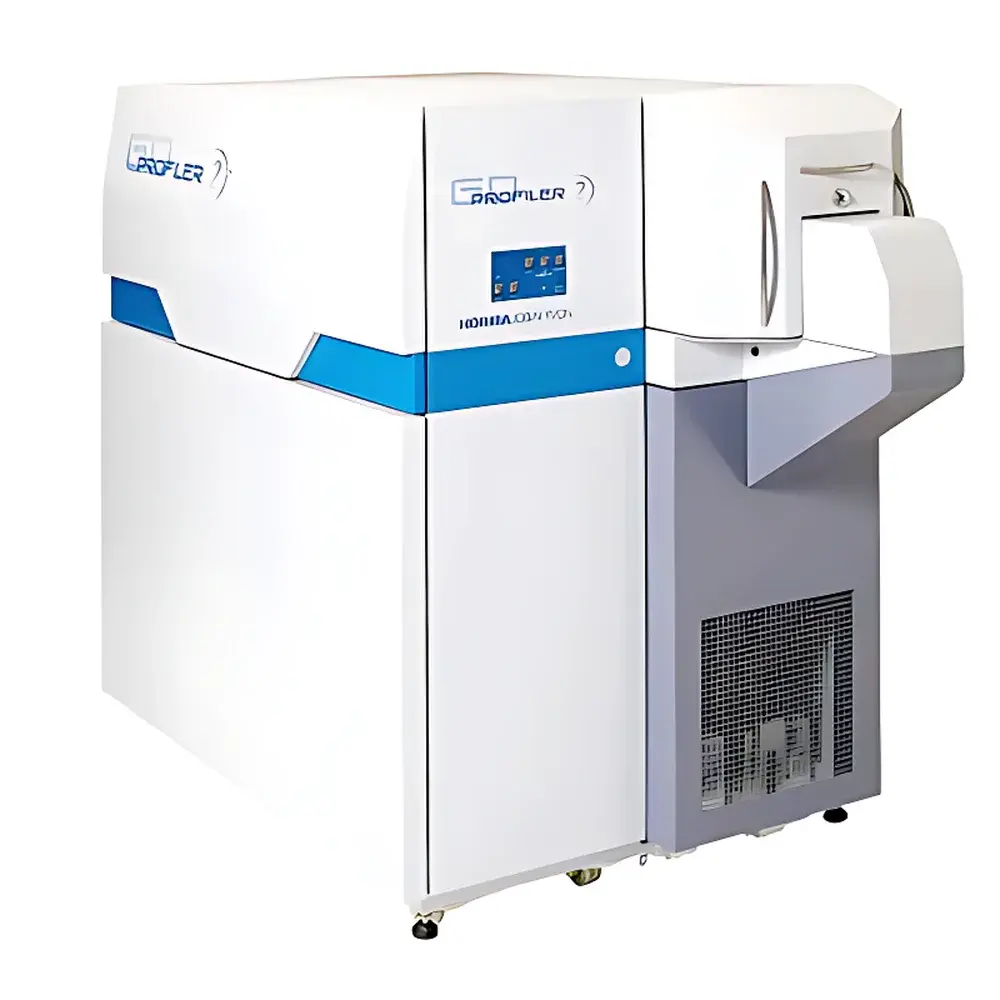
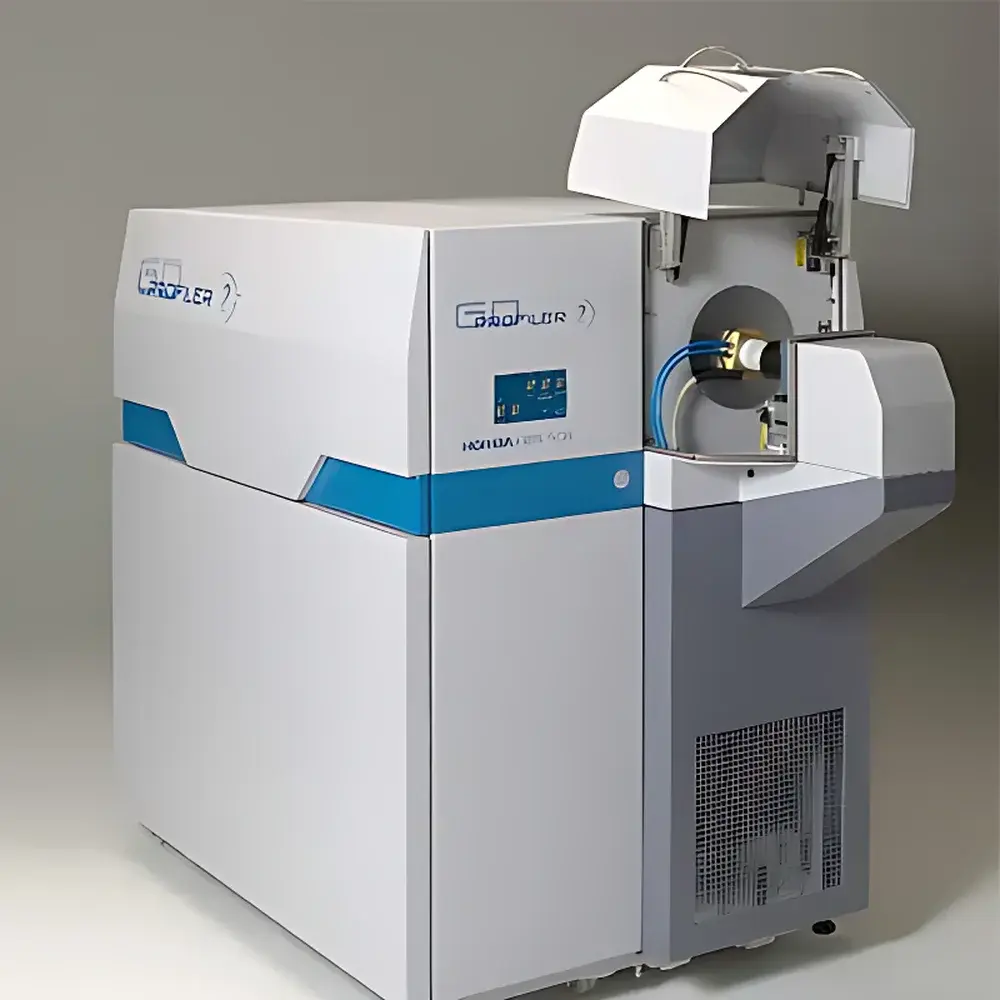
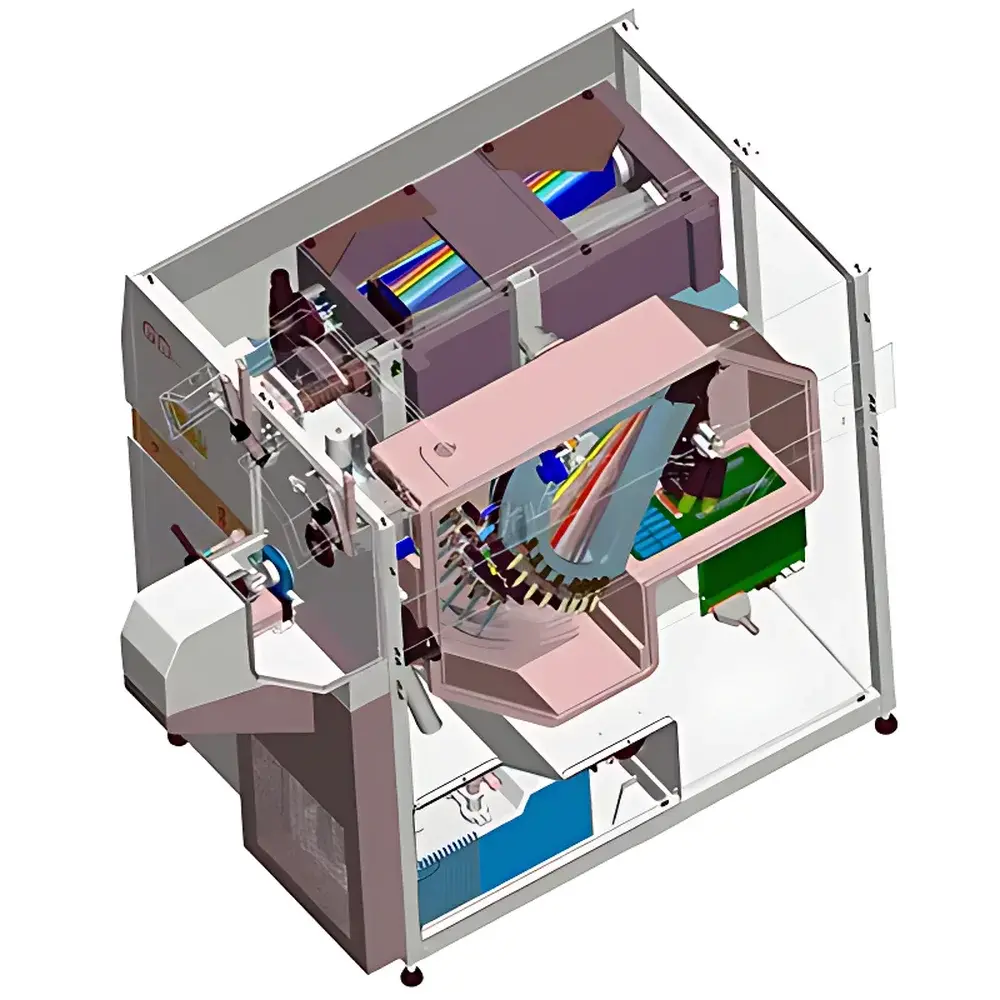
HORIBA GD Profiler 2 Radio-Frequency Glow Discharge Optical Emission Spectrometer
| Brand | HORIBA |
|---|---|
| Origin | France |
| Manufacturer Type | Original Equipment Manufacturer (OEM) |
| Import Status | Imported |
| Model | GD Profiler 2 |
| Pricing | Available Upon Request |
Overview
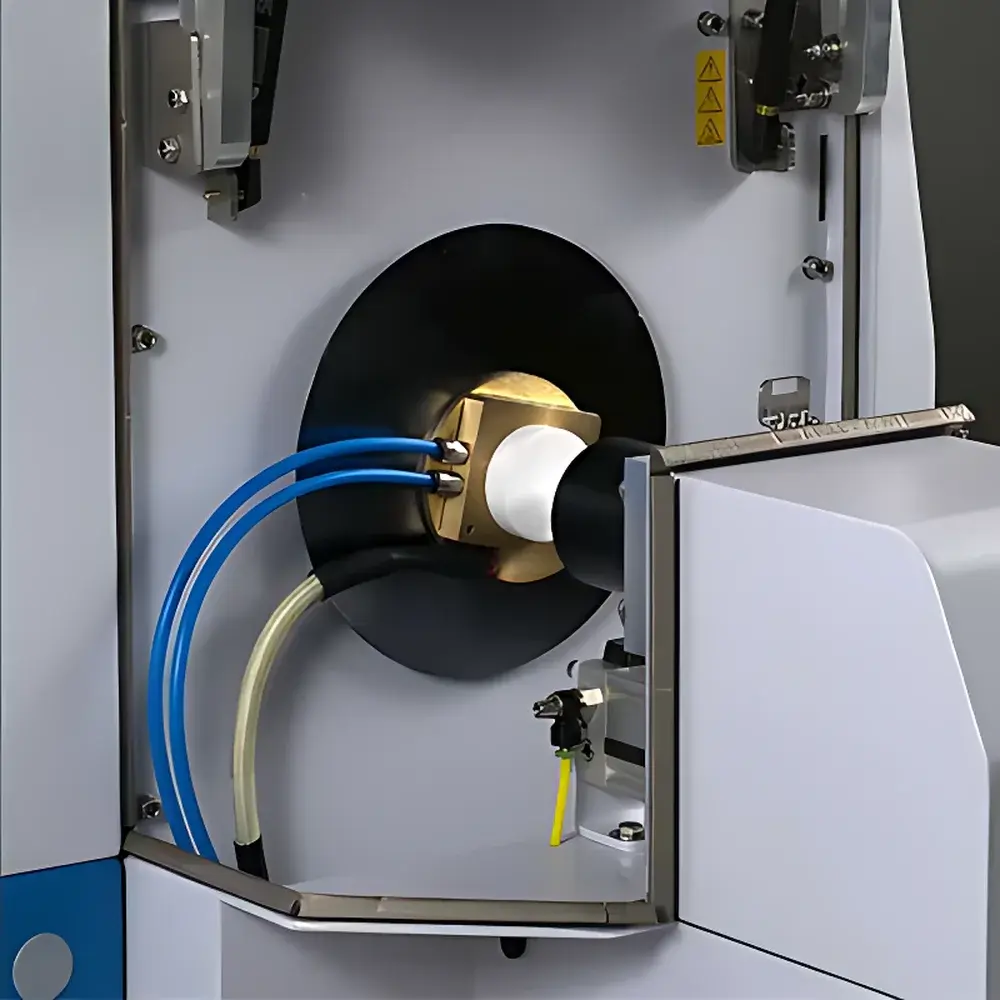
The HORIBA GD Profiler 2 is a high-performance radio-frequency (RF) glow discharge optical emission spectrometer (GD-OES) engineered for depth-resolved elemental analysis of conductive and non-conductive thin films, multilayer coatings, and surface-treated materials. Operating on the principle of low-pressure RF glow discharge plasma sputtering, the instrument generates a stable argon plasma in a controlled vacuum chamber (~1–10 Pa). Under RF excitation, Ar+ ions are accelerated toward the sample surface (acting as cathode), inducing controlled atomic sputtering. Sputtered atoms diffuse into the plasma region, where they undergo electron-impact excitation and subsequent radiative decay—emitting characteristic UV-Vis photons detected by the optical system. This enables quantitative, high-resolution depth profiling with nanometer-scale depth resolution (2–10 nm/s sputter rate), preserving interfacial integrity and minimizing thermal damage—especially critical for thermally sensitive or poorly conducting substrates such as polymers, oxides, nitrides, and ceramic-coated semiconductors.
Key Features
- RF-powered glow discharge source with pulsed and continuous modes—enabling robust analysis of insulating layers (e.g., Al2O3, SiO2, DLC) without conductive coating or charge compensation.
- High Dynamic Detector (HDD) with >1010 linear dynamic range—capable of quantifying elements from trace levels (sub-ppm) to bulk concentrations (100 wt%) in a single acquisition.
- Polyscan multi-channel spectrometer covering full spectral range from 110 nm to 800 nm—enabling simultaneous detection of light elements including H, C, N, O, F, Cl, and all metals across the periodic table.
- Holographic ion-etched concave grating optimized for maximum photon throughput—delivering superior signal-to-noise ratio and long-term photometric stability.
- Flat-profile RF plasma beam with short plasma stabilization time (<5 s)—ensuring reproducible sputtering geometry and minimal surface distortion for accurate depth calibration.
- Large-volume sample chamber accommodating irregular, oversized, or multi-sample holders—compatible with standard 50 mm diameter discs, wafers up to 200 mm, and custom fixtures.
- Optional monochromator module enabling “n+1” flexible channel configuration—allowing real-time monitoring of an additional element outside the fixed Polyscan channels without hardware reconfiguration.
Sample Compatibility & Compliance
The GD Profiler 2 supports direct analysis of electrically insulating and semi-conducting materials—including anodized aluminum, PVD/CVD-deposited dielectrics, polymer-based barrier films, lithium-ion battery cathode/anode stacks, and nuclear-grade zirconium cladding. Its RF excitation eliminates the need for matrix-matched standards in many cases, supporting relative sensitivity factor (RSF)-based quantification validated against certified reference materials (CRMs). The system complies with ISO 14707:2009 (metallic coatings — glow discharge optical emission spectrometry) and ISO 16962:2015 (analysis of surface layers by GD-OES), and is routinely employed in laboratories operating under GLP and GMP frameworks. Full audit trails, electronic signatures, and data integrity controls align with FDA 21 CFR Part 11 requirements when configured with compliant Quantum software settings.
Software & Data Management
Quantum software provides comprehensive instrument control, real-time spectrum visualization, depth profile reconstruction, layer boundary identification, and automated report generation (PDF, CSV, XML, Excel). It includes built-in calibration wizards for RSF derivation, matrix correction algorithms (e.g., ionization interference correction), and customizable quantification templates aligned with industry-specific protocols (e.g., ASTM E2777 for coated steels). All raw spectra, sputter parameters, and processing history are stored in a secure, timestamped database with version-controlled metadata—supporting full traceability from acquisition to final report.
Applications
- Metallurgy: Quantitative depth profiling of galvanized, aluminized, and zinc-nickel alloy coatings on steel; interdiffusion analysis at metal/ceramic interfaces.
- Semiconductors & LEDs: Thickness and stoichiometry verification of epitaxial GaN, InGaN, and AlGaN layers; oxygen contamination mapping in gate dielectrics.
- Photovoltaics: Composition gradient analysis of CIGS, perovskite, and transparent conductive oxide (TCO) stacks (e.g., ITO/SnO2/ZnO).
- Battery R&D: Solid-electrolyte interphase (SEI) characterization on graphite anodes; Li distribution profiling across NMC cathode coatings.
- Optics & Nuclear: Depth-resolved impurity screening in fused silica optics; hydrogen ingress profiling in Zr-alloy fuel cladding tubes.
FAQ
Can the GD Profiler 2 analyze non-conductive samples without sputter coating?
Yes—its RF glow discharge source enables direct, charge-neutral analysis of insulators such as glass, ceramics, and polymers.
What is the typical depth resolution achievable with this system?
Depth resolution ranges from 2 nm/s to 10 nm/s depending on material sputter yield and RF power settings—optimized via calibration with certified layered standards.
Does the instrument support light element detection (e.g., H, C, N, O)?
Yes—the vacuum UV-capable optical path (down to 110 nm) and high-efficiency grating enable reliable detection and quantification of these elements using appropriate emission lines.
Is compliance with ISO 14707 and ISO 16962 verified through third-party documentation?
Yes—HORIBA provides application notes, validation reports, and measurement uncertainty assessments aligned with both standards upon request.
Can depth profiles be exported for integration into external modeling tools (e.g., MATLAB, Python)?
Yes—Quantum software supports export of calibrated depth-concentration data in ASCII, CSV, and HDF5 formats with full metadata embedding.
Related Products






