
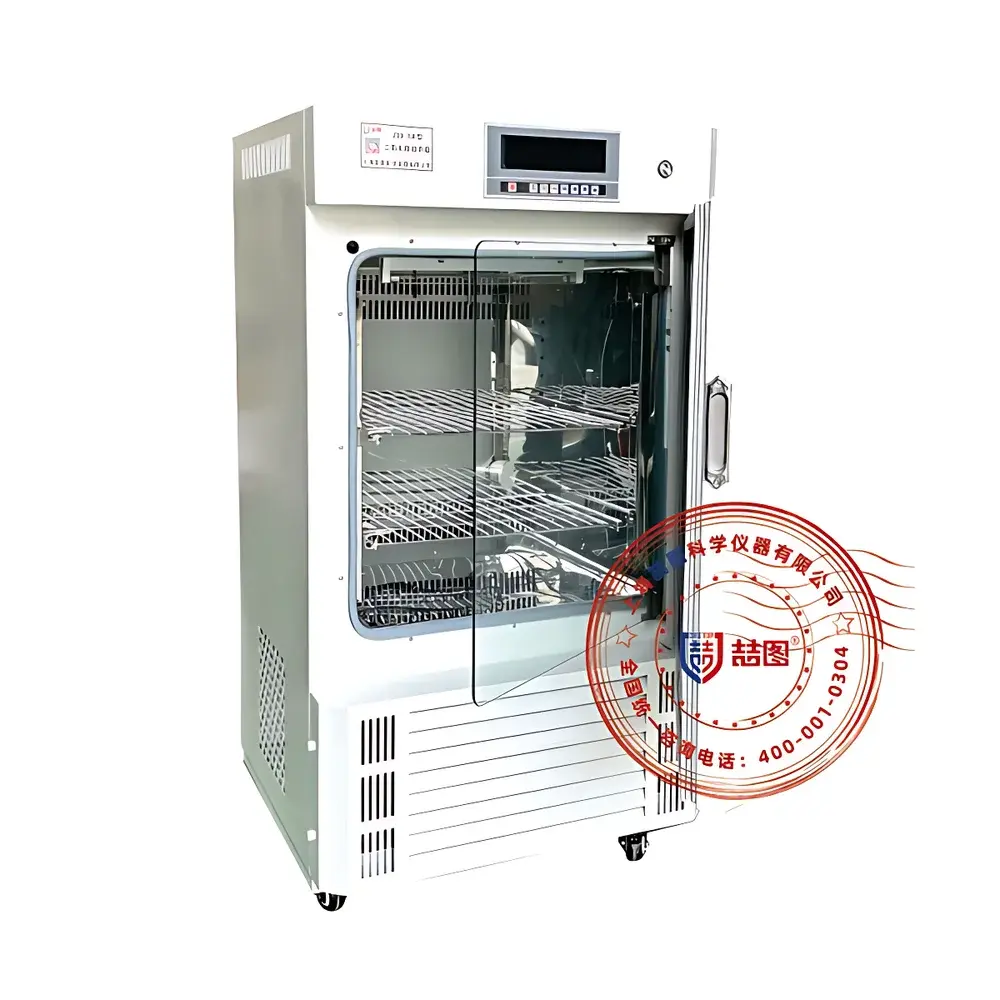
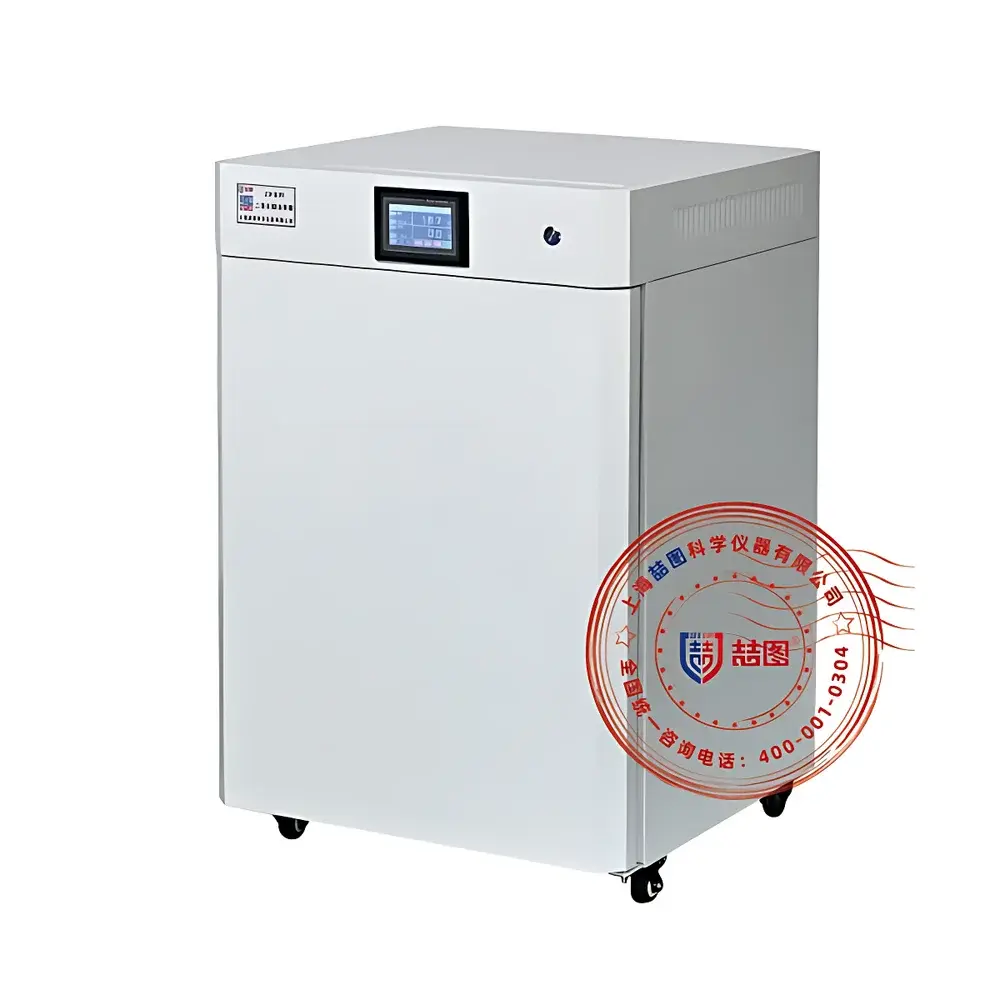
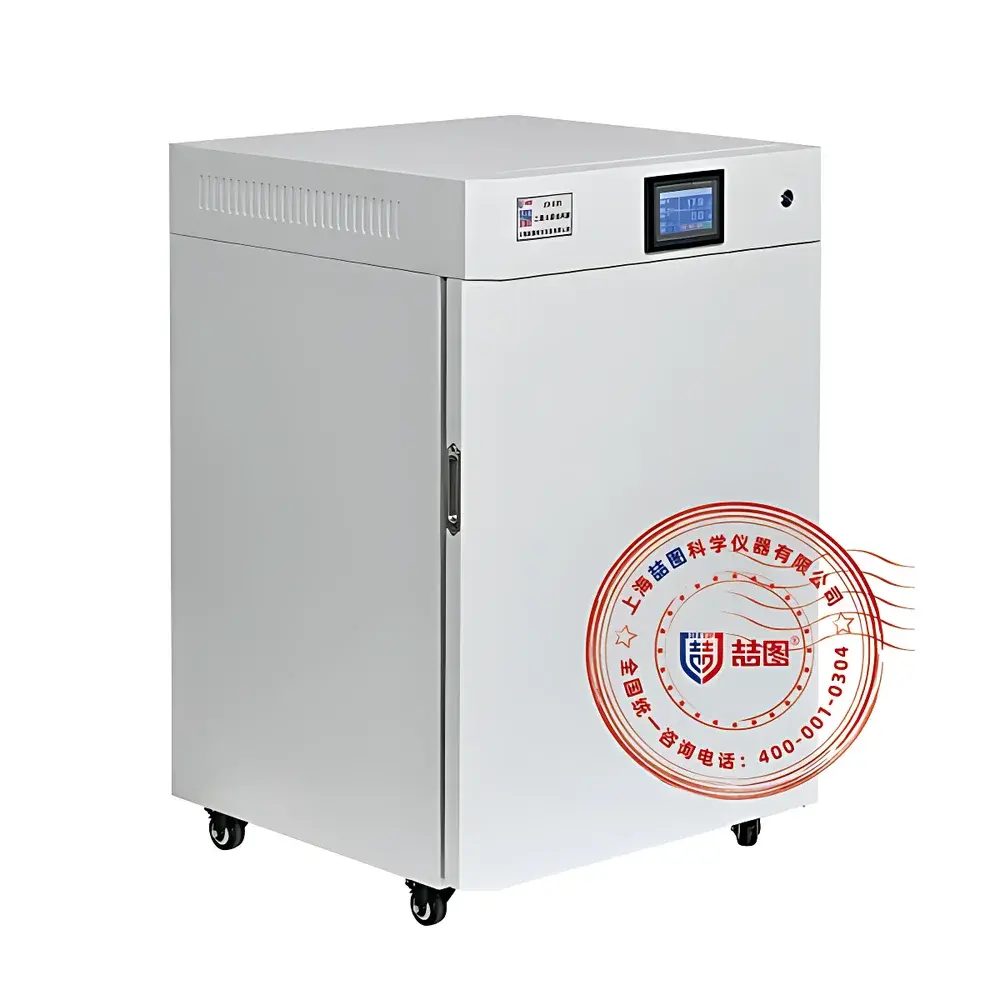
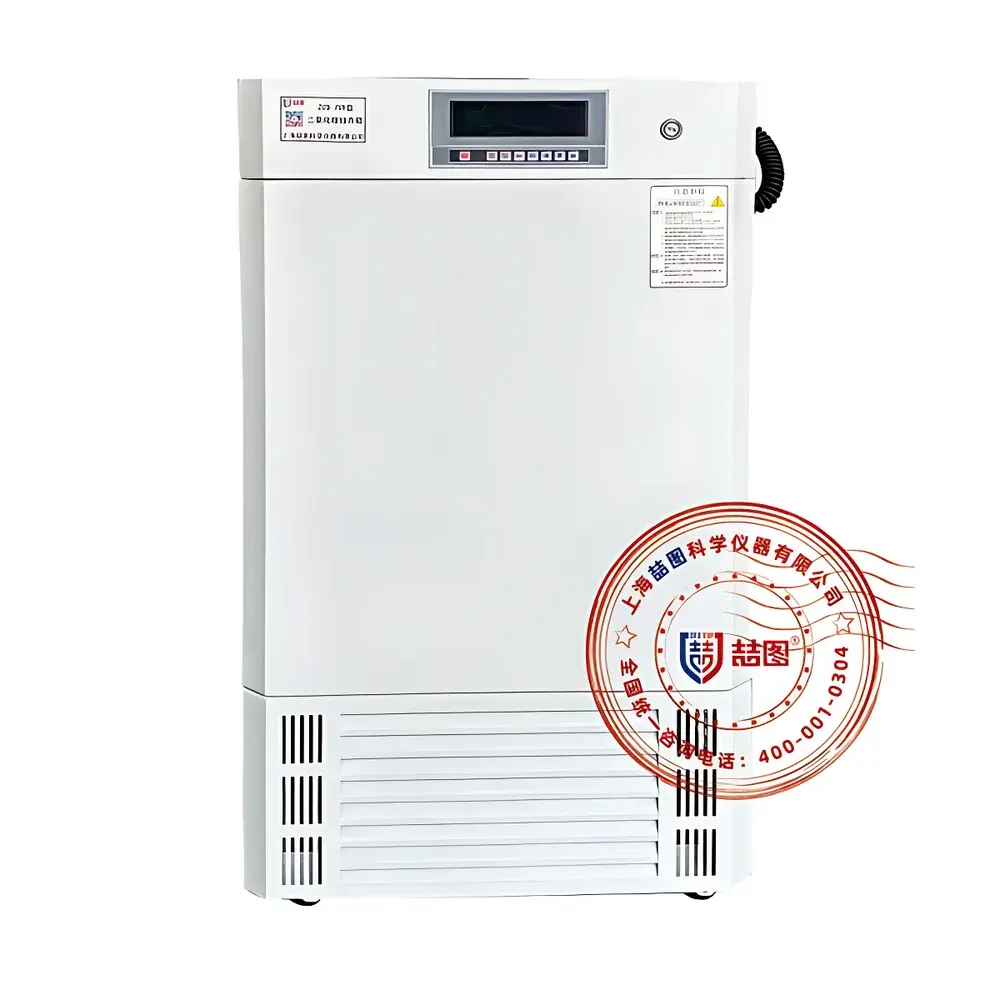
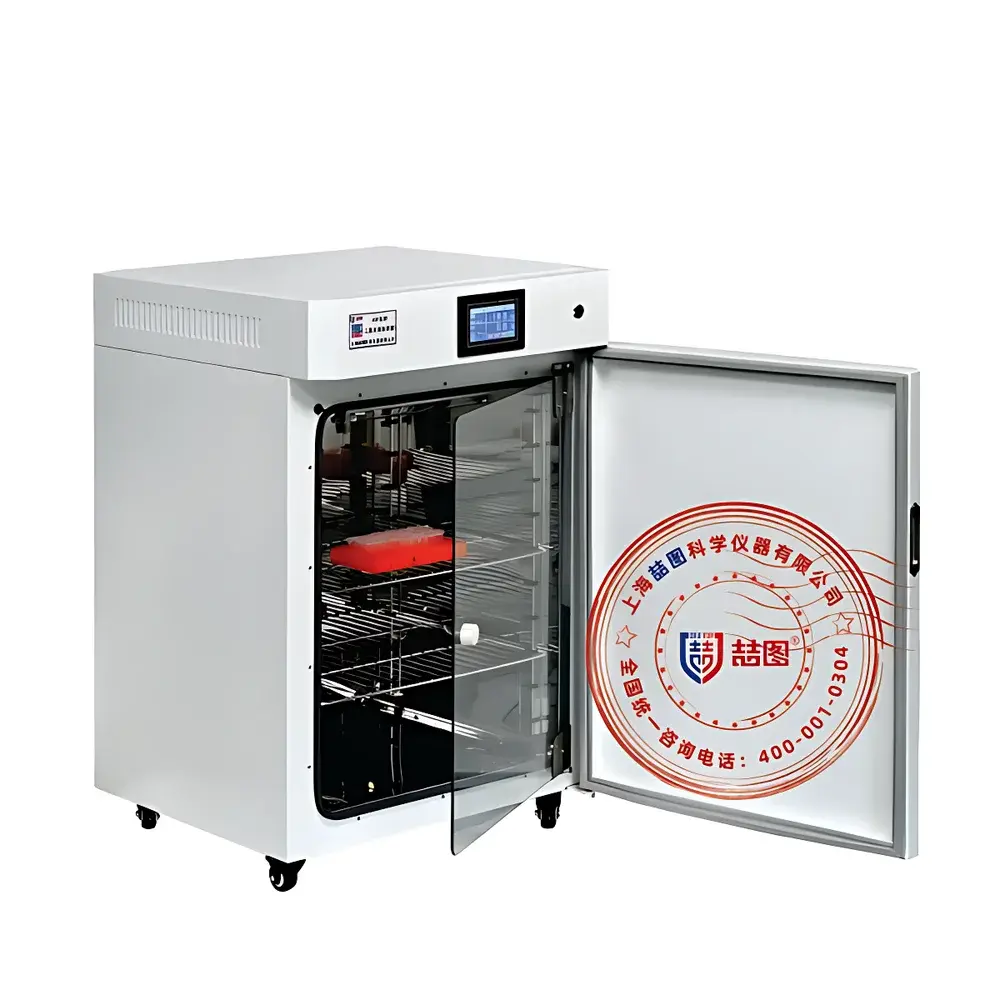
DRETOP ZCQ-160T Gas-Jacketed CO₂ Incubator
| Brand | DRETOP |
|---|---|
| Origin | Shanghai, China |
| Manufacturer Type | Direct Manufacturer |
| Instrument Type | Gas-Jacketed CO₂ Incubator |
| CO₂ Detection | Infrared (IR) Sensor |
| Temperature Control Range & Accuracy | RT+5°C to 60°C |
| Temperature Uniformity | ±1°C |
| CO₂ Concentration Control Range & Accuracy | 0–20% vol, ±0.1% vol |
| Humidity Control | 95% RH ±3% RH (Natural Evaporation) |
| Chamber Capacity | 160 L |
| External Dimensions (W×D×H) | 500 × 500 × 650 mm |
| Standard Configuration | UV Germicidal Lamp (Optional 90°C High-Temperature Humid Heat Sterilization) |
Overview
The DRETOP ZCQ-160T is a precision-engineered gas-jacketed CO₂ incubator designed for reliable, long-term mammalian cell culture under tightly controlled physiological conditions. It maintains three critical environmental parameters—temperature, CO₂ concentration, and relative humidity—at biologically relevant setpoints (e.g., 37°C, 5% CO₂, 95% RH) using independent, closed-loop control systems. Unlike water-jacketed models, the gas-jacketed architecture employs electrically heated air channels surrounding the chamber, enabling rapid thermal recovery after door openings—a key advantage in high-throughput labs where frequent access is required. The system operates on the principle of proportional-integral-derivative (PID) feedback control for temperature and IR-based real-time CO₂ monitoring with automatic solenoid valve modulation. Its design adheres to fundamental biosafety and experimental reproducibility requirements for applications governed by ISO 13485, GLP, and FDA 21 CFR Part 11–compliant workflows.
Key Features
- Gas-jacketed heating system with fast thermal recovery: ≤6 minutes to re-stabilize at 37°C after a 30-second door opening.
- Infrared (IR) CO₂ sensor with ±0.1% vol accuracy, zero-point auto-calibration, and temperature/humidity compensation—ensuring stable readings independent of ambient fluctuations or frequent door cycling.
- High-efficiency particulate air (HEPA) filter (≥0.3 µm, 99.998% efficiency) integrated into the intake path to maintain sterile internal air quality.
- Reservoir-style stainless steel humidification pan with large evaporation surface area; achieves ≥95% RH with ±3% RH uniformity and rapid humidity recovery post-door-opening.
- Mirror-finish 304 stainless steel interior with seamless, radius-cornered construction for ease of cleaning, corrosion resistance, and microbial containment.
- Anti-tilt adjustable shelving: shelves remain level even when extended halfway, preventing media spillage during handling.
- Dual-stage safety architecture including over-temperature/under-temperature alarms, door-open alerts, and programmable alarm thresholds—fully configurable via the front-panel interface.
- UV germicidal lamp (254 nm, ozone-free) for periodic decontamination of internal surfaces and circulating air; optional 90°C humid heat sterilization cycle for sporicidal validation (ISO 14644-1 Class 5 compatible).
Sample Compatibility & Compliance
The ZCQ-160T supports standard T-25, T-75, and multi-well plates, as well as roller bottles and specialized culture vessels used in stem cell expansion, hybridoma production, IVF embryo culture, and 3D organoid systems. Its chamber geometry (500 × 500 × 650 mm external; ~160 L usable volume) accommodates up to four full-size, independently adjustable stainless steel shelves. All materials in contact with the chamber environment meet USP Class VI biocompatibility standards. The incubator complies with IEC 61010-1 (Safety Requirements for Electrical Equipment for Measurement, Control, and Laboratory Use) and EMC Directive 2014/30/EU. Optional RS485 serial interface enables integration into centralized lab monitoring systems compliant with ASTM E2500 and Annex 11 (EU GMP) data integrity expectations.
Software & Data Management
The ZCQ-160T features an embedded microprocessor-based controller with a backlit LCD display (T-series models include color touchscreen). It supports multiple operational modes: constant setpoint, day/night cycling, and multi-step programmable profiles—including ramp-hold sequences for temperature or CO₂ transitions. All parameter changes, alarm events, and door-open durations are timestamped and stored locally with ≥30 days of event log capacity. Optional data export via RS485 enables connection to LIMS or SCADA platforms. Audit trail functionality—including user ID logging, parameter modification history, and calibration records—is available upon request to support 21 CFR Part 11 compliance when paired with validated third-party software.
Applications
This incubator serves as a foundational platform for cell-based research requiring strict environmental fidelity. Key use cases include: monoclonal antibody production via hybridoma culture; human embryonic and induced pluripotent stem cell maintenance; primary neuron and cardiomyocyte differentiation studies; cytotoxicity and drug screening assays (e.g., IC₅₀ determination); exosome isolation from conditioned media; and co-culture models simulating tumor microenvironments. Its robust humidity control and IR-based CO₂ stability make it especially suitable for sensitive applications such as CRISPR-edited cell line expansion and low-passage primary tissue explants where phenotypic drift must be minimized.
FAQ
What is the difference between gas-jacketed and water-jacketed CO₂ incubators?
Gas-jacketed models heat the chamber via insulated air channels—offering faster temperature recovery and lower maintenance. Water-jacketed units rely on thermal mass of surrounding water, providing superior stability during power outages but requiring regular water level checks and descaling.
Does the ZCQ-160T support remote monitoring?
Yes—via optional RS485 interface, enabling integration with building management systems (BMS) or lab-wide environmental monitoring networks.
Is the IR CO₂ sensor calibrated at the factory?
Yes—each unit undergoes NIST-traceable calibration prior to shipment. Field recalibration is supported using certified 5% CO₂ reference gas and the built-in zero-point adjustment function.
Can the incubator operate continuously at 4°C for hypothermic cell storage?
No—the ZCQ-160T is not refrigerated; its minimum operating temperature is RT+5°C. For sub-ambient applications, consider DRETOP’s ZCQ-70R or ZCQ-150R low-temperature CO₂ incubator variants.
How often should the HEPA filter be replaced?
Under typical lab use (8 hrs/day, 5 days/week), replacement is recommended every 6–12 months—or sooner if airflow rate drops below specification, as indicated by reduced humidity recovery performance.



