
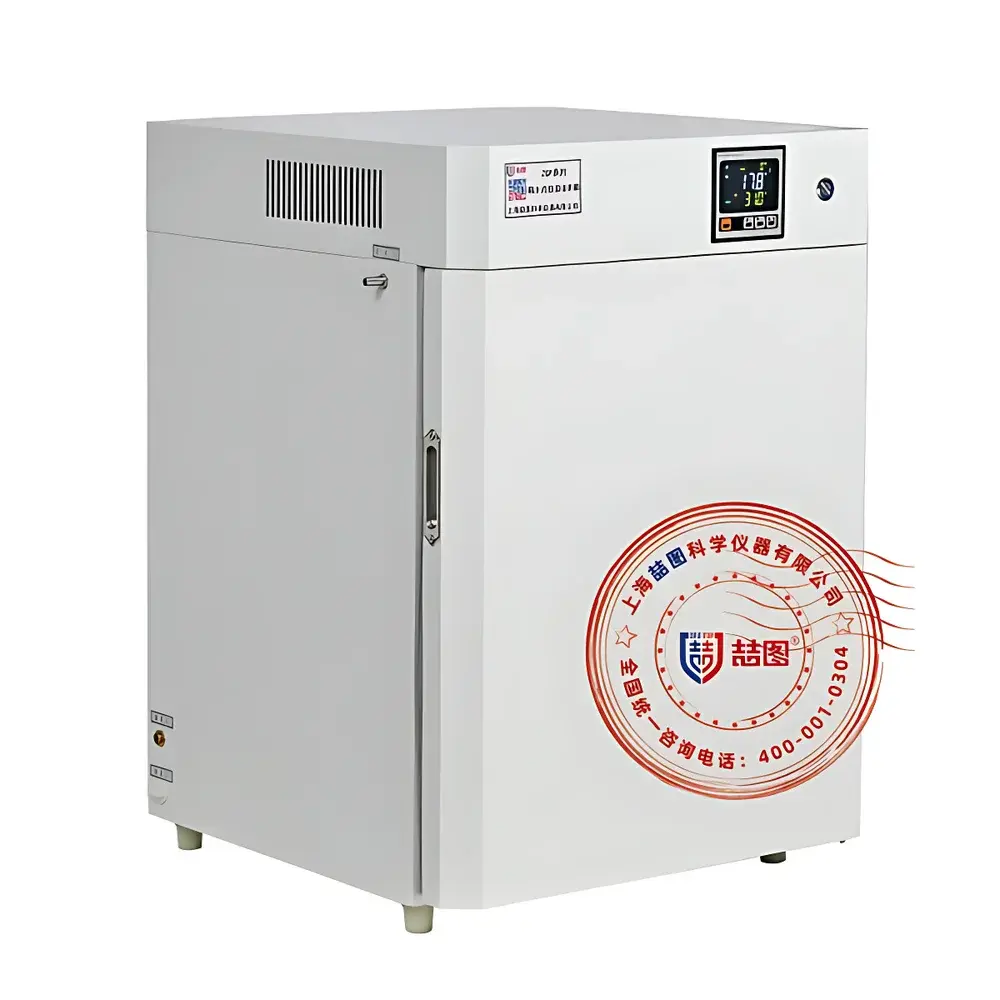
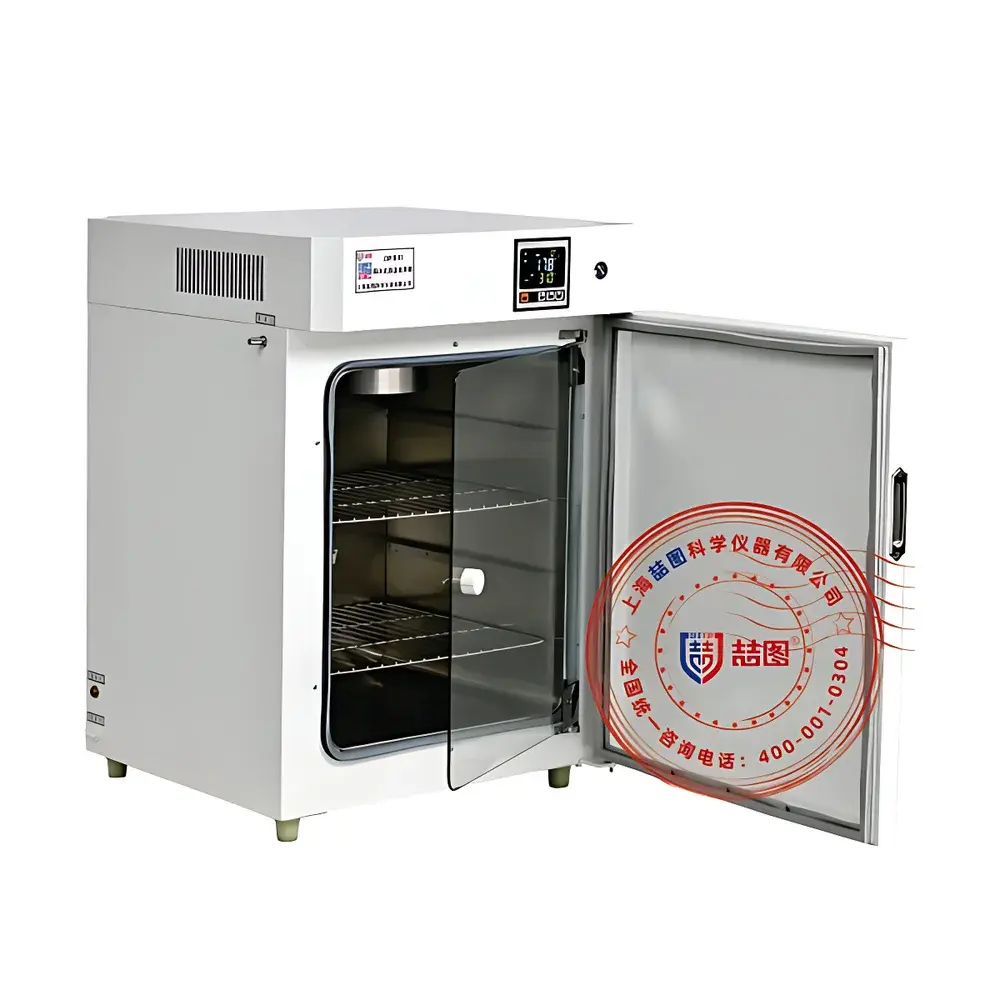
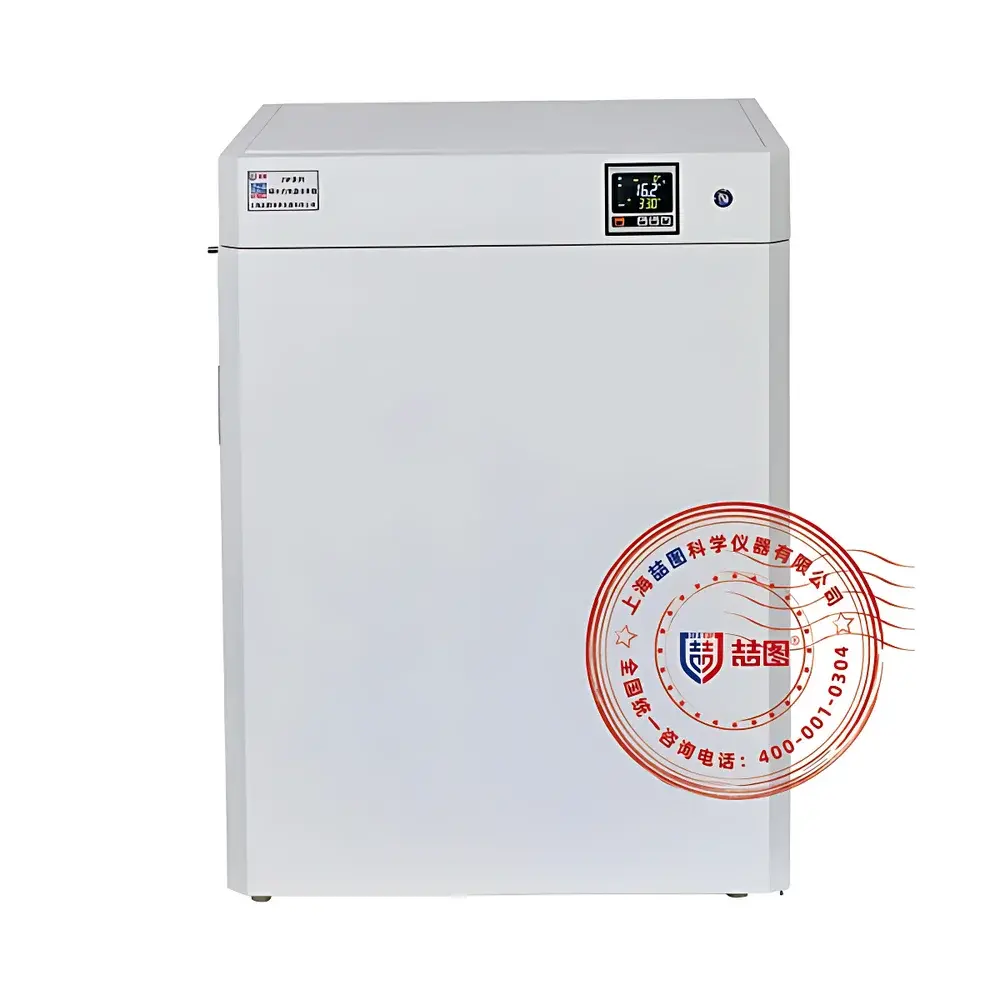
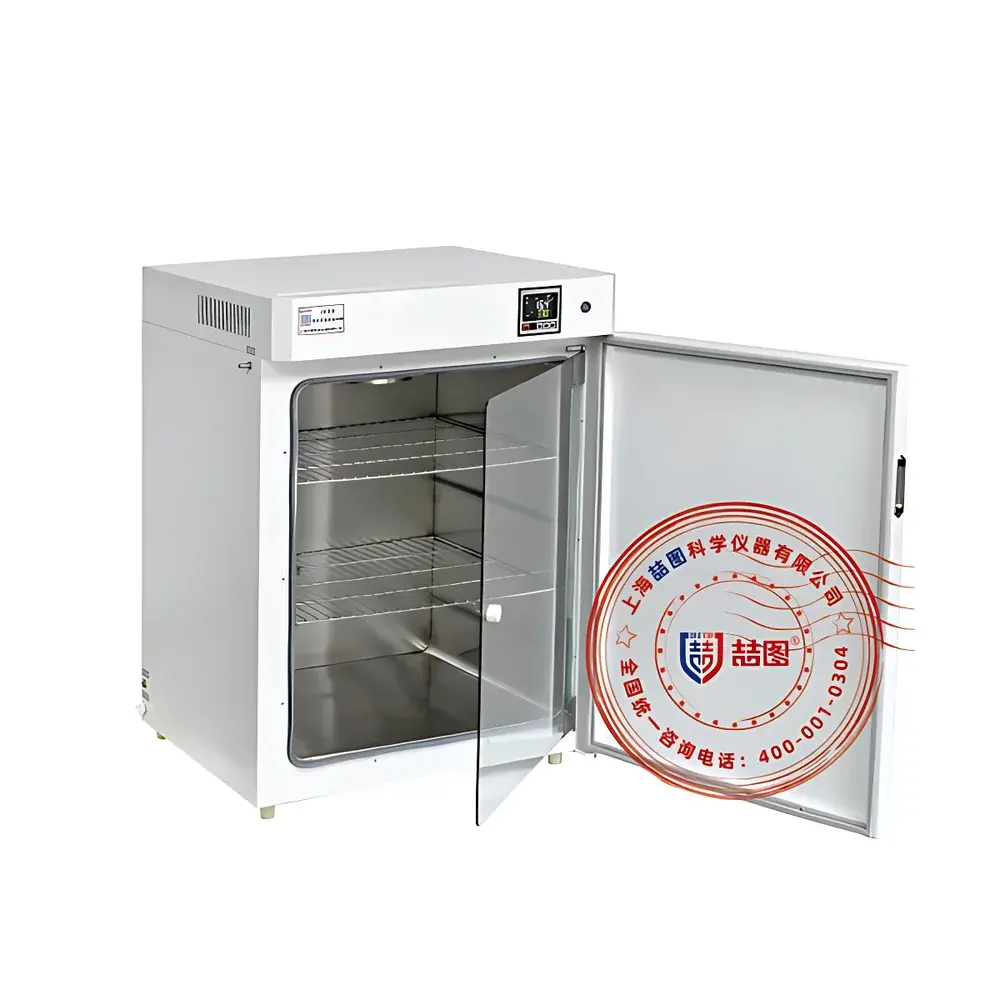
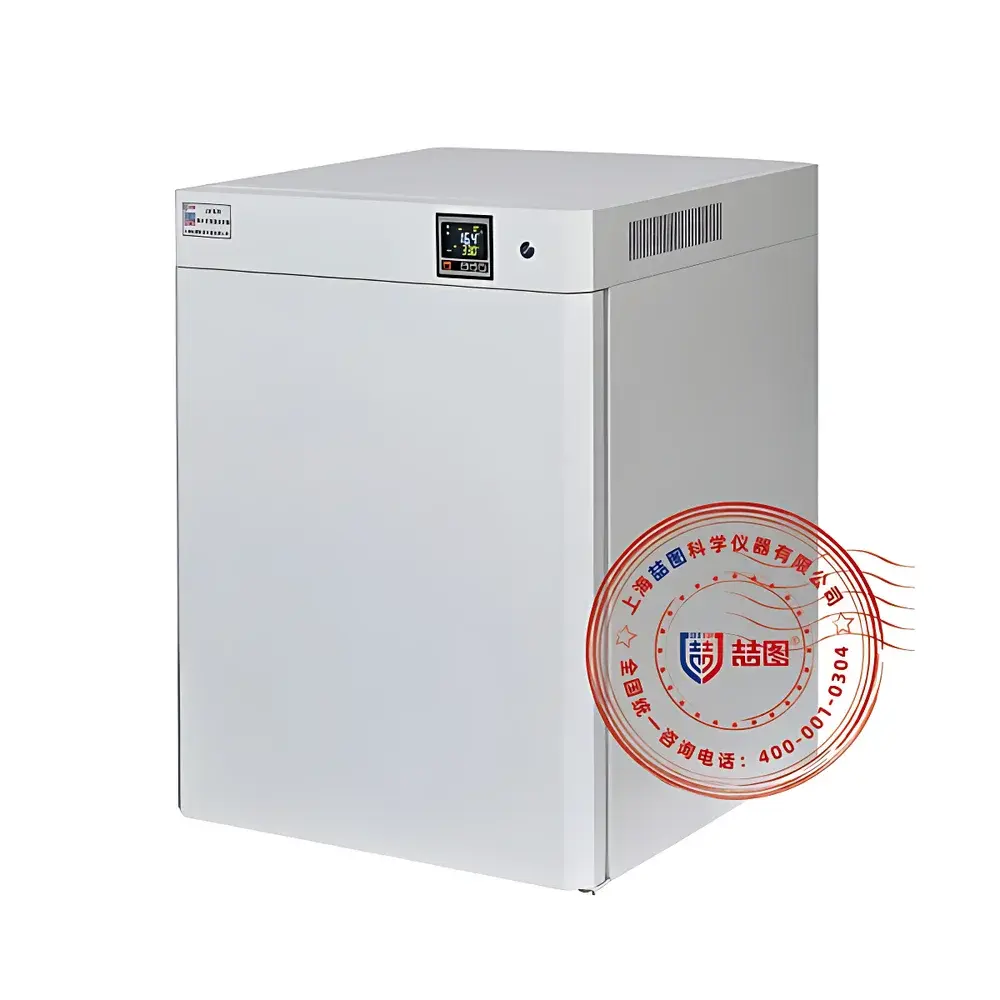
DRETOP ZGP-9270 Water-Jacketed Constant Temperature Incubator
| Brand | DRETOP |
|---|---|
| Origin | Shanghai, China |
| Manufacturer Type | Direct Manufacturer |
| Product Category | Domestic |
| Model | ZGP-9270 |
| Price Range | USD 1,400–2,800 |
| Air Circulation | Natural Convection |
| Control Method | Digital PID Temperature Control |
| Temperature Range | RT + 2°C to 65°C |
| Temperature Control Accuracy | ±0.3°C |
| Temperature Uniformity | ±0.5°C (empty chamber @ 37°C) |
| Temperature Fluctuation | ±0.2°C |
| Chamber Capacity | 270 L |
| External Dimensions (W×D×H) | 775 × 765 × 1050 mm |
| Internal Dimensions (W×D×H) | 600 × 600 × 750 mm |
| Heating Power | 1350 W |
| Temperature Resolution | 0.1°C |
| Timer Range | 1–9999 min |
| Standard Shelf Quantity | 2 adjustable stainless steel shelves |
Overview
The DRETOP ZGP-9270 Water-Jacketed Constant Temperature Incubator is an engineered solution for laboratories requiring high-stability thermal environments for sensitive biological processes. Unlike forced-air incubators, this model employs a water-jacketed heating architecture—where a sealed outer chamber filled with deionized water surrounds the inner working chamber. Heat is transferred via conduction and natural convection through the water layer, resulting in exceptional thermal inertia, minimal temperature overshoot, and sustained uniformity during power interruptions. This principle aligns with ISO 13408-1 (sterile processing of medical devices) and supports GLP-compliant microbial growth studies, cell culture maintenance, and long-duration fermentation trials where thermal stability directly impacts reproducibility and viability.
Key Features
- Water-jacketed thermal mass design: Integrated water reservoir with overflow protection, inlet/outlet ports, and embedded PTC heating elements ensures stable heat distribution and >30-minute thermal holdover after power loss.
- Digital PID temperature controller: High-resolution (0.1°C) display with real-time setpoint tracking, auto-tuning capability, and programmable ramp/soak profiles for multi-stage incubation protocols.
- Stainless steel interior: 304-grade electropolished chamber with removable, height-adjustable shelves; seamless corners and smooth welds minimize microbial retention and simplify autoclave-compatible cleaning.
- Double-glazed observation window: Inner tempered glass door with magnetic gasket seal and outer insulated acrylic panel reduce radiant heat loss while maintaining visual access without opening the chamber.
- Intelligent safety systems: Independent over-temperature cutoff (adjustable up to 70°C), parameter memory with automatic recovery post-power failure, and audible/visual alarm activation upon deviation exceeding user-defined thresholds.
- Natural convection airflow: Optimized internal cavity geometry and passive air pathways eliminate fan-induced vibration and desiccation—critical for non-agitated suspension cultures and embryology applications.
Sample Compatibility & Compliance
The ZGP-9270 accommodates standard microbiological vessels—including Petri dishes (up to 150 mm), test tubes (16 × 150 mm), flasks (up to 2 L), and multi-well plates—without compromising spatial uniformity. Its static, non-turbulent environment prevents shear stress on adherent cell monolayers and minimizes condensation on culture vessel lids. The unit meets IEC 61010-1:2010 safety requirements for laboratory equipment and complies with ASTM E1241-15 (Standard Practice for Performance Verification of Incubators). Optional accessories—including RS485 communication interface, independent mechanical thermostat, and UV-C germicidal lamp module—enable integration into FDA 21 CFR Part 11–compliant workflows when paired with validated data logging software.
Software & Data Management
While the base configuration operates via front-panel controls, optional digital upgrades support enhanced traceability: the RS485 port enables Modbus RTU communication with SCADA or LIMS platforms for remote monitoring and audit-ready event logging. When equipped with the optional color touchscreen controller, users gain access to time-stamped temperature history graphs, alarm logs with timestamped cause codes, and exportable CSV files compatible with Excel or statistical analysis tools. All firmware versions maintain full GLP audit trail functionality—including operator ID tagging, parameter change logging, and electronic signature prompts for critical setting modifications.
Applications
- Maintenance of mammalian and insect cell lines under non-CO₂ conditions (e.g., HEK293, Sf9, CHO-K1)
- Bacterial and fungal cultivation per CLSI M07-A10 standards for antimicrobial susceptibility testing
- Enzyme activity assays requiring strict thermal consistency across multi-hour kinetics runs
- Seed germination and plant tissue culture in agricultural biotechnology labs
- Stability testing of diagnostic reagents and vaccine intermediates per ICH Q5C guidelines
- Long-term storage of cryopreserved samples awaiting thawing and expansion
FAQ
What is the purpose of the water jacket in this incubator?
The water jacket provides thermal mass and insulation by surrounding the inner chamber with a controlled volume of heated water—reducing external ambient influence and improving temperature stability during fluctuations or brief outages.
Can the ZGP-9270 be used for CO₂-sensitive applications?
No—this is a non-CO₂, ambient-air incubator. It lacks gas regulation hardware and is intended for aerobic or microaerophilic cultures not requiring pH buffering via CO₂ enrichment.
How often should the water jacket be refilled or replaced?
Deionized water should be replenished every 3–6 months depending on evaporation rate; full replacement is recommended annually or if microbial growth or mineral deposits are observed.
Is the unit suitable for GMP-regulated environments?
Yes—when configured with optional validation-ready features (e.g., calibrated PT100 sensor, independent limit thermostat, electronic audit trail), it supports IQ/OQ/PQ documentation per Annex 15 of EU GMP guidelines.
Does the incubator support sterilization cycles?
The stainless steel chamber withstands routine chemical disinfection (e.g., 70% ethanol, hydrogen peroxide vapor); however, it is not designed for autoclaving or dry-heat sterilization of the entire unit.




