
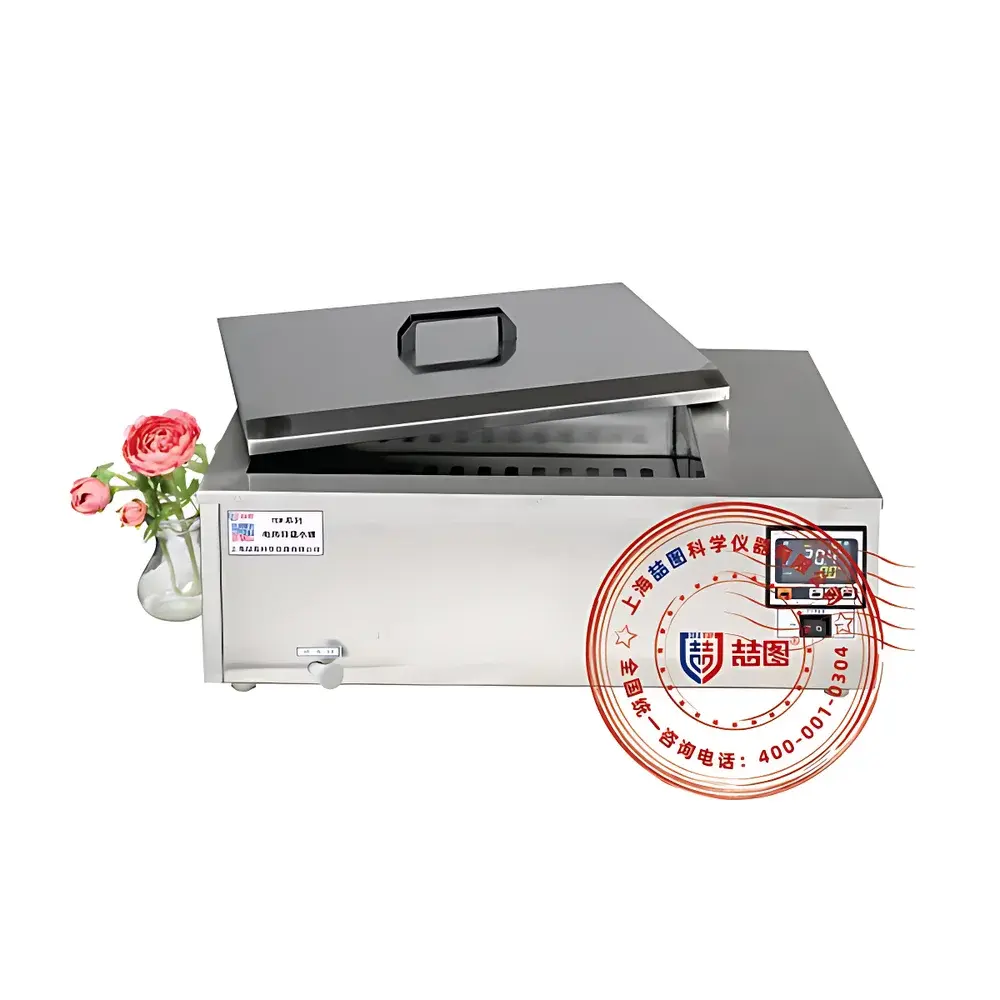
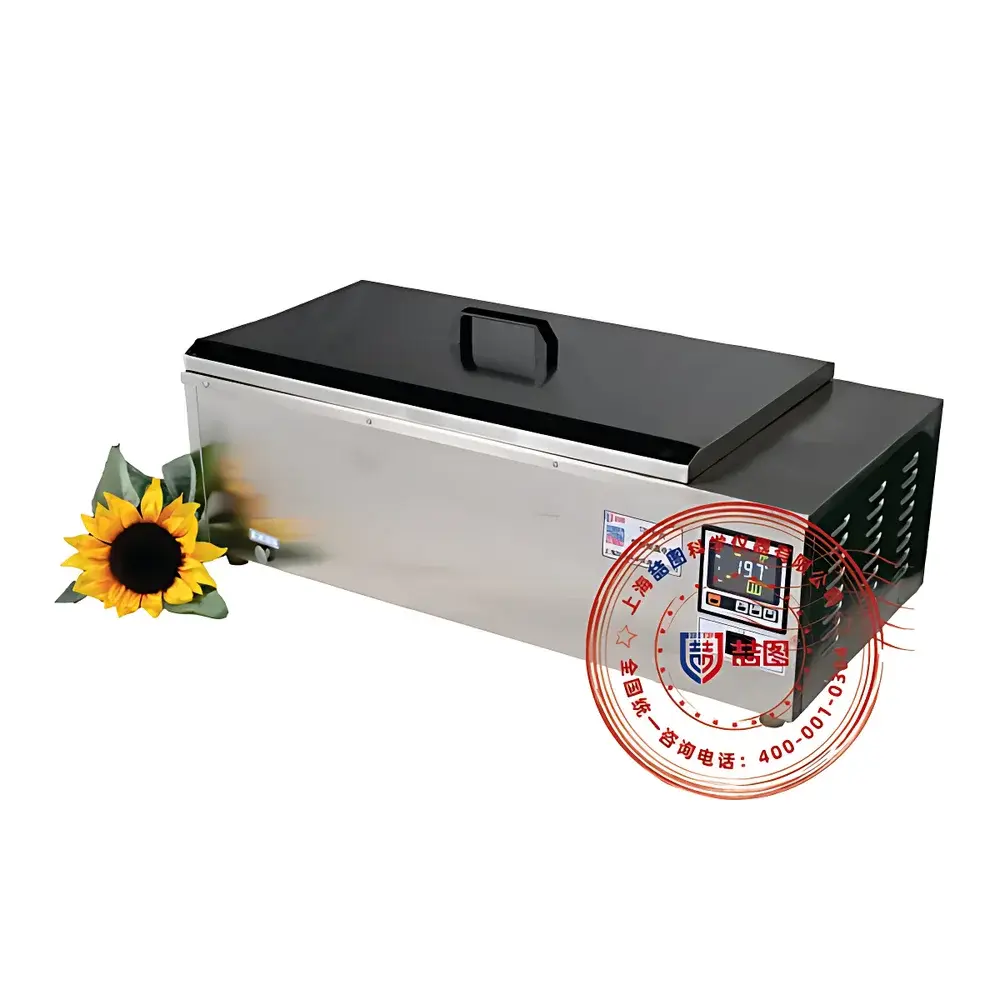
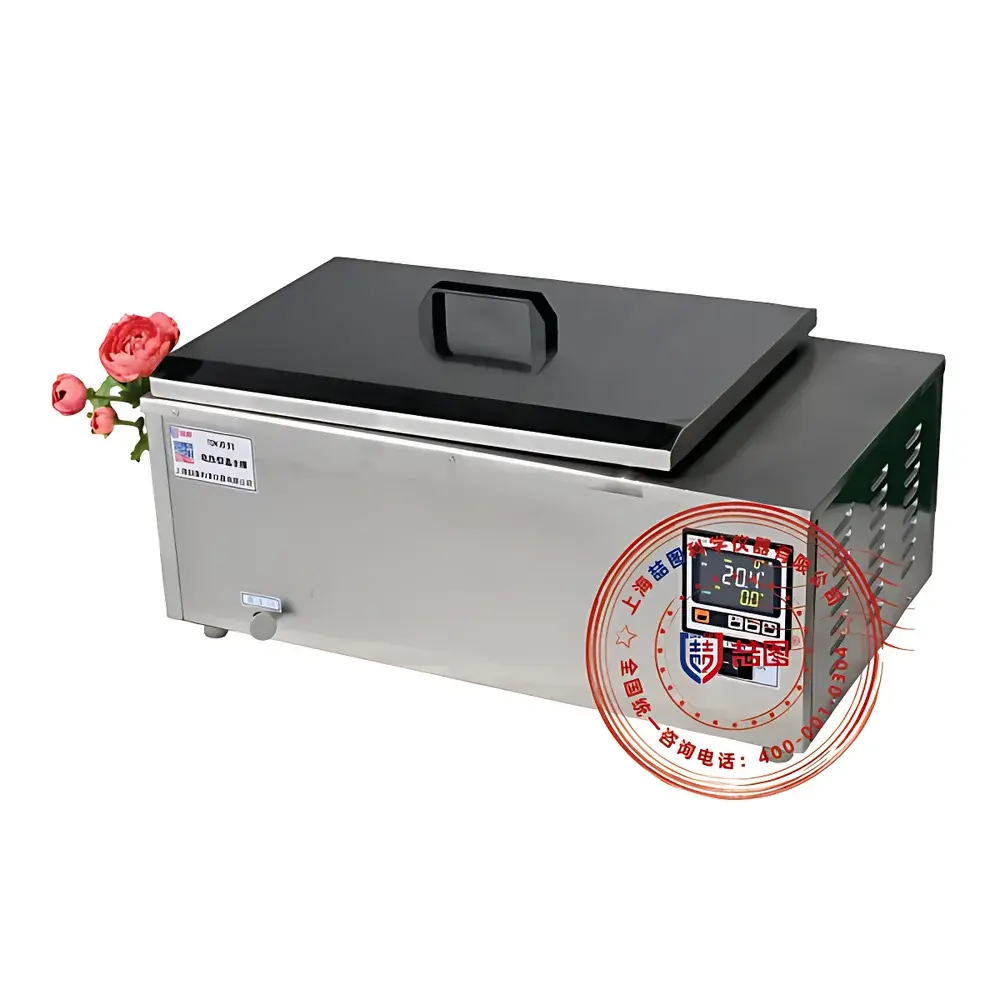
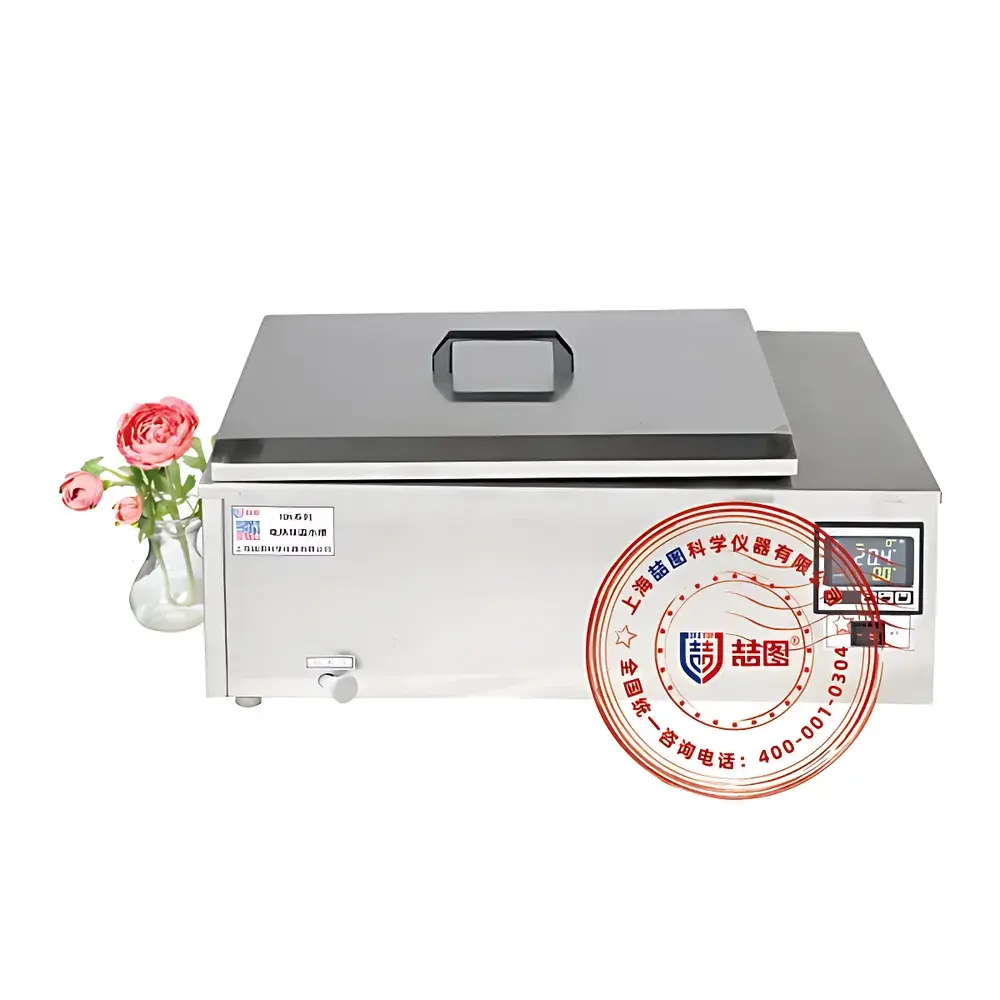
DRETOP TDK-B30 Electrically Heated Constant Temperature Water Bath
| Brand | DRETOP |
|---|---|
| Origin | Shanghai, China |
| Manufacturer Type | Direct Manufacturer |
| Country of Origin | China |
| Model | TDK-B30 |
| Instrument Type | Immersion Constant-Temperature Bath |
| Circulation Function | Non-Circulating |
| Temperature Control | Heating-Only |
| Bath Volume | 30 L |
| Temperature Range | RT + 5 °C to 65 °C |
| Temperature Stability | ±0.2 °C |
| Temperature Resolution | 0.1 °C |
| Input Power | 1550 W |
| Supply Voltage | AC 220 V, 50 Hz |
Overview
The DRETOP TDK-B30 Electrically Heated Constant Temperature Water Bath is a precision-engineered immersion thermal platform designed for stable, uniform heating of samples in laboratory environments. It operates on resistive heating principles, utilizing a fully submerged, enclosed heating element to directly transfer thermal energy into the bath medium—typically deionized or distilled water. Unlike circulating baths, the TDK-B30 relies on natural convection and optimized internal geometry (including laser-cut, perforated 304 stainless steel lining) to promote thermal homogeneity across its 30 L working volume. Its temperature control architecture centers on a microprocessor-based PID controller with auto-tuning capability, enabling rapid stabilization and minimal overshoot within the operational range of ambient +5 °C to 65 °C. This makes it suitable for applications requiring passive thermal maintenance rather than active fluid transport—such as incubation of biological reagents, solvent pre-warming prior to extraction, controlled evaporation studies, or auxiliary heating of jacketed reactors where external circulation is managed separately.
Key Features
- Microprocessor-controlled PID temperature regulation with auto-tuning algorithm for enhanced stability and repeatability
- High-contrast LED digital display with 0.1 °C resolution and user-accessible timer function (1–9999 min)
- 304 stainless steel inner tank and lid—corrosion-resistant, non-reactive, and compliant with GLP cleaning protocols
- Multi-layer insulated chamber design minimizes heat loss and prevents external condensation or leakage
- Integrated dry-run protection via water-level sensor; automatic heater shutdown and audible alarm upon low-fluid condition
- Over-temperature safety cutoff with deviation alarm: activates if measured temperature exceeds setpoint by >0.5 °C
- Electrostatically coated steel exterior ensures mechanical durability and chemical resistance in shared lab spaces
- One-touch drain valve enables rapid, spill-free medium replacement without disassembly
Sample Compatibility & Compliance
The TDK-B30 accommodates standard laboratory glassware—including beakers, flasks, test tubes, and reaction vessels—up to 250 mm in height. Its open-bath configuration supports direct immersion of temperature probes, sensors, or sample holders. The unit complies with IEC 61010-1:2010 for electrical safety in laboratory equipment and meets CE marking requirements for electromagnetic compatibility (EMC Directive 2014/30/EU). While not intrinsically rated for hazardous location use, its sealed heating element and grounded chassis meet basic Class I insulation standards. For regulated environments (e.g., pharmaceutical QC labs), optional RS485 interface enables integration into audit-trail-capable data acquisition systems aligned with FDA 21 CFR Part 11 requirements when paired with validated software.
Software & Data Management
The base model operates via front-panel controls only; no embedded software or onboard data logging is included. However, the optional RS485 communication port (available as an add-on) supports Modbus RTU protocol for remote monitoring and setpoint adjustment using third-party SCADA or LIMS platforms. When integrated with compliant software, the system can generate time-stamped temperature logs with operator ID tagging, supporting traceability under ISO/IEC 17025 and GMP Annex 11 frameworks. The programmable timer function provides basic sequence control but does not support multi-segment ramp-soak profiles—those require the optional 30-step programmable controller (sold separately).
Applications
- Pre-heating solvents and reagents prior to chromatographic injection or titration
- Incubation of enzyme solutions, cell culture media, or antibody dilutions at defined sub-boiling temperatures
- Accelerated aging studies of polymers or coatings under controlled thermal stress
- Support heating for jacketed glass reactors during batch synthesis or crystallization trials
- Drying and concentration of aqueous extracts in environmental or food testing laboratories
- Calibration of liquid-in-glass thermometers and RTD probes against NIST-traceable references
- Thermal conditioning of reference standards prior to physical property measurement (e.g., viscosity, density)
FAQ
Is the TDK-B30 suitable for use with oil or organic solvents?
No. It is validated exclusively for aqueous media—preferably distilled or deionized water. Use of oils or flammable solvents poses fire hazard and voids warranty due to incompatible thermal expansion and flash point characteristics.
Does this model include a built-in refrigeration system?
No. The TDK-B30 is heating-only. For sub-ambient operation, DRETOP offers the R-series variants (e.g., TDK-24R), which integrate compressor-based cooling modules.
Can the unit maintain temperature during a power interruption?
Yes. It features non-volatile memory that retains setpoints and timer values after power loss. Upon restoration, the system resumes operation at the last configured parameters.
What maintenance is required to ensure long-term accuracy?
Monthly descaling with 5% citric acid solution is recommended when using tap water. With purified water, biannual inspection of the heating element surface and water-level sensor contact points suffices.
Is calibration documentation provided with shipment?
A factory calibration certificate (traceable to CNAS-accredited standards) is available upon request at order stage. On-site verification using a calibrated reference thermometer is advised per ISO/IEC 17025 Clause 6.5 prior to first use.



