
Anyan AYAN-AUTOM-12S Automated Nitrogen Evaporator
| Brand | Anyan Instruments |
|---|---|
| Origin | Zhejiang, China |
| Manufacturer Type | Authorized Distributor |
| Product Category | Domestic |
| Model | AYAN-AUTOM-12S |
| Heating Method | Water Bath |
| Temperature Range | Ambient to 100 °C |
| Temperature Uniformity | ±0.5 °C |
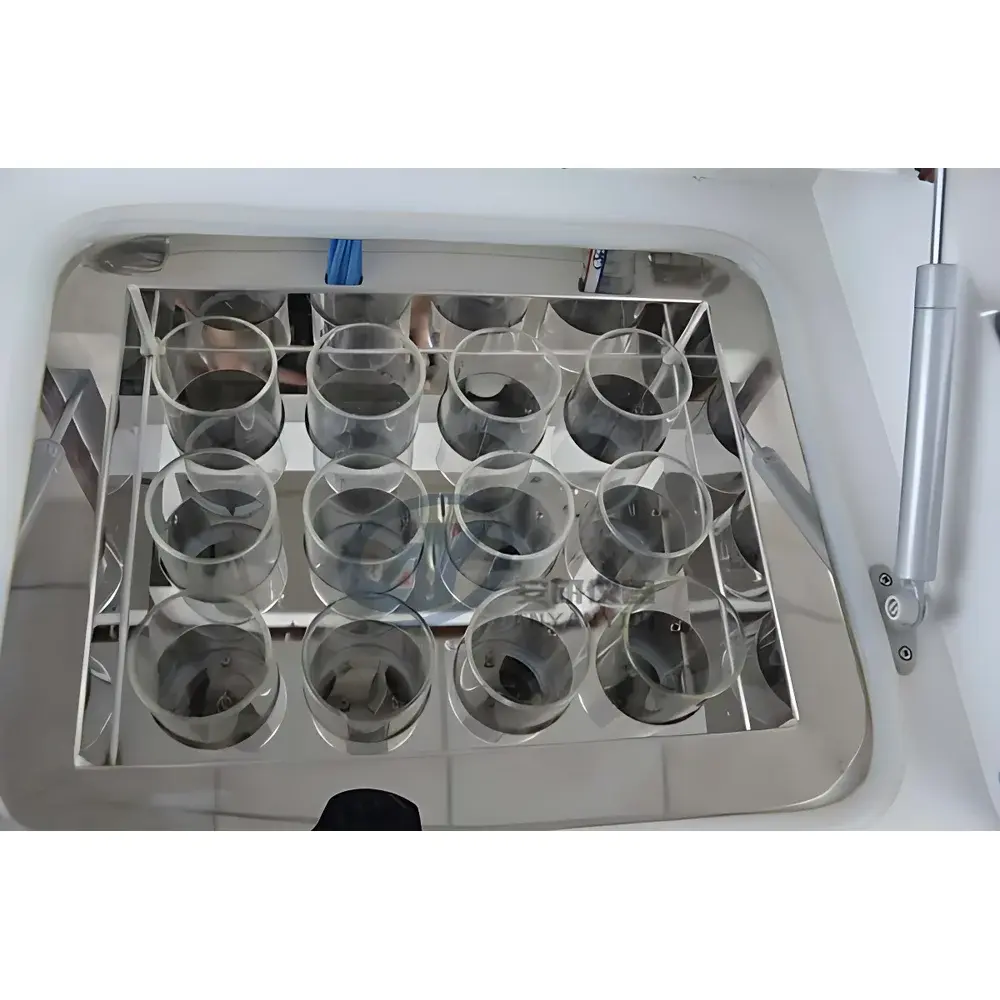
| Sample Vessel Capacity | 50 / 100 / 150 / 200 mL |
| Gas Flow Control | 0–999 mL/min (digital regulation) |
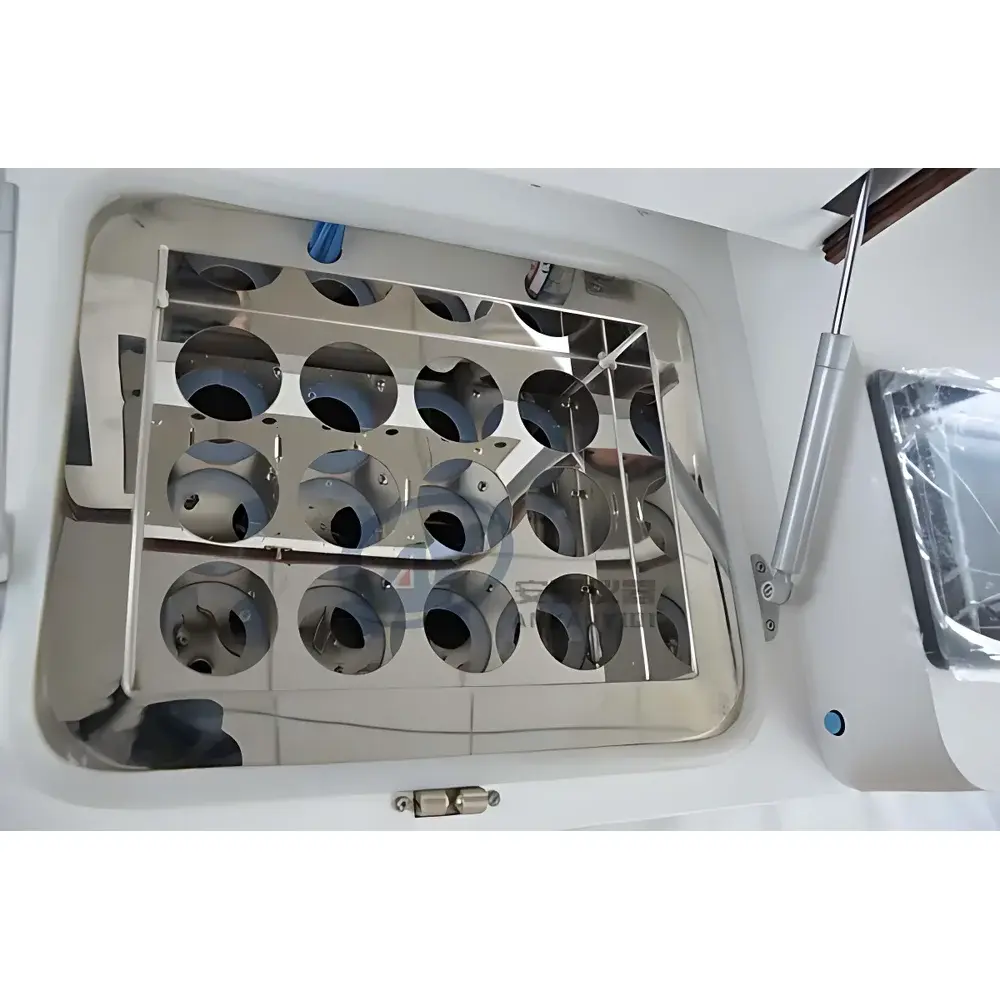
| Sample Positions | 12 |
| Heating Power | 1.2 kW (typical for dual-zone water bath) |
Overview
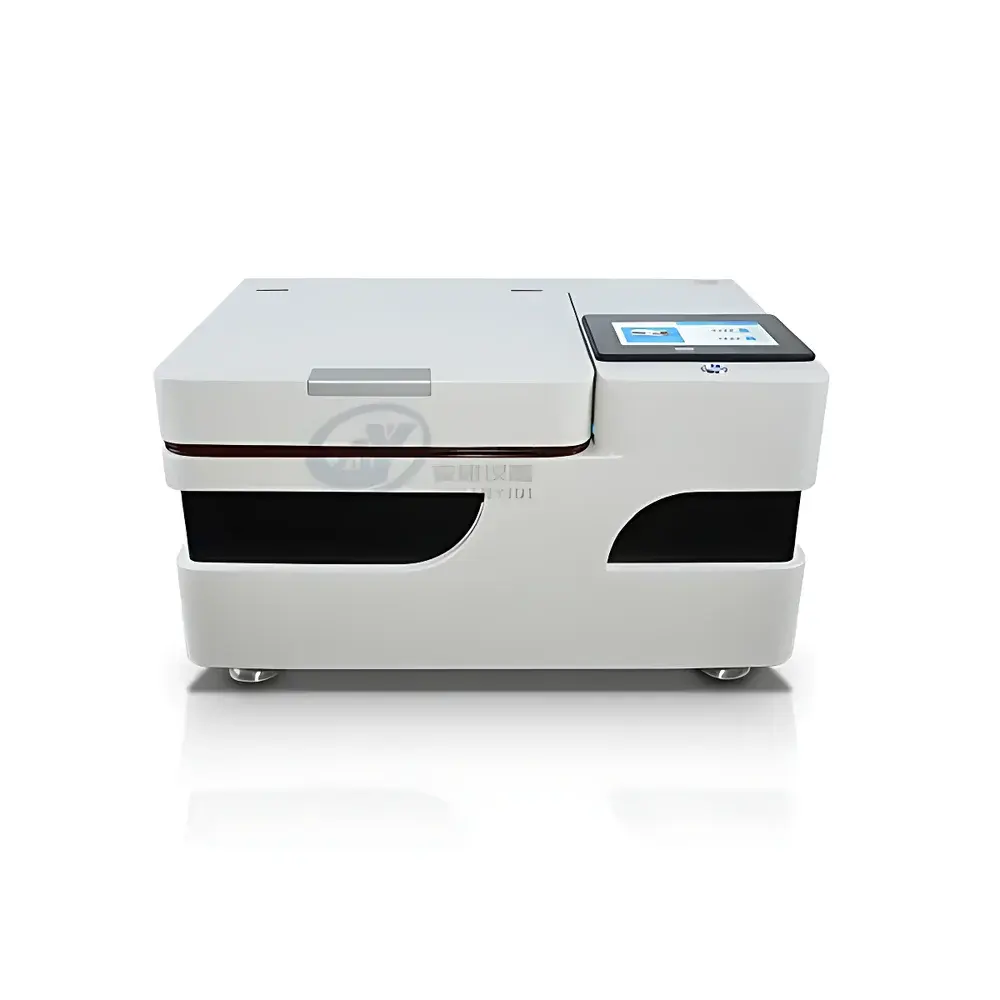
The Anyan AYAN-AUTOM-12S Automated Nitrogen Evaporator is an engineered solution for high-throughput, reproducible solvent removal in analytical laboratories. It operates on the principle of gentle, inert gas-assisted evaporation—using precisely regulated nitrogen flow directed onto the surface of liquid samples immersed in a thermostatically controlled water bath. Unlike open-tube manual nitrogen blow-down systems, this instrument integrates real-time optical endpoint detection, independent channel gas control, and closed-loop thermal management to eliminate operator intervention during concentration, prevent sample over-drying, and minimize analyte loss or degradation. Designed for compliance-critical workflows—including environmental residue analysis, clinical toxicology, food safety testing, and pharmaceutical QC—the AYAN-AUTOM-12S supports method traceability, data integrity, and consistent recovery of volatile and thermolabile compounds across 12 parallel samples.
Key Features
- 7-inch capacitive touchscreen interface with intuitive workflow navigation and multi-language support (English, Spanish, German)
- Optical end-point detection system with adjustable sensitivity for accurate volume termination at 0.5 mL, 1 mL, 2 mL, or near-dry conditions—validated across clear, amber, and colored solvents
- 12-channel independent electromagnetic valve control enabling precise, programmable gas flow (0–999 mL/min per needle) and automatic shutoff upon reaching set volume
- Dual-zone water bath heating architecture with rapid thermal response and ±0.5 °C stability across full operating range (ambient to 100 °C)
- Integrated nitrogen pre-heating module (45 °C output) to reduce condensation on吹针 tips, enhance evaporation kinetics, and prevent cross-contamination
- Auto-refill water reservoir with level sensor and audible/visual low-water alarm; overflow drain port included for safe operation
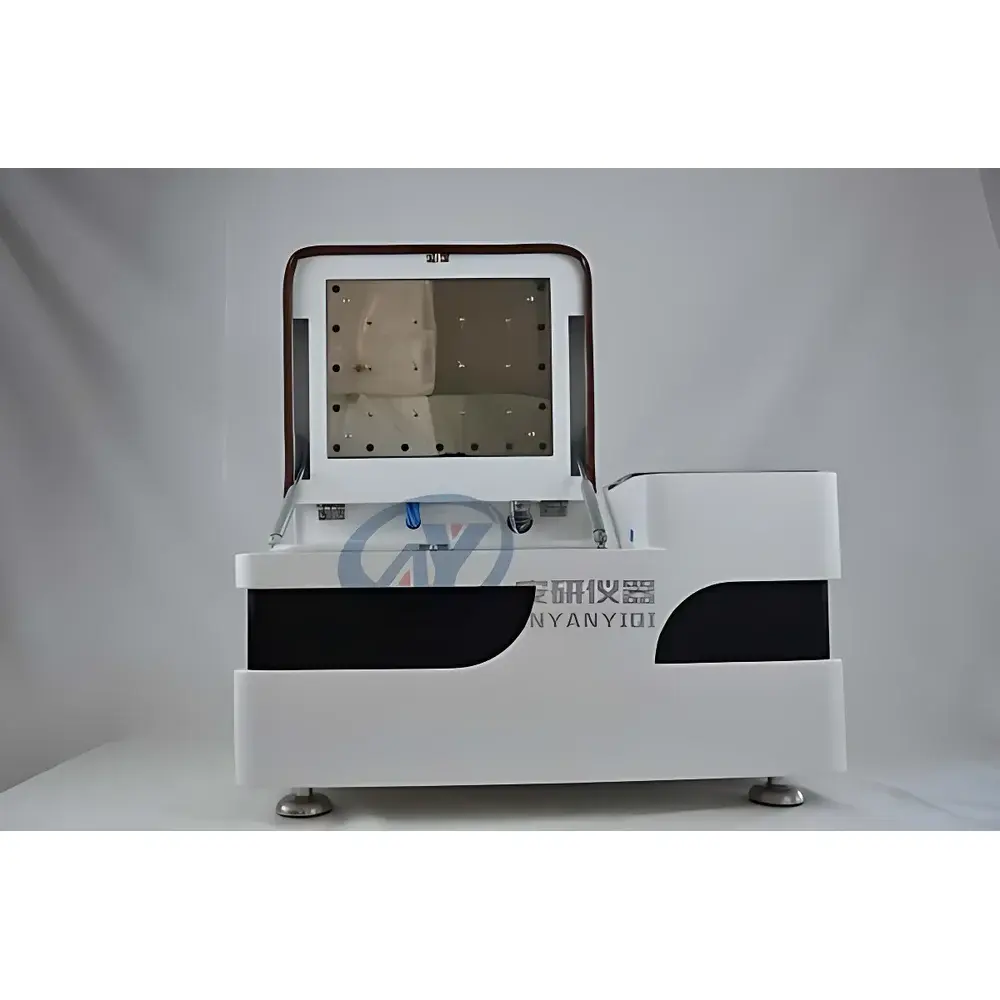
- Hydraulic-assisted dual-seal door mechanism and internal recirculating fume extraction fan to contain volatile emissions and meet laboratory ventilation best practices
- Built-in data logging: stores up to 1,000 run records including start/end time, temperature profile, gas flow settings, and endpoint confirmation
- Modular gas distribution manifold with pressure-regulated output (0–0.8 MPa) and leak-tested pneumatic circuitry for long-term reliability
Sample Compatibility & Compliance
The AYAN-AUTOM-12S accommodates standard borosilicate glass test tubes (50–200 mL) and compatible conical vials used in EPA Method 525.3, AOAC 991.22, ISO 17025-accredited labs, and internal SOPs for pesticide residue, mycotoxin, veterinary drug, and PAH analysis. Its closed-door design and integrated exhaust management align with OSHA 1910.1200 and EU Directive 2004/37/EC requirements for handling hazardous vapors. While not certified to IEC 61010-1 out-of-the-box, the unit meets essential safety criteria for Class II laboratory equipment when installed per manufacturer-specified clearance and grounding protocols. Data audit trails comply with ALCOA+ principles and support GLP/GMP documentation needs when paired with validated LIMS integration.
Software & Data Management
No proprietary software installation is required—the device functions as a standalone instrument with embedded firmware supporting USB export of CSV-formatted run logs (timestamp, channel ID, final volume, temperature history, alarm events). Optional RS-232 or Ethernet connectivity enables remote monitoring via LabView-compatible SCPI commands or integration into centralized lab automation platforms. All parameter changes are timestamped and stored in non-volatile memory. The system supports user-defined method templates (up to 20), each configurable with unique ramp profiles, gas schedules, and endpoint logic—facilitating method transfer between shifts or sites without revalidation.
Applications
- Environmental Testing: Concentration of aqueous extracts from drinking water, wastewater, and soil leachates prior to GC-MS analysis of chlorinated hydrocarbons, phthalates, and emerging contaminants (e.g., PFAS precursors)
- Clinical & Forensic Toxicology: Parallel processing of plasma, urine, and oral fluid specimens for LC-MS/MS quantification of opioids, benzodiazepines, and stimulants under CLIA-compliant workflows
- Food & Beverage Safety: Cleanup and concentration steps in multiresidue methods for organophosphates in fruits, aflatoxins in nuts, and ethyl carbamate in fermented beverages
- Pharmaceutical Development: Solvent exchange and intermediate drying in stability-indicating assays where thermal stress must be minimized
- Academic Research: High-reproducibility sample prep for metabolomics, lipidomics, and natural product isolation where inter-sample variability must be <5% RSD
FAQ
What safety certifications does the AYAN-AUTOM-12S hold?
It conforms to GB 4793.1–2019 (Chinese equivalent of IEC 61010-1) and carries CE marking for EMC and LVD compliance. Full IEC 61010-1 certification is available upon request for specific regional regulatory submissions.
Can the instrument be integrated into a LIMS or ELN environment?
Yes—via ASCII-based serial communication or Modbus TCP/IP protocol. Custom API wrappers are provided for major LIMS vendors (e.g., LabWare, Thermo Fisher SampleManager) upon validation agreement.
Is nitrogen pre-heating mandatory, or can ambient gas be used?
Pre-heating is enabled by default but fully disableable via system settings. Ambient nitrogen mode is supported for heat-sensitive analytes requiring sub-30 °C evaporation conditions.
How often does the optical sensor require calibration?
No routine recalibration is needed. The system performs self-diagnostic checks at power-on and validates optical path integrity before each run using factory-traceable reference standards.
What maintenance is recommended for long-term performance?
Quarterly inspection of water bath seals, annual replacement of nitrogen filter cartridges (part #NF-12S), and biannual verification of temperature uniformity using NIST-traceable PT100 probes.



