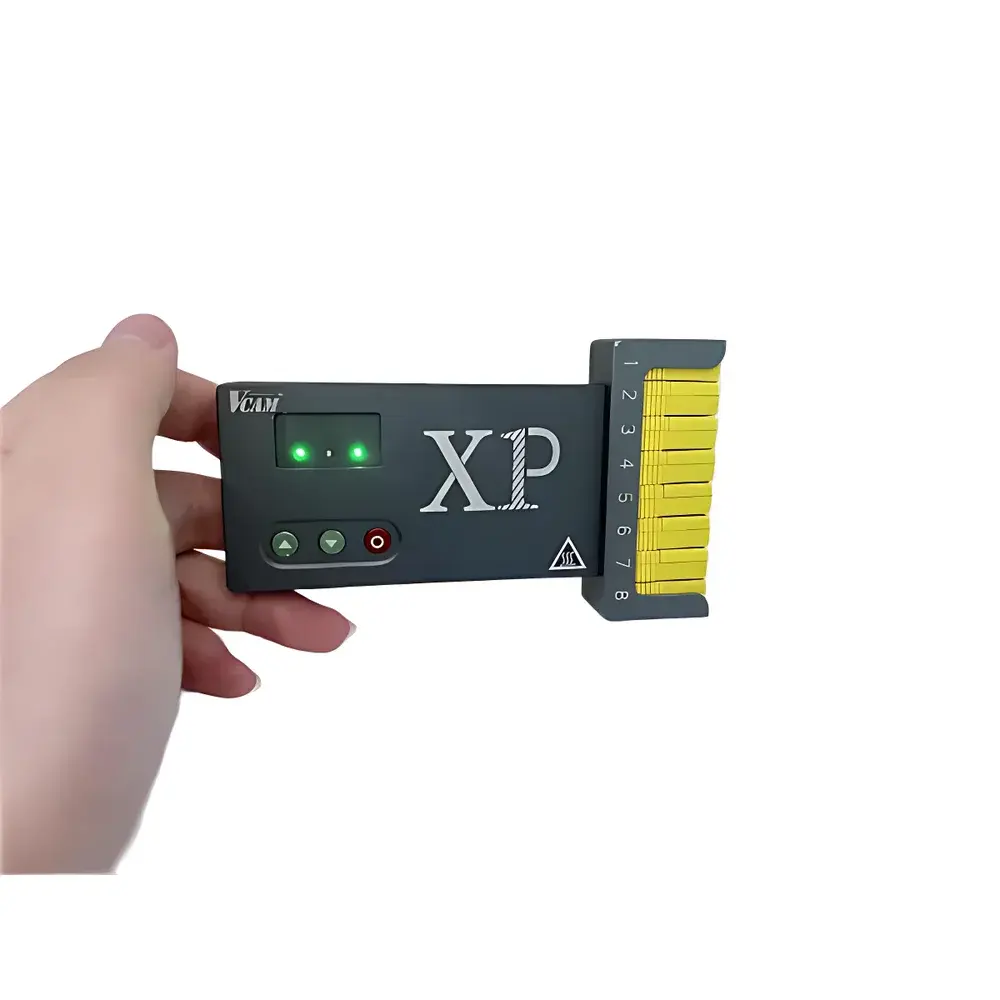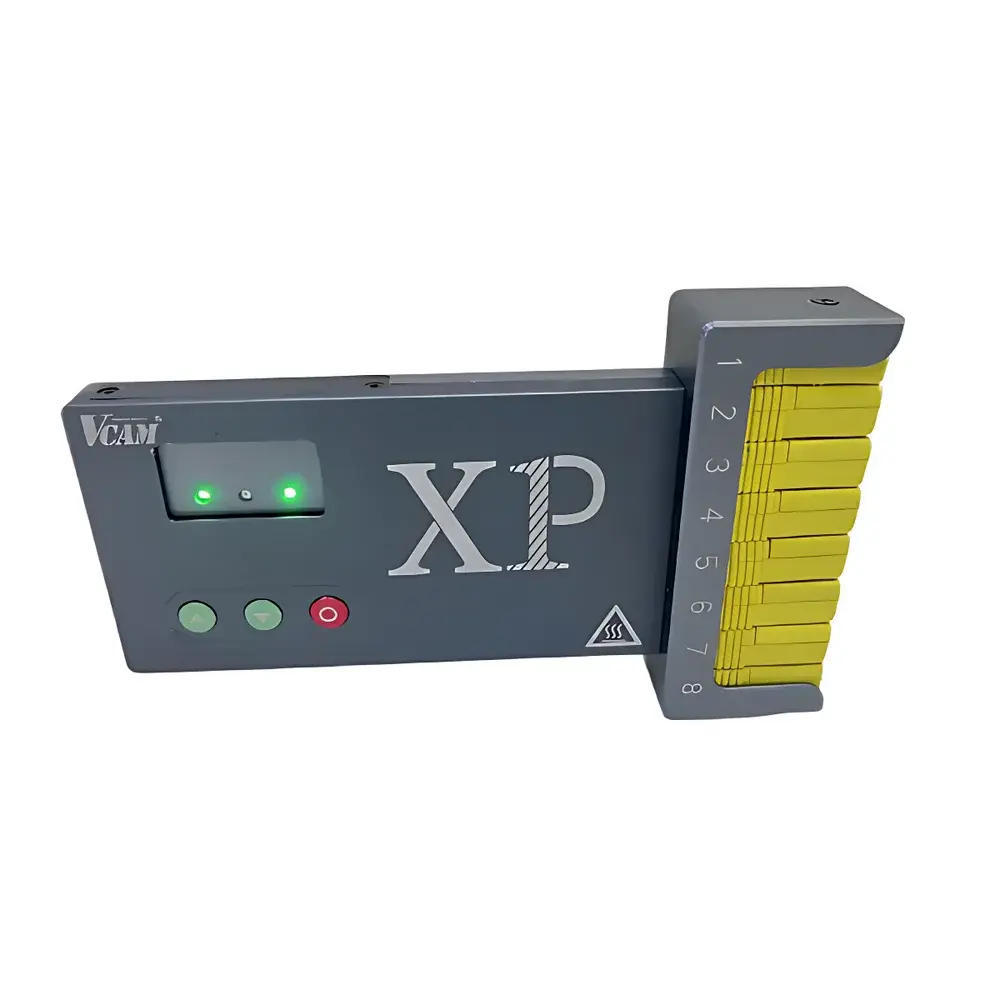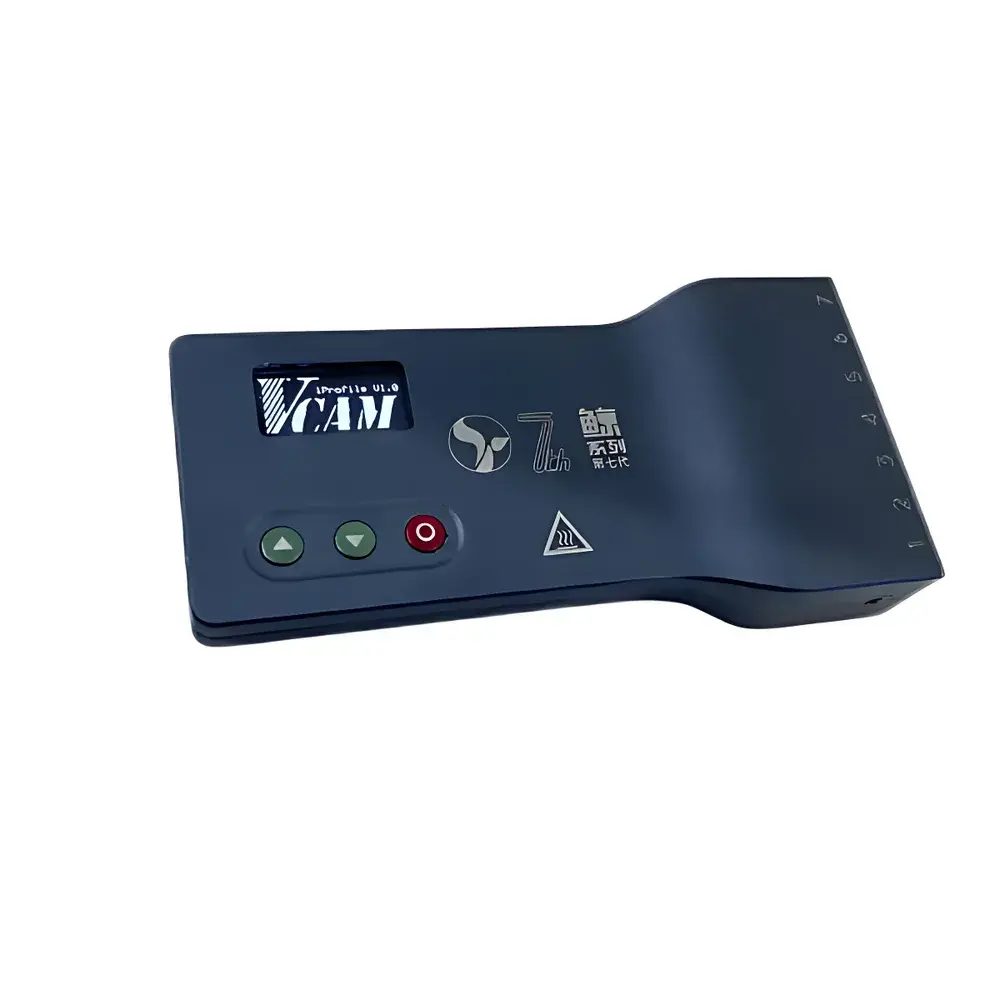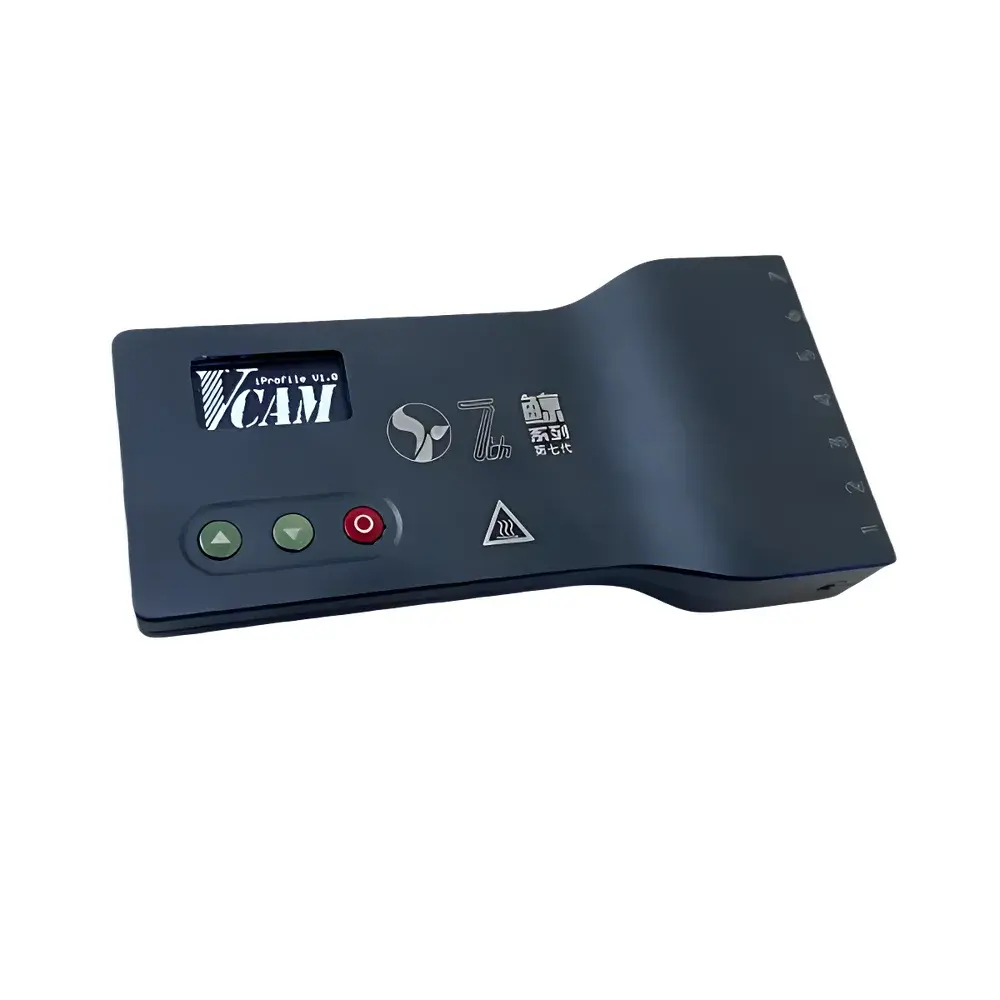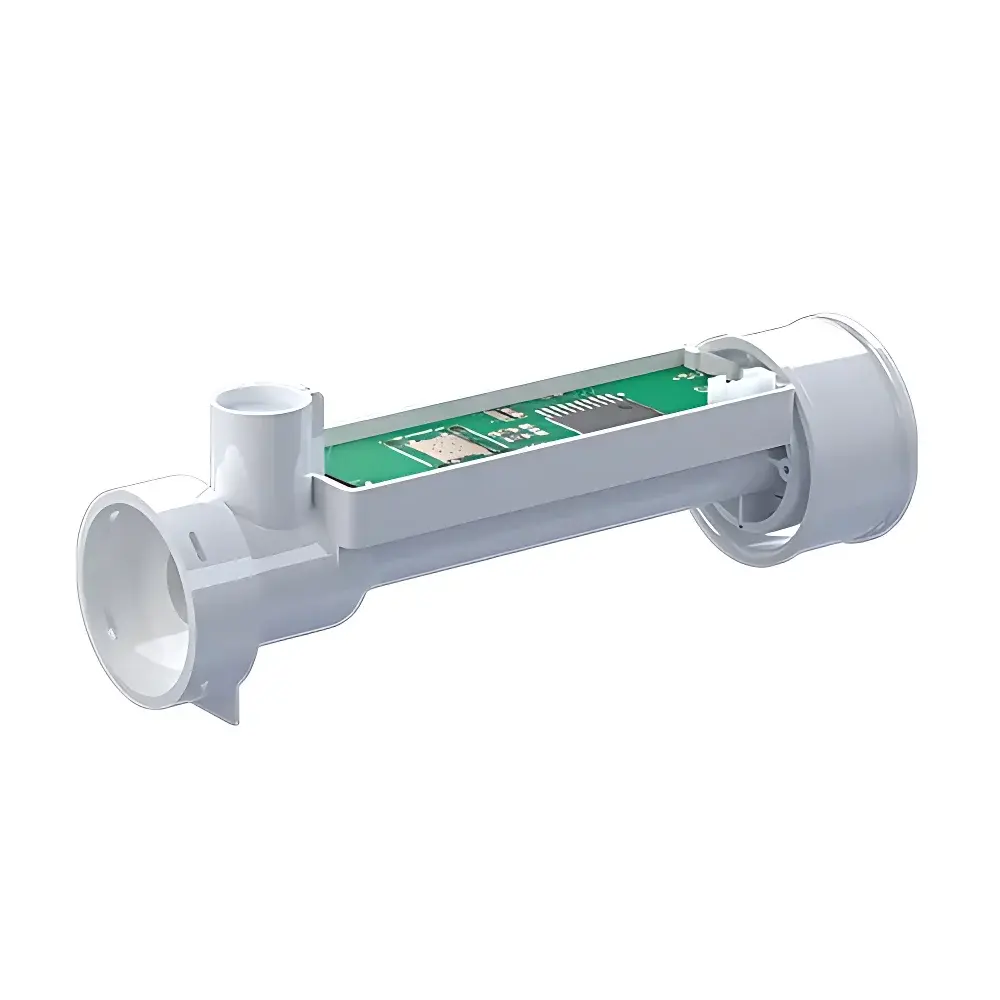
Cubic USM-G2.5M & USM-G4M Ultrasonic Gas Meter Module
| Brand | Cubic |
|---|---|
| Origin | Hubei, China |
| Manufacturer Type | Authorized Distributor |
| Product Category | Domestic |
| Model | USM-G2.5M / USM-G4M |
| Measurement Principle | Time-of-Flight (TOF) Ultrasonic Flow Measurement |
| Flow Range (m³/h) | 0.025–4 (USM-G2.5M) / 0.04–6 (USM-G4M) |
| Interface | UART/TTL |
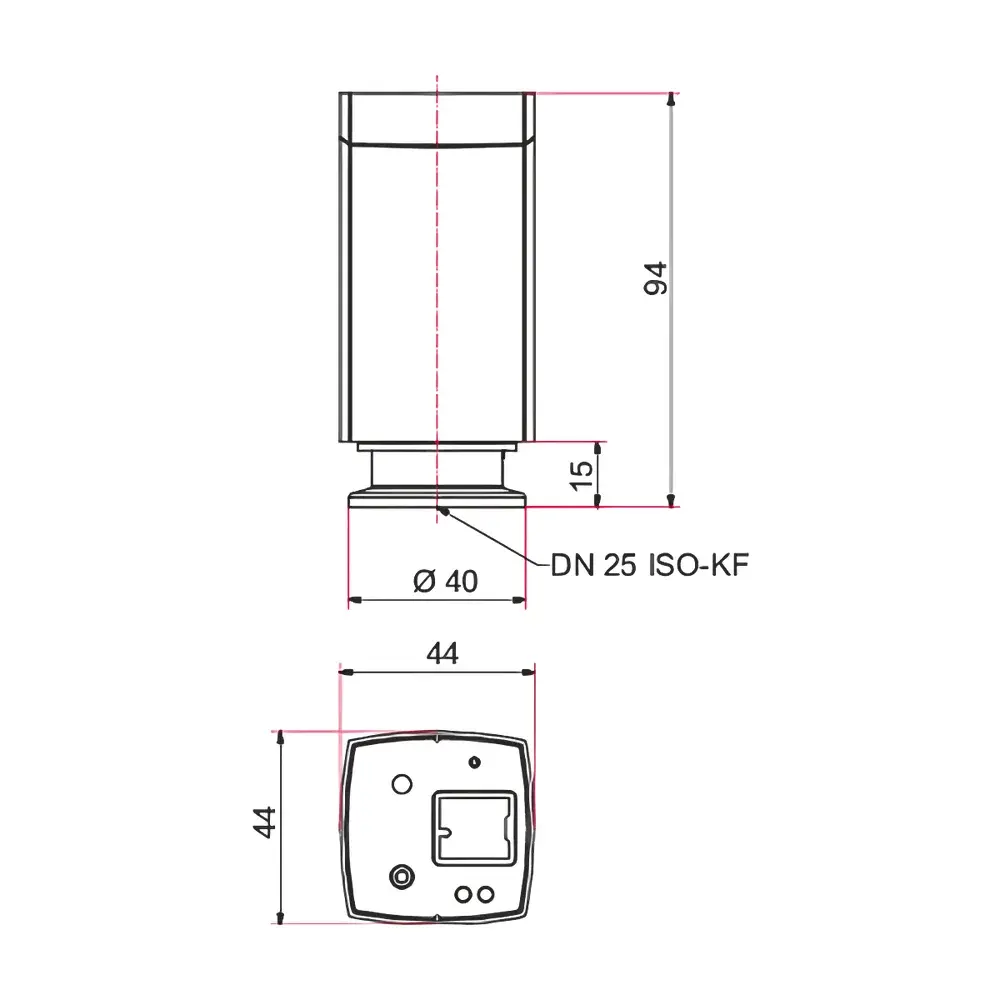
| Dimensions (mm) | 164 × 44 × 50 |
| Temperature Sensing | Integrated |
| Pressure Sensing | Integrated |
| Accuracy Class | Class 1.5 (per EN 1434 / OIML R137) |
| Max. Working Pressure | 20 kPa |
| Operating Temp. | −10 °C to +40 °C |
| Storage Temp. | −20 °C to +60 °C |
| Power Consumption | <50 µA (standby, typical) |
| Flow Error | ±3% (Qmin ≤ Q < Qt), ±1.5% (Qt ≤ Q ≤ Qmax) |
| Compliance | Meets requirements for residential and small commercial gas metering under ISO 4064-1:2019, EN 1434-2018, and GB/T 6968–2019 |
Overview
The Cubic USM-G2.5M and USM-G4M Ultrasonic Gas Meter Modules are compact, high-reliability core sensing units engineered for integration into smart residential and light commercial gas metering systems. These modules operate on the time-of-flight (TOF) ultrasonic principle: two precisely aligned transducers—mounted at fixed positions along the gas path—transmit and receive ultrasonic pulses in both upstream and downstream directions. By measuring the nanosecond-scale difference in transit times between co-flow and counter-flow signals, the module computes volumetric flow velocity with high temporal resolution. This non-intrusive, clamp-on–compatible architecture eliminates mechanical wear, avoids pressure drop penalties, and ensures long-term metrological stability across varying gas compositions (natural gas, LPG-air mixtures, and biogas within specified density and sonic velocity ranges). Designed for OEM integration, the module delivers calibrated volumetric flow data without requiring external signal conditioning or flow profile correction hardware.
Key Features
- Class 1.5 accuracy certified per EN 1434-2018 and OIML R137, validated across the full dynamic range (Qmin to Qmax)
- Integrated temperature and static pressure sensors enable real-time compensation of gas density and compressibility—critical for volumetric-to-standard-volume conversion (e.g., m³ @ 15 °C, 101.325 kPa)
- Ultra-low-power design: 10-year service life (typical)
- Robust mechanical layout with optimized acoustic path geometry—validated through ISO 17025-accredited pollutant resistance testing (dust, humidity, condensate exposure)
- UART/TTL serial interface (3.3 V logic level) provides deterministic, low-latency communication; protocol supports ASCII command set and binary data frames for rapid firmware updates and calibration parameter loading
- No moving parts, no orifice plates, no turbine blades—eliminates maintenance cycles, drift from mechanical hysteresis, and susceptibility to particulate fouling
Sample Compatibility & Compliance
The USM-G2.5M and USM-G4M modules are validated for use with dry natural gas (G20/G25), propane-air mixtures (G30/G31), and low-pressure biogas (CH₄ content ≥50%, CO₂ ≤40%). Gas composition must remain within defined sonic velocity bounds (300–450 m/s) and kinematic viscosity limits (<25 mm²/s) to maintain measurement integrity. All modules undergo factory calibration traceable to NIM (National Institute of Metrology, China) standards and comply with mandatory type approval requirements under GB/T 6968–2019 (Chinese national standard for gas meters). For international deployment, the modules meet essential metrological and electromagnetic compatibility (EMC) criteria outlined in Directive 2014/32/EU (MID Annex MI-002), including environmental class E1 (−10 °C to +40 °C) and climatic class C1 (non-condensing humidity up to 95% RH).
Software & Data Management
Each module embeds a dual-core firmware architecture: one ARM Cortex-M0+ core handles real-time TOF acquisition and flow computation using adaptive digital filtering and outlier rejection algorithms; the second manages communication, diagnostics, and secure parameter storage. Firmware supports configurable reporting intervals (1 s to 24 h), burst-mode logging, and tamper-detection flags (e.g., magnetic field exposure, case opening, abnormal temperature gradients). Data output includes instantaneous volumetric flow (L/h), cumulative volume (m³), internal sensor temperatures (±0.5 °C), and static pressure (±0.5 kPa). Optional firmware extensions provide audit-trail logging compliant with GLP/GMP principles—enabling timestamped records of calibration events, firmware revisions, and diagnostic alerts for regulated utility applications.
Applications
These modules serve as foundational sensing elements in battery-powered smart gas meters deployed across multi-dwelling units, district heating substations, and micro-commercial premises (e.g., restaurants, laundromats, small workshops). Their compact form factor enables seamless integration into space-constrained meter housings while supporting advanced functionality such as remote firmware updates via NB-IoT/LTE-M networks, leak detection via ultra-low-flow monitoring (<0.01 m³/h), and demand-side analytics using time-stamped flow profiles. In industrial settings, they are employed in pilot-scale biogas upgrading skids and laboratory gas blending systems where repeatable, low-maintenance flow feedback is required for PID-controlled mass flow controllers.
FAQ
What gas types are supported by the USM-G2.5M and USM-G4M modules?
Natural gas (G20/G25), propane-air mixtures (G30/G31), and low-pressure biogas with CH₄ ≥50% and CO₂ ≤40%. Sonic velocity must remain between 300–450 m/s.
Is pressure compensation performed internally or externally?
Internal compensation: integrated piezoresistive pressure sensor provides real-time static pressure input to the flow algorithm for standardized volume calculation.
Can the module operate continuously at −10 °C?
Yes—the full operating temperature range is −10 °C to +40 °C, with all specifications guaranteed across this interval per EN 1434-2018 Annex D.
Does the module support pulse output or only UART communication?
UART/TTL serial interface only; no open-collector pulse output is provided. Secondary host MCU must parse ASCII/binary frames for further signal distribution.
How is metrological traceability maintained during field operation?
Factory calibration certificates include uncertainty budgets referenced to NIM primary standards; optional on-site verification kits allow periodic zero-check and span validation without module removal.