
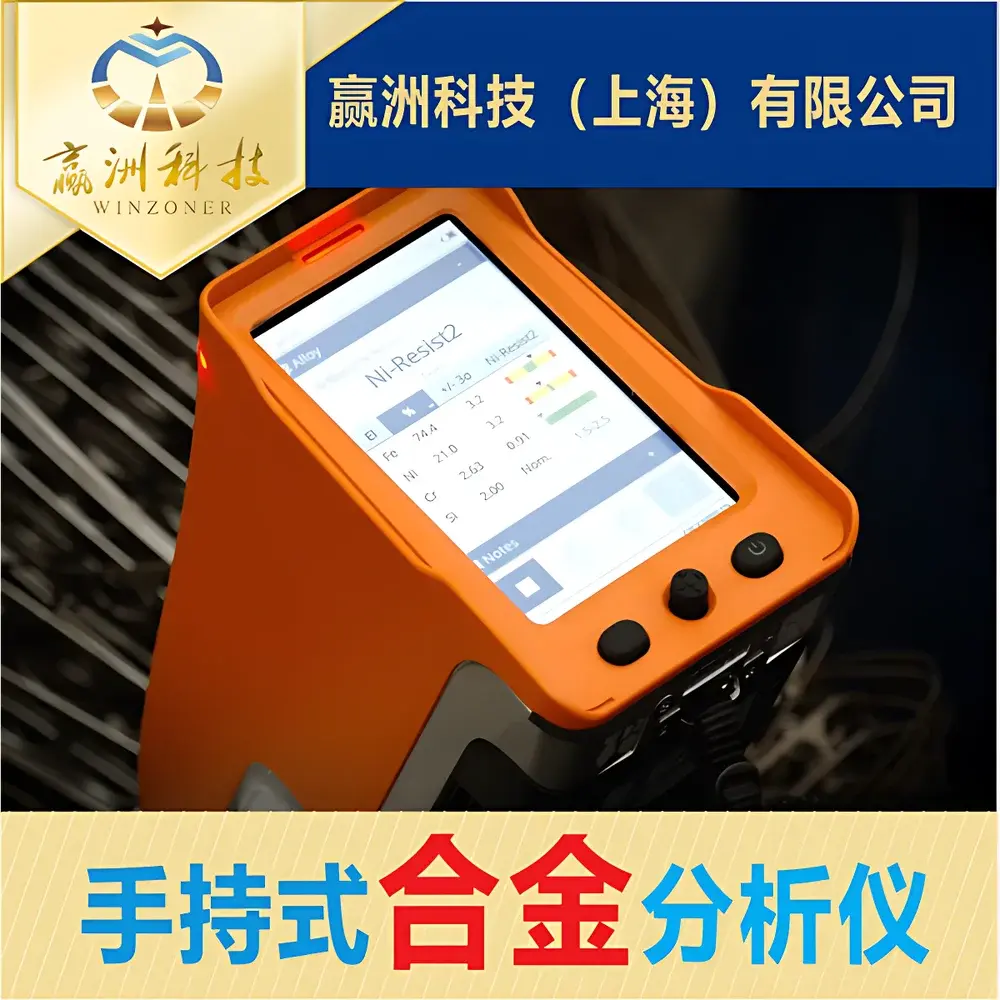
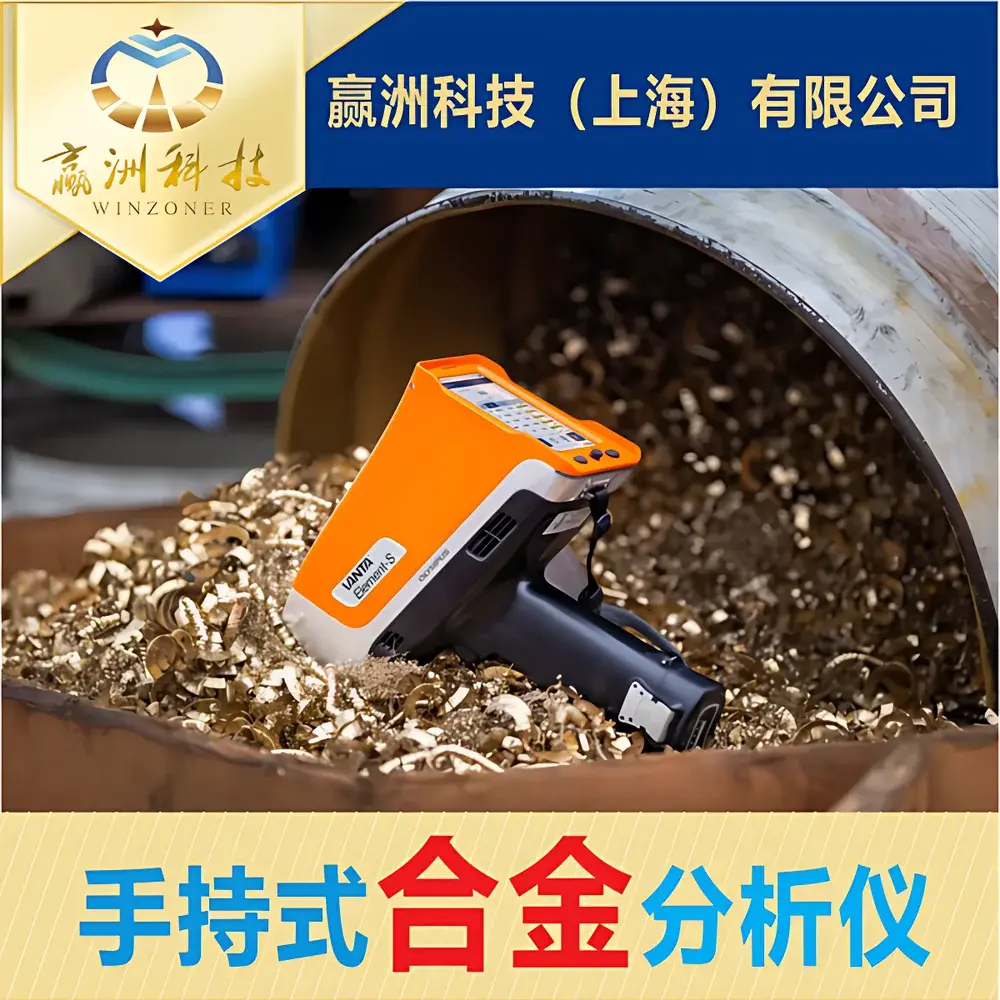


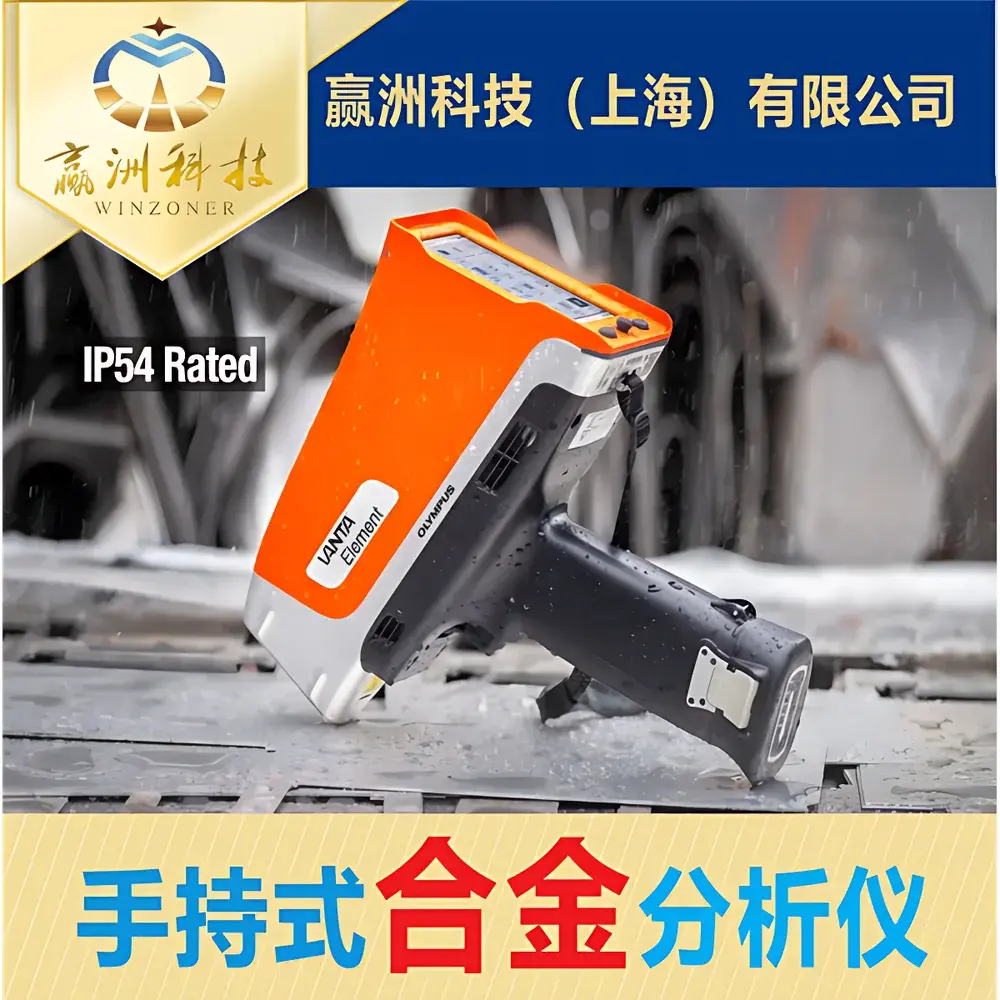
Evident (formerly Olympus) DELTA DPO-2000 Handheld Energy Dispersive X-Ray Fluorescence (ED-XRF) Spectrometer
| Brand | Evident (formerly Olympus) / EVDENT |
|---|---|
| Origin | USA |
| Manufacturer Type | Authorized Distributor |
| Product Origin | Imported |
| Model | DELTA DPO-2000 |
| Application | Handheld / Portable |
| Industry-Specific Use | Non-Ferrous & Specialty Alloys |
| Elemental Range | Mg to U |
| Quantification Range | ppm to wt% |
| Energy Resolution | <140 eV at Mn Kα |
| Repeatability | ≤0.1% RSD |
Overview
The Evident (formerly Olympus) DELTA DPO-2000 is a handheld energy dispersive X-ray fluorescence (ED-XRF) spectrometer engineered for rapid, non-destructive elemental analysis of metallic alloys in field and production environments. Operating on the fundamental principle of X-ray fluorescence—where primary X-rays excite atoms in a sample, inducing emission of characteristic secondary X-rays—the instrument delivers quantitative and qualitative compositional data in seconds. Its ruggedized industrial design, integrated high-resolution silicon drift detector (SDD), and optimized X-ray tube enable reliable identification and verification of alloy grades across diverse metallurgical applications. Designed for compliance with international safety standards (IEC 61010-1, ANSI N43.3), the DELTA DPO-2000 supports real-time decision-making in material verification workflows without requiring sample preparation or laboratory infrastructure.
Key Features
- High-performance silicon drift detector (SDD) with energy resolution <140 eV at Mn Kα, enabling precise peak separation for overlapping transitions (e.g., Cr–Fe–Mn, Ni–Cu–Zn)
- Optimized Rh anode X-ray tube delivering stable excitation across light to heavy elements (Mg–U), including enhanced sensitivity for low-Z elements such as magnesium and aluminum
- Real-time spectrum processing with embedded library matching algorithms for ASTM/ISO-compliant alloy grade identification (e.g., UNS, AISI, EN, GB, JIS standards)
- IP54-rated enclosure with MIL-STD-810G shock and vibration resistance; operational temperature range: –10 °C to 50 °C
- Integrated GPS, camera, and barcode scanner for traceable sample documentation and georeferenced reporting
- Battery life exceeding 8 hours per charge (hot-swappable Li-ion battery system), supporting extended shift operations
Sample Compatibility & Compliance
The DELTA DPO-2000 accommodates flat, curved, rough, or coated metallic surfaces—including castings, forgings, pipes, welds, and scrap fragments—without surface polishing or vacuum requirements. It complies with ASTM E2857 (Standard Guide for Validation of ED-XRF Systems), ISO 17025:2017 (for accredited testing laboratories), and supports PMI (Positive Material Identification) protocols mandated by ASME B31.1/B31.3, API RP 578, and NACE SP0116. All measurement data meet GLP/GMP audit-trail requirements when used with compliant software configurations. The instrument is certified for use in hazardous locations under ATEX/IECEx Zone 2 (optional configuration) and adheres to FDA 21 CFR Part 11 principles for electronic records and signatures when deployed with validated software modules.
Software & Data Management
Data acquisition, calibration management, and report generation are handled via Delta PC Software v4.x—a Windows-based platform supporting multi-user permissions, method templates, and customizable pass/fail criteria. Raw spectral data, calibrated intensities, and grade-matching confidence scores are stored in encrypted SQLite databases with full version control. Export options include CSV, PDF, XML, and ASTM E1359-compliant XML reports. Cloud synchronization (via optional Evident Connect™) enables centralized fleet monitoring, remote firmware updates, and automated backup to secure SFTP or Microsoft Azure endpoints. Audit logs record operator ID, timestamp, location, measurement parameters, and any post-acquisition edits—ensuring full traceability for regulatory inspections.
Applications
- Positive Material Identification (PMI) in petrochemical plants, power generation facilities, and pressure vessel fabrication shops
- Scrap sorting and recycling verification in metal recycling centers, ensuring correct segregation of stainless steels, nickel alloys, titanium, and aluminum grades
- In-process QA/QC during metal fabrication, welding certification, and aerospace component manufacturing (e.g., turbine disks, airframe structures)
- Inventory control and warehouse verification for raw material receipt, stock rotation, and ERP integration
- Regulatory compliance audits in nuclear, defense, and pharmaceutical equipment manufacturing where material traceability is legally mandated
- Field-based failure analysis support for corrosion investigations, weld mismatch detection, and counterfeit material screening
FAQ
Does the DELTA DPO-2000 require annual recalibration?
No—calibration stability is maintained through internal reference checks and drift correction algorithms. However, periodic performance verification using certified reference materials (CRMs) per ASTM E2857 is recommended every 90 days or after major environmental changes.
Can it analyze coated or painted metals?
Yes—penetration depth depends on element mass and matrix density, but typical coatings up to 50 µm (e.g., paint, zinc, chrome) can be compensated using built-in coating correction models.
Is user training required for regulatory compliance?
Yes—Evident-certified training programs cover instrument operation, method validation, data integrity practices, and documentation procedures aligned with ISO/IEC 17025 and FDA 21 CFR Part 11 expectations.
What safety certifications does the device hold?
It meets IEC 62471 (photobiological safety), IEC 61010-1 (electrical safety), and FCC Part 15 Class B emissions standards. Optional configurations include ATEX/IECEx certification for use in classified areas.
How is data integrity ensured during wireless transfer?
All wireless communications (Wi-Fi/Bluetooth) use TLS 1.2 encryption; local storage employs AES-256 encryption, and digital signatures authenticate each exported report.





