
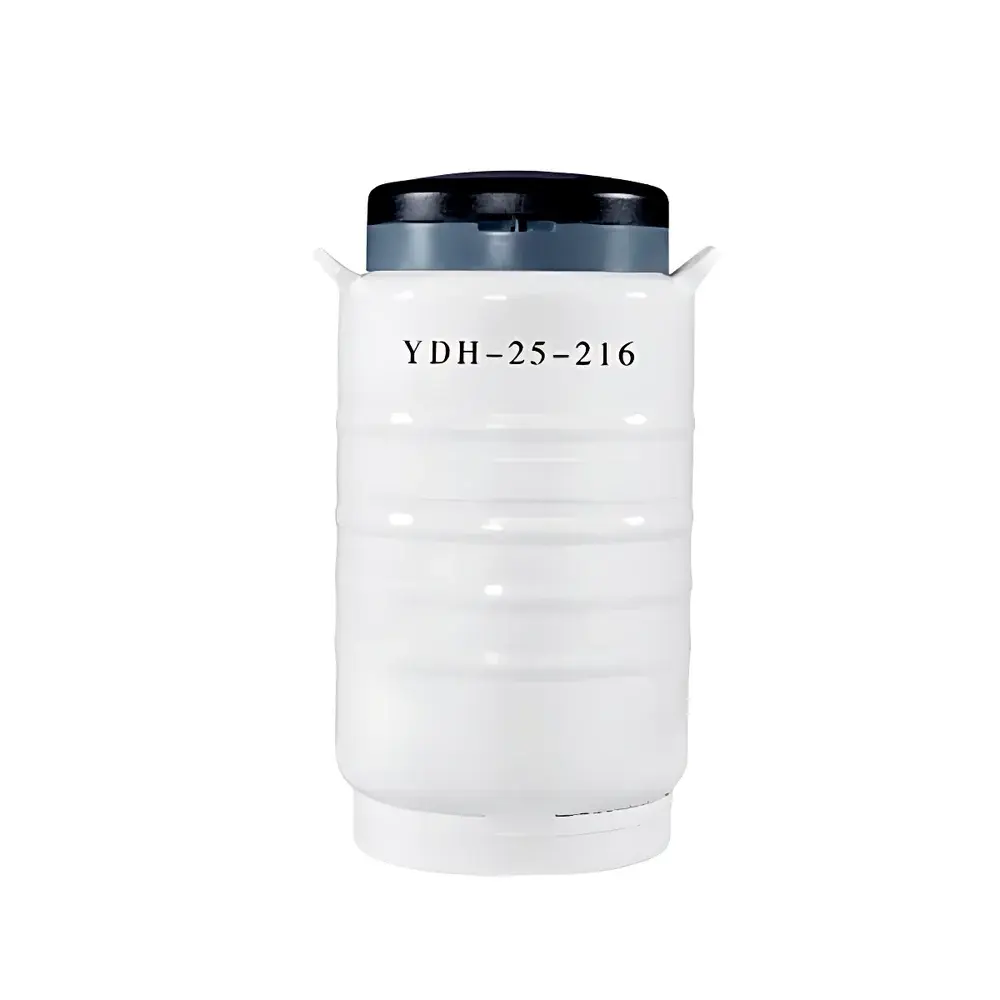
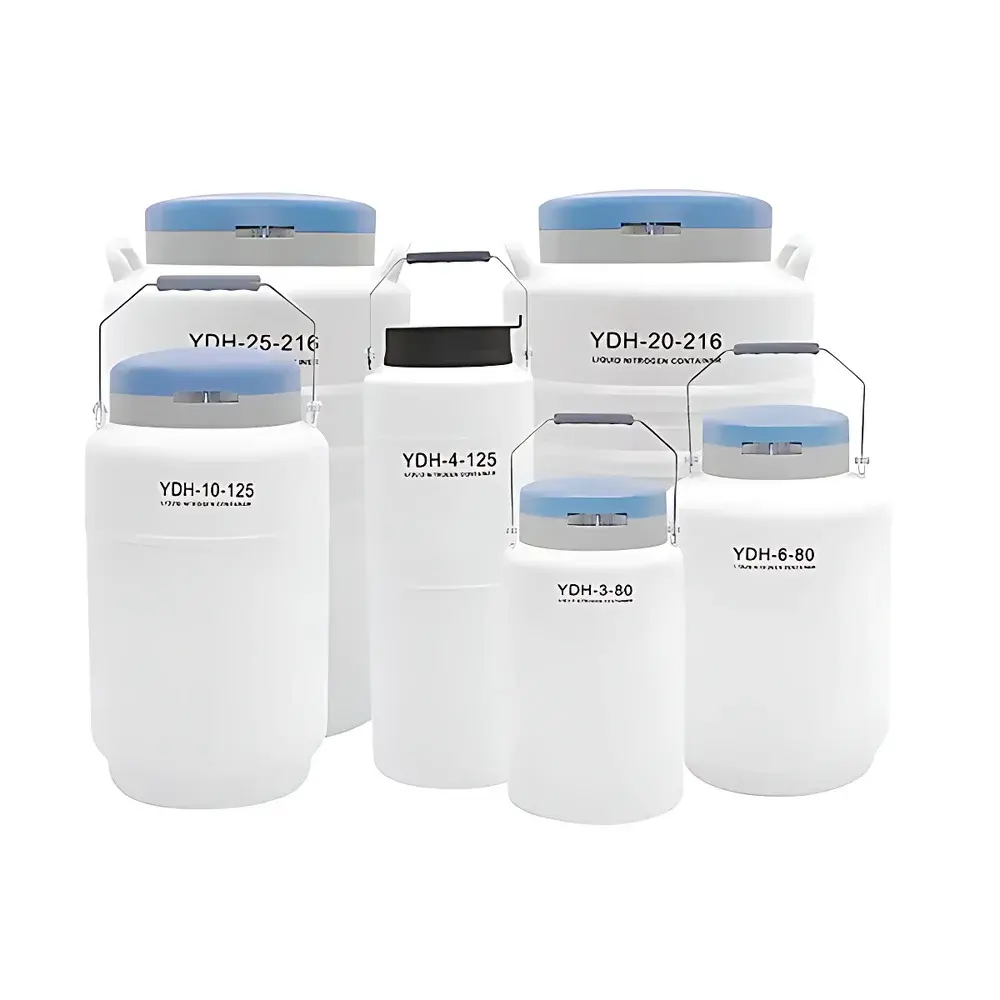
BENDER YDH-25-216F Aviation-Grade Dry Shipper Liquid Nitrogen Container
| Brand | BENDER |
|---|---|
| Origin | Sichuan, China |
| Model | YDH-25-216F |
| Capacity | 25 L |
| Liquid Nitrogen Adsorption Capacity | 10 L |
| Static Evaporation Rate | 0.89 L/day |
| Holding Time | 11 days |
| Cryovial Capacity | 500 × 25-well boxes or 550 × 100-well boxes |
| Blood Bag Capacity | 250 × 250 mL or 125 × 500 mL |
| Neck Diameter | 216 mm |
| Total Height | 741 mm |
| Outer Diameter | 396 mm |
| Empty Weight | 12.5 kg |
| Full Weight | 31.8 kg |
| Material | High-Strength Anodized Aluminum Alloy |
| Compliance | GB/T 5458–2012 |
| Warranty | 1-year comprehensive, 5-year vacuum integrity |
Overview
The BENDER YDH-25-216F is an aviation-certified dry shipper designed for the safe, compliant, and temperature-stable transport of cryopreserved biological specimens at ultra-low temperatures (≤ –190 °C). Unlike conventional liquid-phase dewars, this unit operates on a vapor-phase storage principle: liquid nitrogen is absorbed into a proprietary porous adsorbent matrix housed within a thermally isolated inner chamber. This eliminates free liquid pooling, thereby mitigating leakage risk during orientation changes—critical for air cargo handling, high-speed rail logistics, and multi-modal cold chain transfers. The container’s vacuum-insulated double-walled aluminum construction ensures uniform thermal distribution across the entire sample zone, minimizing axial and radial temperature gradients that could compromise cell viability or nucleic acid integrity. Engineered to meet IATA Packing Instruction 650 and ICAO Technical Instructions for the Safe Transport of Dangerous Goods by Air, the YDH-25-216F enables validated, non-hazardous classification when shipped with ≤10 L of LN₂—reducing regulatory burden without compromising thermal performance.
Key Features
- Vapor-phase operation with integrated LN₂ adsorption matrix: prevents free liquid migration during tilt, inversion, or acceleration events.
- High-efficiency vacuum insulation system: achieves ≤0.89 L/day static evaporation rate, supporting ≥11 days of continuous sub–190 °C holding time under ISO 23541–1 ambient conditions (25 °C, 60% RH).
- Structural integrity: aerospace-grade anodized aluminum alloy body with optimized wall thickness distribution—lightweight (12.5 kg empty) yet impact-resistant per ASTM D4169 Cycle C2 drop testing protocols.
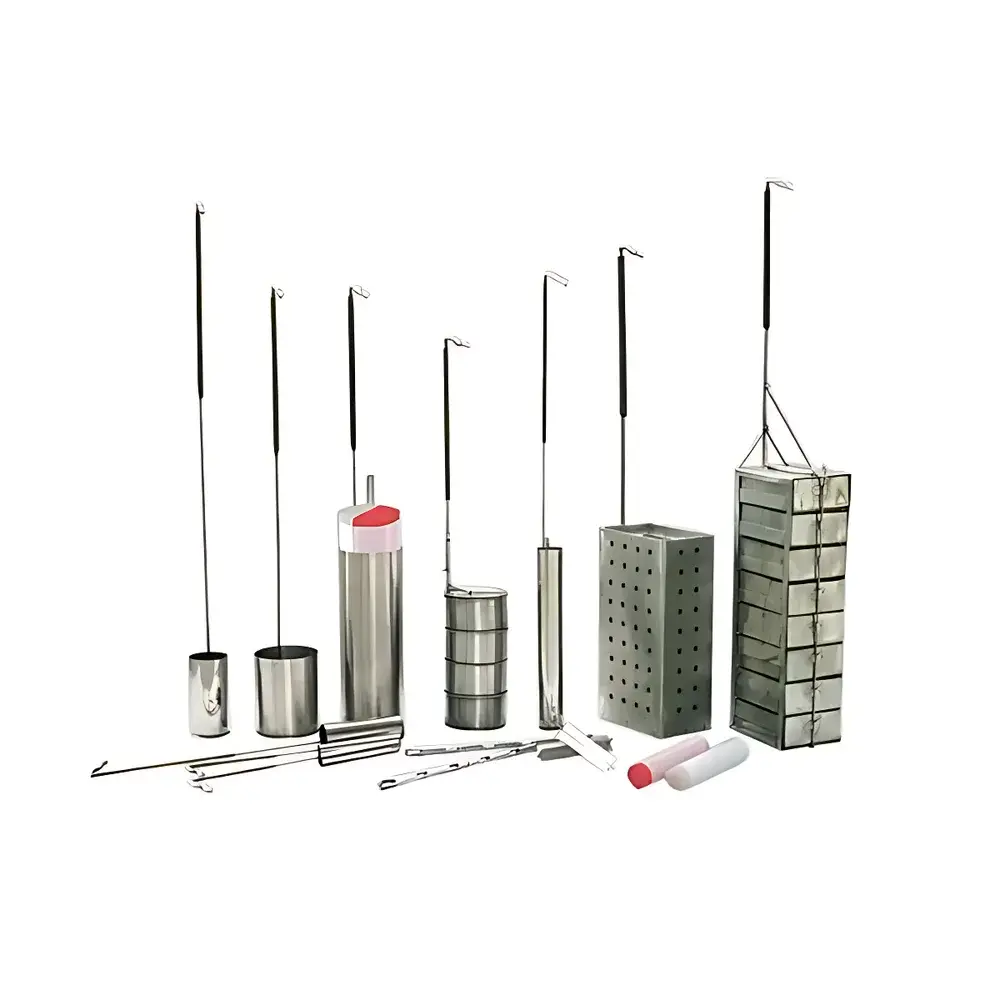
- Sample compartment architecture: stainless-steel mesh partition separates adsorbent media from sample zone, preventing particulate contamination of cryovials, straws, or blood bags.
- Standardized interface: 216 mm neck diameter compatible with universal cryo-handling tools, automated rack loaders, and ISO/IEC 17025-accredited lab workflows.
- Modular accessory support: optional integrated temperature logger with Bluetooth 5.0, FAA-compliant transit case (UN 2037 certified), and dual-stage mechanical lock system for tamper-evident sealing.
Sample Compatibility & Compliance
The YDH-25-216F accommodates standard cryogenic formats including 25-well and 100-well冻存盒 (storage boxes), 0.5–5.0 mL cryovials, 250 mL and 500 mL blood bags, and 0.25–1.0 mL semen/embryo straws. Its internal geometry supports up to 500 units in 25-well configuration or 550 units in 100-well layout—optimized for biobank redistribution, clinical trial specimen shipment, and academic collaboration logistics. All materials comply with USP <661.1> and ISO 10993–5 for cytotoxicity; surface finish meets ISO 13485 cleanroom-grade requirements. The unit conforms to GB/T 5458–2012 (Chinese national standard for biological LN₂ containers) and supports audit-ready documentation for GLP, GCP, and FDA 21 CFR Part 11–aligned data integrity frameworks when paired with optional logging hardware.
Software & Data Management
While the base unit operates passively, optional integrated temperature monitoring modules provide real-time telemetry via embedded NTC thermistors (±0.3 °C accuracy, calibrated traceable to NIST SRM 1960). Data is logged at user-defined intervals (1–60 min) and exported as CSV or PDF reports compliant with ALCOA+ principles (Attributable, Legible, Contemporaneous, Original, Accurate). Firmware supports configurable alarm thresholds (e.g., >–150 °C), email/SMS alerts, and encrypted local storage—fully compatible with LIMS integration via RESTful API. Audit trails include operator ID, timestamp, location metadata (GPS-enabled in transit case variant), and calibration history—meeting ISO/IEC 17025 clause 7.7 and EU Annex 11 requirements.
Applications
- Clinical trial specimen transport between central labs and satellite sites under CAP/CLIA-mandated stability conditions.
- Biobank inter-facility redistribution of primary human tissues, PBMCs, and iPSC lines requiring ≤–190 °C maintenance over 72–264 h windows.
- IVF clinic embryo/ovarian tissue transfer with documented thermal continuity for regulatory submission (EMA Guideline on Cryopreservation of Human Gametes and Embryos).
- Pharma QC cold chain validation for reference standards and potency assay controls.
- Academic field research—supporting remote sample collection in resource-limited settings where liquid-phase dewars pose safety or customs clearance challenges.
FAQ
Is the YDH-25-216F approved for air transport under IATA regulations?
Yes—it qualifies for UN 2037 classification as a “cryogenic liquid, n.o.s.” when filled with ≤10 L LN₂ and equipped with the optional FAA-approved transit case.
Can it be used for long-term storage, or is it strictly for transport?
It is engineered for short-to-medium term transport (up to 11 days); for stationary storage, we recommend dedicated upright or horizontal liquid-phase LN₂ tanks with active level monitoring.
Does the vacuum insulation degrade over time, and how is integrity verified?
Vacuum integrity is warranted for 5 years; annual verification can be performed using a helium leak detector (ASTM E1514) or by measuring static evaporation rate against baseline.
Are custom labeling or serialization options available for GMP environments?
Yes—laser-etched UID codes, QR-coded asset tags, and sterile-barrier packaging are available under OEM agreement.
What documentation accompanies each unit for regulatory submissions?
Each shipment includes a Certificate of Conformance (CoC), material traceability sheet, vacuum test report, and GB/T 5458–2012 compliance statement—all digitally signed and archived for 10 years.






