
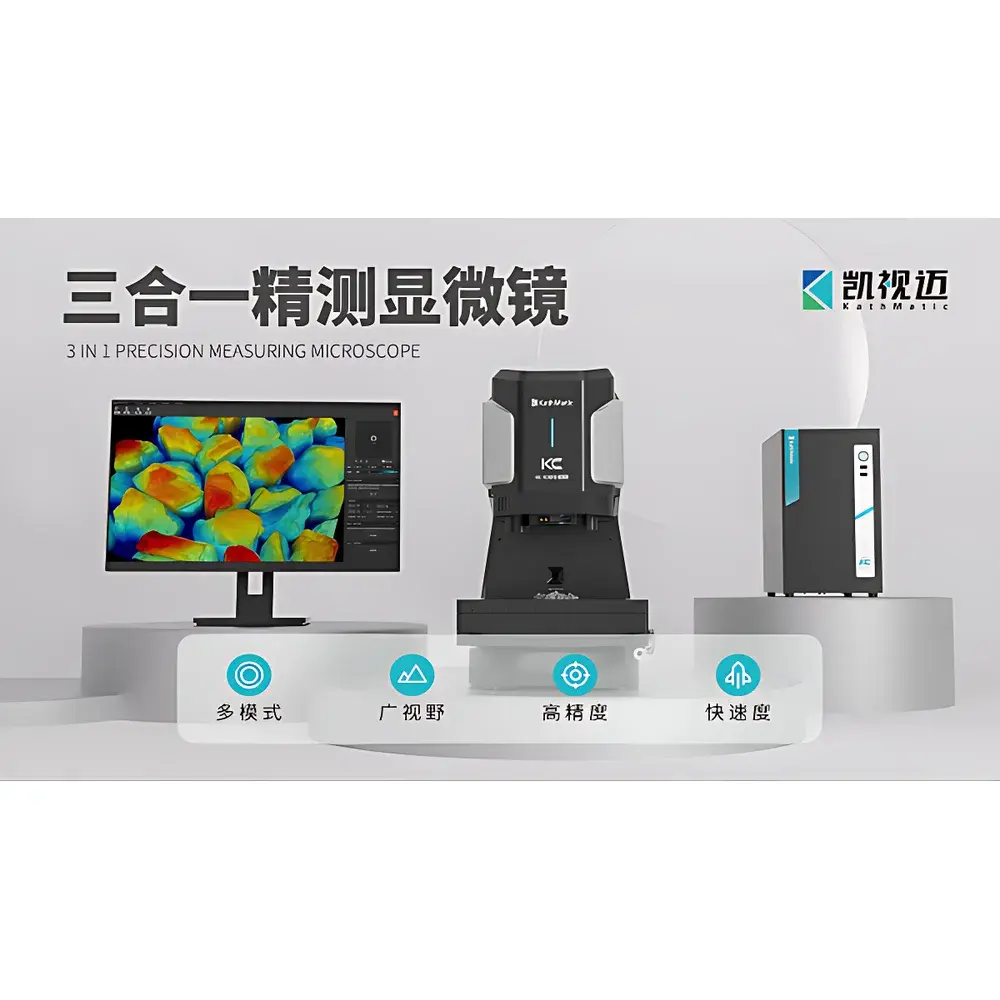
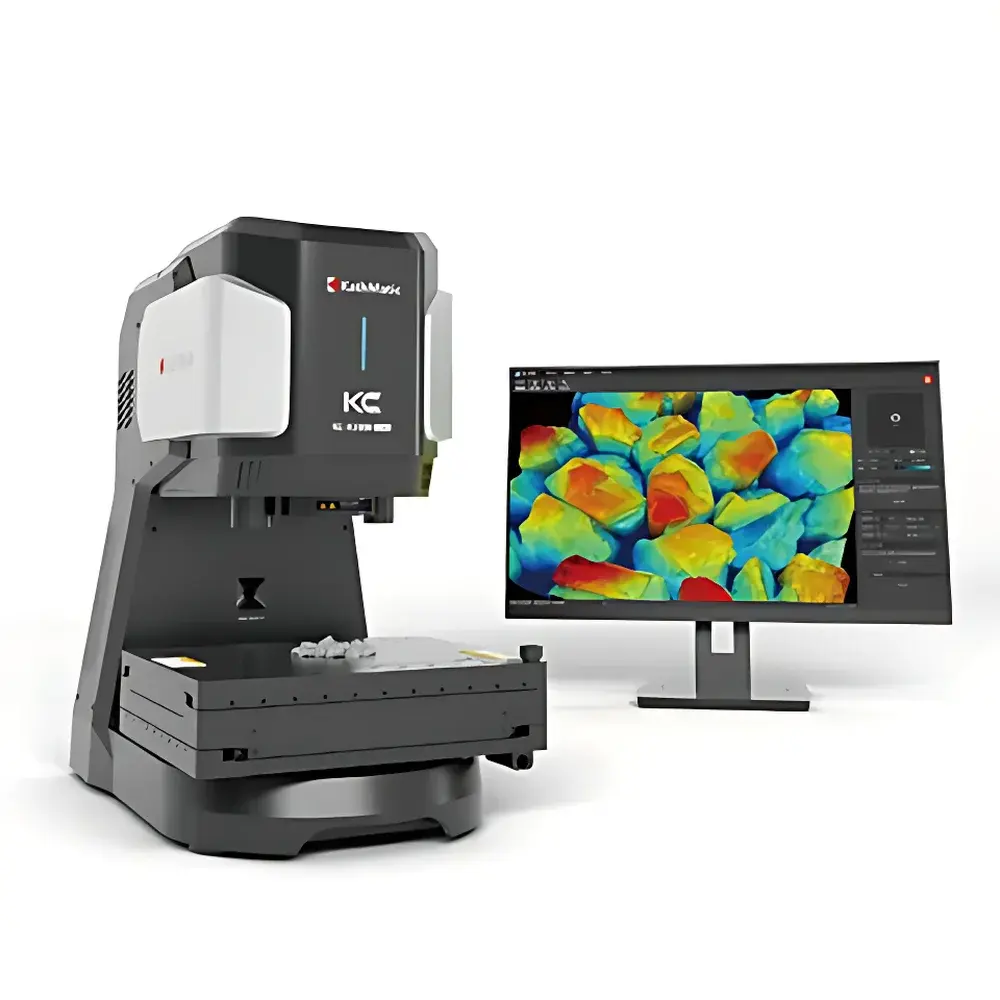
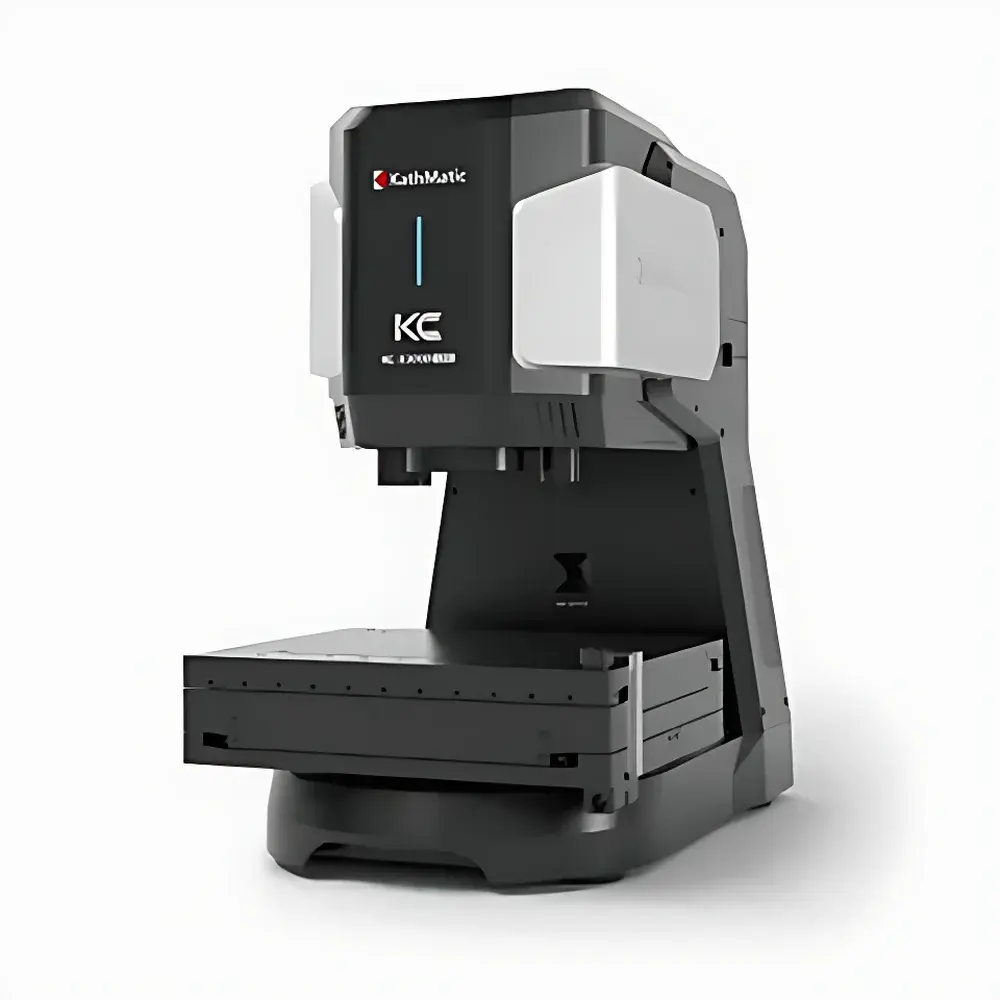
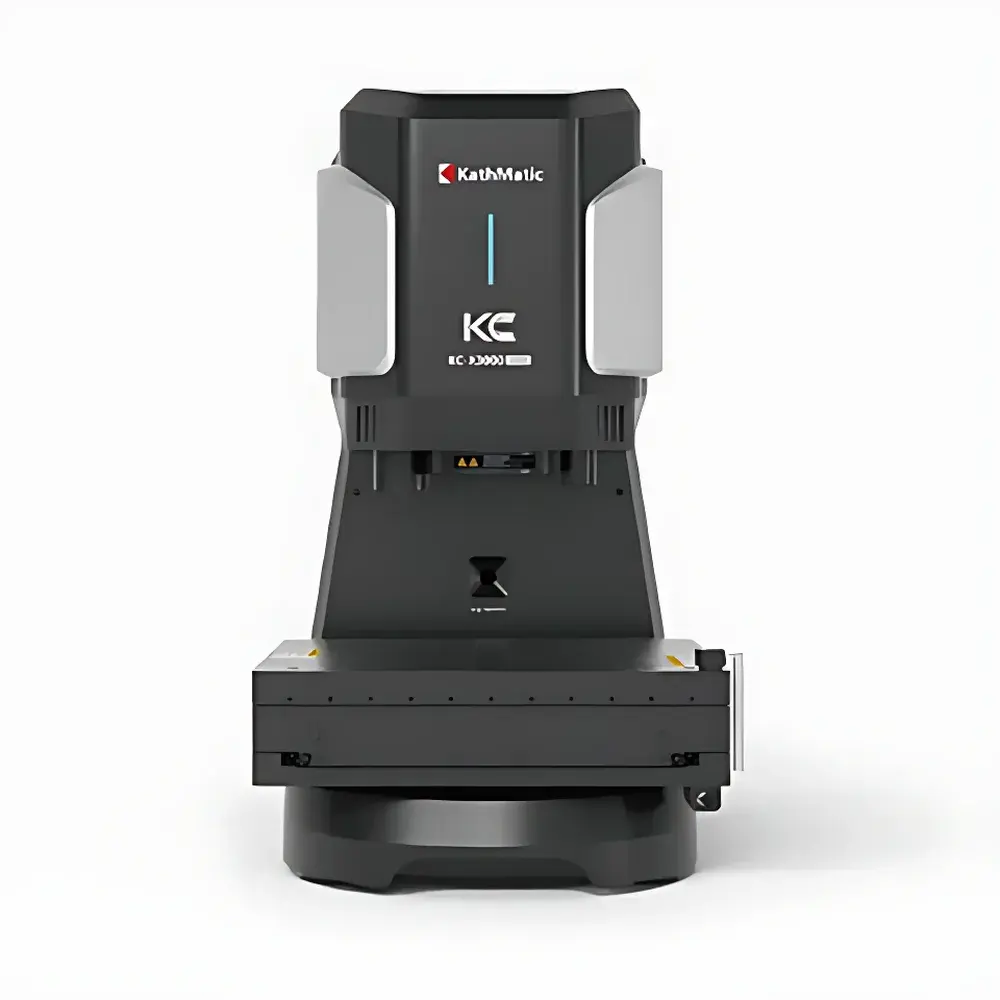
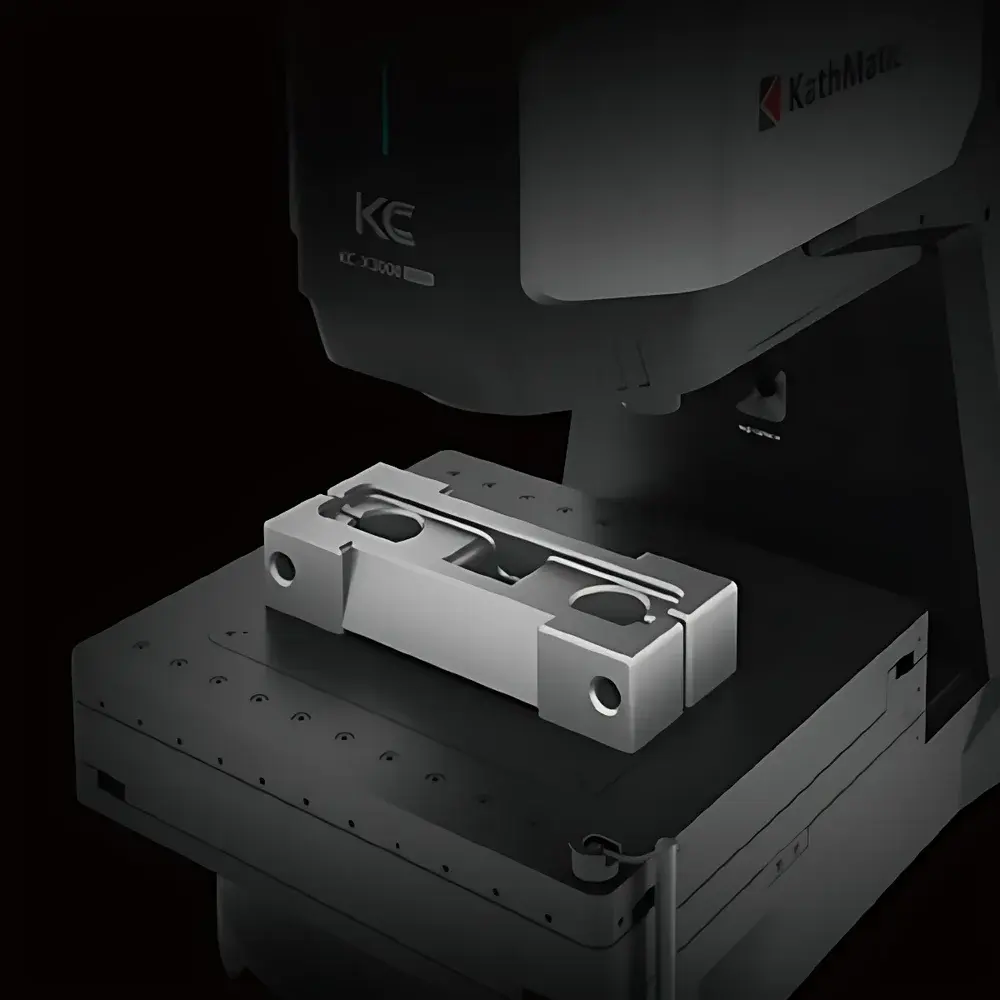
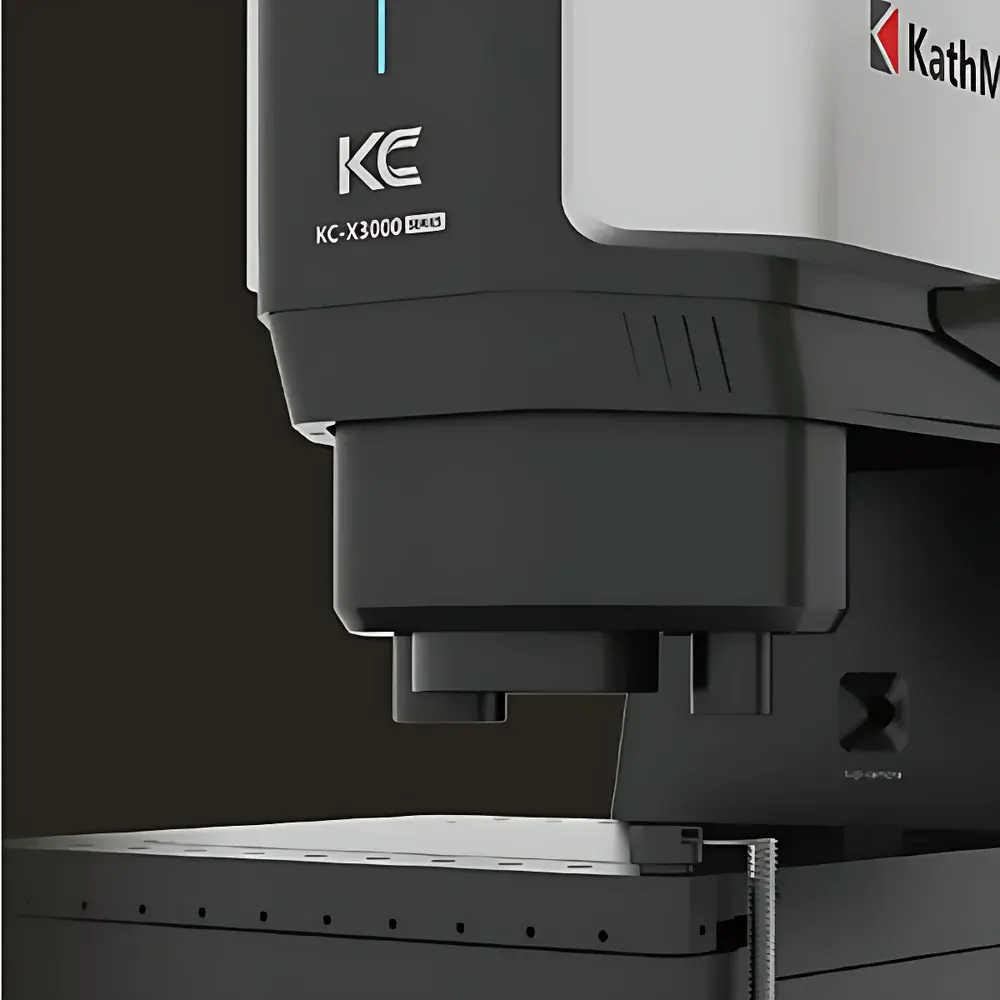
Kathmatic KC-X3000 Laser 3D Measurement Microscope
| Brand | Kathmatic |
|---|---|
| Origin | Jiangsu, China |
| Manufacturer Type | Direct Manufacturer |
| Country of Origin | China |
| Model | KC-X3000 |
| Pricing | Available Upon Request |
Overview
The Kathmatic KC-X3000 Laser 3D Measurement Microscope is a high-precision, non-contact optical metrology system engineered for quantitative surface topography characterization at the sub-micrometer scale. It integrates confocal laser scanning, structured light projection, and high-resolution digital imaging into a unified platform—enabling true-color 3D point cloud generation with height-encoded visualization. Unlike conventional toolmakers’ microscopes reliant on manual focus stacking or stylus profilometry, the KC-X3000 employs multi-wavelength laser triangulation combined with real-time Z-axis autofocus feedback to deliver repeatable vertical resolution down to 50 nm (typical) and lateral resolution governed by the selected objective lens (ranging from 0.7× to 10× magnification). Designed for R&D laboratories and precision engineering facilities, it supports both static sample evaluation and dynamic process monitoring in environments compliant with ISO 16610-21 (surface texture filtration) and ASTM E2923 (non-contact 3D surface measurement standards).
Key Features
- True-color 3D surface reconstruction with height-mapped false-color rendering and real-time depth slicing
- Wide-field measurement capability—from micrometer-scale features (e.g., MEMS structures, semiconductor vias) up to meter-scale components (e.g., large optical substrates, molded polymer panels)—without mechanical stage repositioning or image stitching
- Two-step operational workflow: sample placement followed by region-of-interest selection via intuitive GUI; full 3D acquisition, alignment, and noise filtering executed automatically
- Robust performance across diverse surface conditions: validated stability on low-reflectivity polymers, highly specular metals, anisotropic composites, and steep-slope geometries (>85° inclination)
- Thermal drift compensation algorithm integrated into Z-axis control loop, maintaining ≤0.1 µm repeatability over 4-hour continuous operation at ambient fluctuations of ±3°C
- Modular optical path design supporting optional add-ons including polarized illumination, NIR channel extension, and motorized tilt-stage integration
Sample Compatibility & Compliance
The KC-X3000 accommodates samples ranging from bare silicon wafers and sintered ceramics to coated aerospace alloys and biological tissue sections mounted on standard glass slides. Its non-destructive measurement principle eliminates risk of surface damage or contamination associated with contact-based methods. The system complies with ISO/IEC 17025 requirements for calibration traceability when operated with certified reference artifacts (e.g., NIST SRM 2131 step-height standards). Data integrity protocols align with FDA 21 CFR Part 11 expectations for electronic records—including user authentication, audit trail logging, and immutable result archiving. Routine verification follows ISO 25178-601 for areal surface texture parameters (Sa, Sq, Sz) and ISO 1101 for geometric dimensioning and tolerancing (GD&T) reporting.
Software & Data Management
Equipped with Kathmatic MetroSuite v4.2, the KC-X3000 provides a unified interface for acquisition, visualization, and statistical analysis. Core modules include volumetric rendering engine (supporting STL/OBJ export), cross-sectional profile extraction with ISO 4287-compliant roughness parameter calculation, GD&T module with datum alignment and tolerance zone evaluation, and batch-processing pipeline for comparative analysis across multiple datasets. All raw interferometric frames and calibrated height maps are stored in vendor-neutral HDF5 format with embedded metadata (timestamp, environmental conditions, operator ID, instrument configuration). Integration with LabVIEW, MATLAB, and Python (via RESTful API) enables automated reporting and linkage to enterprise LIMS or MES platforms under GLP/GMP workflows.
Applications
- Advanced materials characterization: grain boundary mapping in polycrystalline thin films, coating thickness uniformity assessment on flexible OLED substrates
- Precision manufacturing QA/QC: verification of micro-milled turbine blade leading edges, quantification of laser ablation crater morphology in medical device stents
- Microelectronics inspection: solder bump coplanarity analysis, through-silicon via (TSV) depth profiling, wafer-level packaging warpage measurement
- Biomedical research: 3D quantification of scaffold porosity in tissue engineering constructs, surface roughness correlation with osteoblast adhesion kinetics
- Automotive component validation: friction surface texturing analysis on cylinder liners, wear scar depth measurement in tribological testing
FAQ
Does the KC-X3000 require periodic recalibration by a certified service provider?
Yes—annual calibration against traceable step-height and roughness standards is recommended per ISO 9001:2015 Clause 7.1.5. Internal self-check routines verify Z-axis linearity and lateral pixel calibration before each session.
Can the system measure transparent or semi-transparent materials such as glass or PDMS?
Yes, using optimized laser wavelength selection (635 nm + 405 nm dual-source mode) and adaptive exposure control to suppress subsurface scattering artifacts.
Is remote operation supported for multi-site laboratories?
Yes—MetroSuite includes secure TLS-encrypted remote desktop access with role-based permission tiers and concurrent multi-user session management.
What file formats are supported for data export?
CSV (height matrix), XYZ (point cloud), TIFF (depth map), STL (mesh), and HDF5 (raw + metadata); all export options preserve measurement uncertainty annotations.
How does the KC-X3000 handle vibration-sensitive environments?
The base unit incorporates passive air-damped isolation feet and optional active vibration cancellation module compatible with ISO 20483 Class 2 cleanroom specifications.





